21 Nighttime Habits That Quietly Damage Your Hair Without You Noticing
We all have the best intentions when we finally crawl into bed after a long day. But here’s the thing: your nighttime routine might be quietly working against your hair goals. You might wake up with frizz, breakage, or flat roots and just blame your sleep position.
The reality is that the damage happens slowly, often without any obvious signs until weeks later. And if you’re eyeing those 2026 hairstyles, healthy strands are your best starting point. The good news? Fixing these habits is easier than you think. You don’t need a fancy routine, just a few simple swaps before you hit the pillow.
Let’s walk through the sneaky ways your sleep is messing with your strands—and exactly how to stop it. Your future self (and your hair) will thank you.
1. Sleeping with Wet Hair
Wet hair is at its most fragile state. When you toss and turn on a damp mane, each strand stretches and swells, leading to severe cuticle damage and split ends over time. It breaks the protein bonds, leaving that rough, dull texture surprisingly quickly.
You might be tempted to skip the blow dryer, but going to bed with soaking wet hair is a recipe for disaster. It also creates a damp environment, which isn’t ideal for your scalp health.
Try this instead:
- Air dry for at least 30 minutes before bed.
- If you must sleep with it damp, use a microfiber towel wrap.
- Focus on the roots so the ends stay dry.

2. The “One Hair Tie” Nightmare
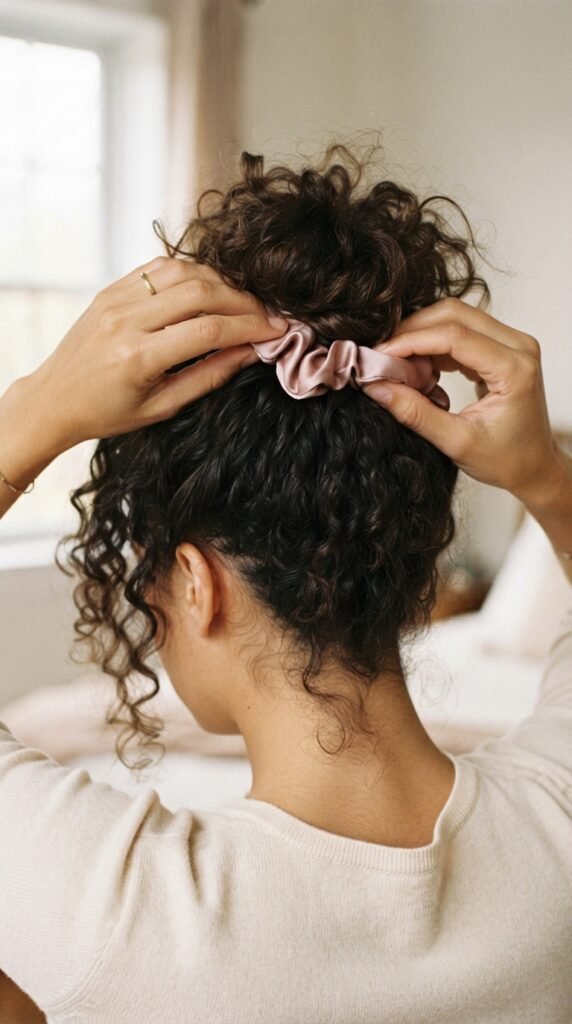
That tight ponytail you wear to sleep is pulling tension at the root all night long. This constant pulling leads to traction alopecia, which is a fancy way of saying your hairline is slowly receding. It causes breakage right where your hair tie sits.
If you’re trying to grow out lengths for a long hime cut or a sharp asymmetrical lob, this habit will actively fight your goals. High tension is the enemy of growth.
Switch it up:
- Always use a soft scrunchie, never a tight elastic.
- Loosen the band so it doesn’t leave a dent.
- Try a loose braid instead of a bun.

3. Rough Cotton Pillowcases
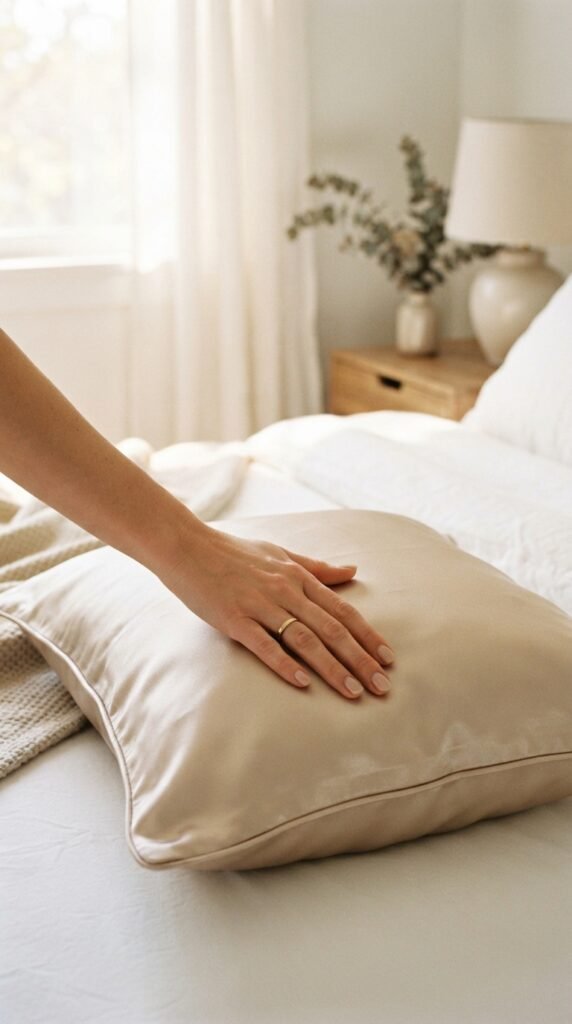
Cotton creates friction. It absorbs the natural oils from your hair, leaving it dry and brittle. Every time you move your head, your hair rubs against these rough fibers, causing split ends and static, not to mention frizz.
For anyone aiming for that sleek old money hair aesthetic, the fabric you sleep on is just as important as the styling products you use. You are literally ironing your hair all night with friction.
The fix:
- Invest in a silk or satin pillowcase.
- Silk reduces friction and keeps moisture locked in.
- It also helps reduce wrinkles on your skin—a huge bonus.
4. Tucking Hair Under Your Pillow
We all do it—flipping your hair up and resting it above your head. This traps oils and styling products against your scalp, clogging your hair follicles. Over time, this can lead to a dull, flat look and even hinder new growth.
It also causes the ends to get tangled and knotted since they’re roughing against the bedding. You might be crushing your volume overnight without realizing it.
Better approach:
- Lay your hair down naturally, not tucked under.
- If it’s long, bring it up and over the top of the pillow.
- Keep it relaxed so it does not pull at the neck.

5. Skipping the Pre-Sleep Detangle
Going to bed with your day’s tangles is a mistake. As you sleep, those knots tighten and become impossible to remove in the morning. You end up ripping through them with a brush, losing extra hair in the process.
This is especially damaging for textured hair or styles with intricate braids. The confusion causes breakage at different lengths, leaving your hair uneven.
Routine fix:
- Use a wide-tooth comb before bed.
- Work through knots gently from the ends up.
- A quick finger detangle before sleeping helps too.

6. Stressful Buns and Top Knots
Throwing your hair into a tight ballet bun every single night creates a sharp pressure point. This can literally break the hair shaft, leaving you with tiny, broken ends around your crown. It might feel neat, but it’s pulling out your volume.
If you’re growing out a soft pixie or curtain bangs, this habit can make your edges look scraggly. The tension is simply too concentrated in one area.
Protect your edges:
- Use a “pineapple” technique with a silk scarf.
- Keep the bun as loose as physically possible.
- Never sleep with a claw clip in—ouch!
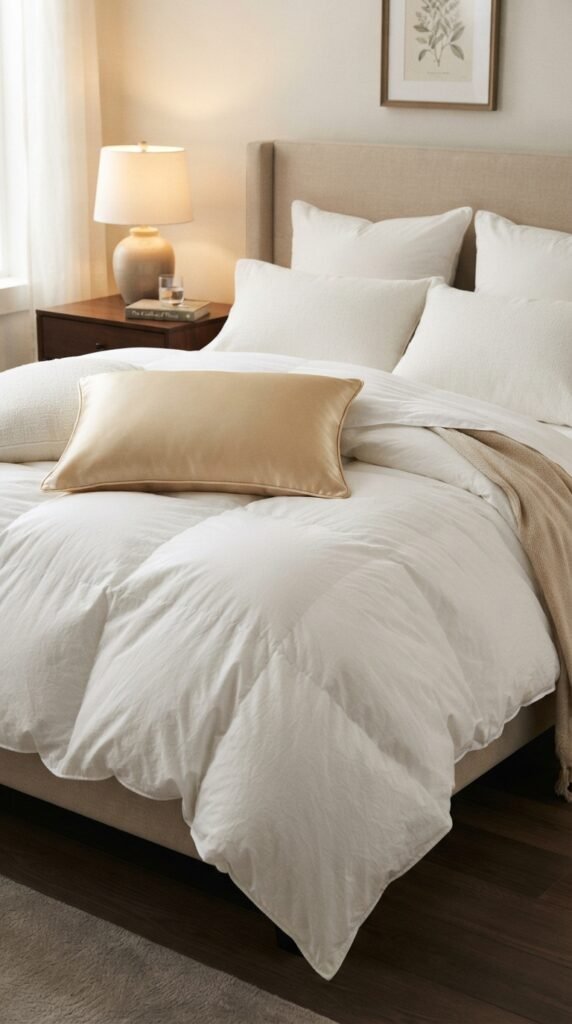
7. Forgetting About Your Pillowcase Fill
Your pillowcase material matters, but so does the fill. A firm, rough pillow creates more resistance and friction than a softer one. It also pushes your hair in weird directions, making those kinks and crimps in the morning worse.
A plush pillow allows your head to sink in, keeping your hair in a straighter line. This reduces tangling and helps maintain your hairstyle overnight so your blowout actually lasts.
Pro tip:
- Look for down-alternative soft pillows.
- Cover it with a soft satin casing.
- Keep the bedroom cool for extra scalp comfort.
8. The Wet Hair Scrunchie Trap
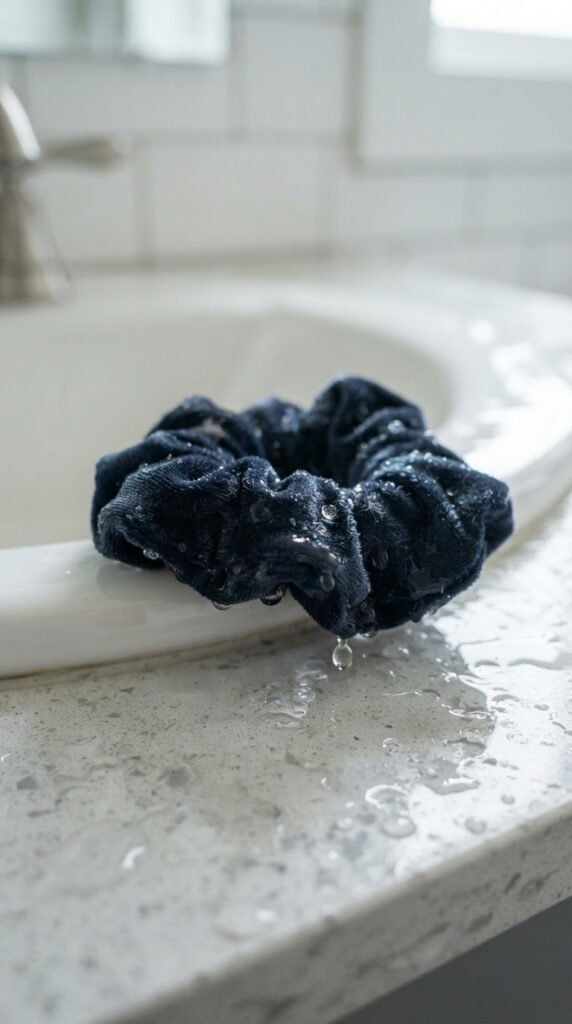
Wrapping a scrunchie around hair that is still slightly damp is dangerous. The fabric traps moisture against the strand, leading to a phenomenon called hygral fatigue. This is when the hair swells and weakens repeatedly, causing a mushy feel.
It’s even worse during humid months. The trapped water has nowhere to go, and you wake up to a dull, stringy mess.
Avoid this:
- Ensure hair is fully dry before tying it up.
- If it’s wet, leave it loose and flowing.
- Never sleep with braids made on wet hair.
9. Sleeping with Heavy Hair Products
Relying on heavy oils or gels overnight might seem like a deep treatment, but it can actually block your pores. This buildup acts as a petri dish for bacteria and dirt, flaking off and causing product buildup that makes hair look greasy.
For lightweight styles like a quiet luxury bob, you want volume, not residue. Too much product overnight can also alter the natural wave pattern of your hair.
Lighten the load:
- Only use a light cream or water-based serum.
- Pillowcases need to absorb the leftovers, not your hair.
- Wash your hair more often if you apply overnight masks.

10. Tossing and Turning Constantly
It sounds weird to say, but how you move in bed affects your hair. Excessive tossing and turning acts like an aggressive brushing session against the pillow. This constant motion causes knots and mechanical stress.
You can’t control your sleep movements, but you can prepare for them. The more friction you create, the more your hair texture changes, making frizz worse.
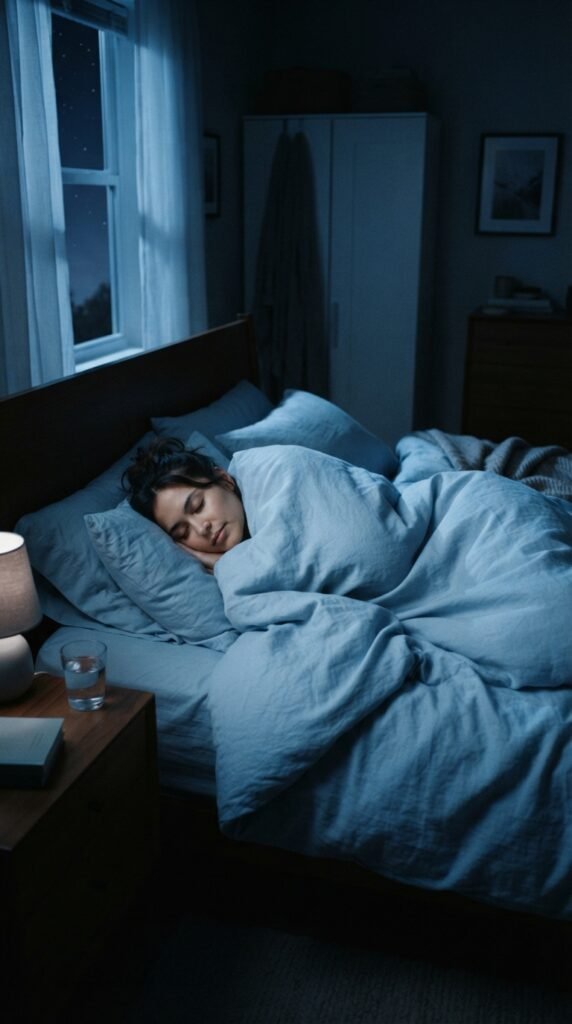
Prepare your bed:
- Keep the room dark and cool for deeper sleep.
- A weighted blanket can minimize sudden shifts.
- Relax your neck by aligning your spine with pillows.
11. Ignoring the Temperature of Your Shower
This is a nighttime habit that affects your hair hours later. A scalding hot shower strips the natural oils from your scalp. Without those protective oils, your hair is more susceptible to damage while you sleep.
You step out with dry, frizzy strands and then rub them ruthlessly with a towel. It sets the stage for breakage before you even get to bed.
Adjust your temp:
- Rinse with cooler water at the end.
- This helps seal the cuticle flat.
- Keep your scalp comfortable, not burning.

12. Using the Wrong Brush Before Bed
Using a fine-tooth comb or round brush to detangle before bed is too harsh. These tools are designed for styling, not for relaxing hair. They pull at the root and break the hair easily.
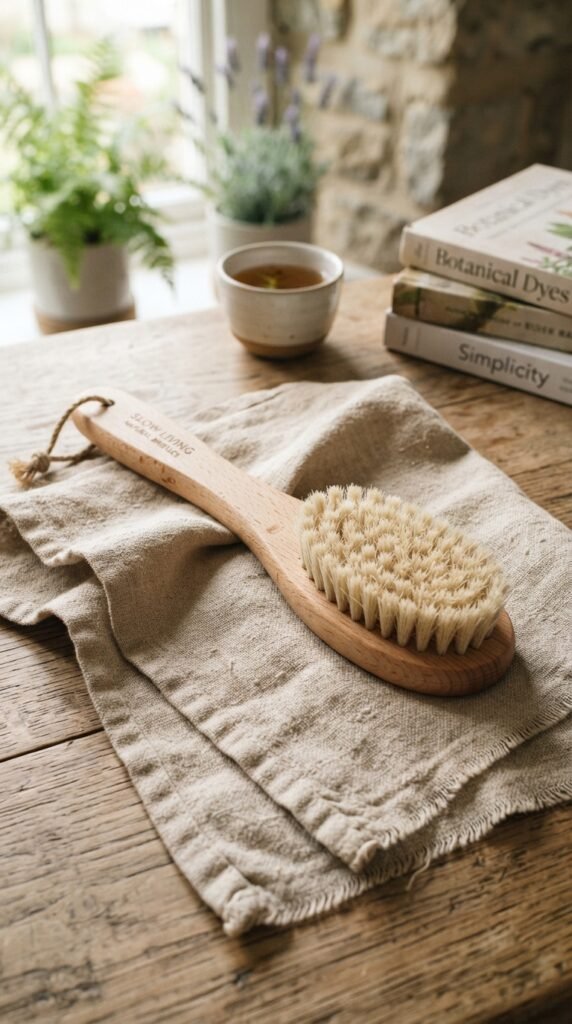
A wide-tooth comb or a gentle wooden brush is best. It distributes your natural scalp oils from root to tip, acting as a lightweight overnight treatment. Your hair stays protected.
Smart brushing:
- Never brush wet hair with a standard brush.
- Start from the bottom and move upward.
- Take your time—it’s a wind-down ritual.
13. Leaving Hair Loose for Long Lengths
While loose hair is best for some, leaving very long strands completely free can cause matting. If you have a style like the vampire haircut or long layers, the ends rub against your back and the pillow, creating severe moisture loss.
Loose hair also tangles easily in your armpits or gets caught under your partner’s arm. Mechanical tangles are hard to remove without losing a few strands.
Better options:
- A loose, low braid is ideal for length.
- Start the braid below the nape of the neck.
- Don’t braid too tight—keep the roots relaxed.

14. Skipping the Heat Protectant Earlier
This habit starts in the morning but wreaks havoc at night. If you use hot tools without protectant, your hair is already weak. By the time you lay on it, the damaged cuticle is peeling even more.
It’s like sunburn—the pain shows up later. Weak hair breaks easier when pressure is applied during sleep.
Layer up:
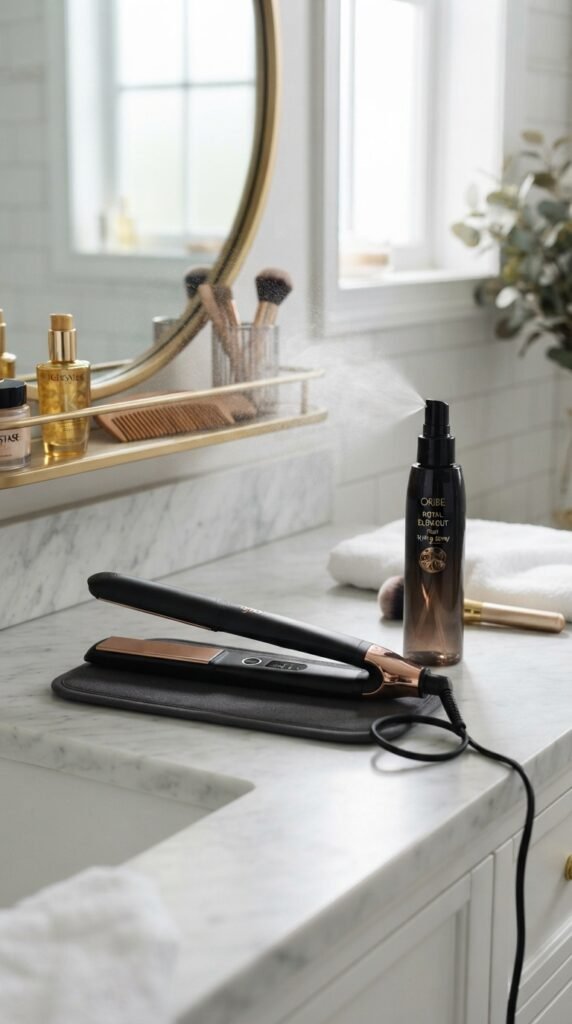
- Use a thermal spray in your morning routine.
- Even a quick serum can shield the strand.
- At night, focus on repairing that damage.
15. Drying Hair with a Terry Cloth
Taking a regular bath towel and rubbing your hair to dry it is a huge “no.” The thick loops of terry cloth catch your hair cuticle, causing roughing and lifting. This makes your hair feel coarse.
It’s a harsh habit that leads to severe stress on the hair line, especially if you’re rubbing vigorously. You are aggressively tearing the outer layer of hair apart.
Gentle drying:
- Use an old cotton t-shirt instead.
- Blot, don’t rub.
- Let the hair dry until damp, not dry.

16. Overloading on Hair Oil Before Bed
Applying coconut oil heavily overnight is a staple beauty trick, but it can backfire. Too much oil plugs the hair follicle, leading to a flaky scalp and poor hair growth cycles. Your hair looks greasy even after washing.
It can also make your strands sticky, attracting dirt and dust onto your silk pillowcase, causing breakage.
Oil smart:
- Only apply oil to the mid-lengths and ends.
- Use a light drop amount, not a slather.
- Wash it out thoroughly in the morning.

17. Ignoring Your “Sleeping Beauty” Satin Cap
Some folks don’t like wearing bonnets because they feel “sleepy,” but they are one of the best investments for your hair. They lock in moisture and reduce friction completely. Without one, your hair is rubbing against everything.
If you’re styling a glitchy glam hair look or maintaining a sharp cut, wearing a cap keeps the shape intact. It means less morning maintenance and less pulling.
Get used to it:
- Pick a breathable satin bonnet.
- Place it on after your skincare routine.
- You’ll wake up with a fresh appearance.

18. Tying Hair Up While It Is Still Damp
We touched on this with scrunchies, but it also applies to barrettes and clips. The damp hair mold to the shape of the clip you wear, creating kinks. As the hair dries, it sticks to the shape of that coil, weakening the strand at the bend.
This creates irreversible dent lines that lead to snapping. It ruins your sleek look for the next day, especially if you have blunt bangs.
No dents:
- Always dry your hair 100% before styling.
- If you clip hair, use soft, padded clips.
- Let it hang naturally to air-dry.

19. Sleeping in a Super Hot Room
Sleeping in a room that is too warm makes you sweat, specifically at your scalp. The moisture from sweat triggers your scalp to become oily and itchy. The oils from your skin transfer to your hair, weighing it down.
High heat also dries out the hair’s external cuticle, leading to dehydration in the strand itself. It changes your natural 2026 hairstyle aesthetic completely.
Cool down:
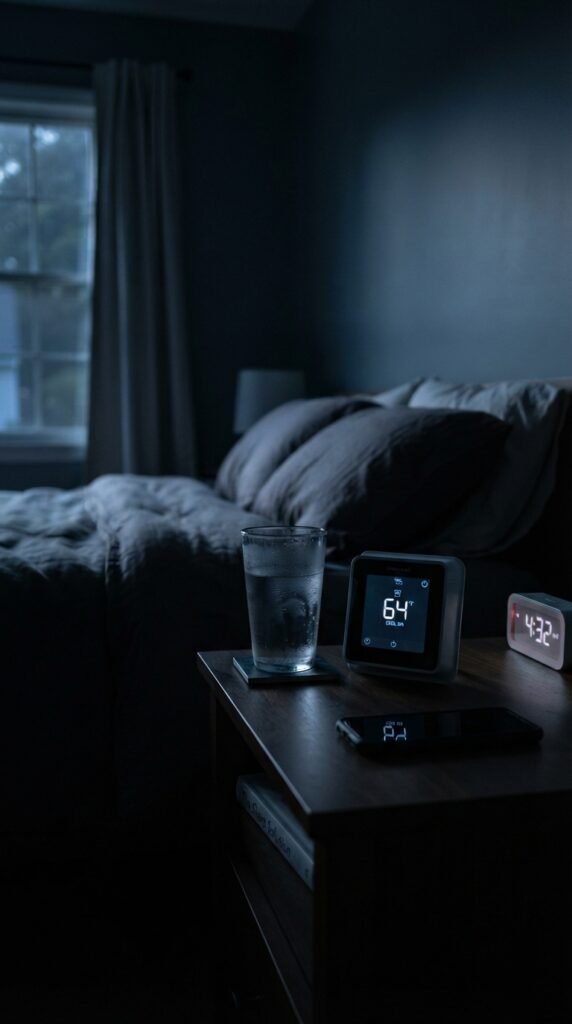
- Set your thermostat to the low 60s.
- Take a cool shower before bed.
- Use a breathable eucalyptus fabric sheet.
20. Eating Late, Sugary Snacks
Blood sugar spikes affect your hormones, which impacts your hair growth cycle. When you eat sugar before bed, your body produces more insulin, which can increase androgen levels—leading to thinning hair over time. This is a silent process you won’t notice for months.
They say “you are what you eat,” and that is true for hair health too. A poor diet leading up to bedtime creates inflammation in the hair follicles.
Snack smarter:
- Reach for Greek yogurt or almonds.
- If you’re craving something sweet, try berries.
- Drink herbal tea to satisfy the night cravings.

21. Sleeping on a Heavy, Loose Ponytail
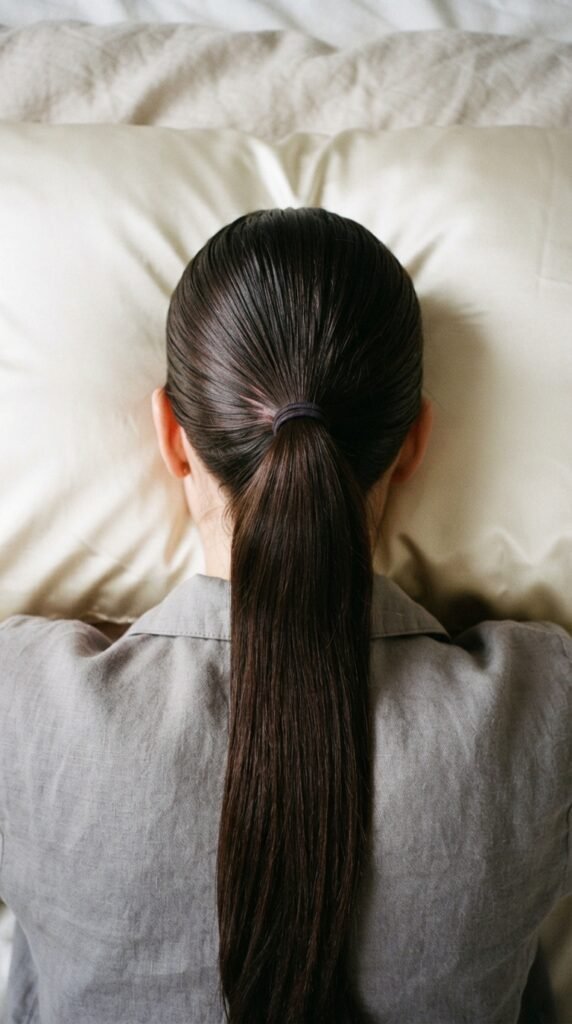
If your hair is long, sleeping with a high ponytail is dangerous. The weight of the tail pulls on the roots throughout the night. It also rubs against the pillow independently, causing matting at the base.
If you have a thick mane, this creates extreme tension on the crown and can lead to headaches and hair loss.
Rest easy:
- Wrap your hair in a silk scarf instead.
- Keep hair loose in a sleep bonnet.
- Braid in two loose sections for stability.
22. Forgetting to Hydrate (Internally)
Your hair is made of water—about 25%. If you go to bed dehydrated, your hair cortex is parched, making it brittle and prone to split ends. This shows in the morning with stiffness and a lack of flexibility.
A dry strand breaks more easily under the pressure of your head against the pillow. It is simple biological science that a hydrated body yields hydrated hair.
Drink up:
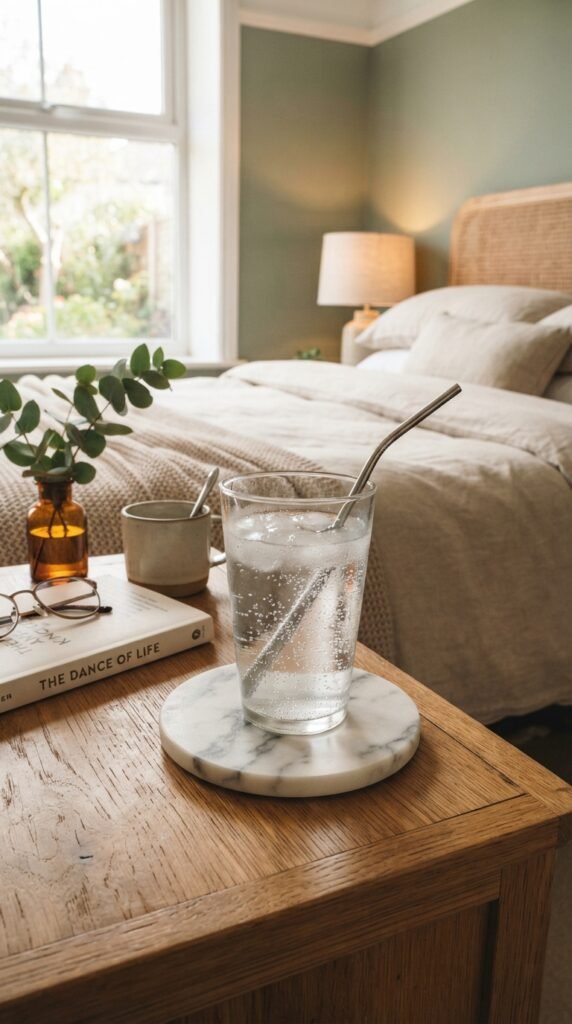
- Drink a glass of water after brushing your teeth.
- Add electrolytes if you sweat often.
- Keep a water bottle near your bed to sip.
23. The “Tight Pigtail” Overfight
Many people tie their hair into pigtails to keep it from tangling, but this often makes it worse. The band sits at the delicate occipital bone, causing friction and pressure. Over time, the hair thins at that exact point.
You might notice little baby hairs flying around your ears, a classic sign of this habit. It disrupts your hairline.
Gentle loops:
- A single loose braid is better than two.
- If you need pigtails, keep them low and loose.
- Release them if they feel tight.

24. Forget Clean Bedding
Changing your pillowcases once a week is non-negotiable, yet many overlook it. Dirty pillows accumulate dead skin, dirt, and product residue. This transfers back onto your hair at night, causing buildup that looks dull.
A filthy pillowcase is basically a mask for your strands—full of bacteria that irritates the scalp.
Wash routine:
- Change your pillowcase twice a week.
- Wash with a fragrance-free gentle detergent.
- Iron it quickly to remove sharp creases.
25. Resting on a Styling Mousse Base
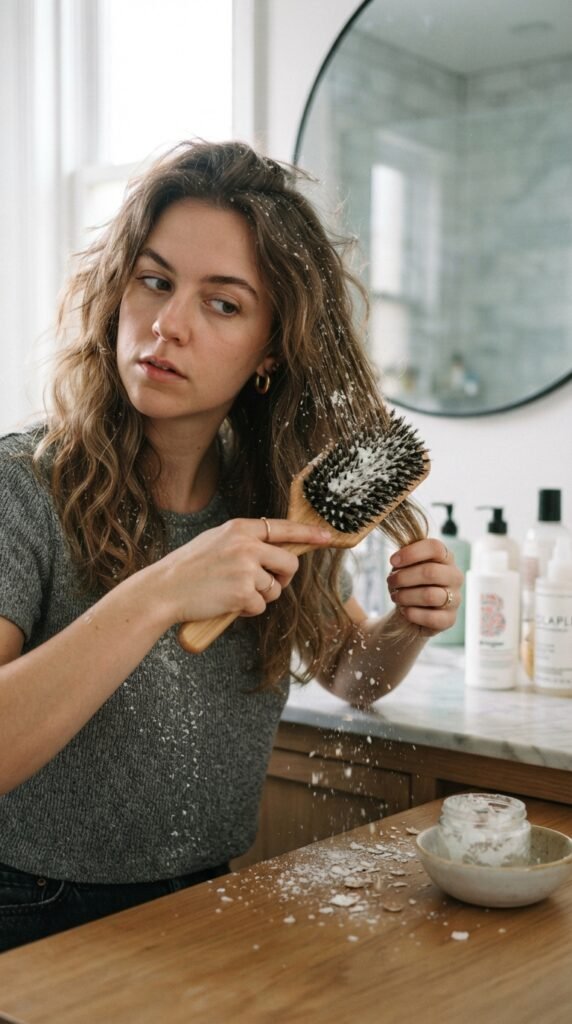
Are you going to bed with yesterday’s mousse or gel still in your hair? This hardens into a stiff film overnight. It locks the hair in awkward, bent positions, and flakes off by morning like snow.
It suffocates the strands, making them feel wax-like. Your hair needs to breathe overnight, just like your skin.
Clean slate:
- Brush out all old product before bed.
- Plopping with a wet brush is better.
- Do a low-poo wash if you have a lot in.
—
Let’s Wrap This Up
I know that list feels like a lot, but you really don’t have to fix all 25 things at once. In fact, I think starting with just one or two is the best way to see a real change in your hair without getting overwhelmed. Swap your pillowcase first or stop sleeping with wet hair—your strands will feel the difference quickly.
Hair care is just like any other part of your self-care: it’s about progression, not perfection. Treat your nighttime routine like a way to care for the hair you want tomorrow, whether that’s old money hair or a romantic goth hairstyle. Trust the process, girl.
You deserve to wake up with hair that functions and feels good, and that honestly starts with how you sleep. Be kind to yourself while you fix these habits. It is all a learning process, and giving your hair the care it needs is the ultimate form of self-love.
💌 Save this post to Pinterest so you can come back to it the next time your hair feels a bit off! And of course, tell me in the comments: which nighttime habit are you guilty of doing the most? I know I’m definitely guilty of sleeping with damp hair too often—let’s chat!