AITAH for Refusing to Pay for My Brother’s Vacation After He Asked for Money?
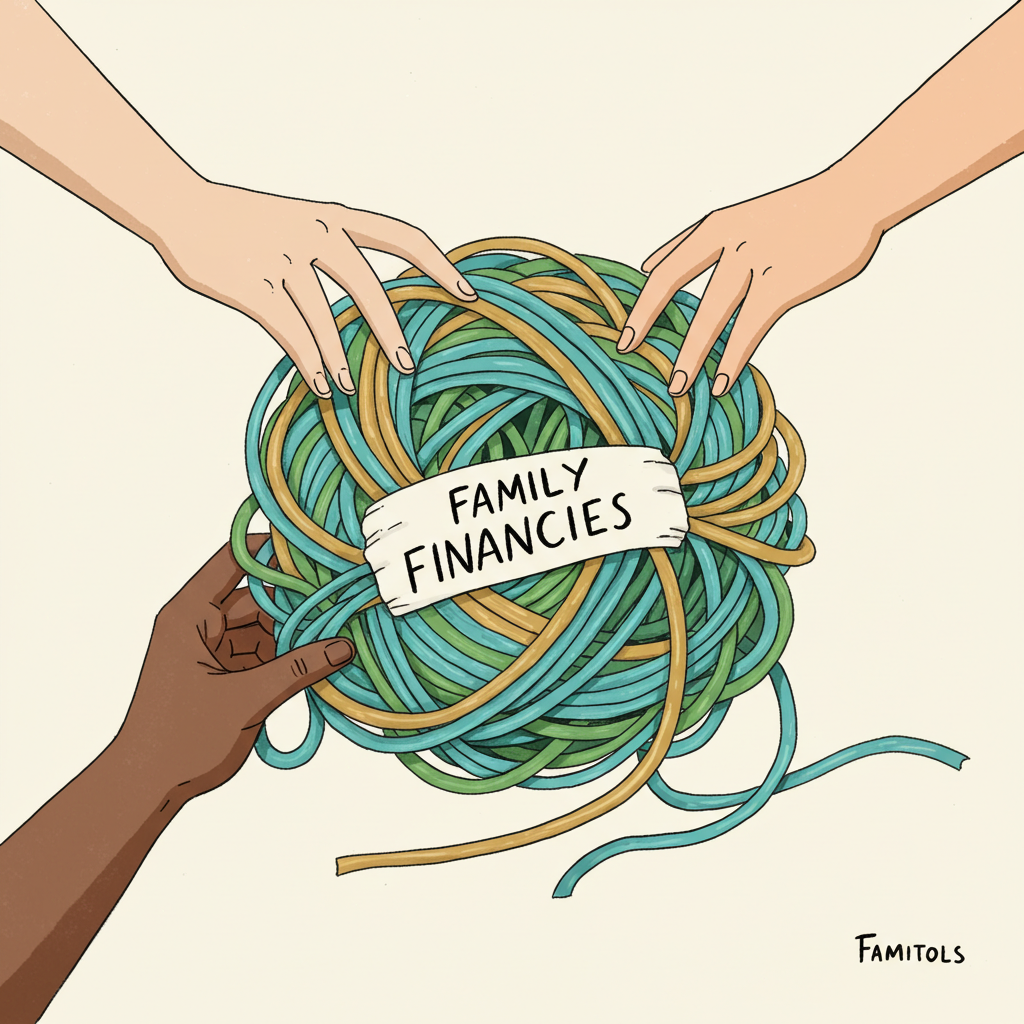
Family finances can be a minefield, especially when requests for money come with high expectations and little regard for boundaries. Today’s AITAH story centers around a heated debate on whether it’s fair to say no to a sibling asking for cash to fund a vacation—something many of us might face at some point.
Let’s dive into the details and see who’s really in the wrong.
The Situation: When Sibling Requests Cross the Line
The original poster, who we’ll call Priya, is a 32-year-old professional who lives independently and manages her own budget carefully. Recently, her younger brother, 25, reached out with a request: he wanted Priya to help pay for his upcoming vacation abroad.
According to Priya, her brother has had financial troubles for years but often spends money on non-essential things like gadgets and nights out with friends. This time, he claimed he really needed a break to “reset” and asked her to cover part of the trip expenses.
Her brother was not happy. He accused Priya of being selfish and unsupportive. Their parents, hearing about the dispute, urged Priya to reconsider, saying family should always help each other.
Priya felt pressured but stuck to her decision. She explained that she supports her brother in many ways already—helping with groceries, offering rides, and sometimes loaning small amounts when truly needed. But funding a vacation felt unreasonable.
Priya’s refusal comes from a place of responsibility. She wants to encourage her brother to manage money better rather than enabling a pattern of poor spending. She also values financial independence and doesn’t want to feel exploited.
By saying no, Priya is setting healthy boundaries, which can be difficult but necessary.
Brother’s Perspective: Feeling Let Down
From her brother’s side, Priya’s refusal feels like abandonment. He sees family as a safety net and expects help when times get tough—even if it’s for a vacation that might seem frivolous to others.
This raises questions about how families balance support and personal responsibility.
The AITAH subreddit overwhelmingly supported Priya. Many commenters emphasized the importance of boundaries and noted that helping someone fund a vacation, especially when financial mismanagement is involved, is not a reasonable expectation.
One user commented: “Helping with essentials is one thing. Paying for a luxury trip? No. That’s enabling bad habits.”
Others suggested that Priya could still help in other ways, like budgeting advice or suggesting cheaper alternatives for her brother’s break.
Priya’s story highlights an important lesson: family support doesn’t mean sacrificing your own stability or enabling unhealthy choices.
Saying no to unreasonable requests is a sign of maturity and self-respect. While it can be uncomfortable, it often protects relationships in the long run.