AITAH for Not Inviting My Sister to My Wedding Because She Always Makes Everything About Herself?
When planning one of the most important days of your life, the last thing you want is unnecessary drama. But what happens when the biggest source of that drama is your own family? Today’s AITAH scenario explores a wedding dilemma that has sparked a firestorm of opinions.
A woman—let’s call her Sara—turned to r/AITAH to share her predicament. She’s engaged to her long-time partner and has been dreaming about her wedding day for years. But there’s one big problem: her older sister, Emily.
According to Sara, Emily has a long history of turning every family event into her own personal spotlight. At their cousin’s baby shower, Emily announced her own pregnancy. At their brother’s graduation, she revealed she’d just bought a new house. Sara described countless other examples where Emily overshadowed every occasion.
So when Sara and her fiancé started planning their wedding, she made a controversial decision: she didn’t want to invite Emily.
Sara explained in her Reddit post that she felt torn between wanting a peaceful, joyful wedding and feeling guilty for excluding her sister. She feared that inviting Emily would mean risking another meltdown, attention-grabbing announcement, or emotional outburst that would ruin the day.
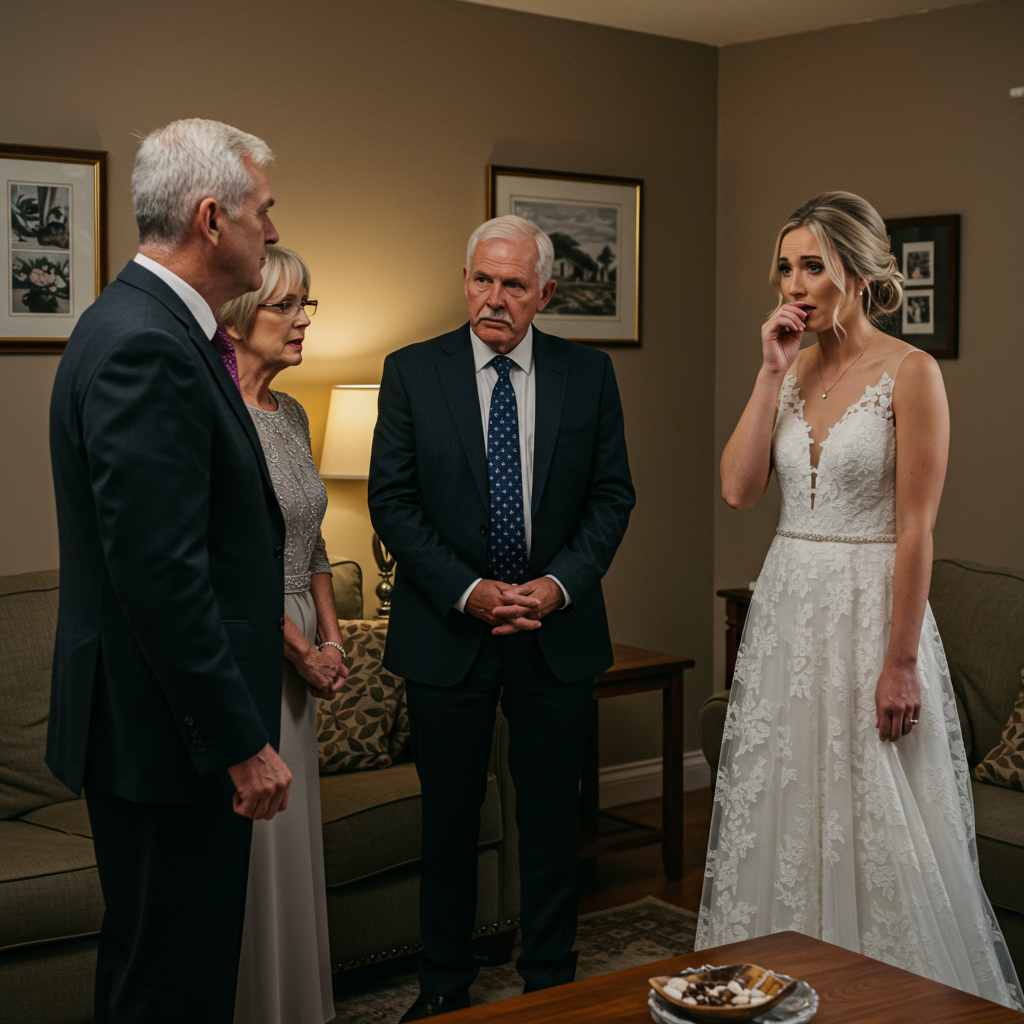
When she broke the news to her parents, they were furious. They accused Sara of being vindictive, selfish, and cruel. Emily herself called Sara in tears, begging her to reconsider.
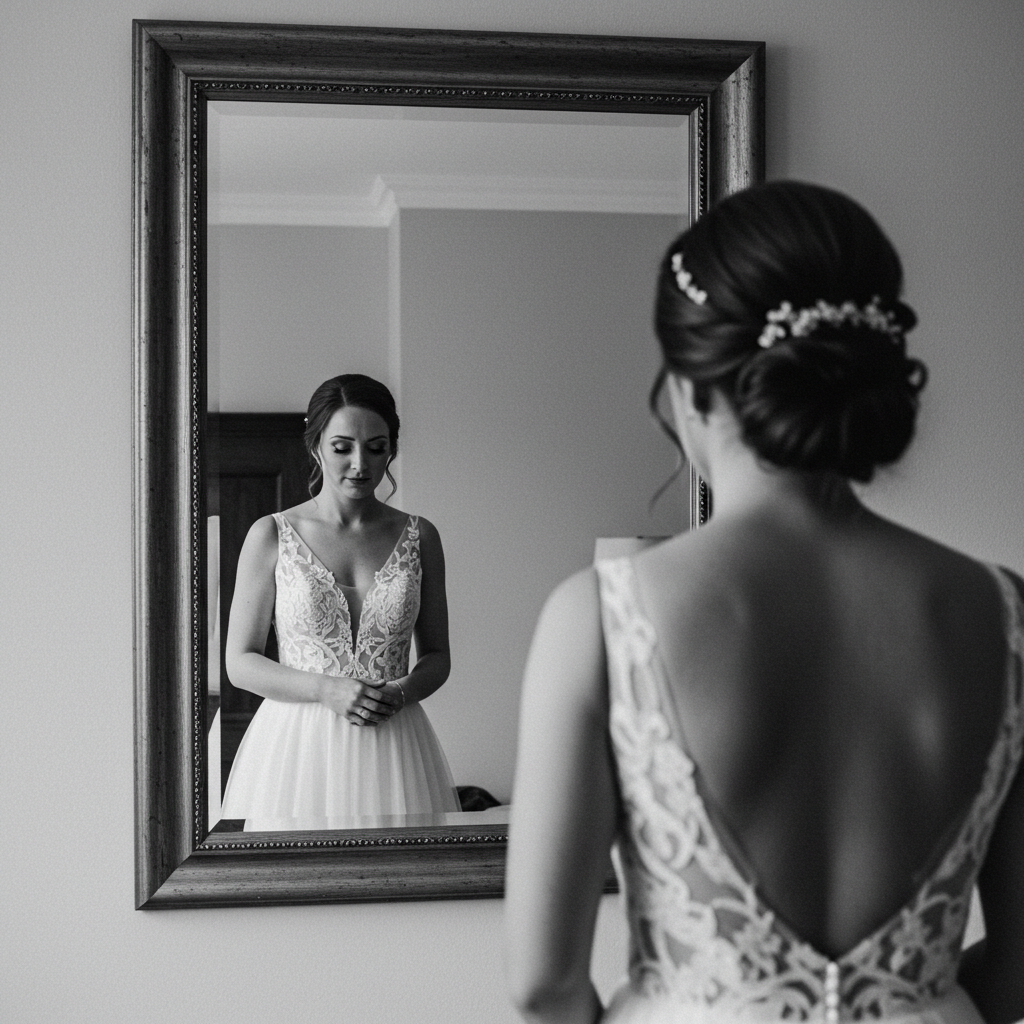
Sara stood firm—but she couldn’t shake the guilt. Was she really being petty? Or was she justified in setting boundaries?
Many Reddit commenters agreed: setting boundaries doesn’t make you a villain. Sara has a right to protect her wedding from unnecessary drama.
One commenter wrote, “If she has a proven track record of hijacking every event, you’re not obligated to give her another opportunity to hurt you.”
Another pointed out that weddings are expensive and stressful. The bride should be able to feel safe and celebrated on her big day without worrying about someone else making it about them.
Past Behavior Predicts Future Behavior
Emily’s past actions weren’t just minor annoyances—they were consistent patterns. It’s reasonable to expect that the same behavior could resurface at the wedding.
Some readers even suggested that if Emily truly cared about Sara, she would understand why her presence might be disruptive.
Others felt Sara’s choice was extreme. Cutting a sibling out of a milestone event can create long-lasting wounds that may never fully heal.
One commenter shared, “Imagine how you’d feel if you were excluded from your sister’s wedding. This could damage your relationship forever.”
Some argued that Sara could have invited Emily but set clear expectations and boundaries ahead of time—maybe even asked a trusted family member to keep an eye out for any attention-seeking stunts.
This AITAH post touches on a question many of us struggle with: When does protecting your peace cross the line into cruelty?
The truth is, boundaries aren’t inherently selfish. They’re a way to honor your needs and ensure that your most important moments feel safe and joyful.
That said, how you set and communicate those boundaries matters. A flat-out exclusion, without a conversation, can feel like a punishment rather than self-preservation.
What Reddit Decided
Reddit’s judgment was mixed but leaned in Sara’s favor. The top comments said she was Not the Villain, noting that her sister had shown no remorse for her past actions. Others urged her to consider the long-term impact on her family relationships.
At the end of the day, no one gets to dictate what you should tolerate on your wedding day. If you know someone will make it about them—again—you have every right to draw the line.
That doesn’t mean you have to be cruel. Honest conversations and clear expectations can sometimes make space for healing and change. But if someone has repeatedly shown they don’t respect your moments, you’re not obligated to give them another chance.