From Flat To Fabulous With The Right Layering Technique For Your Specific Hair Type
Okay, let’s be real for a second. We’ve all stared into the mirror after a blowout wondering why our hair looks more “meh” than “magazine.” It’s not always about the cut itself; it’s about the technique. The right layering can be a total game-changer, adding instant volume, movement, and that effortless “I woke up like this” vibe.
I used to think my stick-straight hair was just doomed to be flat. But after a few (okay, many) salon conversations and some serious experimentation, I realized the secret isn’t just asking for “layers”—it’s asking for the right layers for your specific hair type and texture. We’re talking customized shaping that works with your natural bend, not against it.
So, grab your coffee and let’s dive into the ultimate guide to banishing flat hair for good. I’m going to break down the exact layering hacks you need, whether you have fine strands, thick waves, or anything in between. You’re about to find your hair’s new best friend.
Understanding Your Hair’s Unique “Language”
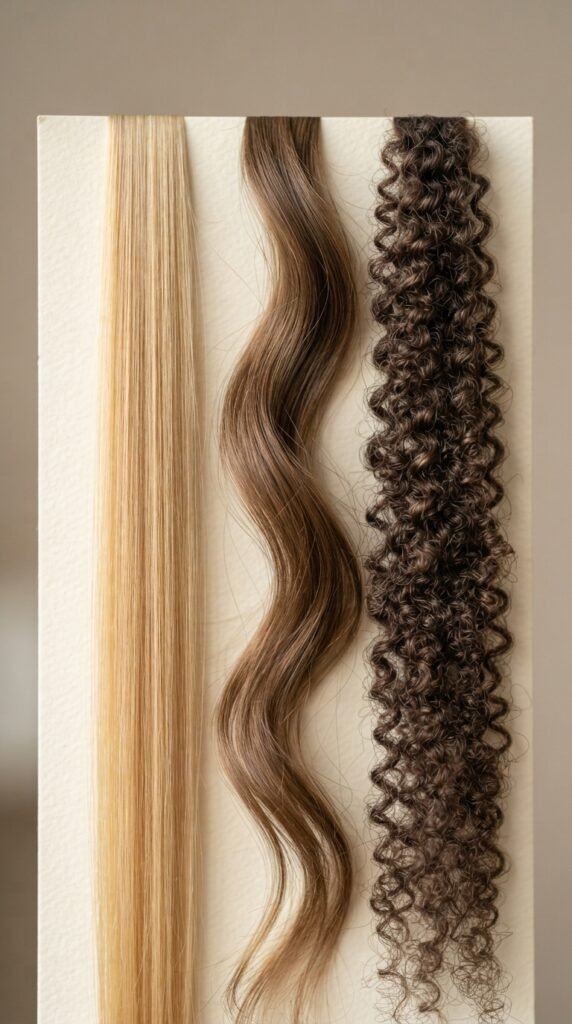
Before you even pick up a pair of scissors (or call your stylist), you have to play detective with your own hair. The way your hair falls, bends, and reacts to gravity dictates everything. When you understand your texture, you can translate it into the perfect layering formula.
Think of it like this: a one-size-fits-all approach never works in fashion, and it definitely doesn’t work for haircuts. We are all a beautiful mix of different densities and textures, and your layers should be as unique as your fingerprint.
The Golden Rule: Density Over Length
The absolute biggest mistake I see is people thinking more length equals more beauty. If your hair is heavy and dense, long, blunt cuts just drag your face down. It’s all about creating weight distribution that flatters your features.
When we talk about layering, we’re talking about removing weight in strategic places. This allows your hair to move with you, rather than sitting there like a heavy curtain. It’s about creating an internal architecture that lifts you up, literally and figuratively.
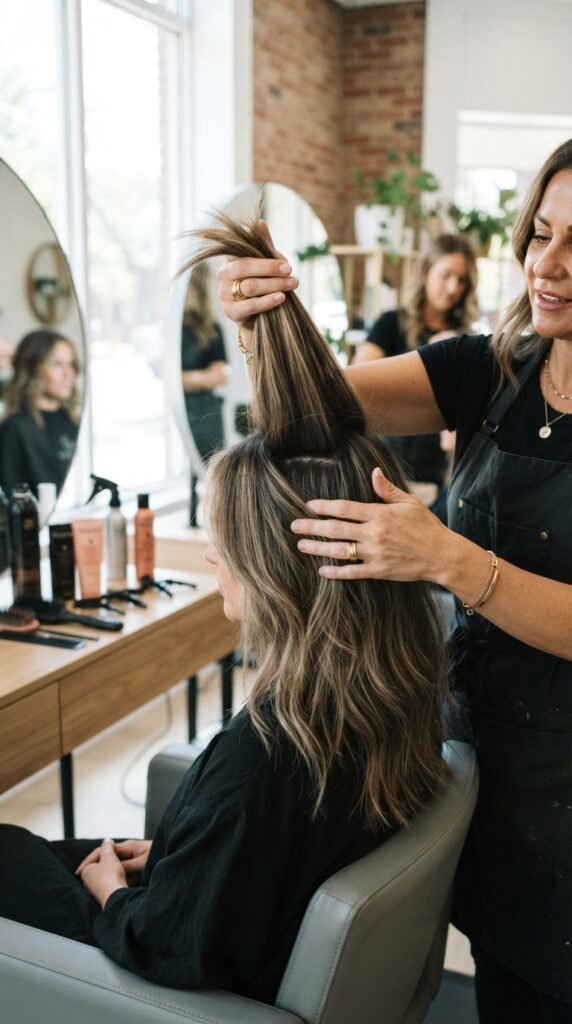
Fine & Straight Hair: The “Soft Money” Illusion
Okay, my fine-haired friends, this is your moment. If you have been skeptical about layers, hear me out. The trick is to ask for invisible or “soft” layers. These are subtle, graduated pieces that don’t remove the perimeter but add movement internally. We are aiming for that 2026 hairstyles vibe where everything looks fluid and expensive.
This technique stops the dreaded triangle effect and instead creates a smooth, swinging silhouette. It gives the illusion of density while actually making your hair look bouncier. Plus, it’s the perfect base for styling, making your hair hold a curl much better.
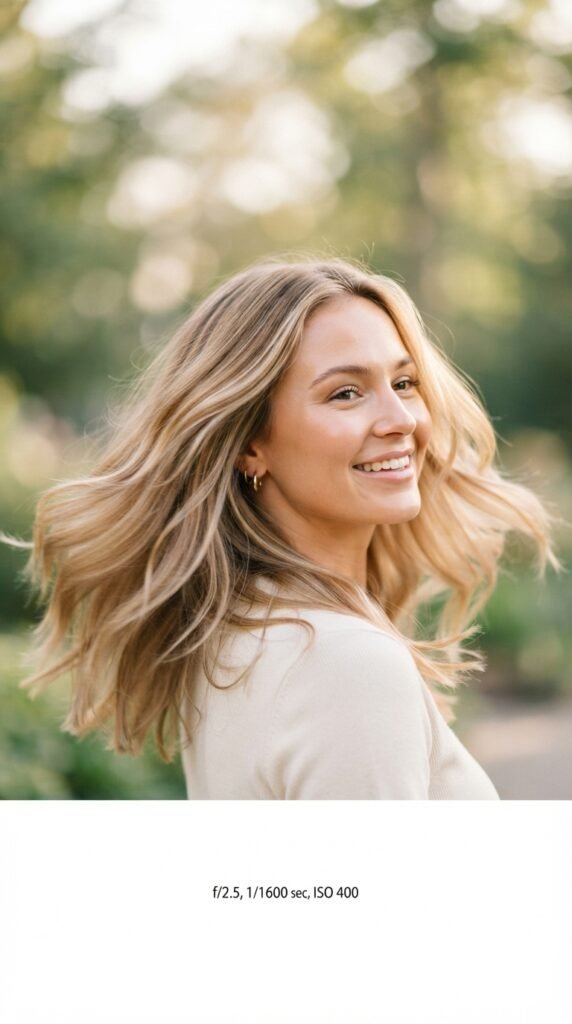
Thick & Coarse Hair: Taming the Mane
If you have thick hair, you often feel like you have too much of a good thing. You want to remove bulk without losing your natural fullness. The answer? Deep, sweeping layers that start lower, around the chin or shoulders, to keep weight at the bottom to anchor the style.
Aim for a cut that looks like a “V” or “U” shape from the back. This helps the hair sit closer to the head at the top and fan out gracefully, preventing that heavy, mushroom look. This is also a fantastic way to show off natural texture and reduce drying time by half!

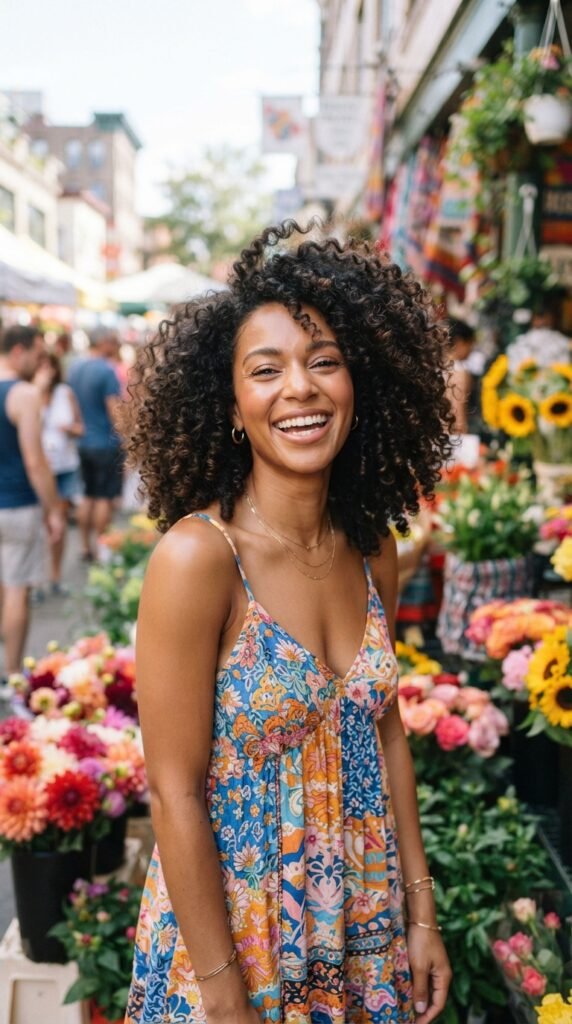
Curly & Coily Hair: Curls Need Breathing Room
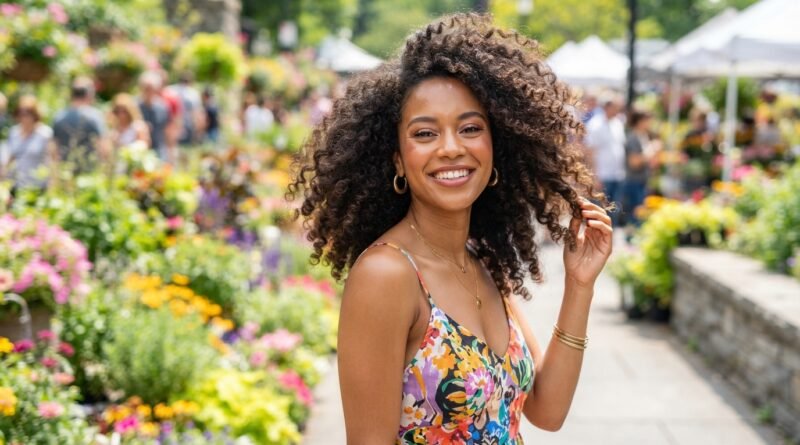
Curly locks require a completely different blueprint. Layering curly hair is like carving a sculpture—you want to enhance the curl pattern, not chop it off. You need to remove weight so your curls can spring up and have their shape seen, not hidden.
Ask for curl-by-curl cutting while the hair is dry. This ensures the stylist sees exactly how each coil falls. The goal is to release the curl and allow it to form its natural pattern, giving you an amazing shape that’s still thick and healthy at the ends.
The “Old Money” Approach to Layering
Have you heard of the quiet luxury trend? It’s all about looking polished without looking like you tried too hard. For layering, this translates to a very classic, tailored shape. Think of the old money hair aesthetic: glossy, healthy, and simply perfect.
It usually means longer layers that start around the collarbone, creating a soft frame for the face. The ends are blunt but not severe. The focus is on cut precision and hair health, giving you that understated, chic vibe that never goes out of style.
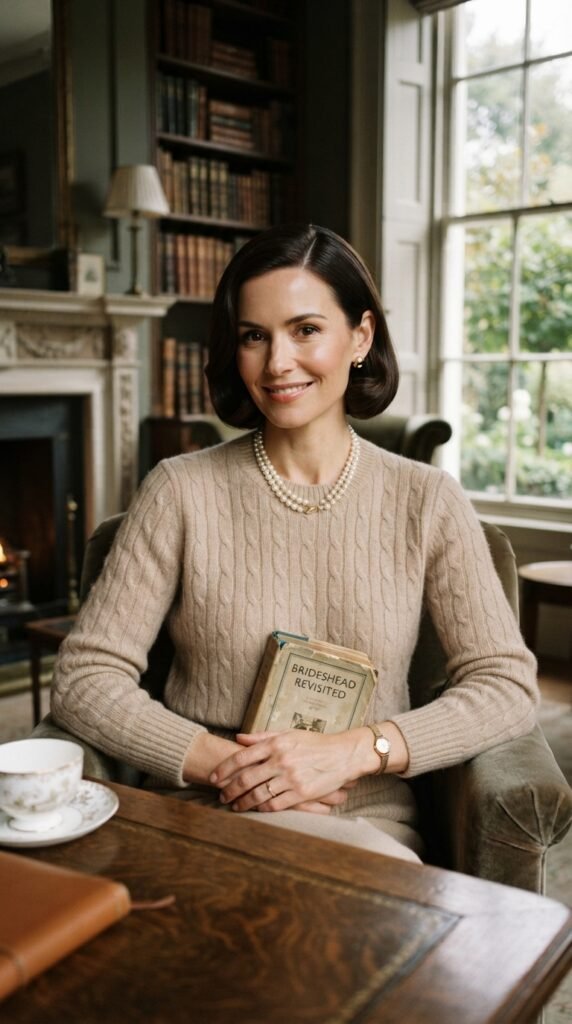
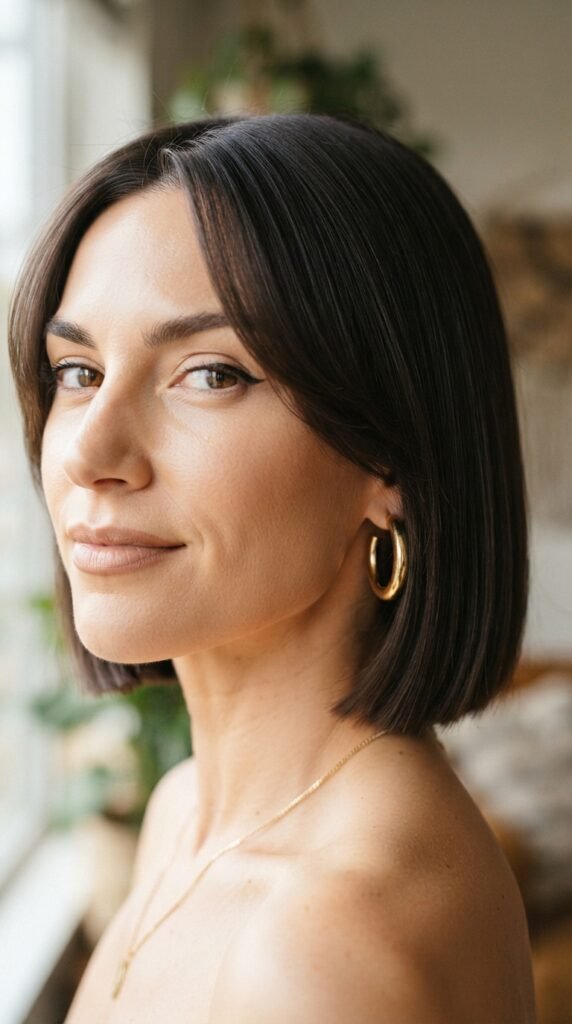
Reviving the “Quiet Luxury Bob”
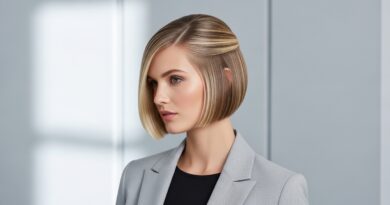
The bob is having a moment, and the quiet luxury bob is here to stay. But a bob on straight hair can sometimes look like a bowl. We fix that with subtle face-framing layers that add life and movement to the front.
These light, feathery pieces around the cheekbones and jawline take the bob from “functional” to “fashionable.” They also help the cut look incredible as it grows out. It’s the easiest way to keep that high-end salon look for weeks longer.
Face Shape: The Oval Advantage (and Challenge)
If you have an oval face, consider yourself a lucky duck. You can pull off almost any style. However, the challenge is that often “anything can work” means “nothing looks special.” You need to choose layers that add a bit of edge to your silhouette.
Because your face is balanced, you can play with bold styles. Just make sure the layers aren’t so heavily stacked that they elongate your face unnecessarily. A smooth blend that starts around the cheekbones will keep your features looking harmonious and fresh.

Round Faces: Lift and Lengthen
For my round-faced gals, the goal is to create angles that slim and elongate. We want vertical lines, not horizontal ones. So, we are avoiding round, bouncy layers that add width at the cheeks.
Instead, ask for long, sweeping layers that start at the chin or jawline and move downward. This creates a fram that draws the eye down, giving the face a lovely, sculpted look. It’s all about creating that illusion of length.

Square & Heart Faces: Softening the Edges
With a square or heart-shaped face, you have gorgeous bone structure! The trick is to soften the angles around your jaw or forehead. The most flattering layers are the ones that start at the chin and angle inward.
This “feathering” effect takes the hardness away and adds a touch of romance. It also helps balance a wider forehead with a narrower chin. You want pieces that kiss the cheekbones and play up your natural beauty, not compete with it.

Fixing Flat Roots Instantly
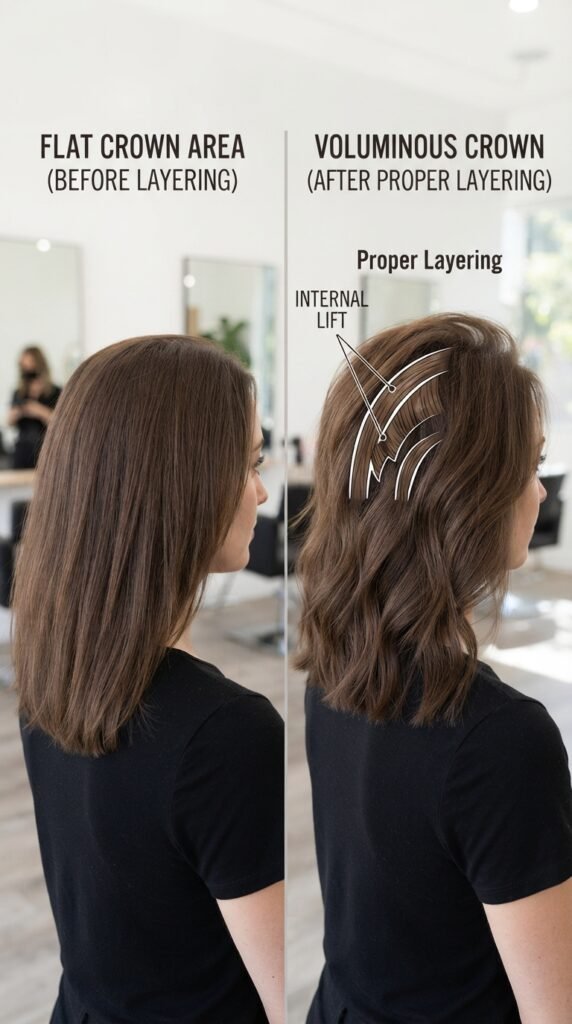
The one thing every flat-hair girl dreads is that lack of lift at the crown. Even with the best cut, you need a little help. This is where your stylist’s technique comes in—layers should create natural lift at the roots.
If the interior layers are cut too short, they can actually weigh the roots down. Ask for a graduated cut that creates an internal cushion of hair. This gives you a natural volume boost without having to backcomb your hair into oblivion.
The “Vampire Haircut” Trend
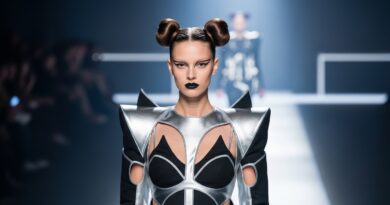
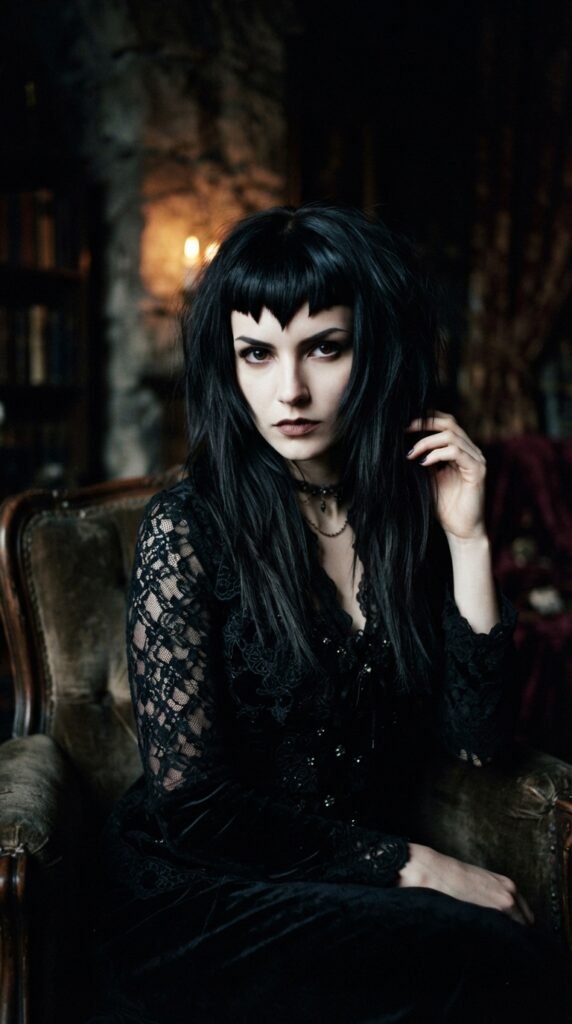
Okay, let’s talk 2026 hairstyles trends. One of the coolest is the vampire haircut. Don’t worry, no fangs required. It’s a rad, alternative cut that maximizes texture and movement, often with sharp, face-framing pieces.
It works because it utilizes heavy, blunt layers in the front that blend into longer lengths. The result is dramatic, cool, and modern. It’s the perfect way to dip your toes into a more edgy look without going full punk rock.
Rocking the “Hime Cut” With Layers
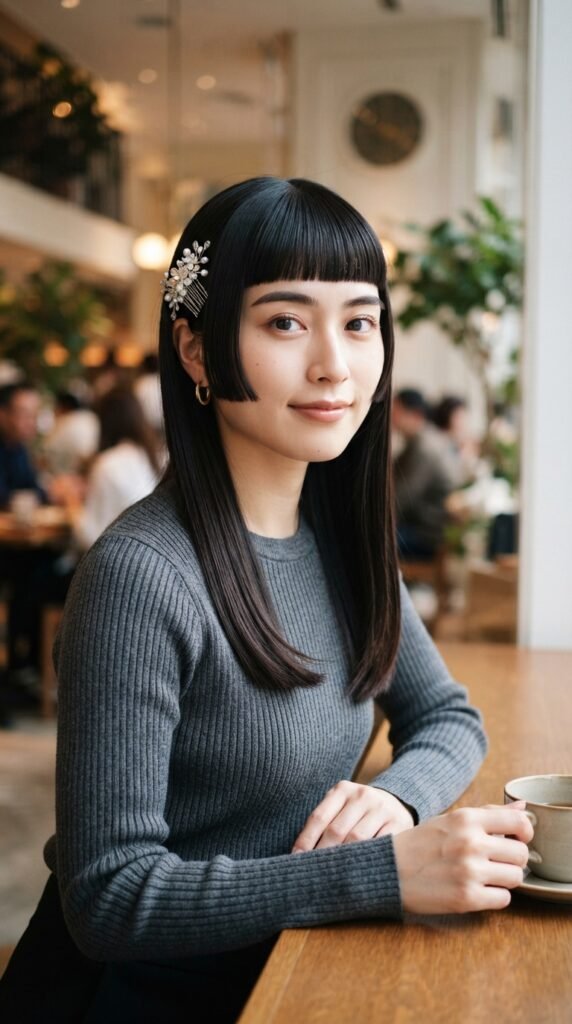
Have you seen the hime cut? This is a very distinct style featuring straight bangs and sharp side-locks. It’s a bold statement, but you can absolutely adapt it with some blending for a softer daily wear.
The magic is in the layering between the side-locks and the main back length. This seamless blend keeps the shape intact but prevents that severe “wig” look. It’s a fun, sexy style for those who aren’t afraid to be noticed.
Taking It To The Next Level: The Asymmetrical Lob
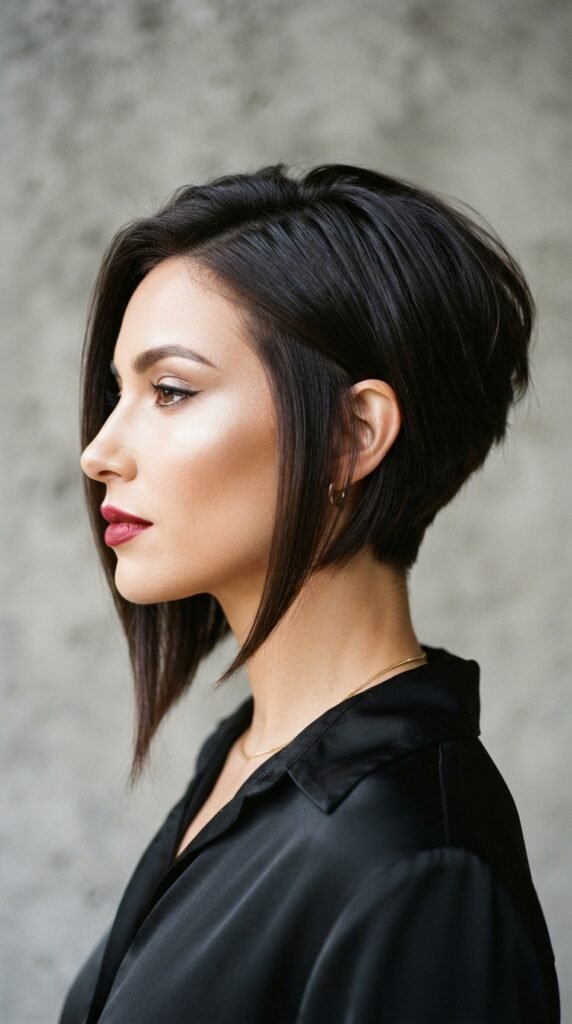
If you’re ready for a change, an asymmetrical lob is the perfect game-changer. This cut is a one-length to the front, with a stacked back that adds tons of movement and style. It’s the perfect haircut to show off a pair of statement earrings.
This cut is great for getting a bit of that “glitchy glam” feel because it looks sharp and intentional. The uneven length keeps the eye moving and adds an element of surprise to your otherwise classic style.
Growing Out a Short Cut Gracefully
You finally decided to grow out your pixie or bob, and now you’re stuck in the “mullet” phase. This is the phase where proper layering saves your life. By adding strategic layers, your stylist can blend the shorter pieces into the longer ones seamlessly.
This creates shape and style while you wait for your hair to gain length. It’s all about embracing the process and letting the cut shape the transition period, so you never have to wear an awkward hat 24/7 again.
Layering for Damaged or Thinning Hair
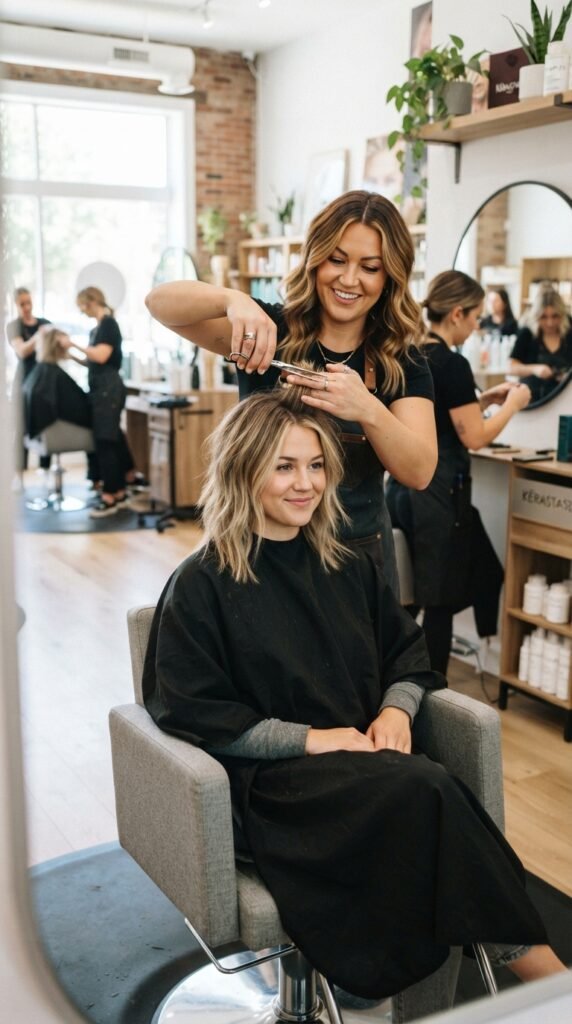
Listen, we’ve all been there after too much bleach or heat. When your hair is fragile, the thought of layers can be scary. But actually, the right ones can make damaged hair look healthier by removing the dead weight of split ends.
The trick is keeping the layers very minimal and concentrated on the ends. It creates texture and volume without sacrificing the length you are fighting to keep. This is all about faking fullness, and the cut plays a huge role.

Quick Styling for Layered Hair
A great cut is only half the battle. The other half is going home and making it work. The easiest hack is to just embrace air-drying. With the correct layering, your hair will naturally fall into place with minimal manipulation.
When you do use heat, avoid heavy round brushes. Use a flat brush to just smooth the roots and let the mid-lengths do their own thing. This is where you get that effortless, lived-in look that everyone loves.

The “Texturizing” Secret Weapon
Ask your stylist for texturizing—this is different from regular layering. While layers remove weight, texturizing adds movement by softening the ends of those layers. Think of it as feathering the edges to make the hair look more fluid.
This is especially great for straight hair that tends to look piece-y and sharp. It gives you that “romantic gothic” vibe where your hair feels soft, tousled, and not perfect. It’s messy in the best way possible!
Don’t Fear the Razor: Creating Edge
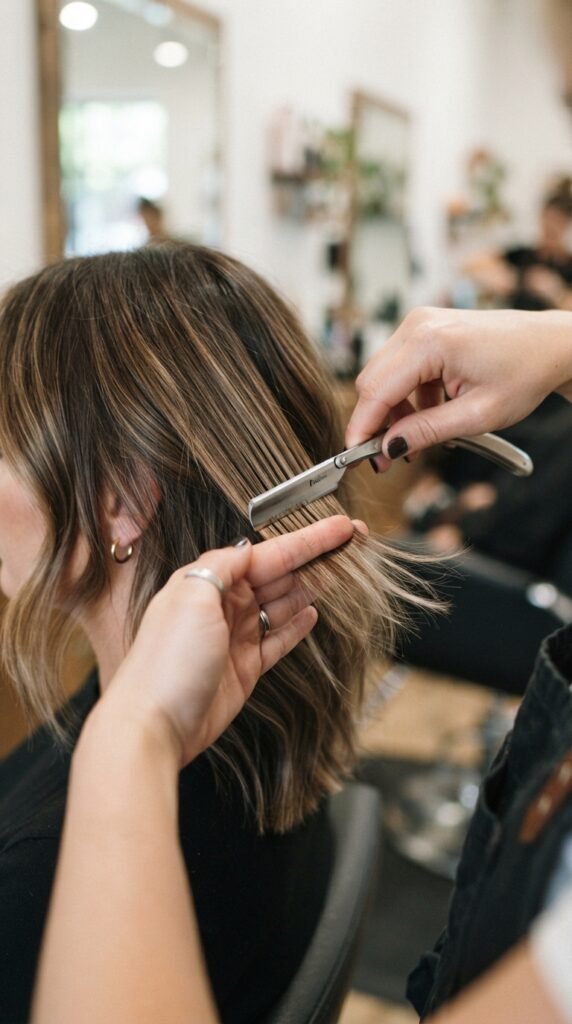
Many stylists use a razor for certain cuts, and it’s not to scare you! Razor cutting is amazing for creating an undone, wispy texture that scissor cutting can’t always achieve. It creates a softer edge and allows for an edgier style, perfect for those “glitchy glam hair” moments.
It removes the weight in a different way, giving the hair more sway and movement. It’s a secret weapon for creating that cool-girl styling. Just ensure your hair is dry and clean before a razoring session to avoid fraying!
What About Bangs and Fringe?
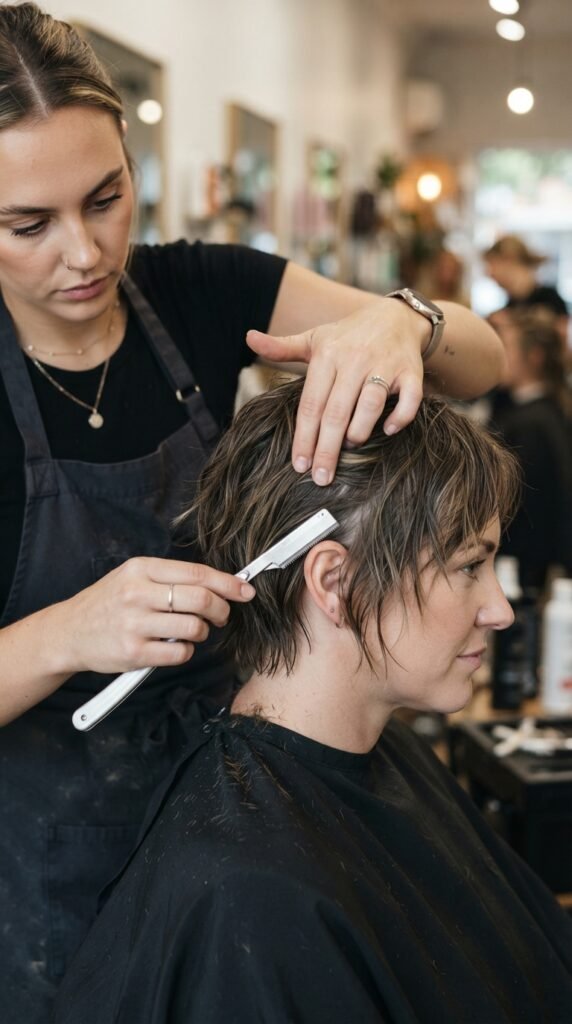
Bangs are like a face lift for your mood, right? When choosing bangs, make sure the layers in your main hair support the shape of your fringe. If you have heavy side bangs, the layers around the face should blend into them.
This prevents having a disconnected look where your bangs feel like a separate entity from your haircut. When they blend seamlessly, it looks expensive and intentional. Plus, it gives you more styling options!

Keeping the Shape With Maintenance
The honest truth? Layers don’t last forever. They grow out and the shape starts to disappear. To keep that salon-fresh shape and volume, you have to go for trims regularly. I know, I know, it feels counterproductive when you’re trying to grow it out.
But a 1-inch trim every 8-10 weeks will keep your layers crisp and your volume high. This is the “old money” approach—regular upkeep keeps everything looking wealthy and polished. It’s just part of the relationship with great hair.
Products That Make Layers Shine
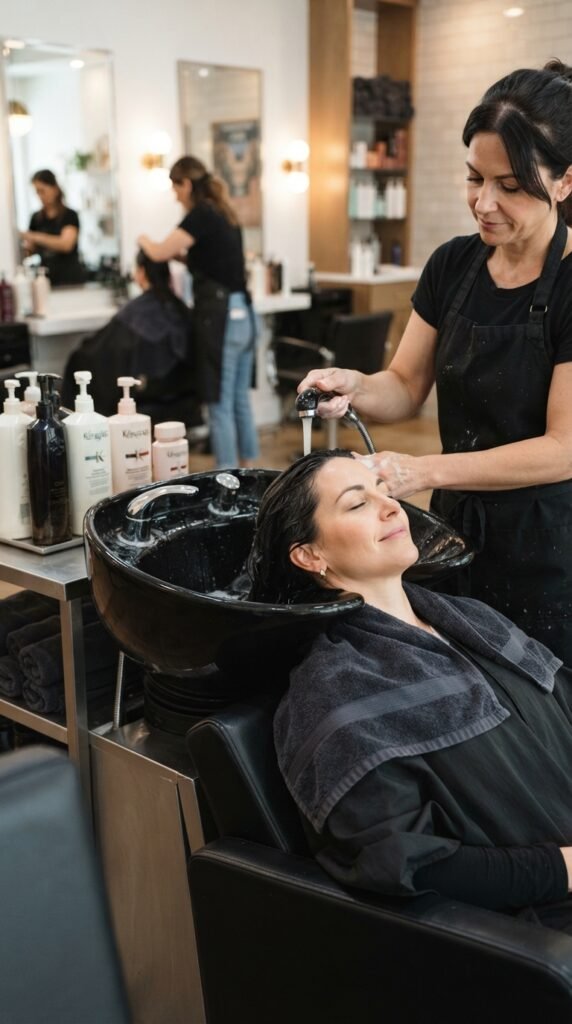
You can’t talk about style without product. The right product can make a mediocre cut look incredible. For layered styles, you need something that adds hold and texture without making your hair stiff or crunchy.
Look for lightweight mousse or a sea-salt spray. Apply it to your roots and mid-lengths before blow-drying, and then just scrunch the ends as you dry. This creates natural, piece-y definition with insane volume. Leave-in conditioner is also key to keep the ends from looking frizzy.
Your Hair Type’s “Soul Mate” Cut
Let’s do a quick recap to match you with your perfect style. If you have fine hair, you are dating the classic bob. If you have thick hair, you’re wondering what happened to the party? Actually, you’re going for those long, weighted layers.
If you have wavy hair that can’t decide what it wants to be, consider the lob. If you have curly hair, you need a cut that lets your ringlets shine. And if you have straight hair that wants a fashion moment, you’re looking at the vampire or gothic-inspired cuts.

Final Thoughts: Just Try It
Here is the thing—hair grows back. The worst case scenario is a few months of a slightly awkward shape, and the best case scenario is falling in love with your reflection again. Don’t be afraid to walk into that salon with a picture and a plan.
Find a stylist who listens to your specific hair struggles and texture concerns. Communicate exactly what you feel when you touch your hair, and what you want it to feel like after. We are so used to talking about style, but we need to talk about technique, too.
Take a deep breath, book that consultation, and get ready to give your hair the lift it’s been begging for. I promise, the right layers are out there waiting for you!
Alright, gorgeous, are you feeling inspired to text your stylist yet? I hope so! If you found this guide helpful, make sure to save this post to Pinterest so you can pull it up at your next salon appointment. I’d also love to hear your hair story—what’s your hair type, and what kind of layers are you dreaming about? Tell me all about it in the comments below! I read every single one.