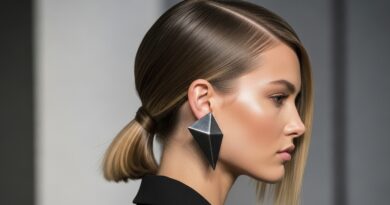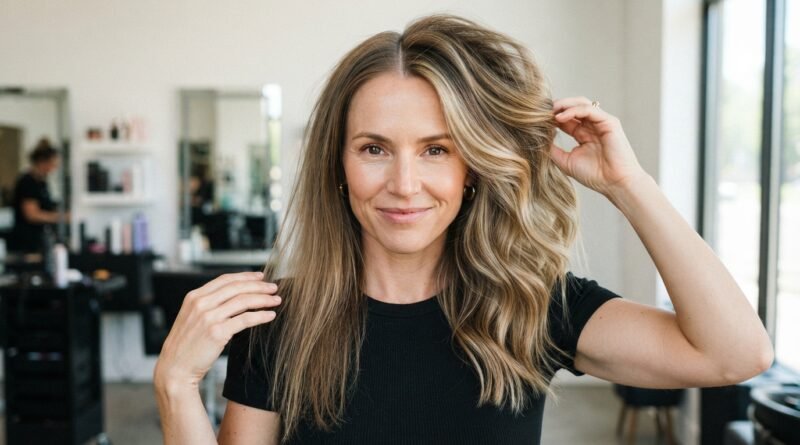
From Thin To Thick Looking Hair Using Strategic Highlighting And The Right Layering
Hey friend, let’s talk about something real. If you’ve ever looked in the mirror and wished your hair had more body, you’re not alone. Thin hair can feel frustrating, but here’s the good news: you don’t need a drastic change to see a big difference. Strategic highlights and the right layering can make your hair look thicker, fuller, and way more alive in just one salon visit.
This is the kind of styling that feels very 2026 — think soft dimension, face-framing pieces, and cuts that move with you. No heavy helmets, no obvious streaks. Just smart, subtle tricks that create the illusion of density. It’s all about working with your natural texture to get the most from every strand.
By the end of this post, you’ll know exactly what to ask for and how to style it. Ready? Let’s dive in.
Why Thin Hair Looks Flat (and How to Fix It)
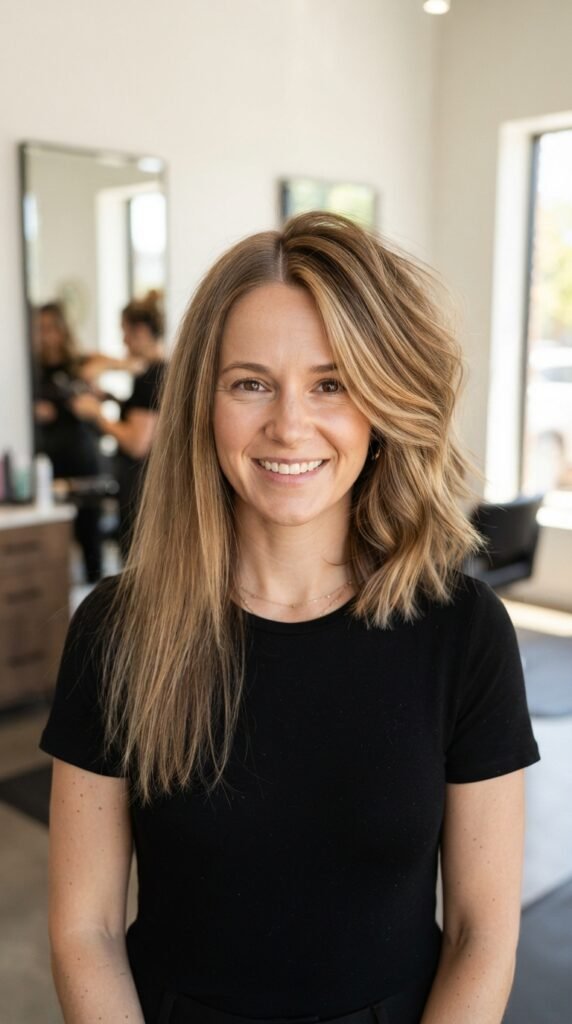
Thin hair tends to fall flat because there just isn’t a lot of bulk to hold shape. A one-length cut or a single flat color makes it worse. Without contrast or movement, your hair can look stuck to your head.
That’s where strategic highlighting saves the day. This is one of the most flattering 2026 hairstyles tricks because it works with your natural texture. Lighter pieces catch the light, darker pieces create shadow, and together they trick your eye into seeing density. Add layers that frame your face and lift at the crown, and suddenly your hair has a lot more life.
You don’t need extensions or heavy products—just a smarter approach. It’s a simple change, but it changes everything.
Strategic Highlighting: The Basics
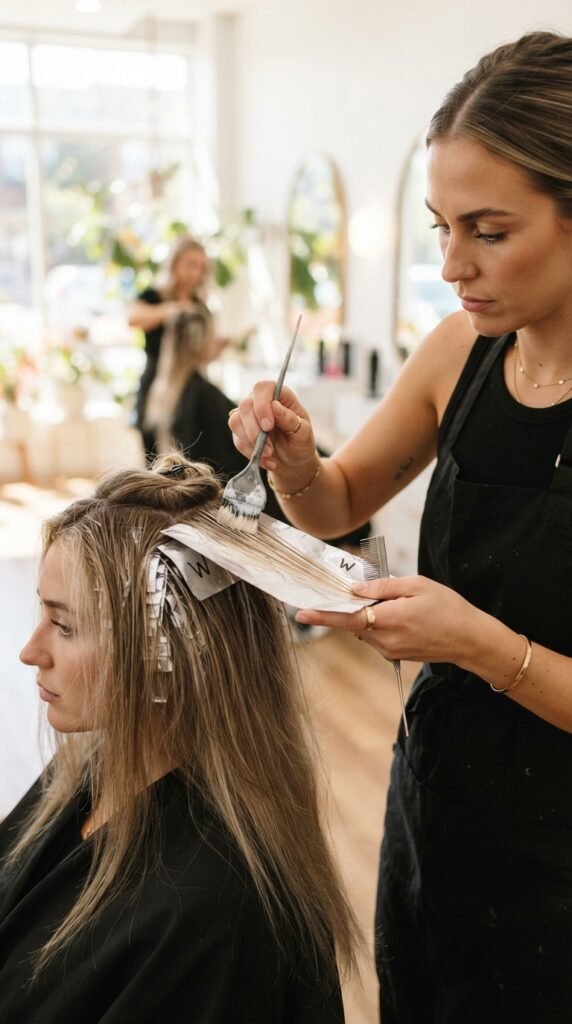
Strategic highlighting is really just visual contouring for your hair. Light pieces bring areas forward, deeper pieces create shadow. Place the lighter shades near your face and at the top of your head, and keep the underneath slightly darker. The goal is balance, not bleach.
This is one of the smartest 2026 hairstyles tricks because it works with your natural texture instead of against it. It adds the appearance of density without making your hair feel heavy. You get volume and movement from color alone.
No harsh stripes, no chunky foils—just a soft glow that makes everyone think you were born with thick hair.
The Best Highlight Colors for Thin Hair
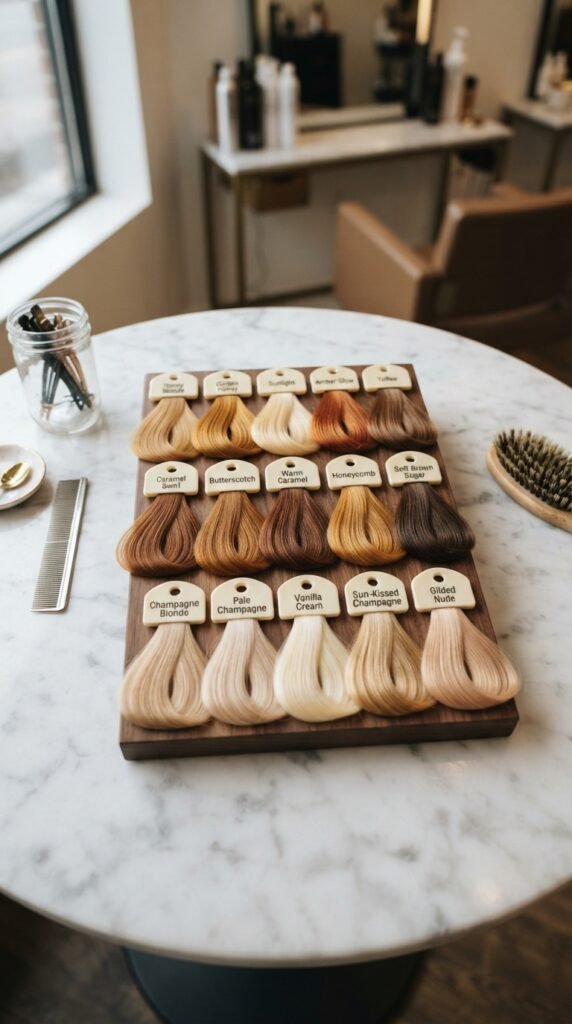
For thin hair, stick with shades that are only a few levels lighter than your base. Too much contrast can make strands look separate and thinner. Soft honey, caramel, champagne, or ash beige are all gorgeous options.
This is where old money hair vibes really shine. Think quiet, expensive-looking color that doesn’t scream for attention but still adds depth. Warm tones reflect more light, which automatically creates fullness. It’s the kind of color that works for 2026 and beyond.
If you want a bolder look, keep the brighter pieces just around the face—it’ll still read as dimensional, not flat. And a little brightness goes a long way when your hair is fine.
Balayage vs. Foils: Which Adds More Volume?
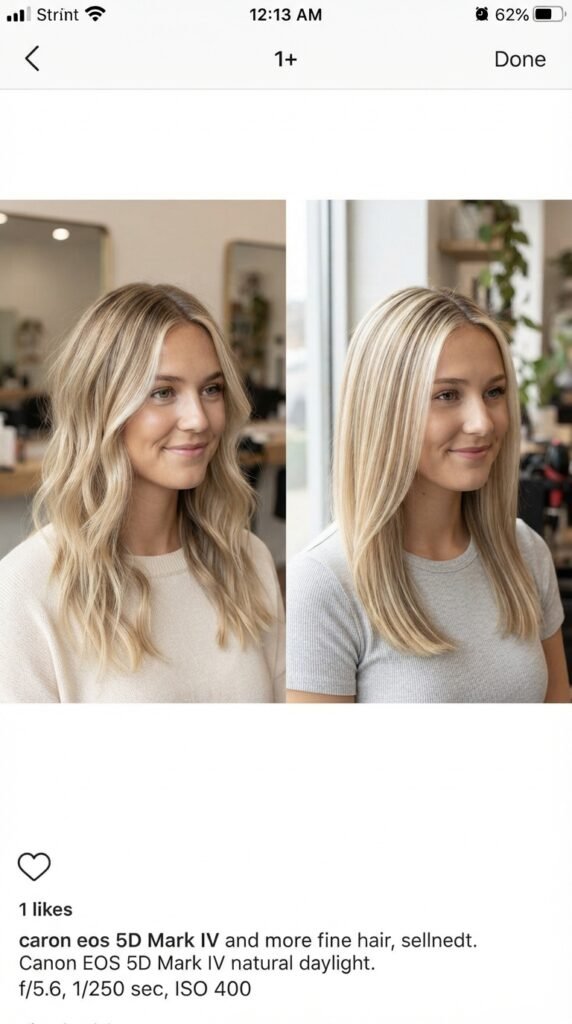
You might be wondering if you should ask for balayage or traditional foils. Balayage is hand-painted, which gives soft, blended dimension. It’s amazing for thin hair because you can place the lighter pieces exactly where you need fullness.
Foils create more dramatic, all-over brightness. They can be great, but they can also feel too heavy or stripey if not done carefully. I usually steer my friends toward balayage for exactly that reason.
For a natural, voluminous look, balayage or very fine babylights are usually the way to go. They create that soft, sun-kissed depth without overwhelming fine hair.
Money Piece Highlights for Instant Thickness

If you’re looking for the quickest win, ask for a money piece. This is a brighter section of color around your face, usually applied near the front and around the cheekbones. It’s like an instant spotlight for your best features.
It works for thin hair because it draws the eye forward and gives the illusion of a fuller, more lifted frame. The rest of your hair can stay more natural, which helps with depth.
A money piece is also super easy to maintain. It’s one of those 2026 hairstyles that feels fresh, editorial, and still totally wearable for everyday life.
Face-Framing Layers That Actually Work

Layers can be your best friend, but only if they’re cut the right way. The trick is to keep them on the longer side—starting around your chin or collarbone. This lets you get movement and shape without sacrificing density.
I like asking for face-framing layers that blend from the cheekbones down. They add softness around your face and make the rest of your hair look heavier and fuller. It’s subtle, but it makes a big difference.
Avoid choppy, super-short layers. Those can make thin hair look stringy and disconnected. Trust me, longer and softer is the way to go.
The Quiet Luxury Bob for Fine Hair

If you’re ready for a change, the quiet luxury bob is one of the most flattering cuts for thin hair. It’s a chic, chin-length bob with a polished, effortless feel. Think old money lunch, not trendy overkill.
Because the cut is blunt-ish and precise, it makes the hair look denser at the ends. Add soft highlights around the crown for extra lift. It’s one of my favorite 2026 hairstyles for women who want polish without a lot of work.
This cut works beautifully with natural movement, and it’s easy to style at home with a round brush or a flat iron.
Old Money Hair: Soft Layers and Subtle Dimension
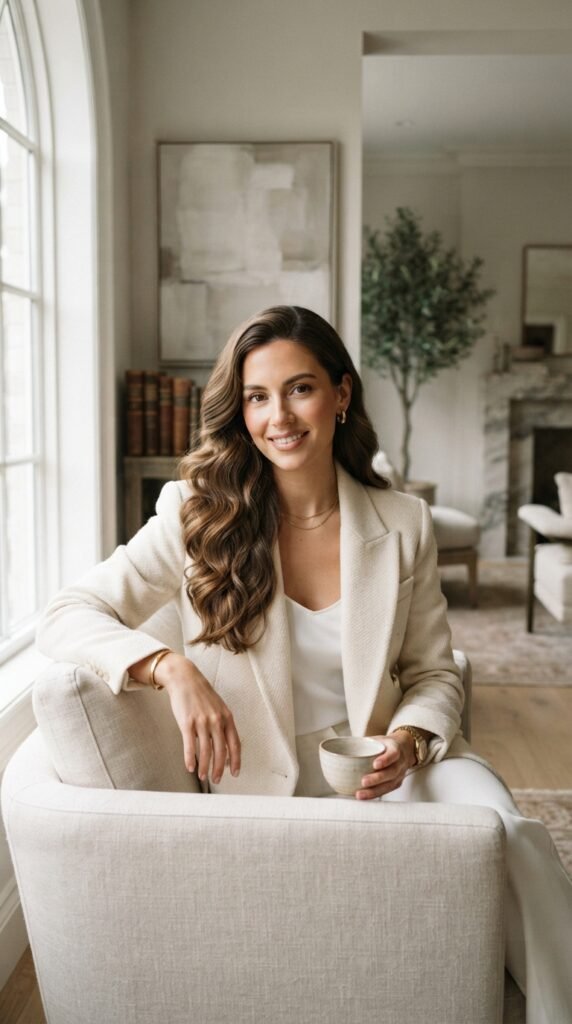
Old money hair is all about relaxed, expensive-looking simplicity. Think soft layers that never look choppy, and color that looks naturally sun-lightened rather than striped.
For thin hair, this trend is a game changer. The low-contrast dimension adds depth without exposing your thinner spots. It’s elegant, timeless, and very flattering. It also pairs perfectly with a quiet luxury bob if you want to go shorter.
Ask your stylist for fine highlights and long, blended layers. The goal is to look like you woke up with perfect, thick hair—not like you spent hours getting it done.
The Asymmetrical Lob: A Game Changer
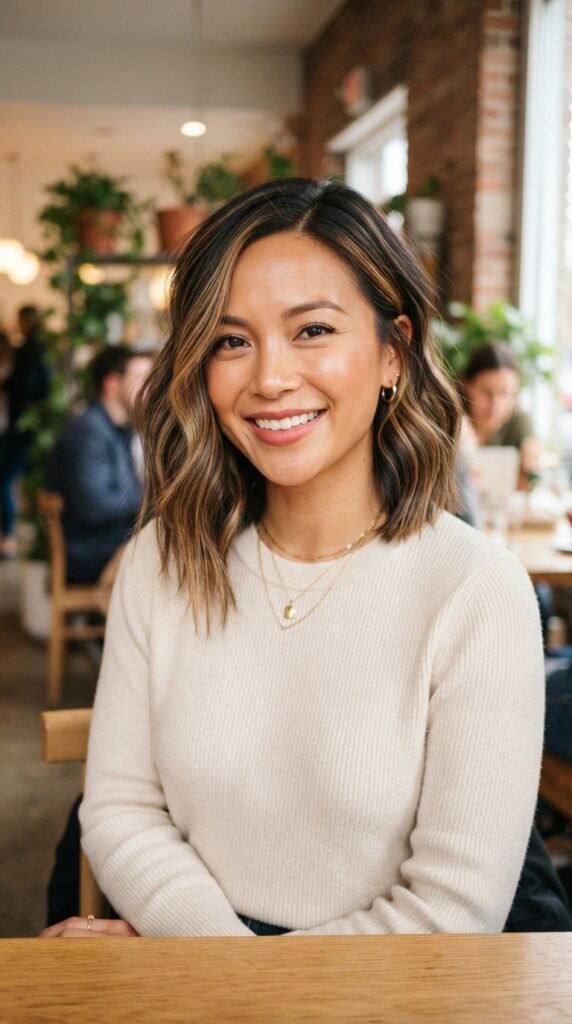
An asymmetrical lob is a lob that’s cut shorter on one side and longer on the other. It might sound subtle, but it makes a huge difference for fine hair.
The uneven line creates movement and makes the hair look like it has more density than it actually does. It also feels very modern and fashion-forward, without being hard to style. Plus, you can wear it straight or wavy.
This cut pairs beautifully with a money piece or soft balayage. It’s a perfect mix of practicality and 2026 energy. It’s one of my absolute favorites for fine hair.
Vampire Haircut: Dark, Dimensional, and Full-Looking
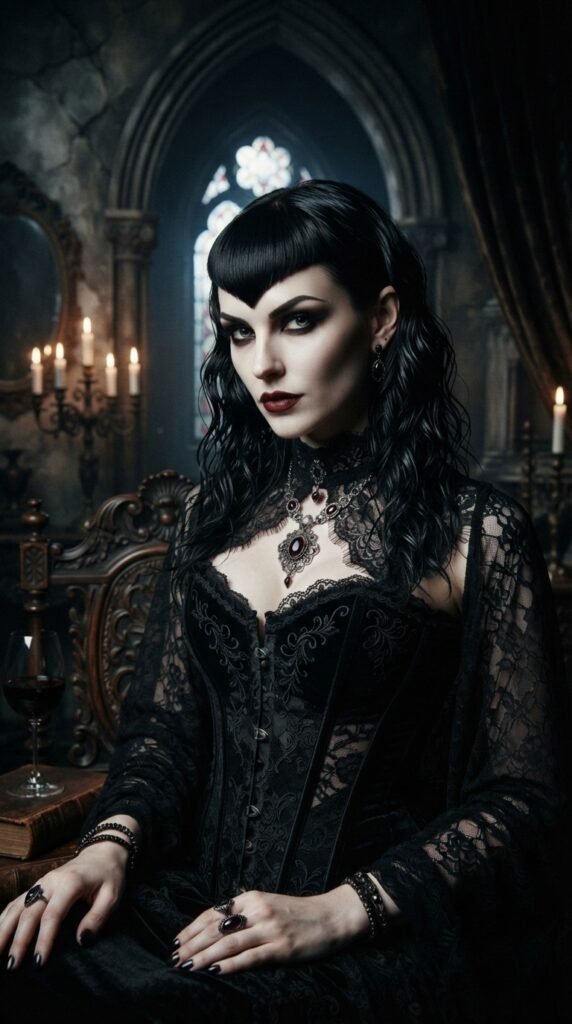
Have you heard about the vampire haircut? It’s a moody, textured cut that leans into dark, rich color and soft face-framing movement. It might sound intense, but it’s actually amazing for thin hair.
Dark hair reflects light better, which makes strands look healthier and thicker. Add deep burgundy or chocolate highlights for subtle dimension, and the volume illusion gets even stronger.
This look fits right in with romantic goth hairstyles, but you can tone it down for daytime by keeping the color soft and the layers long.
Romantic Goth Hairstyles for Thin Hair
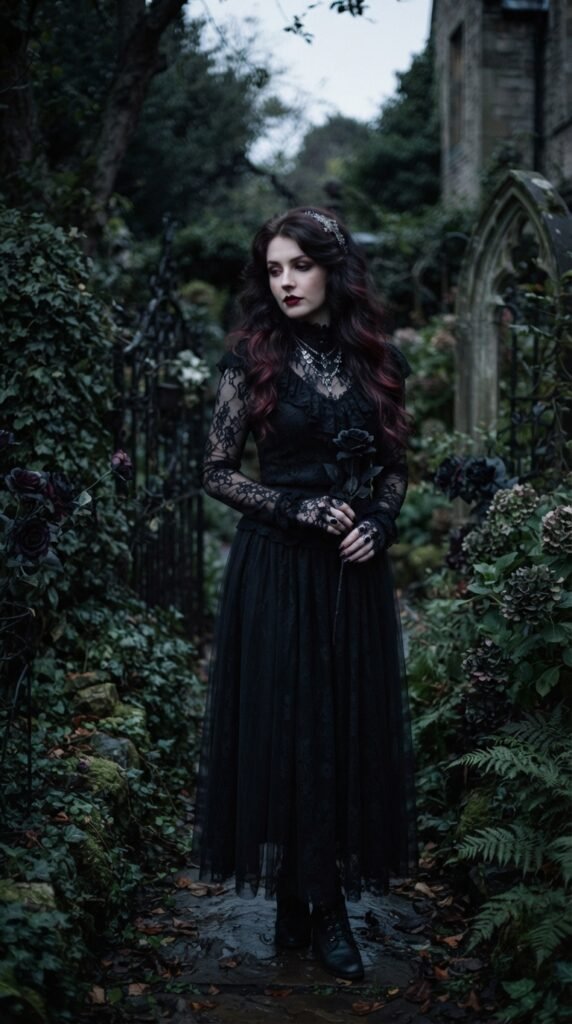
Romantic goth hairstyles are having a serious moment in 2026. They combine dark, moody color with soft, feminine shapes. Think wispy tendrils, gentle waves, and a touch of drama.
For thin hair, this trend works well because it leans on texture and movement, not bulk. The dark base gives a dense appearance, while subtle lighter pieces add dimension. It feels romantic without being fussy.
Ask for long layers and no heavy product. The goal is effortless, slightly mysterious volume. You can even try a dark money piece for that extra gothic glow.
The Hime Cut: Surprisingly Volume-Friendly?
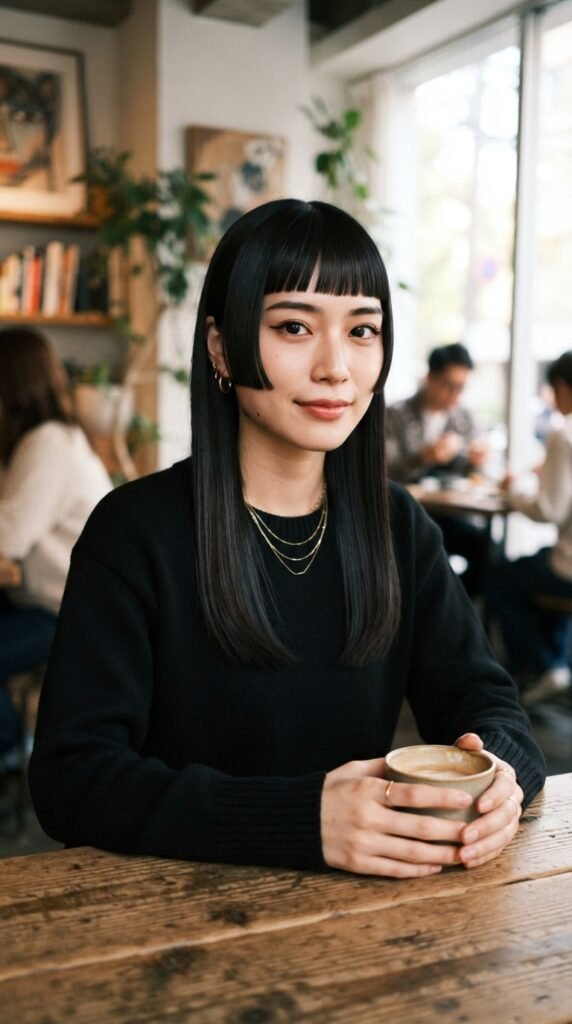
The hime cut might feel bold, but it’s actually a hidden gem for fine hair. It has a blunt fringe and short, sharp pieces that frame the face, with the rest left longer.
Those precise lines give the illusion of density because they create a solid shape. The key for thin hair is to keep the back layers soft and blended, so you don’t lose weight.
It’s a striking look that feels fresh for 2026. If you’re brave enough to try it, you’ll get a style that’s anything but flat.
Glitchy Glam Hair: Edgy Highlights and Texture
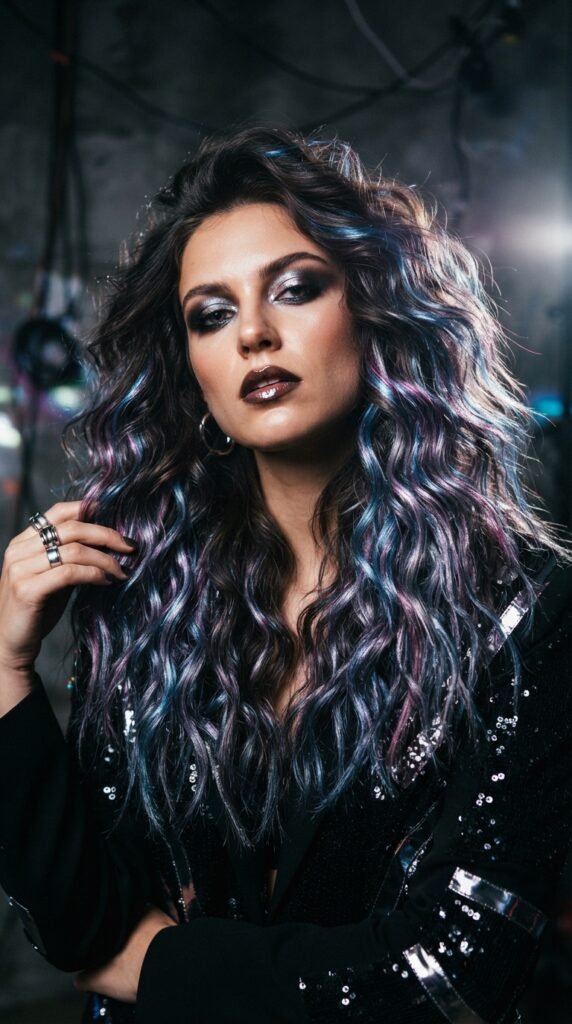
If you love a little fashion-forward edge, glitchy glam hair is for you. It’s all about shiny, slightly metallic highlights and playful texture that catches the light. It’s one of the most fun 2026 hairstyles to experiment with.
For thin hair, the shine is the secret. When strands reflect more light, your hair instantly looks healthier and thicker. Add gentle crimped or waved sections for even more volume.
Just keep the highlights fine and well-blended. You want glitch, not gray streaks. This trend is perfect for those days when you want your hair to feel like art.
How Low vs. High Contrast Affects Volume
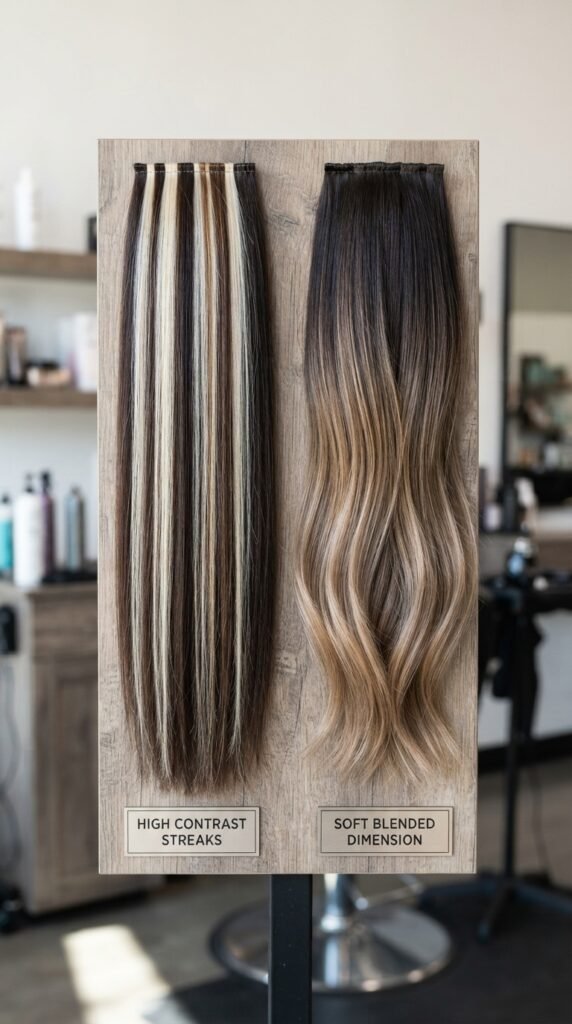
Contrast is the difference between your base color and your highlights. In 2026, low-to-medium contrast is the sweet spot for thin hair. This is the old money approach, basically.
High-contrast pieces, like chunky blonde streaks against dark hair, can make fine strands look even stringier. Soft, blended dimension creates shadows that make hair appear denser. It’s the difference between looking highlighted and looking striped.
Ask for highlights that are only two or three shades lighter than your natural base. This keeps things natural, expensive, and full-looking. Trust me, your hair will look so much healthier.
Layering Tricks for Fine Hair at Home
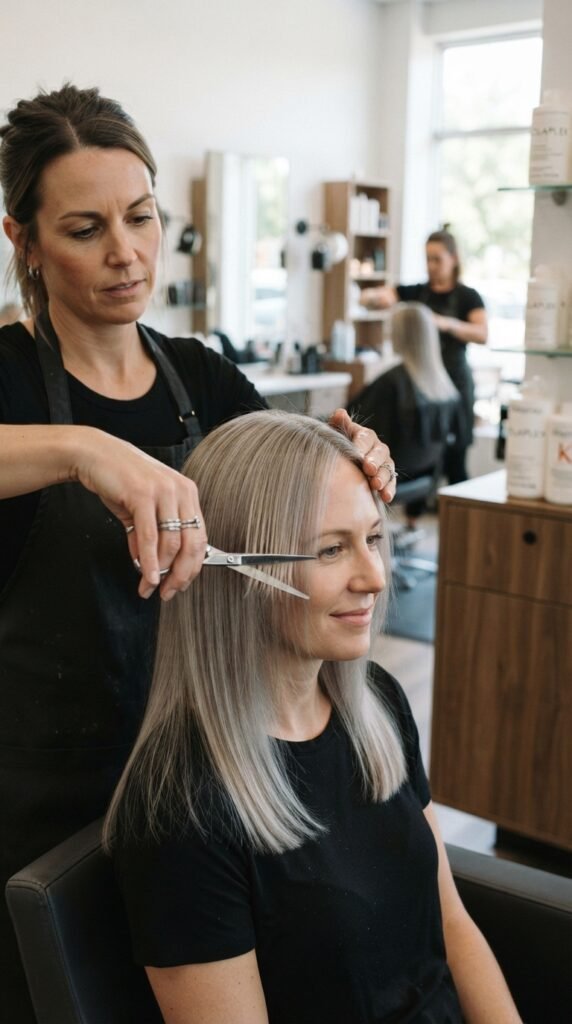
You don’t need to be a pro, but understanding a few layering tricks can change your conversations at the salon.
Ask for “invisible layers” or “slide cutting.” These techniques remove just enough weight to create shape without making your hair look sparse. Avoid razors, which can shred fragile ends and make thin hair look wispier.
If you’re trimming at home, never cut straight across a thin section—use a point-cutting technique to soften the ends and keep them feeling thicker. It’s a small detail with serious payoff.
The Right Part for Fuller-Looking Roots

Something as simple as changing your part can make thin hair look instantly thicker. A deep side part creates the most root lift because the hair sits higher on one side. It’s honestly the easiest volume hack I know.
A middle part can feel modern, but it often pushes hair flat against the scalp. If you want volume, switch to a side part or use your fingers to create a subtle zigzag part.
Pair that with a little root-lifting spray and you’ll be shocked at the difference. It takes two seconds but makes a big difference.
Products That Make Highlights Pop and Hair Look Thicker
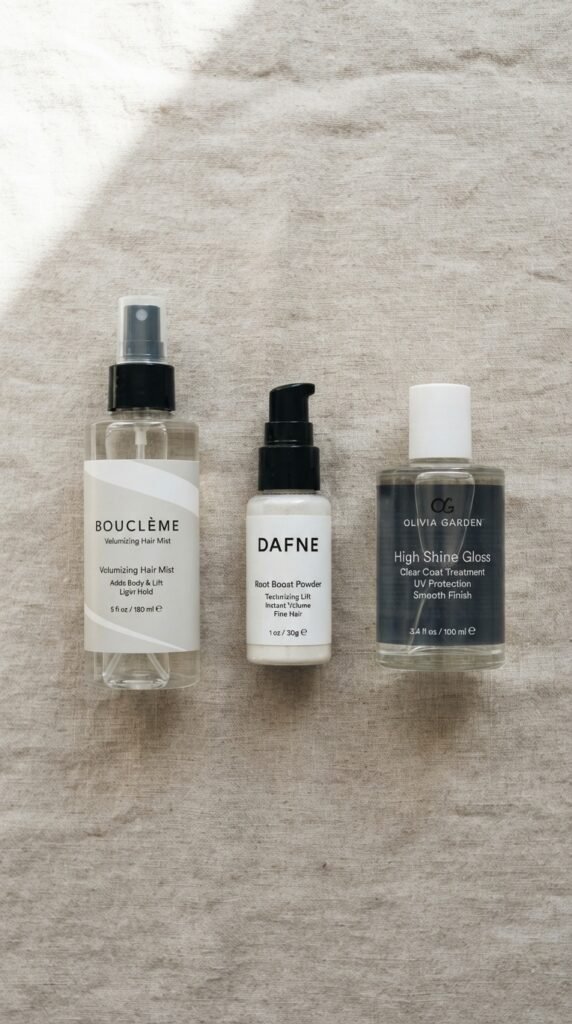
The right products can amplify your highlights and make your hair look fuller in seconds. But you have to pick carefully. This is especially true after a fresh highlight appointment. And the best part: they don’t break the bank.
- Volumizing mousse at the roots for lift
- Texturizing spray through the ends for grit
- Root powder to disguise any sparse spots
- Clear gloss for a high-shine finish
- Dry shampoo at the crown for instant volume
Avoid heavy oils and butters that flatten fine hair. The goal is light, bouncy, shiny movement.
Try switching up your current routine for just one week and see how much body you get. It’s the easiest way to keep your layers looking their best.
Blowout Tips to Maximize Your Layers
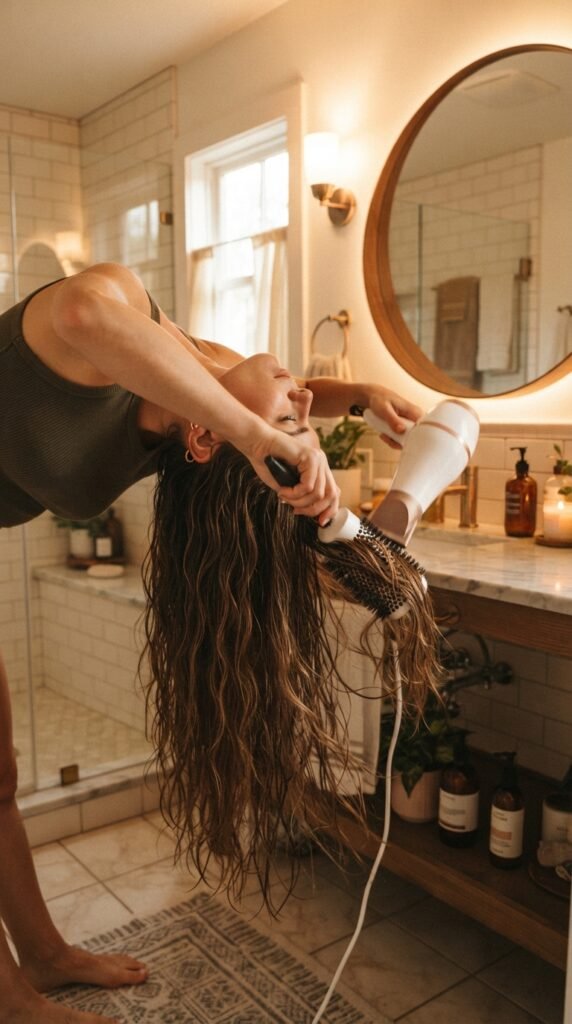
A good blowout can make your layers do all the heavy lifting. Start with a heat protectant and a volumizing mousse on damp hair. The right technique matters more than any expensive tool.
Flip your head upside down and dry the roots first—this gives instant lift. Then use a round brush to roll the ends slightly inward or outward, depending on your layers.
Finish with a blast of cool air to set the volume. This works beautifully with every cut we’ve talked about, especially the quiet luxury bob. Your hair will feel salon-fresh without the salon price. Trust me.
Haircut Maintenance for Long-Lasting Volume
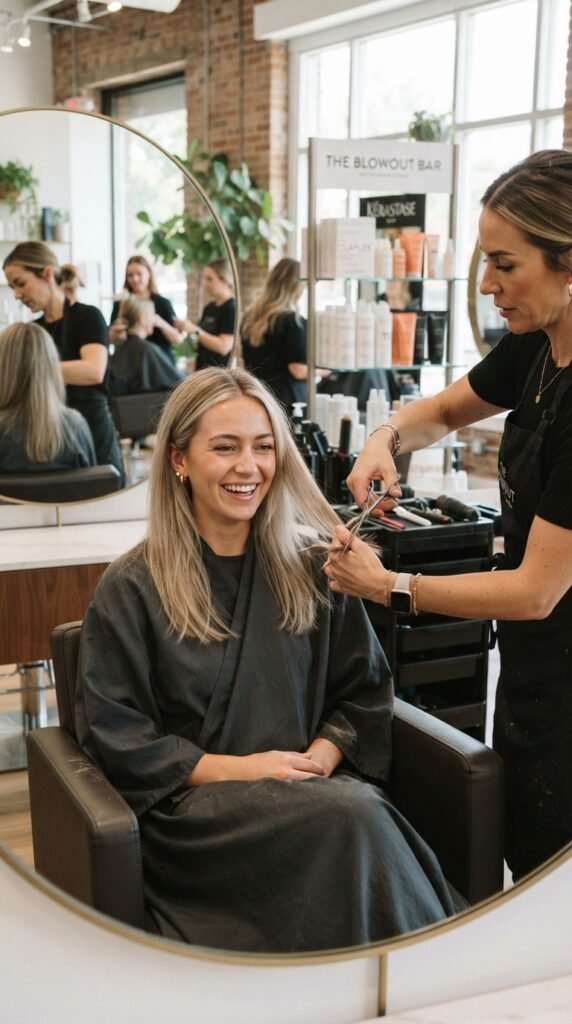
To keep your thin-to-thick illusion going, maintenance matters. I recommend a trim every six to eight weeks to refresh your layers and remove split ends.
Highlights also need a little love. A toner or gloss appointment between full color sessions keeps the dimension looking fresh without over-processing your hair. It’s all about working smarter, not harder.
Deep conditioning once a week helps strands stay plump and smooth, so they reflect light the way they should. It keeps your highlights looking fresh and your ends feeling strong. Happy hair always looks thicker. And always ask your stylist what they suggest for your specific hair type.
What to Ask Your Stylist for Thin to Thick Hair
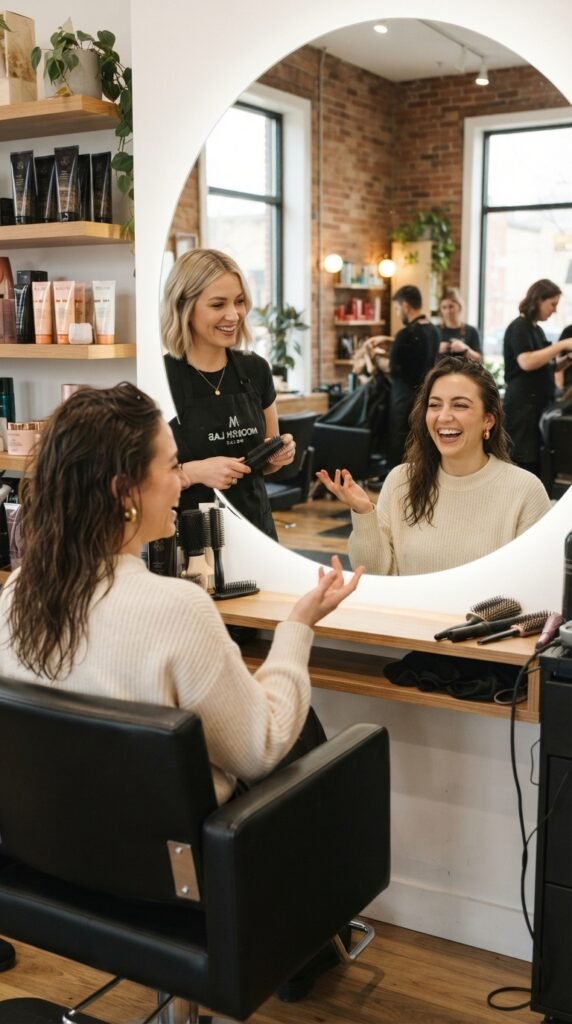
Walking into the salon prepared is half the battle. Say this: “I want my hair to look fuller, not shorter. Can we add soft layers and keep the ends strong?” Trust me, it works.
Ask for fine babylights or a soft balayage rather than chunky foils. Also say, “Please don’t use thinning scissors on me.” You’ll leave with exactly what you wanted.
Bring a photo of a quiet luxury bob or old money hair as inspiration. The more specific you are, the better your results. A good stylist will appreciate how clear you are.
A Quick Weekly Routine for Fuller-Looking Hair
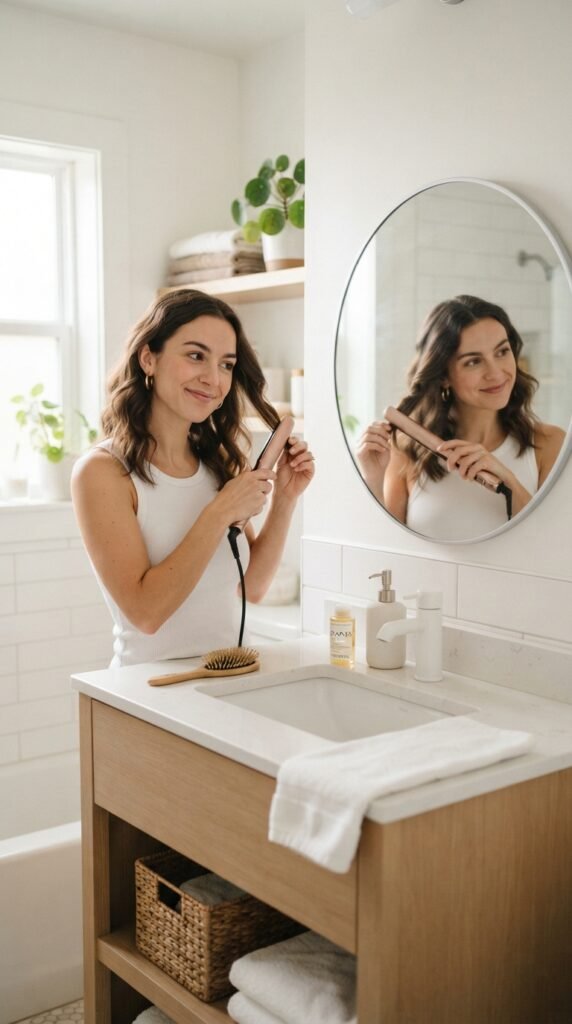
Consistency helps even the best haircut. You don’t need a million products, just the right ones. Here’s my simple weekly rhythm for keeping fine hair looking thick:
- Lightweight volumizing shampoo and conditioner
- Dry shampoo at the roots on off days
- Soft blowout with a round brush
- Hair oil only on the ends, never the scalp
- Silk pillowcase to reduce breakage
Once a week, do a bonding treatment to keep strands strong and smooth. It’s especially helpful if you have color-treated hair. Your layers will thank you.
That’s it. Small habits that add up to major volume. Try this for a few weeks and your hair will feel noticeably fuller. It’s honestly a game changer.
Common Mistakes That Make Thin Hair Look Thinner
Sometimes we accidentally sabotage our own hair without realizing it. Here are the biggest mistakes I see with fine hair:
- Chunky highlights that create stripes
- Heavy oils or serums that flatten roots
- Too many short layers that expose the scalp
- Flat-ironing the hair every single day without protection
If any of these sound familiar, no stress. You now know exactly what to change. Start with one change, like skipping heavy product or booking a gloss treatment.
Your hair is going to thank you, and so will your confidence. The best part? Thicker-looking hair doesn’t require a ton of effort once you have the right cut and color. Just building your routine around smart highlights and layers will do the heavy lifting.
A few last thoughts, friend. The secret to making thin hair look thicker isn’t about adding more stuff—it’s about adding the right amount of dimension, shape, and shine. Strategic highlights and layers work together to give your hair a full, healthy look that lasts.
Whether you try a quiet luxury bob, old money waves, or a playful hime cut, the goal is always the same: feel confident in the hair you have. You don’t need perfect hair to have a perfect hair day.
Save this post to Pinterest so you have it ready for your next salon visit. And tell me in the comments: what’s your favorite trick for making thin hair look fuller? I’d love to know.