I Got A Curly Cut And Finally Understood Why Specialized Techniques Matter So Much
I finally did it. After years of fighting my waves with styling tools and harsh brushes, I booked a curly cut with someone who actually understands texture. And wow — it completely changed how I see my hair. A curly cut isn’t a luxury gimmick. It’s a technique built around the way your curls fall, stretch, and spring. In this post, I’ll walk you through exactly why specialized techniques matter so much, and how they connect to the biggest 2026 hairstyles we’re about to see everywhere. If you’ve ever felt like your hair just won’t behave, this one’s for you.
What Is a Curly Cut Anyway?
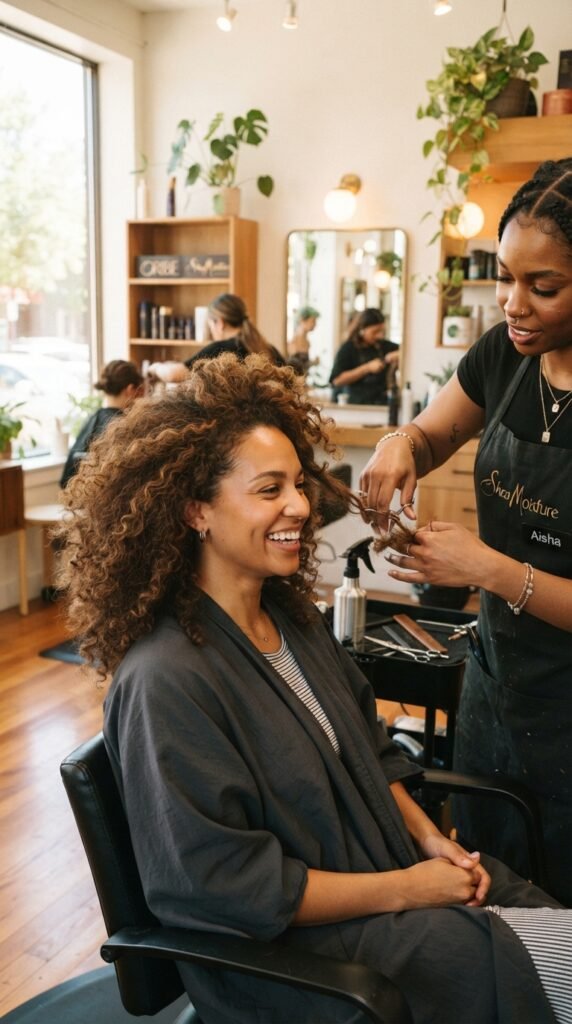
A curly cut is a haircut done on dry, stretched, or naturally curly hair — never on wet straight hair. The stylist shapes each curl individually, so your hair looks intentional when it air dries.
It’s not just about removing split ends. It’s about creating a shape that moves with your pattern, not against it. Think of it like tailoring: you don’t hem a pair of jeans the same way you hem a gown. Curly hair needs its own blueprint.
- Dry cutting lets your stylist see your true shape
- Each curl is cut at its own angle
- The result is a style that works with your texture
Why I Avoided It for So Long
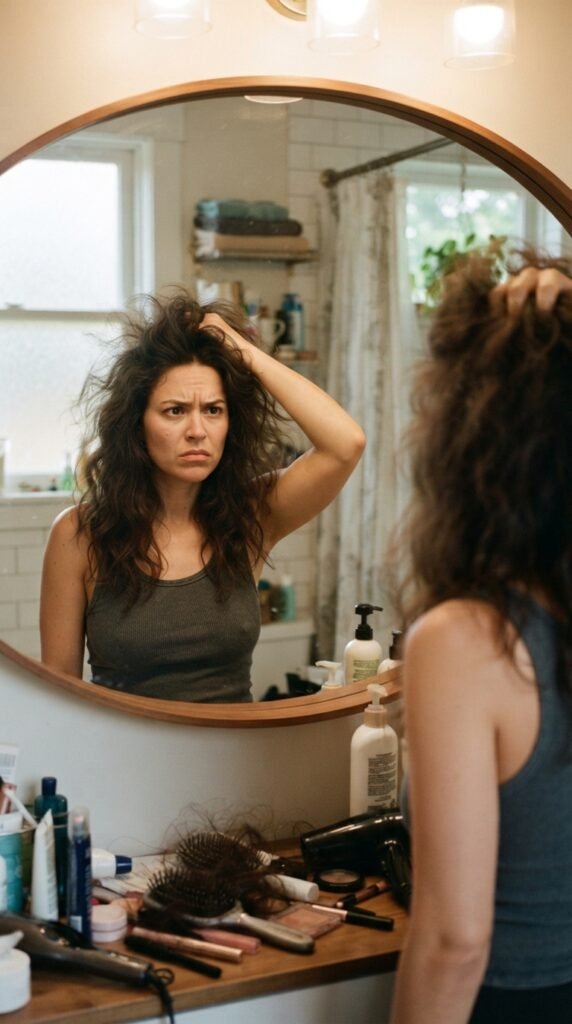
I used to think a haircut is a haircut. I’d walk into a salon, ask for a trim, and leave with choppy layers that vanished after my hair dried. It felt like no one saw me.
Most traditional stylists learn to cut hair when it’s wet and pulled straight. That’s fine for straight hair, but for curls, it’s a guessing game. I’d get home, wash my hair, and suddenly my waves were tangled, uneven, and lifeless.
So I stopped getting “proper” cuts. I just trimmed my own ends and prayed. But that only made things worse — and I knew I needed a real solution.
The First Big Difference: Dry Cutting
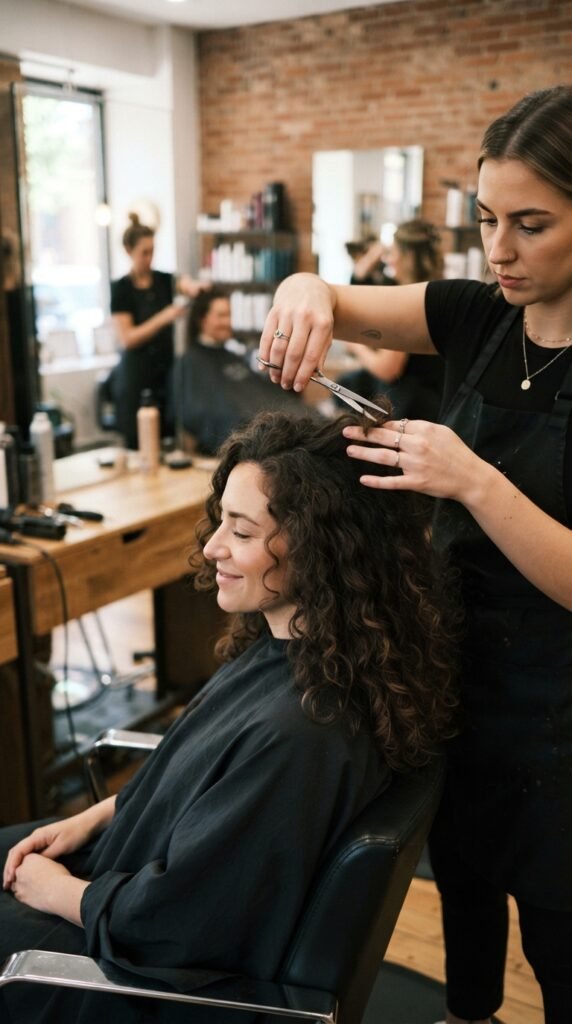
When I sat down for my curly cut, my stylist didn’t even pick up the spray bottle. She worked with my hair exactly as it existed. That felt radical.
Dry cutting lets your stylist watch how each curl bends and coils. A curl can shrink half its length when it dries, so wet cutting is basically a blindfolded haircut. Dry cutting removes the mystery.
- Your natural pattern is visible
- Shape is built curl by curl
- You see the exact result before you leave
This one shift changed my whole idea of what a salon appointment could be.
Curls Are Not One Shape
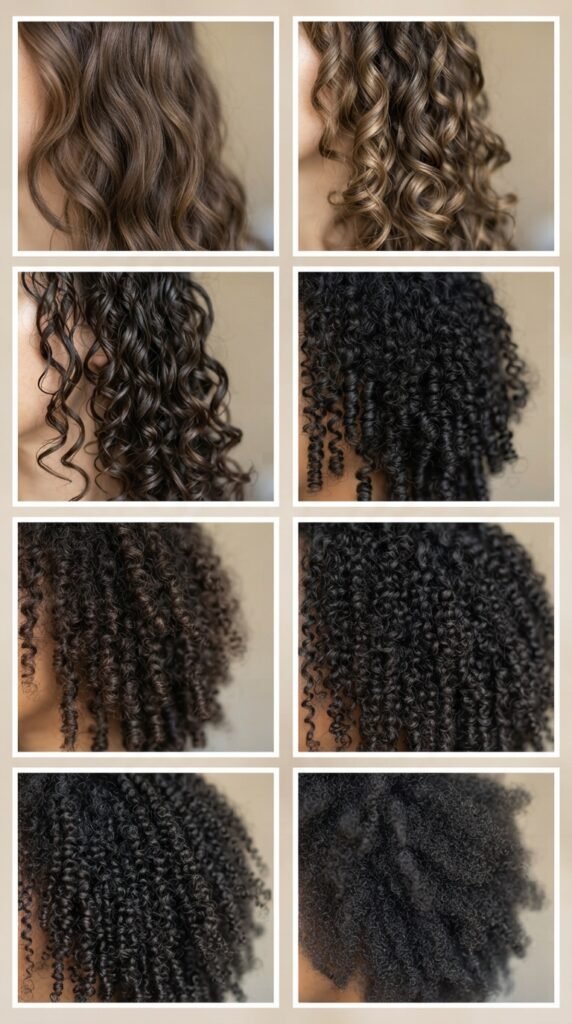
I used to think “curly” was a single category. It’s not. There are wavy curls, spiral curls, coily curls, and everything in between. Each needs a different approach.
A specialist looks at your curl pattern and density, then cuts accordingly. My loose waves need different layering than my friend’s tight coils. That’s why generic haircuts fail — they treat every texture like it’s the same.
- Loose waves need feathering, not chunking
- Spiral curls need point cutting to open up
- Coily textures need weight management to avoid triangle shape
Once I understood this, I stopped blaming my hair and started respecting it.
My Second Curly Cut: The Aha Moment
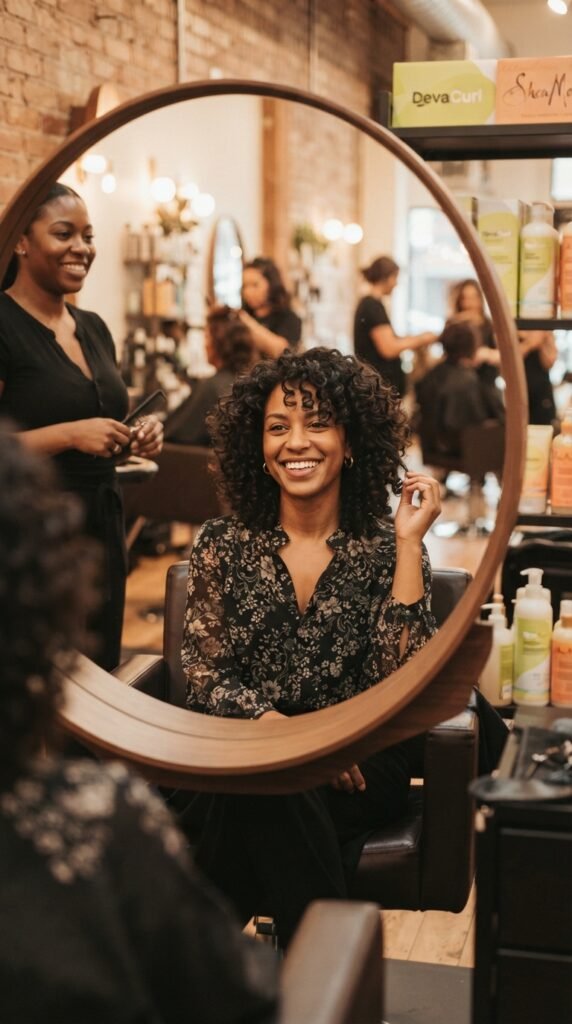
My first curly cut was good. My second one was life-changing. I walked in with almost no idea what I wanted. My stylist asked, “How do you wear your hair most days?”
Honestly, I told her I usually throw it up in a claw clip. So she cut my layers to fall beautifully even when clipped back. That personalized attention is the whole point.
When she spun me around to face the mirror, I almost cried. My curls looked bouncy, polished, and still easy. I finally understood why technique matters so much — it’s not about the scissors. It’s about the thought behind them.
Why Specialized Technique Beats Generic Scissors
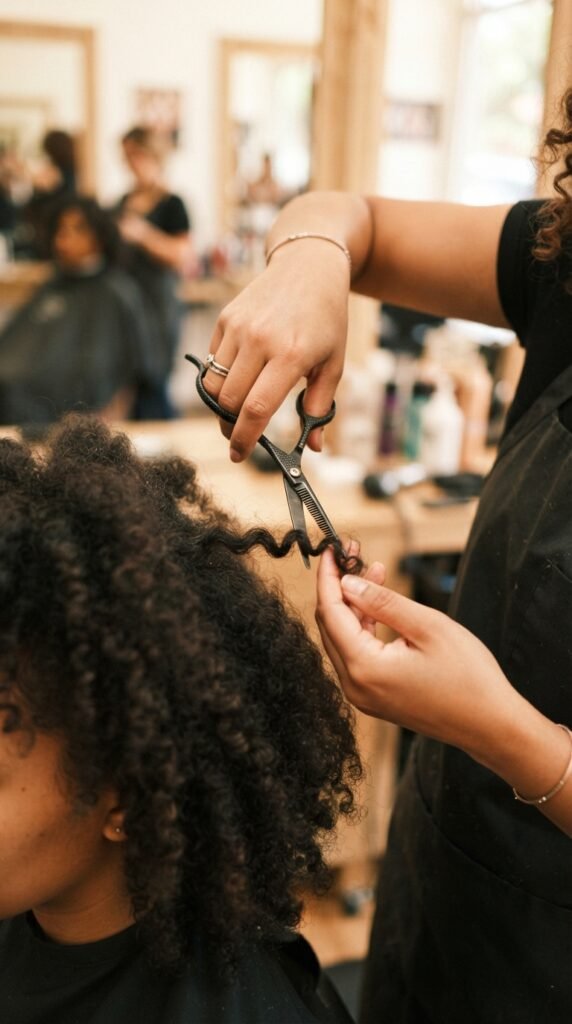
You can have great scissors and still give a terrible curly cut. Specialized technique is about knowing where to cut, not just how to cut.
Every curl has a growth pattern. A specialist watches the direction your curls spiral, then carves layers that fall naturally. That takes practice, patience, and real education.
- You get shape that lasts longer
- You cut down on daily styling time
- You stop fighting your own hair
It’s like having a tailor for your strands. And once you try it, you can’t go back.
The 2026 Hair Trend Connection
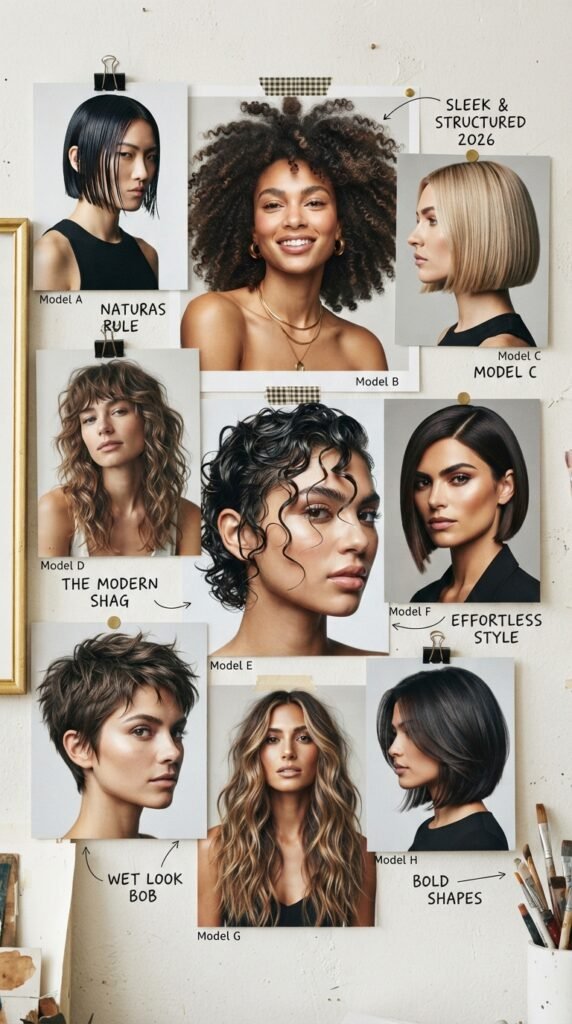
Here’s where it gets fun. The 2026 hairstyles are all about individuality and texture. Straight hair is no longer the only default. Curly cuts are going mainstream.
Trends like old money hair and quiet luxury are becoming more inclusive, embracing natural movement instead of stiff, polished shapes. And for curly girls, that means specialized cutting is finally in the spotlight.
It’s not about copying a trend exactly. It’s about translating it to your own texture. A curly specialist can give you the spirit of any runway look while making it work for your curls.
Old Money Hair, But Make It Curly

Old money hair is usually pictured as glossy, blow-dried, and smooth. But curly hair can absolutely fit that vibe. It’s about health, shape, and understated polish.
For me, old money hair means defined, mascara-style curls that look effortlessly shiny. My curly cut removed the heavy, damaged ends, so now my hair looks expensive without trying.
- Healthy curls read as luxurious
- A good shape looks expensive, not messy
- Specialist cuts give that polished edge
You don’t need straight hair to have old money energy.
The Quiet Luxury Bob for Curly Hair

A bob is a huge trend for 2026, and the quiet luxury bob is everywhere. But on curly hair, it requires a specialist. Cut too blunt, and it will look like a helmet.
A curly specialist shapes the bob so it sits softly around your face, with just enough layers to let your curls breathe. The result is a sophisticated, wash-and-go style that still looks intentional.
- Ask for a dry bob cut
- Keep the nape shorter to avoid triangle shape
- Let your curls frame your face
This is one of my favorite ways to wear my texture now.
How Romantic Goth Hairstyles Embrace Texture
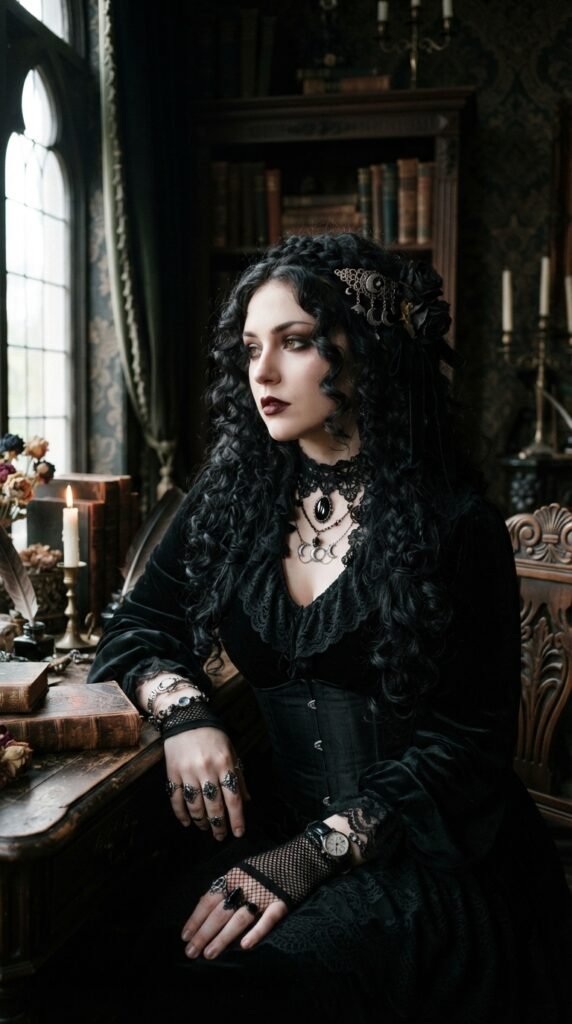
Romantic goth hairstyles are huge in 2026, and they’re surprisingly curly-friendly. Think corset vibes, dark ribbons, and loose, untamed volume.
Curly hair actually fits the aesthetic perfectly. The key is letting your natural pattern add drama. A curly cut can create that wild-but-done look without a ton of work.
- Leave curls loose and airy
- Add dark accessories like velvet bows or black clips
- Use a lightweight curl cream to keep definition
It’s moody, romantic, and so good for textured hair.
Glitchy Glam Hair Inspiration
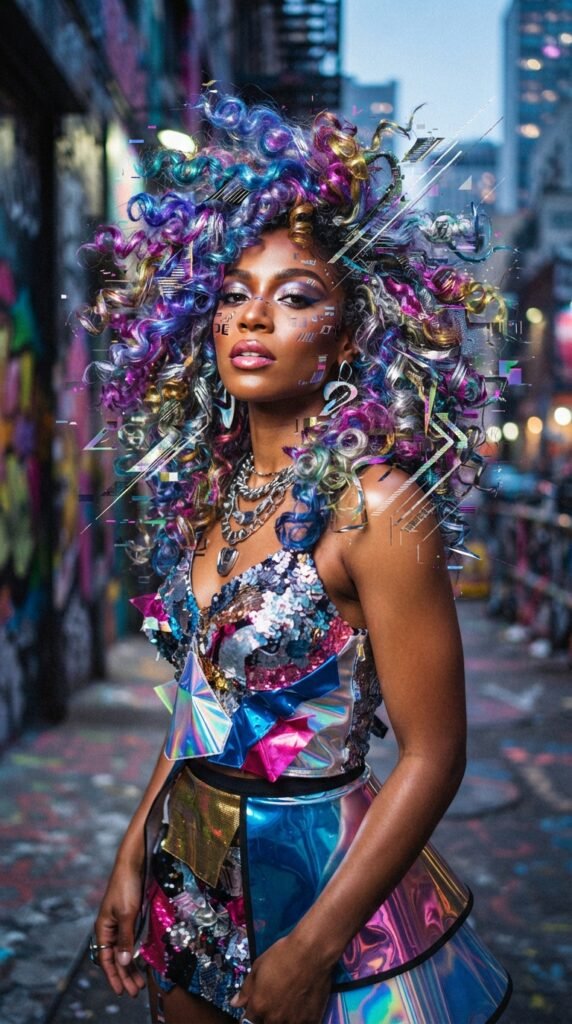
Glitchy glam hair is all about digital-inspired detail: sharp angles, metallic streaks, and unexpected shapes. And yes, it works with curls if you have the right cut.
A curly specialist can create those sleek, face-framing elements while keeping your texture intact. Think of it as a mix of structured and freeform.
- Ask for a side-swept curly shag
- Add temporary metallic color sprays
- Keep one side curled tighter for that glitch effect
This trend is playful and perfect for anyone who loves a statement.
The Asymmetrical Lob on Curls
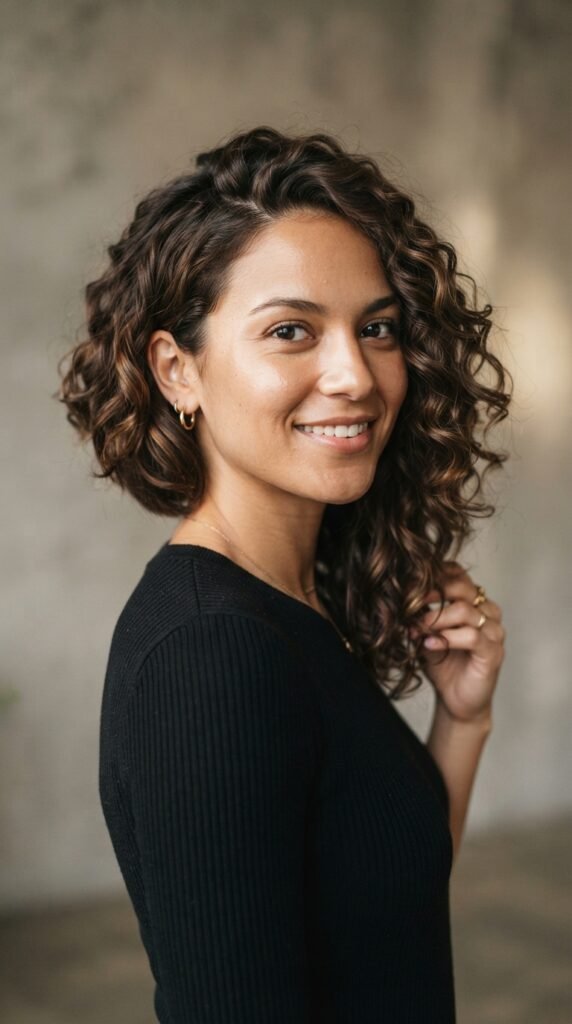
Asymmetrical lob is another 2026 favorite. On straight hair, it’s all about precise geometry. On curls, it’s about balance and bounce.
My stylist cut mine with more length on one side, and it gives my curly texture a cool, modern energy. It’s easy to style and always looks deliberate.
- Pick your shorter side based on your natural parting
- Let the longer side cascade in soft curves
- Blow dry with a diffuser for shape
If you want a bold change, this is the cut.
The Vampire Haircut, Curly Edition
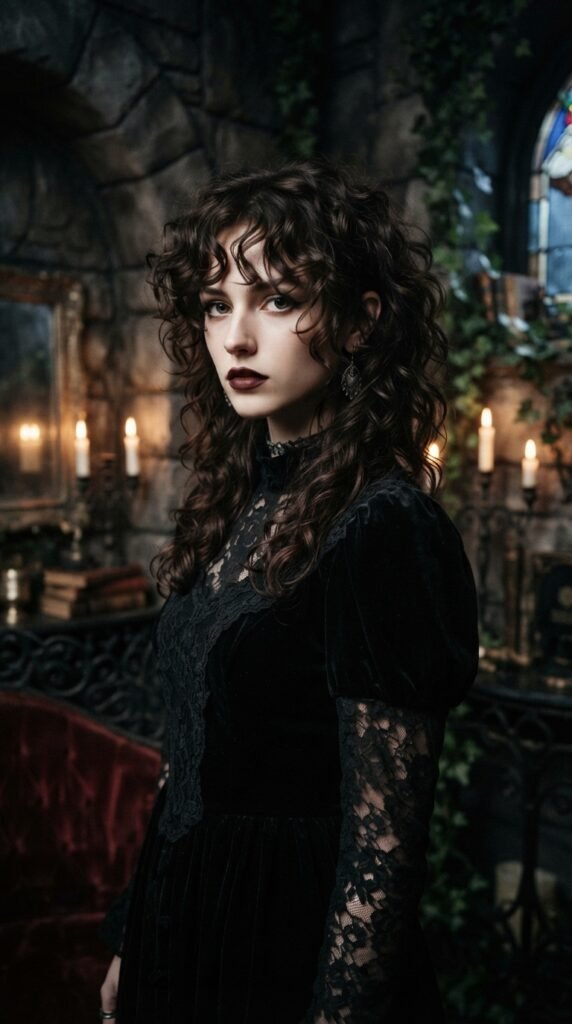
The vampire haircut is trending hard in 2026 — all those wispy, fang-like layers around the face. And curly hair can pull it off beautifully.
A specialist will cut soft, curved layers that fall like curtains around your face, creating that mysterious, ethereal vibe. It’s not about blunt ends; it’s about movement.
- Face-framing layers are key
- Keep the back voluminous
- Add a curl cream for definition without crunch
It’s the perfect haircut if you love a little drama.
Curly Hime Cut? Yes, It Works
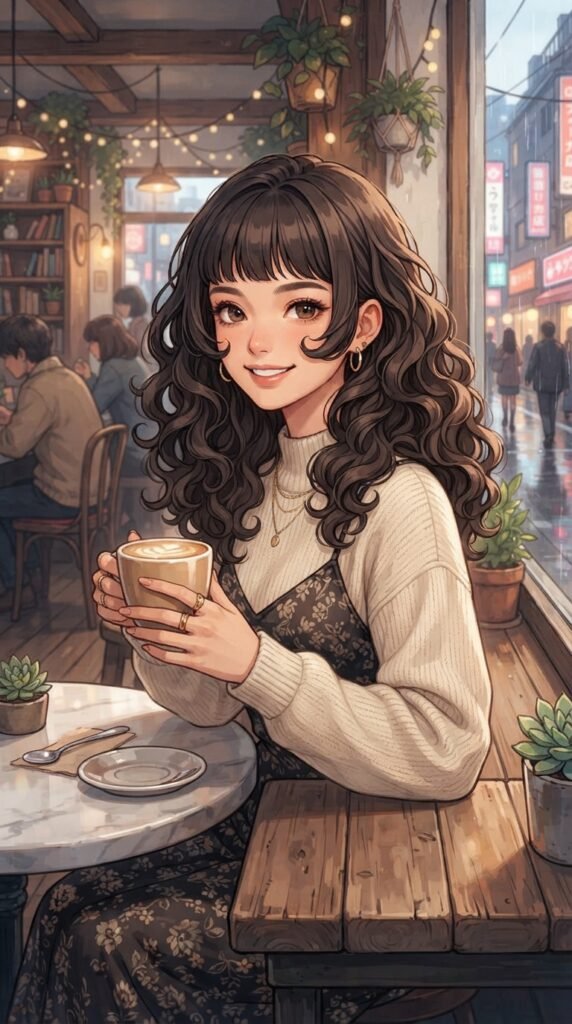
You wouldn’t expect the hime cut to work on curls, but it can. The hime cut traditionally has blunt cheekbone strands and a blunt fringe. On curly hair, it becomes something fresh.
A curly specialist can cut the cheeky pieces individually, so they curl softly instead of sticking out weirdly. The result is a hybrid of sleek Japanese-inspired style and natural texture.
- Ask for a curly fringe that hits just above your brows
- Keep the sides short enough to frame your face
- Style with a curl defining brush
It’s bold, modern, and surprisingly wearable.
What a Curly Cut Costs (And Why It’s Worth It)
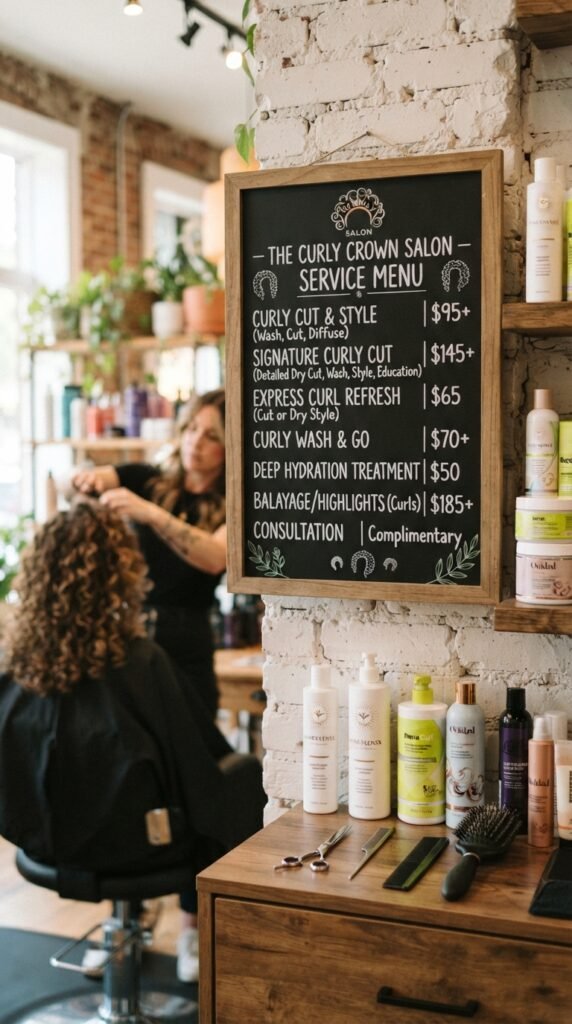
Yes, curly cuts can cost more — often $90 to $200 depending on where you live. But the investment pays off in length, time, and sanity.
Because the cut is so precise, it lasts longer than a regular trim. I used to go every six weeks for “shape fixes.” Now I stretch it to four or five months.
- You save money on products you no longer need to force
- You save time on daily styling
- You save your hair from heat damage
Honestly, it pays for itself.
The Consultation Matters More Than You Think
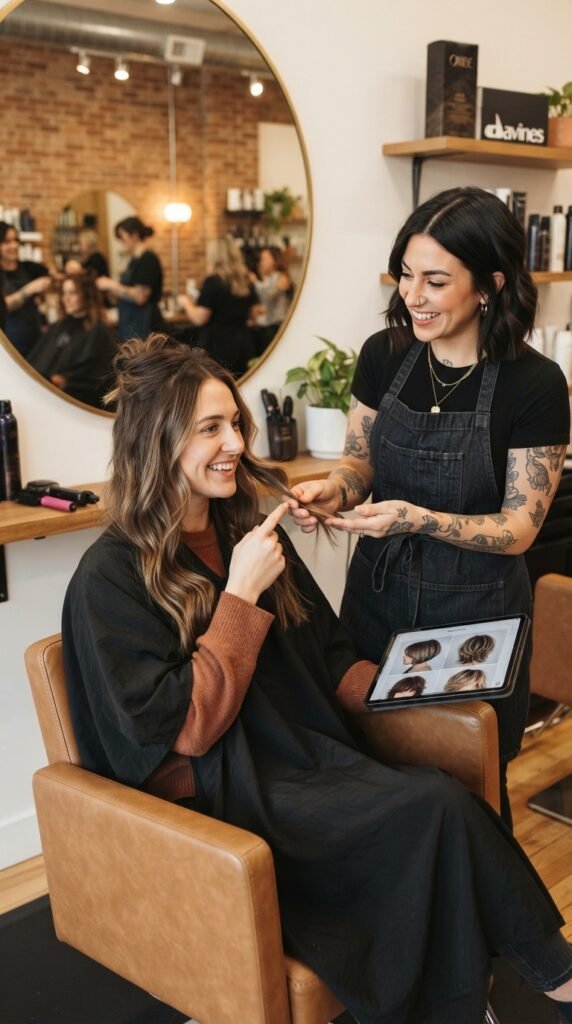
Before the scissors even come out, a good curly cut starts with a long conversation. They ask about your routine, your struggles, and your favorite features.
That chat changed everything for me. My stylist learned that I hate spending more than five minutes on my hair. So she cut me a style that air dries beautifully.
- Bring photos of curls you love
- Be honest about your daily routine
- Talk about what you hate doing
Specialists use that info to create a cut that actually fits your life.
Styling After a Curly Cut
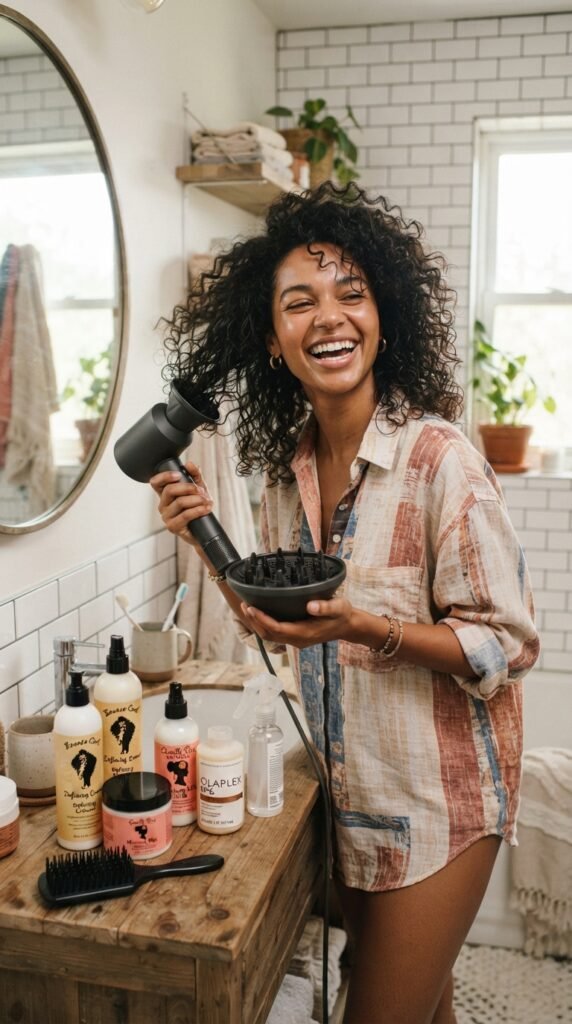
After my curly cut, styling became simpler. My hair finally had a memory. I just wash, scrunch, and go.
My stylist taught me to apply curl cream in sections, then cup my curls upward with a T-shirt. No more aggressive brushing or heavy gels.
- Use a microfiber towel or cotton tee
- Prayer hands for product application
- Diffuse on low heat if you’re in a rush
The cut does most of the work. That’s the magic.
Products I Never Use Anymore
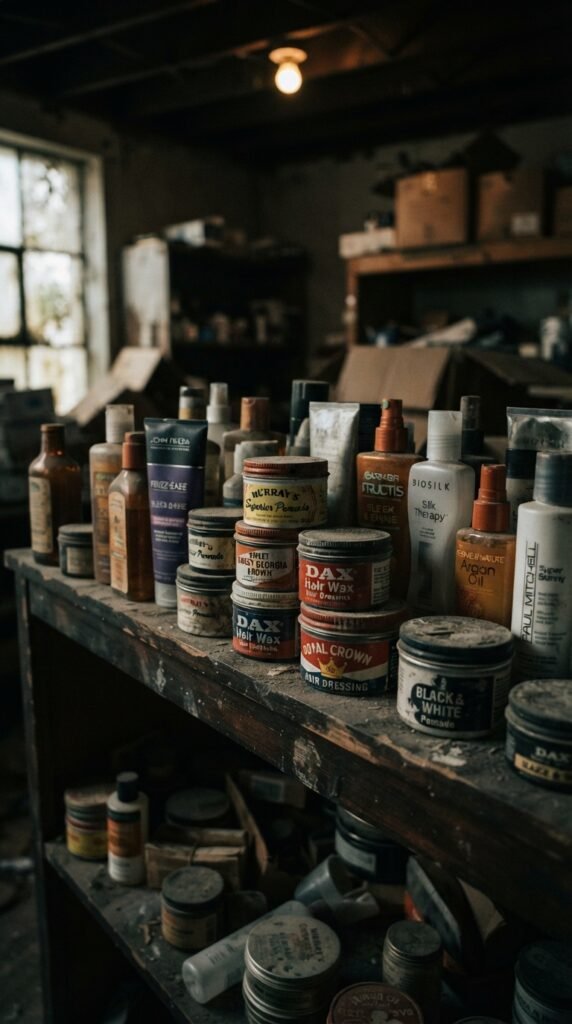
Since my curly cut, I’ve thrown away half my hair products. I used to buy heavy butters and creams to hide my uneven shape. Now my cut gives me shape without product.
I also stopped using sulfate shampoos and harsh brushes. They were undoing all the good work my stylist did.
- Team up with water-based curl creams
- Swap your brush for a wide-tooth comb
- Use a satin pillowcase to keep definition
Less really is more when your haircut is right.
The First Wash Day After My Curly Cut
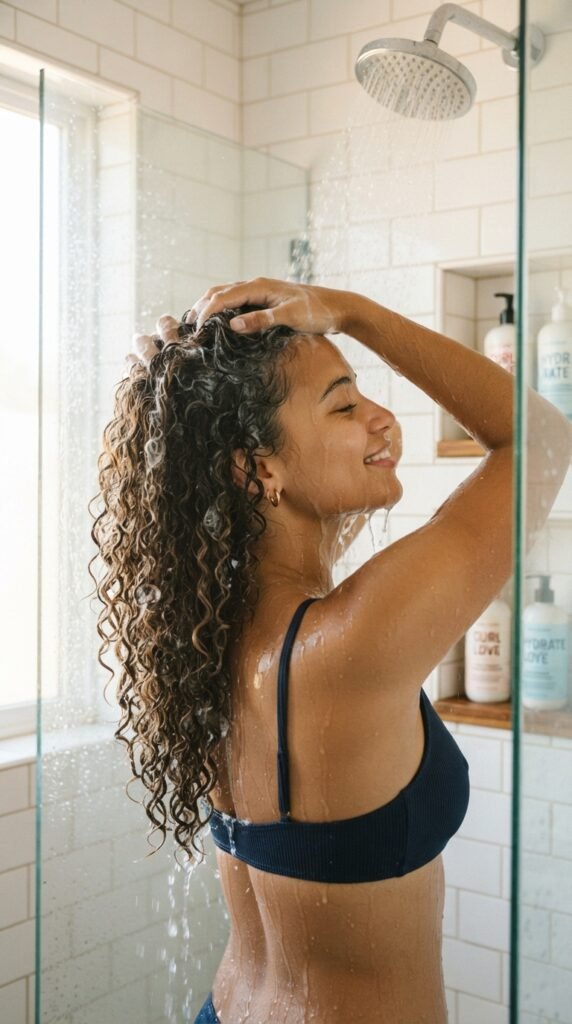
I was nervous the night after my cut. What if it looked different once I washed it? It did — in the best way.
I shampooed, conditioned, scrunched in a little leave-in, and let it air dry. When it dried, the shape was still there. No product overload, no weird shelf.
- Use lukewarm water to avoid frizz
- Do not touch your curls while they dry
- Resist the urge to rake your fingers through
It was the first time my hair made sense to me.
Maintenance Between Cuts
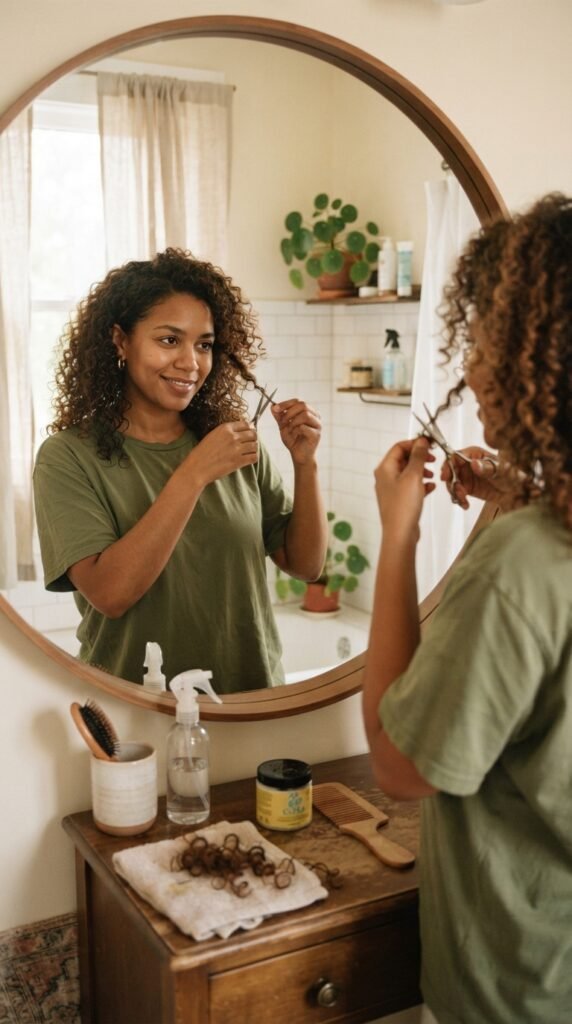
Between visits, I take care of my curls like a little garden. I refresh them with water and a few drops of oil. I avoid flattening my shape with tight ponytails.
I also go back for small “shape ups” twice a year. That’s all it takes now — one specialized cut did the heavy lifting.
- Refresh with a spray bottle in the morning
- Sleep on a satin scarf or pillowcase
- Use deep conditioner once a week
Your cut will keep looking great if you treat it kindly.
How to Find a Curly Cut Specialist
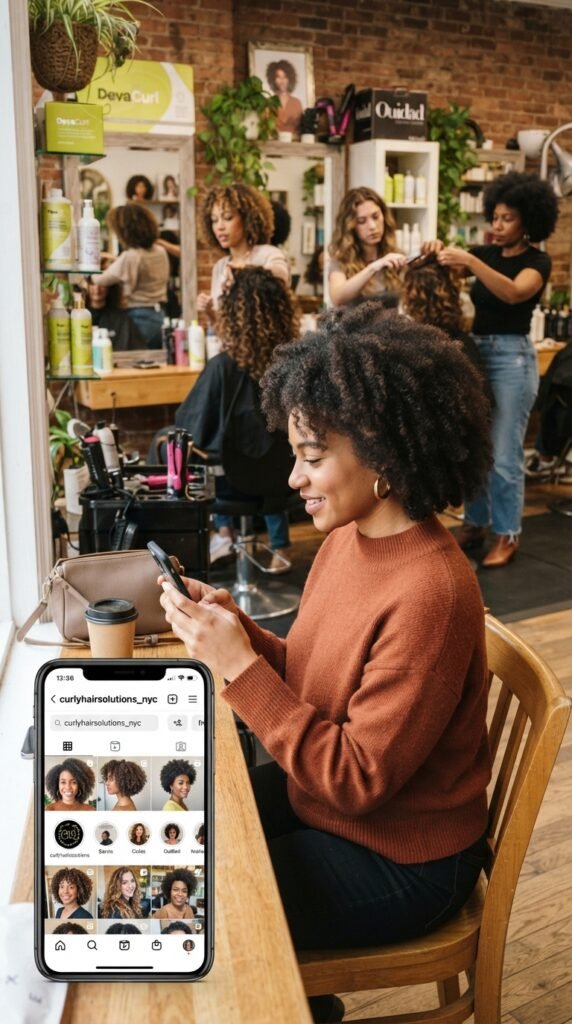
Look for someone who identifies as a curly specialist, not just a general stylist. Check their portfolio for real curly clients with your texture.
Ask about their process before booking. Do they dry cut? Do they work with your natural pattern? If they say “I never don’t cut curly hair wet,” keep looking.
- Search hashtags like #curlycut or #devaCurl certified
- Read reviews from people with your curl type
- Do a consultation before committing
It takes a little research, but it’s worth every minute.
Final Thoughts on Texture Freedom
Getting a curly cut taught me to stop treating my texture as a problem. It’s not. It’s a feature. And with the right specialist, any of 2026’s trends can work with your natural curls.
I’m not saying you need to run out and spend a ton of money. But I am saying that if you’ve always felt frustrated with your hair, the technique might be the issue, not your head.
Give yourself permission to be seen by someone who gets it. Your curls will thank you.
Save this post to Pinterest so you can find it later when you’re ready to book your own curly cut. And tell me below — have you ever tried a specialized curly cut? What surprised you the most?