From Heat Damaged To Healthy With This Three Month Repair Plan That Actually Works
Let’s be real for a second: I’ve been there. Standing in front of the mirror, running my fingers through straw-like ends and wondering if I’d need a pixie cut just to start over. Heat damage sneaks up on you, doesn’t it? One day your hair is glowing, and the next, it’s snapping off like dry spaghetti.
The good news? You don’t have to chop it all off. You don’t need a miracle product or a $500 salon treatment. You just need a solid plan that gives your hair time to breathe and rebuild. I’ve tested this exact three-month repair routine, and honestly? It works.
Stick with me. In the next few minutes, I’m going to walk you through exactly how to transition from damaged to absolutely thriving—using methods that are simple, budget-friendly, and actually fit into real life.
Why Three Months Is The Magic Number
Hair grows about half an inch per month. That means in three months, you’ll have almost two inches of fresh, new growth at your roots. That alone changes everything about how your hair looks and feels.
But repairing isn’t just about waiting. It’s about protecting that new growth while babying the damaged ends. We’re rebuilding your hair’s protein and moisture balance so it stops breaking off before it even gets a chance to grow.
Think of this plan as a reset—not just for your hair, but for your entire routine. We’re simplifying everything for the next 90 days.
Start With A Hard Reset Trim
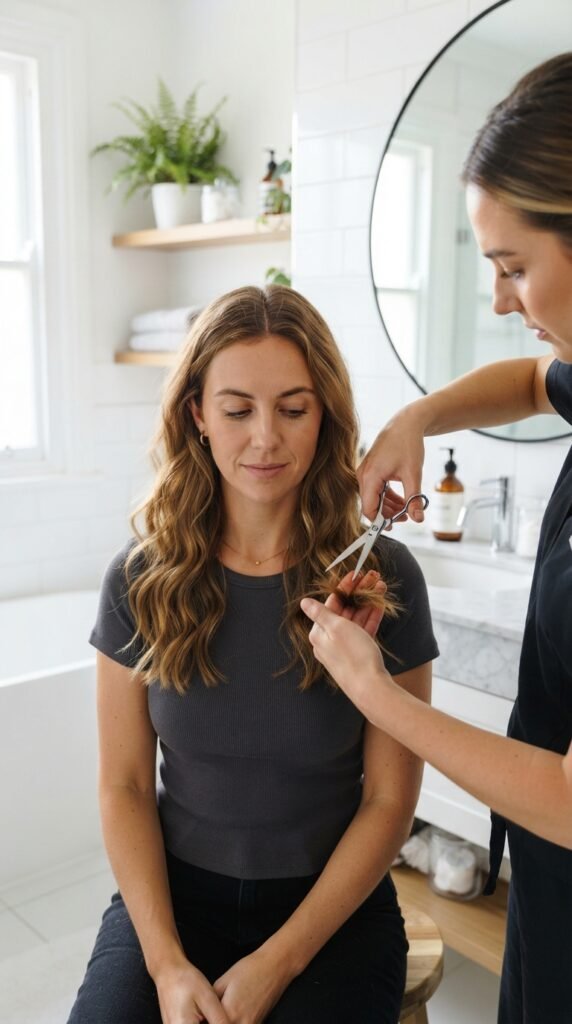
I know, I know. You wanted to skip this step. But hear me out: if you don’t cut off the dead split ends, they’ll just keep splitting up the hair shaft. That’s how you lose more length in the long run.
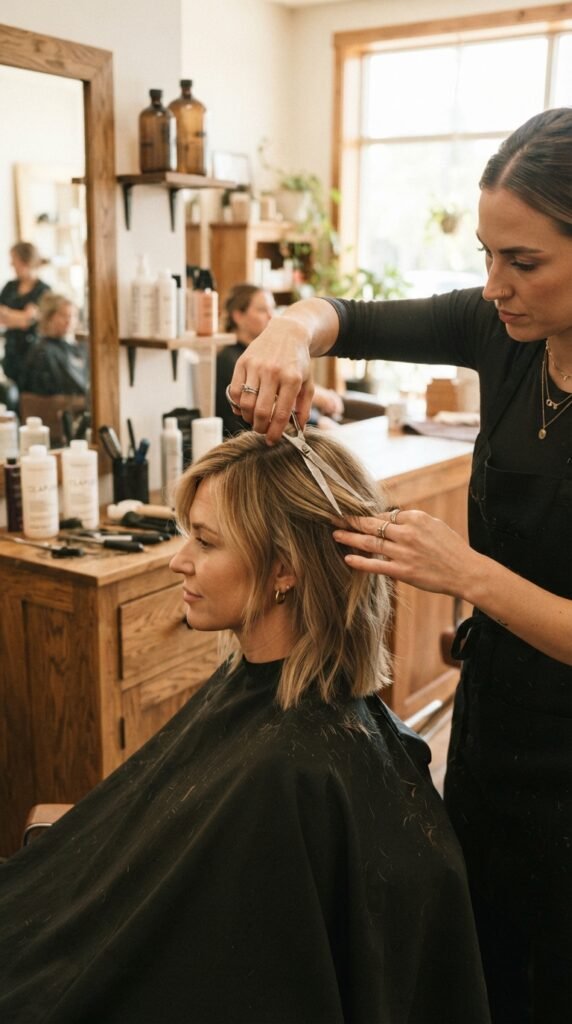
You don’t need to chop a ton. Even a quarter to half an inch makes a massive difference. It instantly gets rid of the rough, tangled feeling and makes your hair look healthier in one appointment.
Ask your stylist for a “dusting”—that’s when they only snip off the very ends. It’s the perfect compromise between keeping length and stopping the damage from spreading.
The “Wash Day Reset” With Bond Repair
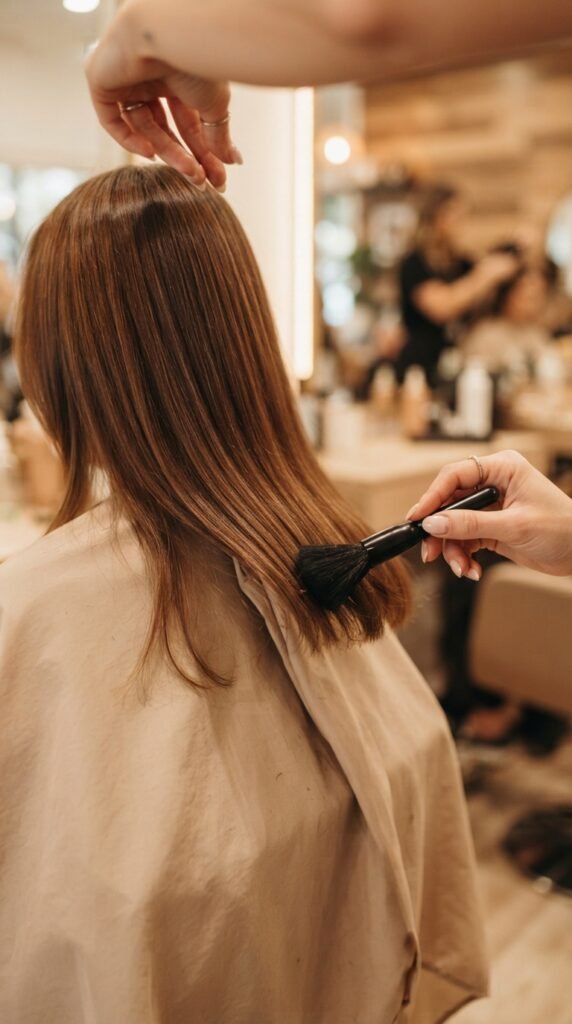
Drop the harsh shampoos with sulfates that strip your hair and leave it feeling like straw. Instead, reach for a bond-building shampoo and conditioner. Bond repair literally reconnects the broken protein chains inside your hair shaft.
Your wash routine for the next three months needs to be consistent. Let’s keep it super simple:
- Shampoo only the roots and scalp.
- Apply conditioner generously to the mid-lengths and ends only.
- Rinse with cool water to seal the cuticle and add instant shine.
That’s it. No over-complicated systems needed. Just a healthier way to clean your hair that doesn’t cause more damage.

Low Manipulation Is Your New Best Friend
Here’s the truth: your hair breaks when you touch it too much. Brushing, curling, straightening, running your fingers through it—it all adds up. For the next three months, we’re putting your hair on a “do not disturb” routine.
That means rocking styles that require little to no daily upkeep. We’re talking sleek buns, low ponytails, or a good old-fashioned braid. These styles keep your ends protected and tucked away from harsh weather and rubbing against your clothing.
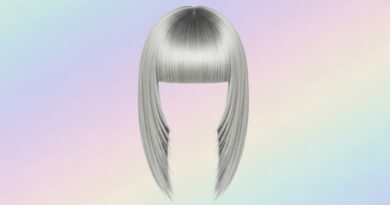
Not sure what to do? Try an asymmetrical lob or subtle hime cut style—they look great with minimal effort and keep those fragile ends hidden.

Sleep On Silk, Not Cotton
If you’re waking up with a birds nest on your head every morning, cotton is the culprit. Cotton pillowcases create friction, which sucks moisture out of your hair and causes breakage while you sleep.
Switching to a silk or satin pillowcase is the easiest, most luxurious upgrade you can make. It reduces friction, keeps your hair’s natural oils intact, and helps your hairstyle last longer.
If you can’t swing a silk pillowcase, buy a silk scarf or bonnet to wrap your hair in at night. It feels a bit old Hollywood, but honestly, it’s the ultimate quiet luxury move for your hair health.

Ditch The Hot Tools (Mostly)
I’m not here to tell you to never straighten your hair again. That’s unrealistic. But we need to make a deal: you can only use hot tools once a week, max. And you must use a heat protectant every single time.
When you do use heat, keep the temperature below 350°F. High heat doesn’t make your hair straighter; it just fries it faster. Lower heat might take a minute longer, but your hair will thank you by not snapping off.
Embrace those naturally air-dried waves or try braid-out styles. They give you texture without the thermal damage, and they’re perfect for the old money hair aesthetic everyone loves in 2026.

The “Glitchy Glam” Defense Serum
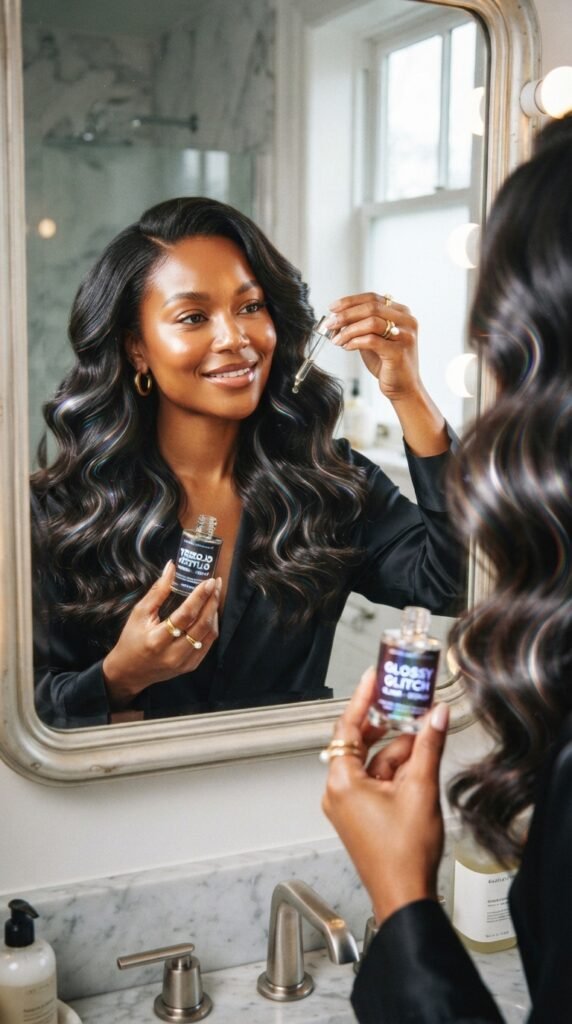
Okay, the term glitchy glam hair sounds futuristic and cool, but it’s really just a vibe that relies on your clothes, makeup—and a solid hair gloss. Adding a serum is crucial for faking shiny, healthy hair while yours is repairing.
Select one with silicone. I know the internet hates it, but silicones temporarily seal the cuticle and prevent moisture loss. They create that “glassy” finish that makes damaged hair look flawless.
Apply 2-3 drops on wet hair before heat styling, or a pea-sized amount on dry ends just to tame flyaways. It provides instant gratification while the bond builders work behind the scenes.
Monthly Deep Conditioning Treatments
You can’t just wash and go for three months; we need to inject serious moisture back into those strands. Once a week, swap your regular conditioner for a deep conditioning mask.
Focus on masks with ingredients like shea butter, argan oil, or ceramides to fill in gaps in the hair cuticle. Apply it to towel-dried hair, pop on a shower cap, and let it sit for 20 minutes. Use a warm towel on top to help it penetrate deeper.
If you’re chasing that quiet luxury bob or want bouncier curls, this step is non-negotiable. It adds elasticity so your hair moves instead of snapping.

Stop Washing In Hot Water
Hot showers in the winter are cozy, sure. But on your hair? It’s a disaster zone. Hot water lifts the hair cuticle, allowing all that moisture to escape and leaving the follicle raised and frizzy.
Turn the temperature to lukewarm when you wash, and get it even cooler for your final rinse. The cold water snaps the cuticles down flat, locking in shine and preventing that fluffy frizz from ruining your vibe.
Trust me, that five-second cold rinse is a game changer. It’s the difference between dull hair and mirror-like shine.

Invest In A Great Leave-In Conditioner
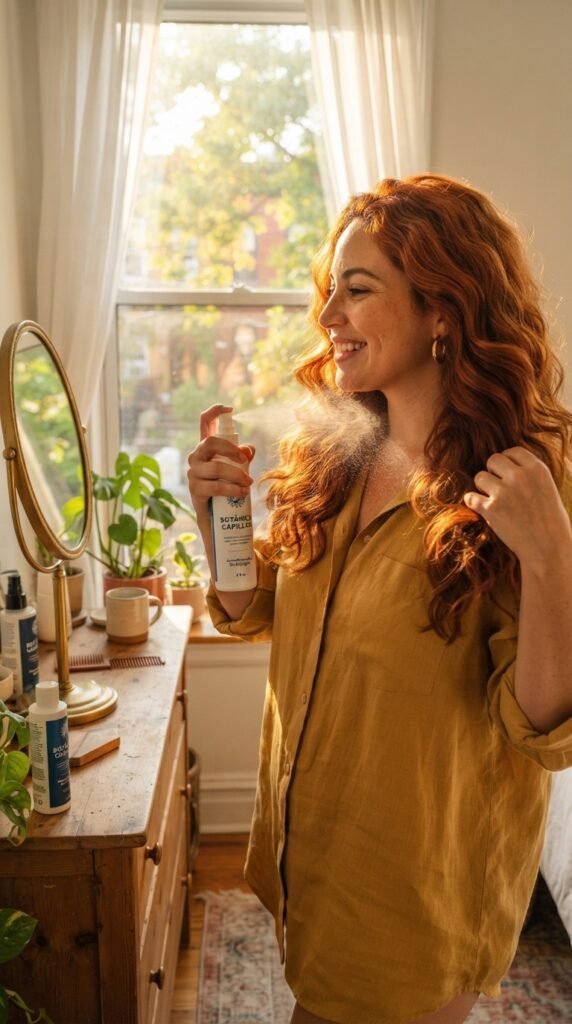
A good leave-in is like armor for your hair. It creates a barrier against heat, UV rays, and pollution. It also makes detangling way easier, preventing breakage when you comb through knots.
After you wash your hair, spray or brush a leave-in through your mid-lengths and ends before you style. It doubles as a primer and a moisturizer all in one handy bottle.
Look for formulas with UV filters. This is especially important if you spend time outdoors chasing that sun-kissed 2026 hairstyles vibe. Healthy hair starts with protection.
Rethink Your Ponytail Placement
High, tight ponytails might look sleek, but they create massive tension on your hairline. That constant pulling causes your hair to snap off right around your forehead—leaving those broken baby hairs you hate.
If you’re wearing your hair up, keep the ponytail sleeve at the nape of your neck. It’s lower, softer, and distributes the weight evenly so you don’t stress the roots.
Even better, alternate your partings and updos so you’re not putting pressure on the same area every day. Give your hairline a little break—it works hard for you.

Add A Silicone-Based Heat Protectant
I keep repeating heat protection because it’s genuinely the most critical step before any hot tool touches your strands. It’s the difference between a temporary flat-iron and permanent damage.
Heat protectants coat the hair shaft and evaporate slowly, creating a buffer between your hair and the 400-degree plates. It doesn’t make your hair invincible, but it layers protection.
When you straighten, go slow and steady. Don’t run the iron over the same section five times. Once or twice to smooth is plenty. This builds the vampire haircut sleek finish without frying your ends.

Trim More Than You Think You Need
I know we just talked about trimming earlier, but here’s the beauty of a three-month plan: you need a second trim at the end of month two. The first trim removes the dead ends; the second removes the weakened spots that hadn’t split yet.
This isn’t just about aesthetics. It keeps the hair cuticle thick and strong at the bottom, so your ends don’t feel like paintbrushes. It’s about maintaining a solid foundation.
If you’re growing out a bob, ask your stylist to layer it slightly. Layers remove bulk and weight, giving you a bouncier shape that looks healthier even while growing.
Water, Water, Water (And Water Filters)
Your hair is 25% water. If you’re not drinking enough, your body won’t prioritize sending moisture to your hair. Hydration from the inside out is real, so start drinking more water daily.
But also, check your shower water. Hard water with heavy mineral buildup leaves a coating on your hair that blocks moisture. If you live in a city with hard water, invest in a simple shower filter.
You can buy a basic filtration head for thirty bucks at a hardware store. That small change can do wonders for your color retention and softer feel.

Protein vs. Moisture Balance
Too much protein? Your hair will snap off like brittle chalk. Too much moisture? It becomes limp and mushy. To repair, we need a balance of both. Your hair is made of protein, but it needs water to keep it flexible.
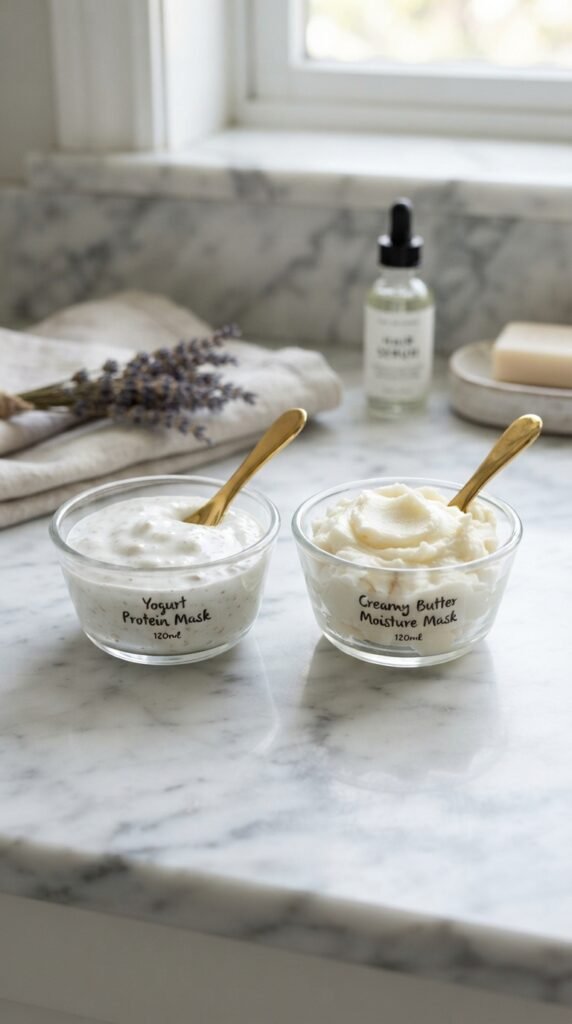
Alternate your weekly treatments: one week use a protein mask; the next, a moisture mask. If you have dyed hair, lean more toward protein to rebuild the bonds the bleach broke.
Pay attention to what your hair feels like. If it’s stretchy, use protein. If it’s crunchy or stiff, use moisture. Your hair literally tells you what it needs.
Try Protective Styling With A Twist
Think romantic goth hairstyles—braids with velvet ribbons, low twisted chignons, or even a subtle Victorian updo. These styles protect the ends completely while looking like you tried really hard when you didn’t.
Braids are especially great for retaining length because they stop friction. You can wear them for two to three days and just refresh the front pieces with a curling wand or mousse.
The key is not pulling the braid too tight. Loose, romantic braids are better for your hairline and look more elegant and expensive.

The “Bow Method” For Styling After Damage
You might not know this stylist secret, but the Blow Out Wrap (also called the “bow method”) is a heat-free way to get smooth, glossy hair. It’s basically wrapping your damp hair flat against your head with bobby pins and letting it dry overnight.
While your hair is drying, it stretches out any kinks and leaves you with a sleek, almost straightened look—without ever picking up a flat iron. It’s perfect for achieving a red carpet style sans damage.
If you want that old money hair look, this is your hack. Use a boar bristle brush to encourage the natural oils from your roots down to your thirsty ends.

Be Careful With Drugstore Hair Masks
I love a bargain as much as anyone, but you need to read the label on cheap masks. Many are just heavy creams that coat the hair without actually absorbing. You want ingredients that actively seek out weakness, like protein peptides.
Skip anything with alcohol listed as one of the first five ingredients. It will dry your hair out. Look for fatty alcohols instead, like cetyl alcohol, which moisturizes instead of drying.
If you’re in a rut, try a leave-in spray for light styling maintenance instead of a heavy grease mask. It’s a smarter choice for frequent use.

Know Your Hair Porosity
This is the ultimate insider tip. Porosity is how well your hair absorbs and holds onto moisture. It affects everything from how you wash to how you style. Learning it changes the game.
Take a strand of hair and place it in a glass of water. If it sinks quickly, you have high porosity (cuticles are raised, absorbing everything fast but losing it fast). If it floats, you have low porosity (needs lighter products).
High porosity? Use heavier creams and seal with oil. Low porosity? Use lighter serums and steam treatments to open the cuticle. Tailoring your routine like this makes repair way faster.

Tame The “Vampire Cut” Frizz
The vampire haircut is all about super-straight, blunt, chin-grazing lines. It looks moody and expensive, but it’s terrible at hiding frizz. You need to keep the hair very moisturized to nail this look without damage.
If your hair is damaged, skip the blunt one-length cut for a few more months. Instead, keep your layers softer so you don’t have blunt ends that show every bend and weak spot.
When you do transition to that sharp style, you’ll have healthy enough hair that it looks sleek, not stressed. Patience is key for that sharp aesthetic.

Massage Your Scalp Weekly
Healthy hair starts at the root. If your scalp is tight or clogged, the hair follicle doesn’t get enough oxygen or nutrients. Massaging your scalp increases blood flow, which stimulates hair growth.
Use your fingertips or a scalp massager for 5 minutes before every wash. You can even add a couple of drops of rosemary oil diluted in a carrier oil. It smells amazing and boosts circulation.
It also melts away tension. And less stress = lower cortisol = less hair shedding. It’s a full win-win for your mental health and your mane.

Rethink Hair Accessories
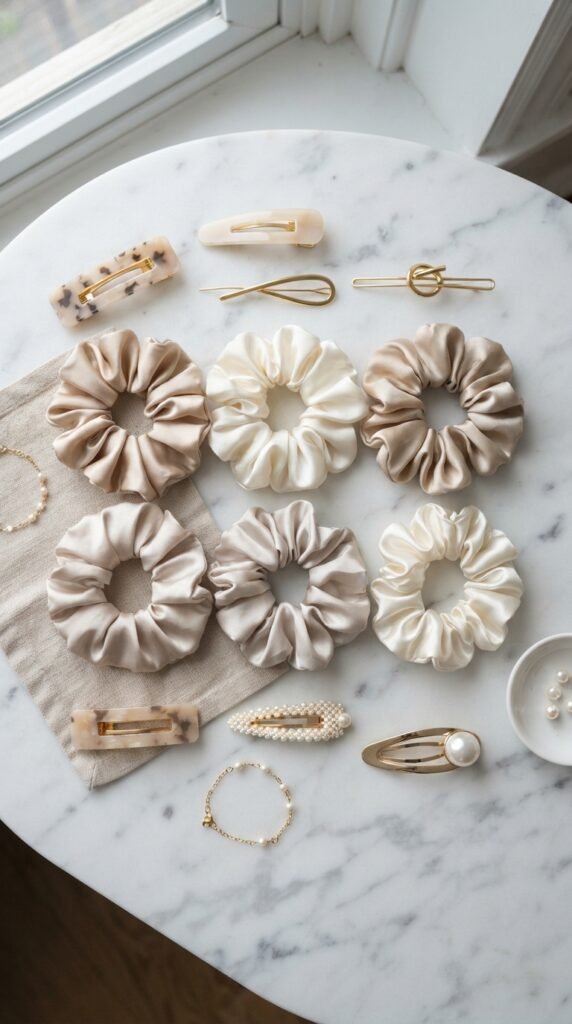
Metal claw clips are trendy, but they can pull and snag. For the next three months, use covered elastic bands that won’t grip too tightly. Also, swap out anything with sharp plastic edges.
Silk scrunchies are your best friend. They’re gentle on the hair, don’t leave dents, and they look super chic. Use them for braids, buns, and even sleep time.
It’s a small tweak, but over time, it eliminates all the tiny snags that cause those broken hairs at the front of your head.
Stop Touching Your Hair
We’re our own worst enemy. Running your fingers through your hair when you’re bored transfers oils from your palms onto your strands, which makes it look greasy faster. It also pulls out hairs that weren’t ready.
Keep your hands busy with a fidget toy or hold a coffee cup. Just don’t twist and pull your hair. That nervous habit is the number one cause of stringy, broken lengths in healthy hair.
When you do style it, use a wide-tooth comb. It yanks less and detangles while keeping your curl pattern intact. Your hair will retain more length immediately.

Final Thoughts Before The Reset
I hope by reading this, you feel like you can finally breathe. You don’t have to hate your hair for the next three months. With a solid plan, you can actively like it more every single week. The goal isn’t perfection; it’s progress.
Three months is just a blip in a lifetime, but the confidence you get from shiny, moving, strong hair stays with you forever. You’ve got this. Just pick one step and start today.
I would love to know which of these steps you’re trying first. Your hair texture and current routine matter, so drop a comment below letting me know where you’re starting from. I’m rooting for you!
Save this post to Pinterest so you have your exact three-month plan ready whenever you want to start your hair repair journey. You’ll thank yourself later!