I Got Extensions And Wish Someone Had Told Me These Things Before Committing
Okay, let me be real with you. I got extensions last spring and I was so excited. But three weeks in, I had a lot of feelings—and a few regrets. Not about getting them, but about how little I knew before I sat in that stylist’s chair.
I wish someone had walked me through the real costs, the daily upkeep, and the emotional rollercoaster. So that’s exactly what I’m doing for you today.
Here’s everything I learned the hard way, so you can decide if extensions are truly your next move.
They Cost Way More Than the Initial Appointment

You’re not just paying for the install. You’ll need regular maintenance every 6–8 weeks, which means more salon visits and more money.
- Initial application: $200–$600 (or more)
- Maintenance appointments: $100–$300 each
- Special shampoos, brushes, and silk pillowcases add up too
I seriously underestimated the monthly cost. Budget for it before you commit, not after.
Matching Your Natural Hair Is an Art

I thought “sure, just pick a shade” would work. Wrong. Extensions catch light differently than your natural hair, so the color needs to blend perfectly.
Ask your stylist to custom-blend two or three shades. A good match looks invisible. A lazy match looks like a wig.
Also, if you have highlights or balayage, the dyeing process can shorten the lifespan of your extensions. Trust your stylist’s eye.
The Installation Method Changes Everything
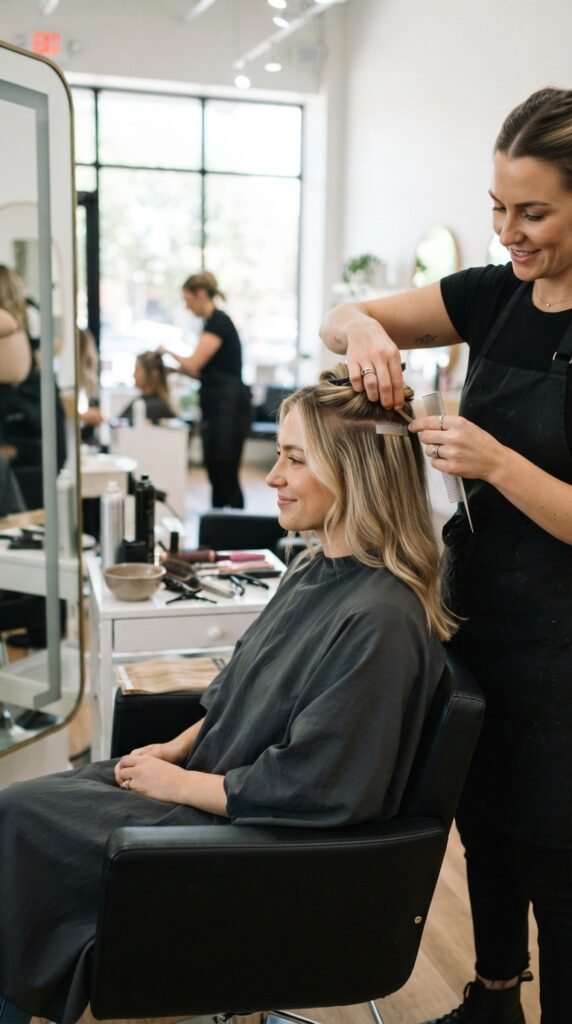
Tape-ins, wefts, I-tips, sew-ins—each has a different feel, lifespan, and maintenance routine. I chose tape-ins and loved them, but they’re not for everyone.
- Tape-ins are quick and comfortable
- I-tips (or micro rings) let you style more freely
- Sew-ins work best for thick hair
Your natural hair type and lifestyle matter more than trends. Let your stylist recommend what will actually work for you.
You Need a Stylist Who Specializes in Extensions
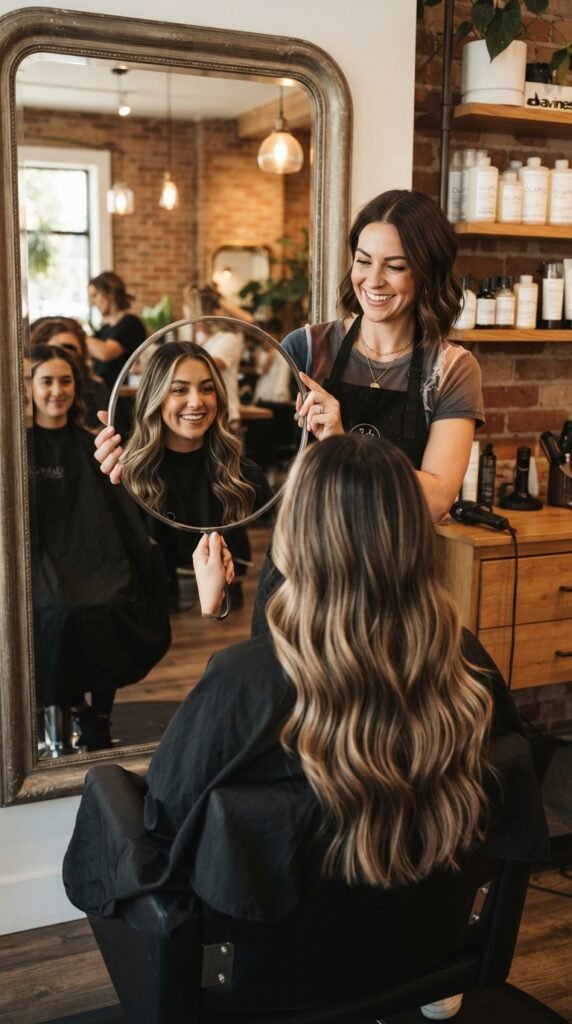
Not every hairstylist is great at extensions. Some are trained in cuts and color but have minimal extension experience. I learned this the hard way.
Ask to see their portfolio. Ask about their training. Ask how many extension clients they have right now.
A specialist will also know how to avoid damaging your natural hair. That alone is worth the extra search.
Your Natural Hair Will Need Extra TLC

Extensions add weight and tension. Your roots are working harder, and your ends can dry out faster.
You’ll need deep conditioning masks and scalp treatments more often. And you can’t skip trims, even when you’re trying to grow out your hair.
I started oiling my scalp weekly. It made a huge difference in how my natural hair felt at removal time.
Washing Your Hair Takes Twice as Long
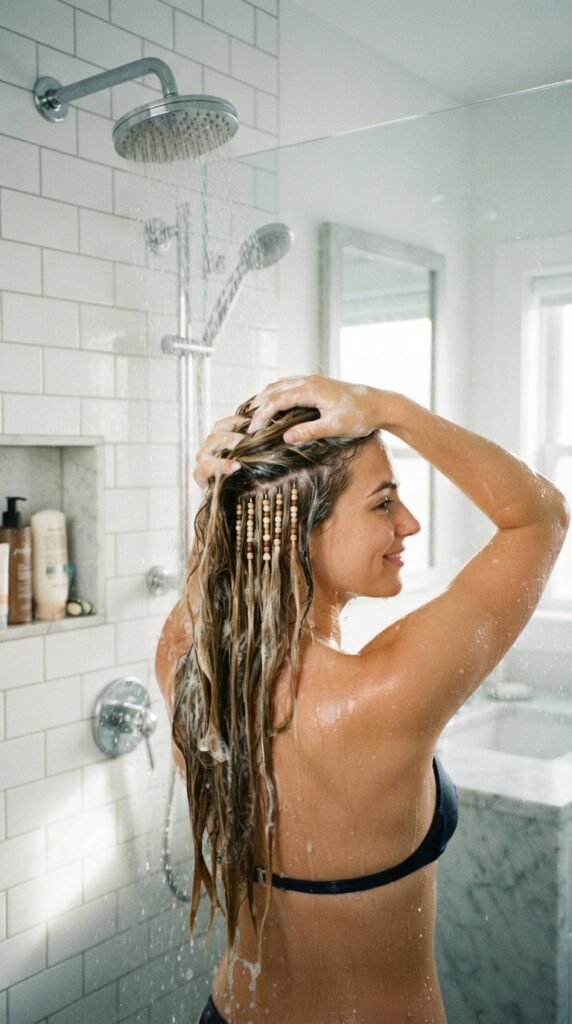
Before extensions, I washed my hair in five minutes. After, it turned into a full thirty-minute event.
You have to be gentle at the roots to avoid tugging. You have to use a sulfate-free shampoo. You have to brush before you wash, and you have to dry slowly.
Honestly? It felt like a science project at first. But I got faster with practice. Just know that a “quick wash” isn’t a thing anymore.
Sleeping with Extensions Requires Work

You can’t just flop onto your pillow and pass out. Waking up to tangled extensions is brutal.
- Braid your hair loosely before bed
- Use a silk or satin pillowcase
- Or wear a loose ponytail at the very crown of your head
I learned that pineapple method from my curly-haired friends. It helped more than I expected.
Heat Styling Needs a Lower Heat Setting
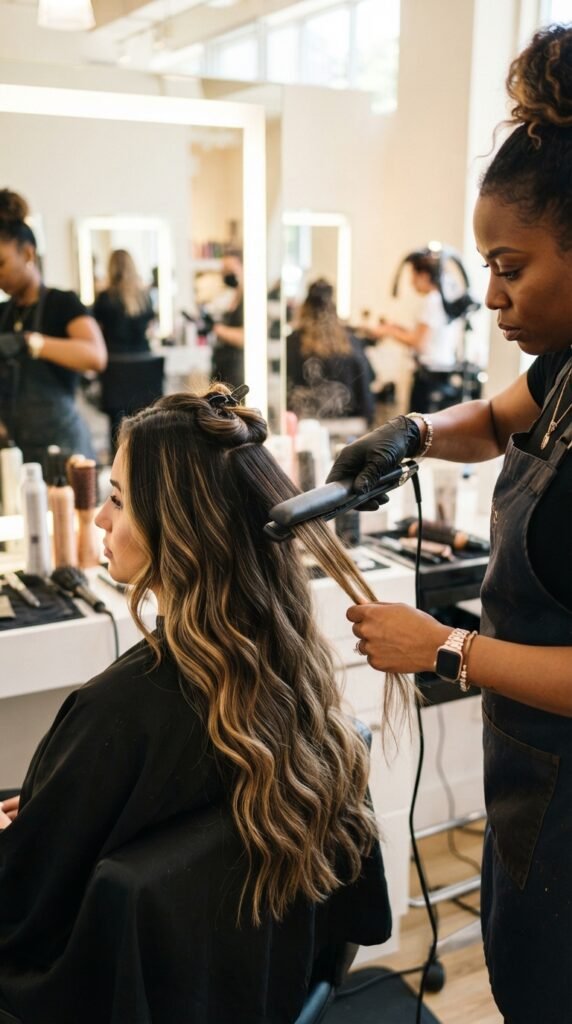
Extension hair—especially if it’s human hair—can’t always handle high temperatures like your natural hair can.
I used my usual 400°F and ended up with frizzy, slightly damaged pieces near the ends. Lower your heat setting to below 350°F.
Also, always use a heat protectant. Always. Even if you’re in a rush. I promise it makes a difference.
Brushing Is a Whole Skill
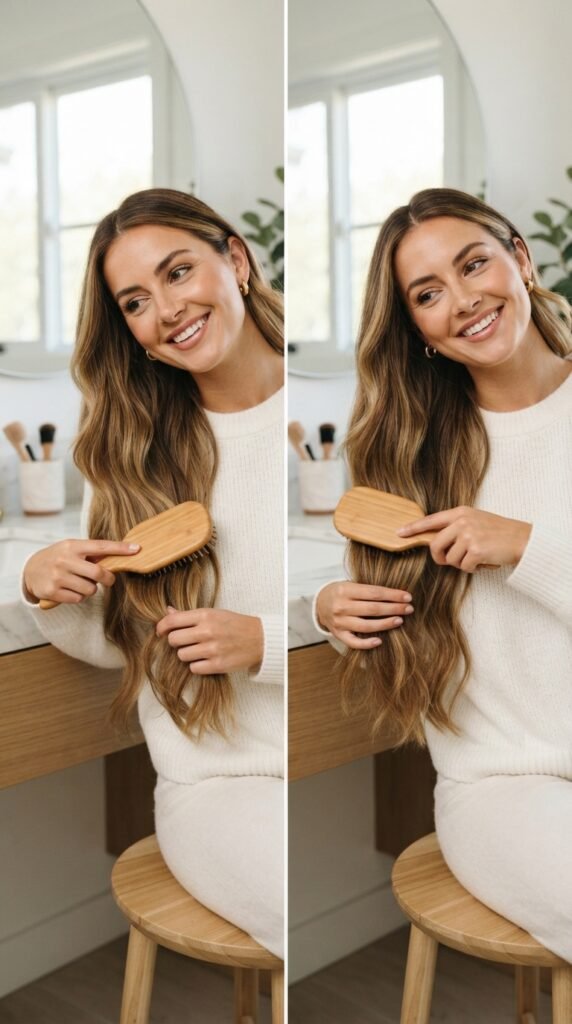
Brushing extensions from the root is a huge mistake. You’ll tug at the bonds and pull your natural hair.
Start at the ends and work your way up slowly. Use a soft-bristle brush or a looped extension brush.
And carry a mini brush in your bag. Tangles sneak up on you by lunchtime, especially on windy days.
Wet Hair Is Basically Danger Zone
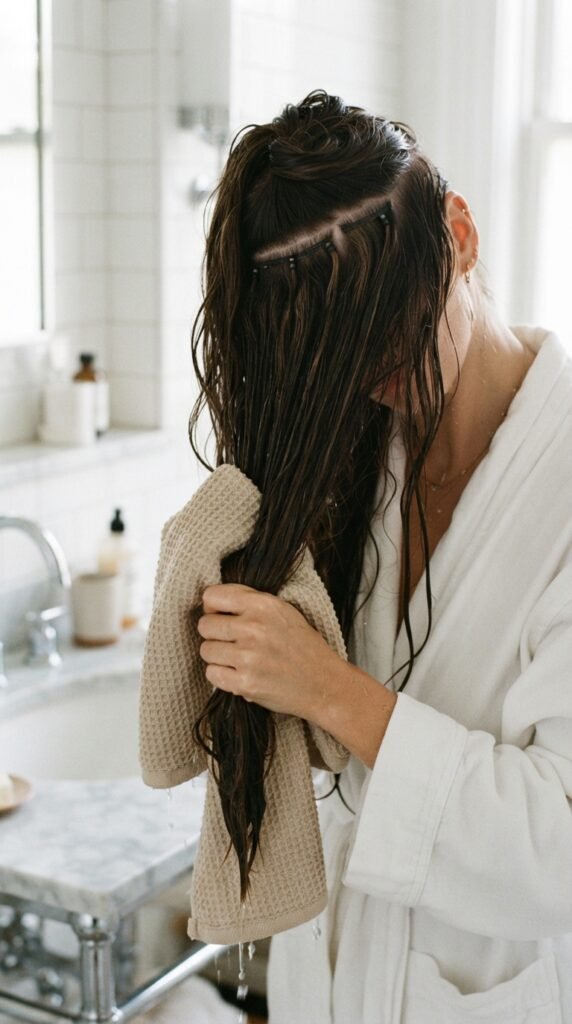
Wet hair is more fragile, and that goes double for extensions. Rubbing with a towel will instantly create frizz and tangles.
Pat your hair dry very gently. Then brush carefully before it gets too dry.
If you can, let your hair air dry or use a blow dryer with a diffuser. The less you handle it while wet, the better it behaves.
Swimming and Working Out? Plan Ahead
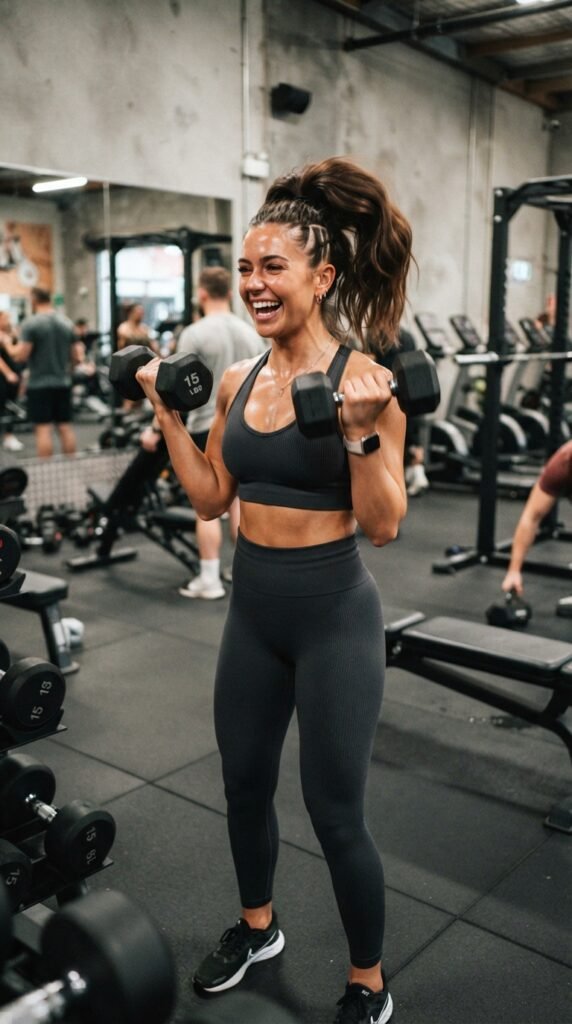
Sweat can break down bonds over time. Chlorine and salt water are even worse.
Before swimming, wet your hair and apply a leave-in conditioner. That creates a barrier against chlorine. And always rinse immediately after.
For the gym, a loose braid or ponytail is safest. Tight styles can pull on the bonds and cause tension headaches.
The First Few Days Feel Super Weird

You’ll feel the weight. You’ll feel the little tapes or rings when you touch your head. And you won’t be able to stop staring at yourself.
It honestly takes about a week to get used to how they move and swing.
Give yourself time. You’re not going to hate them forever. That “this feels weird” moment passes.
Itchiness and Scalp Pain Are Real

Your scalp is not used to having foreign objects attached to it. You might feel itchy, tight, or sore for the first few days.
Avoid scratching with your nails. Use a soft touch when washing and try a gentle scalp serum.
The pain fades as your scalp adjusts. But if it ever gets severe, go back to your stylist immediately.
The Ends Tangle Faster Than You Expect
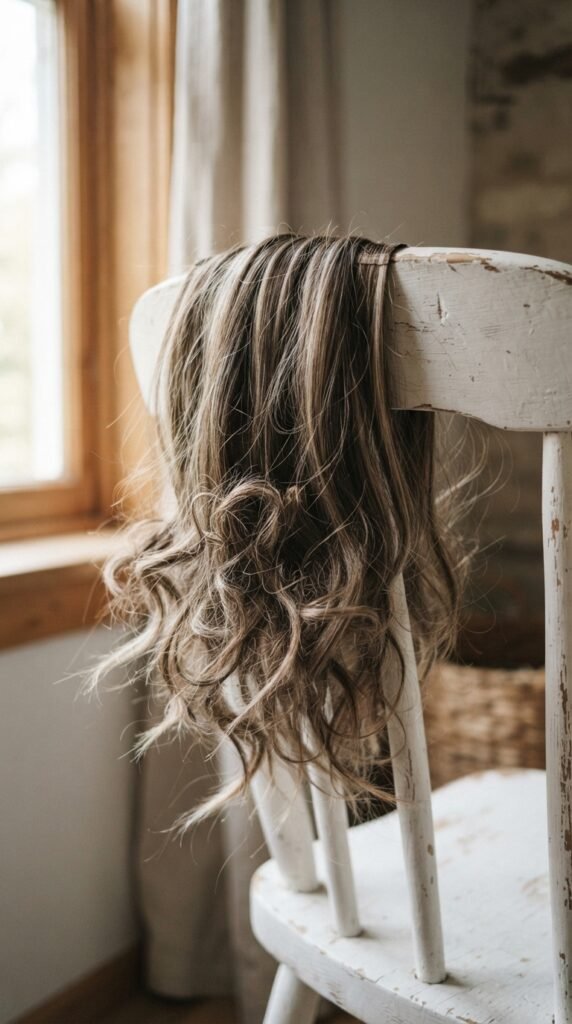
Long hair is gorgeous, but those long ends are tangle magnets. The lower half of your hair will knot up like crazy.
Use a detangling spray daily. Brush your hair more often than you think you need to. And don’t sleep on that loose braid.
I went from brushing twice a day to four times a day. It’s just part of the deal.
Color Fades Differently on Extensions
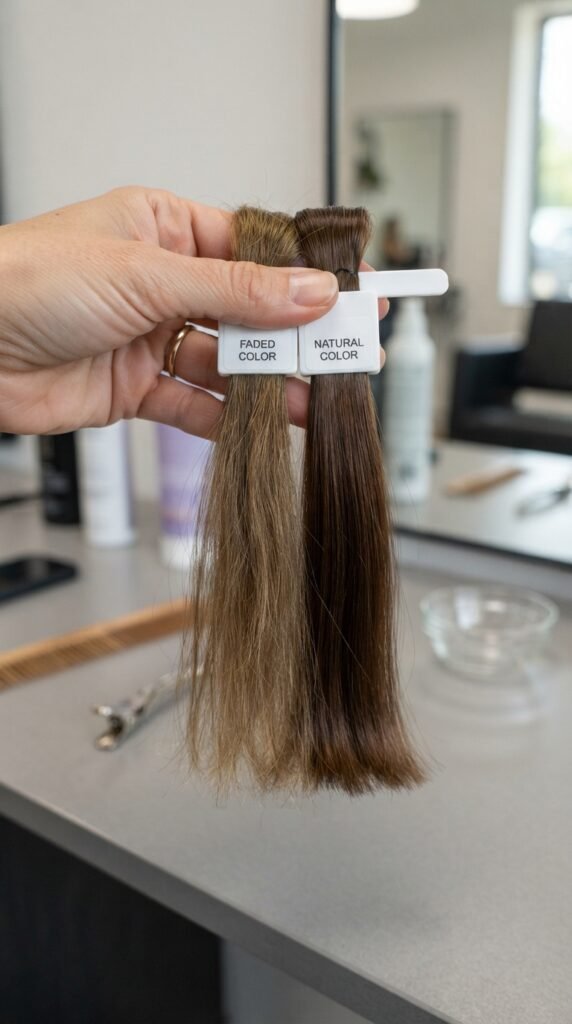
Your natural hair might hold onto color well, but extensions are often more porous. That means they can fade faster.
Additionally, your home shampoos and styling products might interact with the extension hair differently.
Ask your stylist for a color-safe routine that works specifically for the hair brand they used.
You’ll Suddenly Obsess Over Old Money Hair and Quiet Luxury Bobs

Once you have extensions, you start looking at every hairstyle trend differently. I found myself totally obsessed with 2026 hairstyles like the old money hair and the quiet luxury bob.
Those styles look stunning with a little extra length and volume. But I had to remember that not every trend fits my extension type.
If you want a bob, for instance, cutting long extensions is a huge commitment. Think carefully before you let scissors anywhere near them.
Romantic Goth and Vampire Hair Are Trending, But Extensions Aren’t Always the Base

If you love the romantic goth hairstyles or the viral vampire haircut, you might be tempted to use extensions to fake that longer, wispy look.
But those styles often rely on cutting and layering. You need a stylist who understands how to cut extensions without ruining them.
Also, heavy black dye on extensions can make them feel stiffer. I learned that the hard way when I almost went full dark for a fun weekend.
Asymmetrical Lob, Hime Cut, and Glitchy Glam Hair Are Fun Only With the Right Base
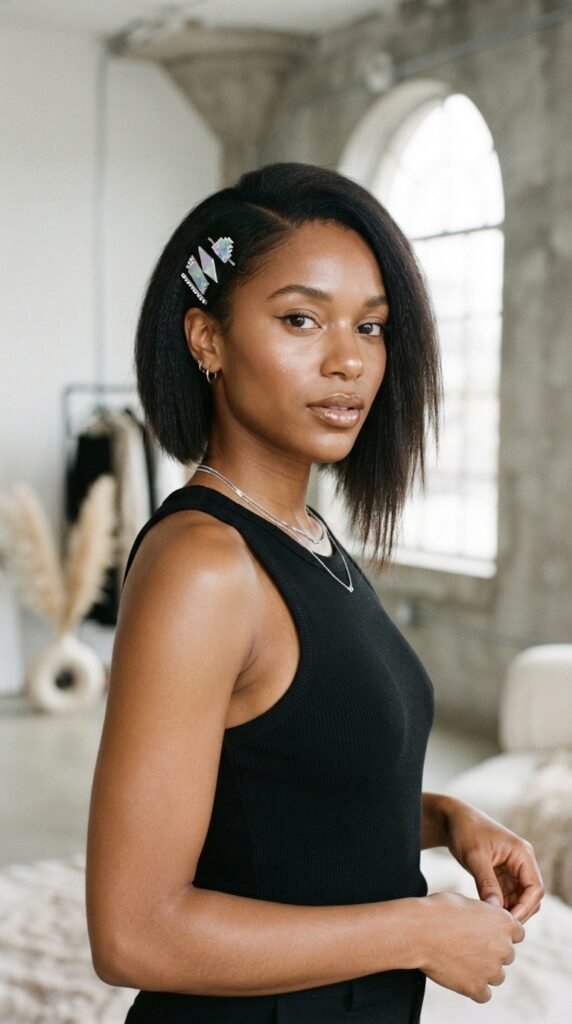
The asymmetrical lob is one of my favorite 2026 hairstyles, but it looks best on natural hair or high-quality extensions that can be cut into that shape.
The hime cut is another trendy option, but its sharp lines require precision. Your extension wefts might not sit exactly where you want them for those geometric layers.
And glitchy glam hair—think metallic threads and tiny accessories—can snag on tape-ins. Talk to your stylist first about what’s realistically possible.
Removal Day Is a Whole Production
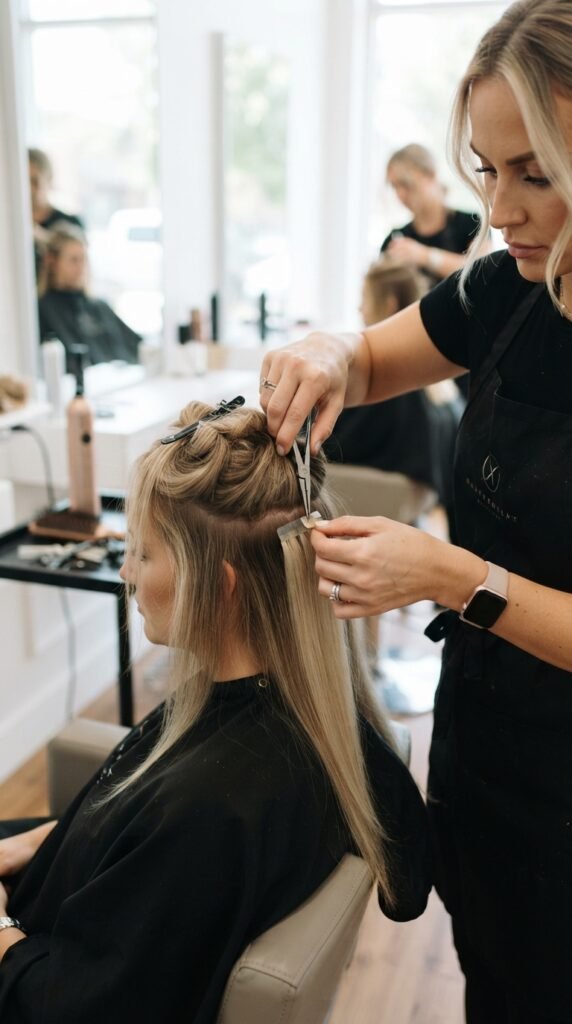
You can’t just rip them out at home. Proper removal takes time, patience, and the right solvents.
If your stylist rushes, they can pull out natural hair with the extensions. That’s a nightmare no one needs.
Book a full removal appointment when the time comes. And be prepared to see your natural hair feel thin and flat for a week.
Your Natural Hair Might Shed a Little—or a Lot

Some shedding is normal because extensions trap the hair that would normally fall out. You only notice it after removal.
But if you lose way more than normal, your extensions might be too heavy or installed incorrectly.
This is why regular check-ins with your stylist matter so much. Don’t just wait for your next appointment to “see how it feels.”
Quality Hair Makes All the Difference
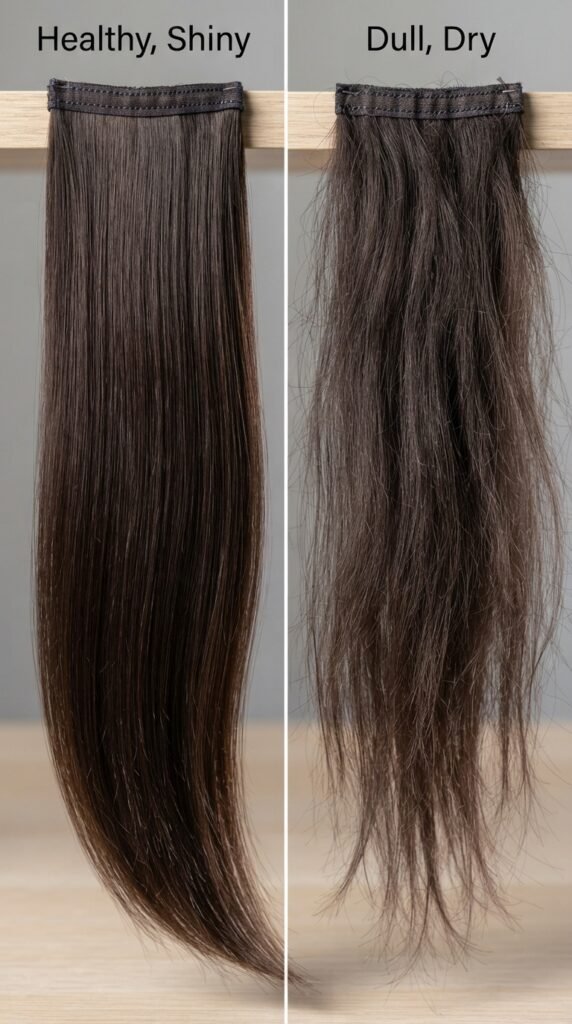
I almost bought cheap synthetic-looking extensions online. I’m so glad I didn’t. Remy human hair is the gold standard for a reason.
It moves better, lasts longer, and feels like your real hair. Cheap options can tangle, matte, and look obviously fake.
Ask your stylist what brand they carry and what grade they recommend. Your future self will thank you.
Take Pictures Before You Commit
I wish I had taken detailed photos of my natural hair from every angle before getting extensions. Now when I want to switch back, I have no reference.
Snap some front, side, and back shots. Also write down the exact shade and type of extensions they used.
That way, if you ever want to repeat the look, matching it one year later will be way easier.
So, that’s the truth about extensions. They’re not a quick fix—they’re a lifestyle. But they’re also a lot of fun when you’re prepared.
If I still felt unsure, I’d do one more consultation with a specialist. And I’d definitely save this post to Pinterest so I can revisit it before that first appointment.
Have you had extensions before? What’s the one thing you wish someone had told you? Drop it in the comments—I’d love to hear your story.