How to Prevent Heat Damage While Still Curling Daily
Let’s be real for a second. If you curl your hair every day, you’ve probably had that moment where you catch your ends in the mirror and think, “Wait… when did my hair start feeling this rough?” I’ve been there, friend. That’s exactly why I dug into every trick, product, and routine to keep my daily curls looking great without turning my strands into straw.
The good news? You don’t have to choose between bouncy curls and healthy hair. A few simple changes can protect your strands while still giving you the style you love. In this post, I’m sharing my honest, practical routine, plus how to work with 2026 hairstyles like romantic goth looks, old money waves, and glitchy glam hair without frying your ends.
You’ll be able to start tonight with one small tweak. Let’s dive in.
Why Heat Damage Builds Up Quietly
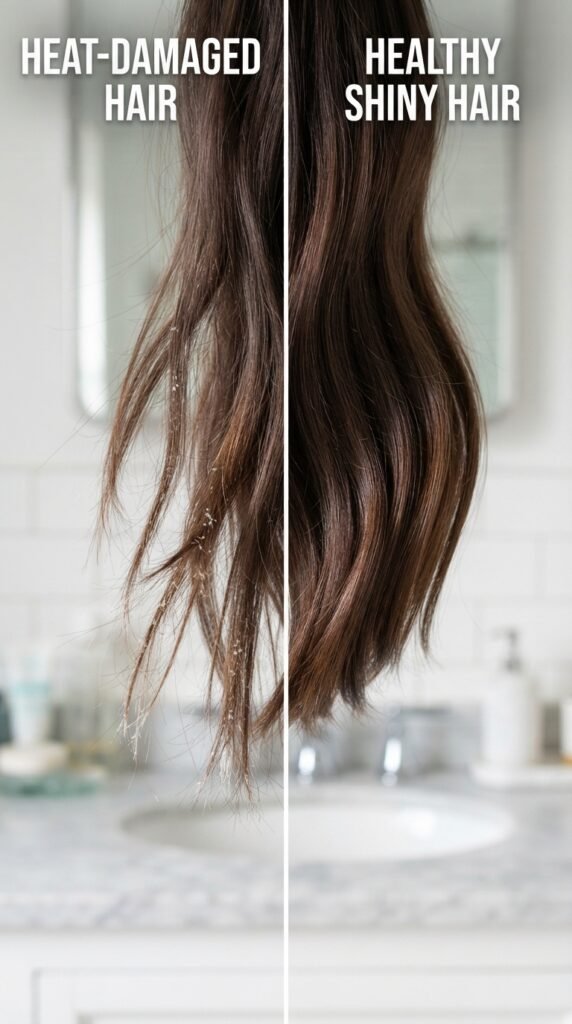
I used to think heat damage only happened to people who never used heat protectant. But it’s sneakier than that. It builds up through tiny everyday habits, like re-curling a section that didn’t quite set, holding the barrel a few seconds too long, or cranking the temperature up when you’re running late.
Over time, hair loses moisture and elasticity. It feels rougher, snaps more easily, and curls don’t hold as well anymore. The worst part? You don’t notice until the damage is already there.
Here’s the fix: know these three habits and avoid them.
- Curling the same strand more than once
- Using a heat setting hotter than you need
- Skipping protectant on rushed mornings
Small changes build into healthier hair fast.
The First Rule of Heat Protectant
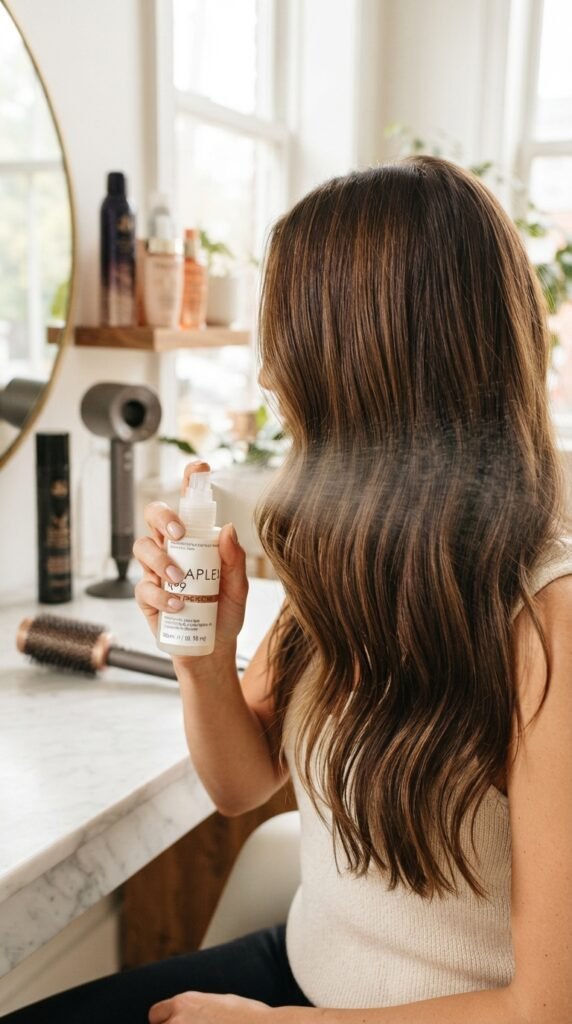
Here’s a mistake I made for years: spraying heat protectant on my hair right before curling and calling it a day. It does something, but there’s a way better approach.
Apply protectant in two rounds. First, spray generously on damp hair after your shower. Let it dry completely. Then, right before you curl, add a light second layer over dry hair. This creates a proper shield against the heat.
- Round one: damp hair
- Round two: dry hair
- Wait 30 seconds before styling
It takes two extra minutes and makes a huge difference for daily curlers.
Choosing the Right Barrel Size
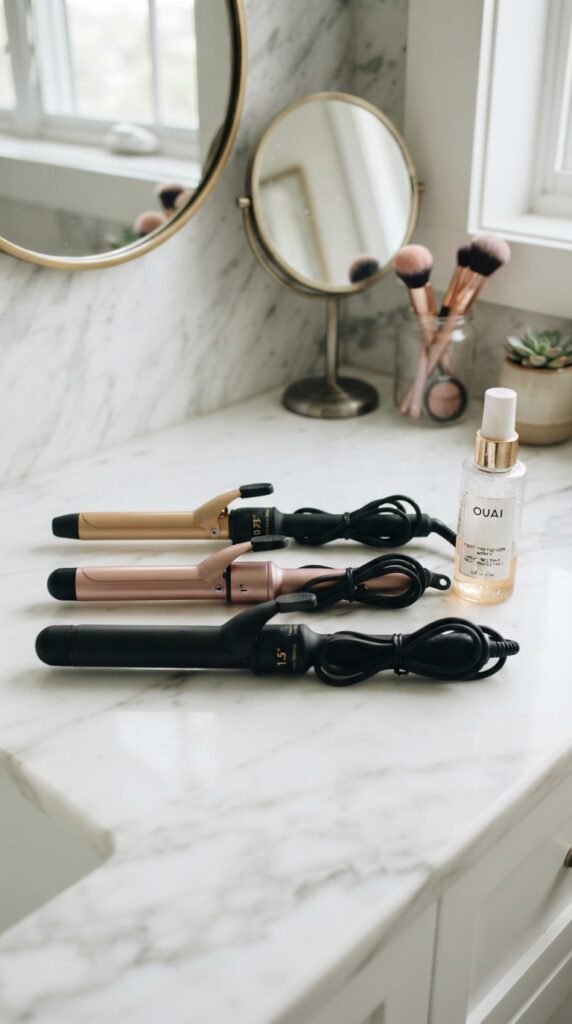
Not all curls are the same, and the wrong barrel size can force you to use more passes than necessary. The right one helps curls set on the first try.
- 0.75 inch: tight, romantic ringlets
- 1 inch: classic daily curls
- 1.25–1.5 inches: loose old money waves
Think about your haircut too. A quiet luxury bob looks gorgeously polished with an inch barrel. An asymmetrical lob shines with a slightly bigger barrel for relaxed movement. If you’re working with a hime cut, keep the smaller wand just for the back layers and leave the front straight.
Match the barrel to your style, and you’ll need less time—and less heat—every morning.
Set the Right Temperature
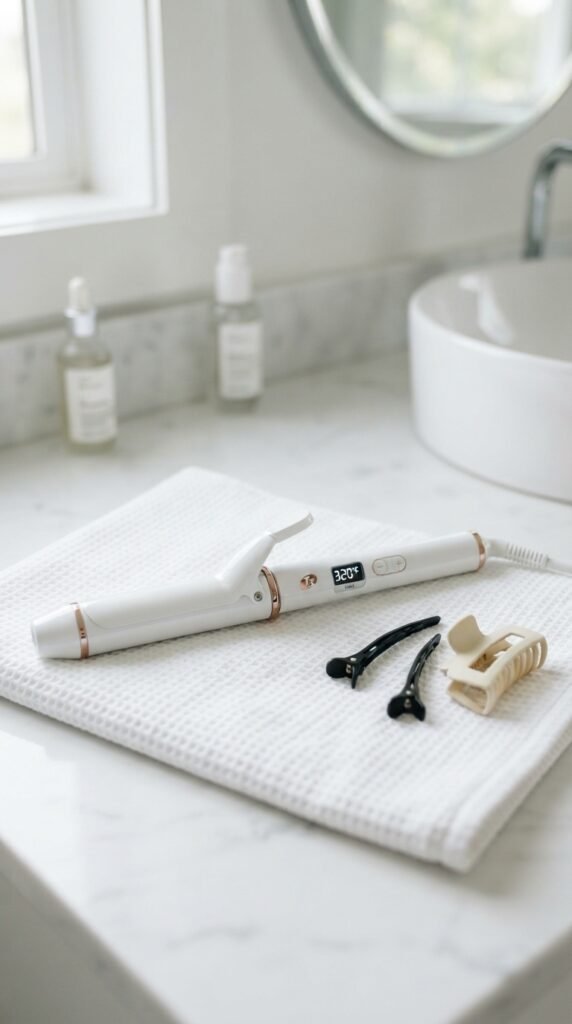
Most curling irons can go up to 400°F, but most of us don’t need that at all. Lower temperatures are safer for your hair and actually hold curls well when used correctly.
Use this as your starting point:
- Fine, thin, or color-treated hair: 300–320°F
- Normal, healthy hair: 330–350°F
- Thick or coarse hair: 360–390°F max
If your curls don’t hold at the lower setting, the problem probably isn’t temperature. It may be sections too big or not allowing curls to cool properly. Try those fixes before you turn up the heat.
Your hair will look better and feel better.
Night-Before Prep That Cuts Styling Time

The best way to prevent heat damage is to give your curling iron less work to do. A little overnight prep can reduce your morning styling time by half, which means less heat on your strands overall.
Try this easy routine:
- Mist damp hair with a lightweight leave-in conditioner.
- Braid your hair in two loose braids.
- Sleep on a silk or satin pillowcase.
In the morning, you’ll have soft beachy waves. Curl only the two or three pieces around your face to polish the look, then go. Those few extra minutes before bed save your hair from minutes of heat exposure the next day.
The Sectioning Trick That Saves Strands
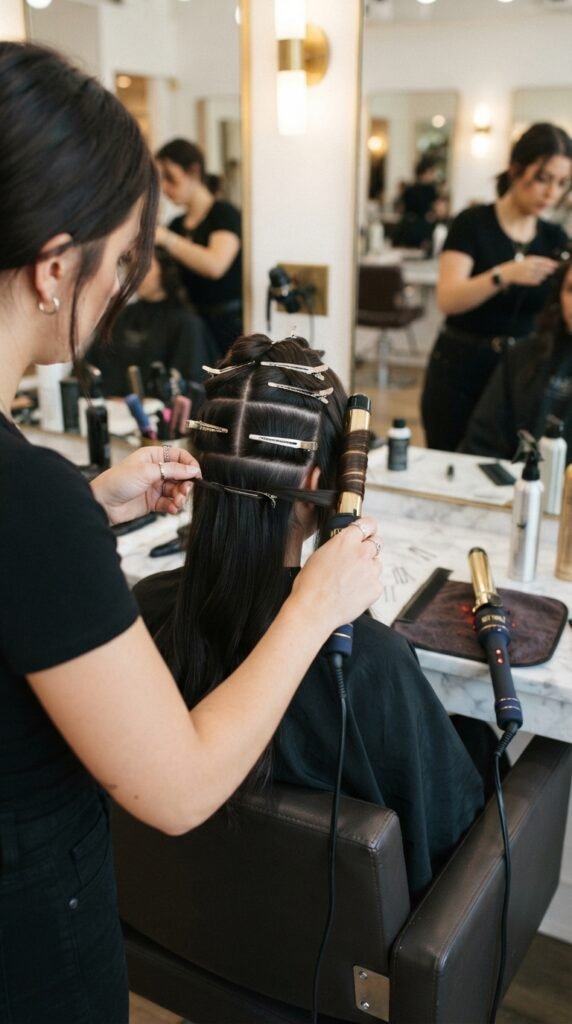
I’ll admit it: I used to grab huge chunks of hair, wrap them around my wand, and wonder why some pieces stayed straight. Then I’d go over the same chunk again, and again, and again. That’s exactly where damage lives.
Take smaller sections. Around one inch wide is ideal for most wands. Pin the rest of your hair out of the way and work from the bottom layer up.
This way, each section is curled evenly on the first attempt. No reheating, no double passes, no unnecessary damage. It feels slower at first, but once you get into the rhythm, it actually goes fast.
Real Talk: How Often Can You Curl?
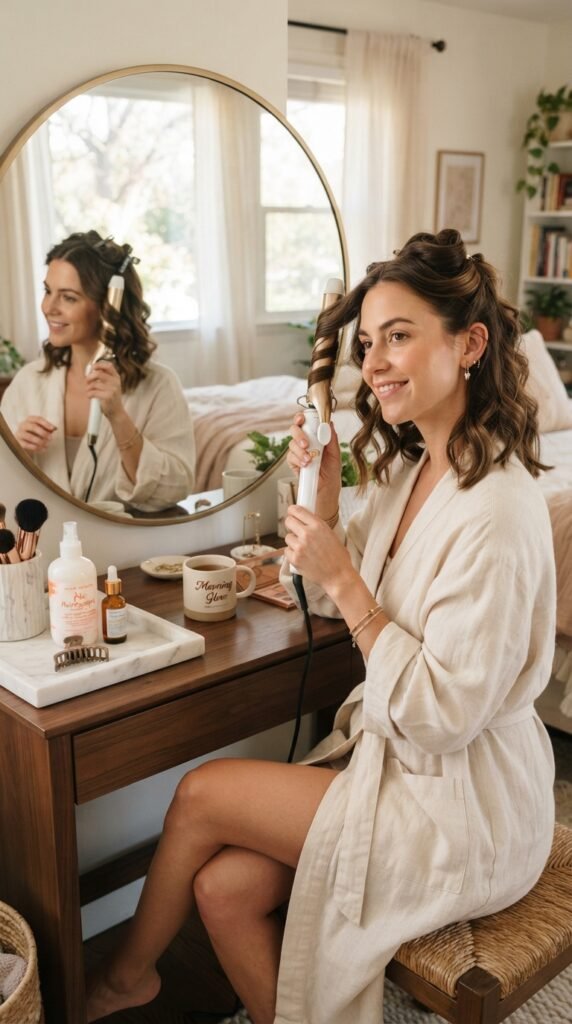
Can you honestly curl your hair every single day? Yes—but your hair health depends on how you do it and what you do on your off days.
Here’s a realistic approach:
- Aim for max five heat-styling days each week
- Use one or two days for heat-free curls
- Never force heat on hair that’s already brittle or snapping
If you’re hitting the gym or having a slow work-from-home day, skip the iron and throw your hair in a sleek pony. Your ends will thank you, and your daily curl pattern will still be there when you need it.
Heat-Free Curls for Your Rest Days
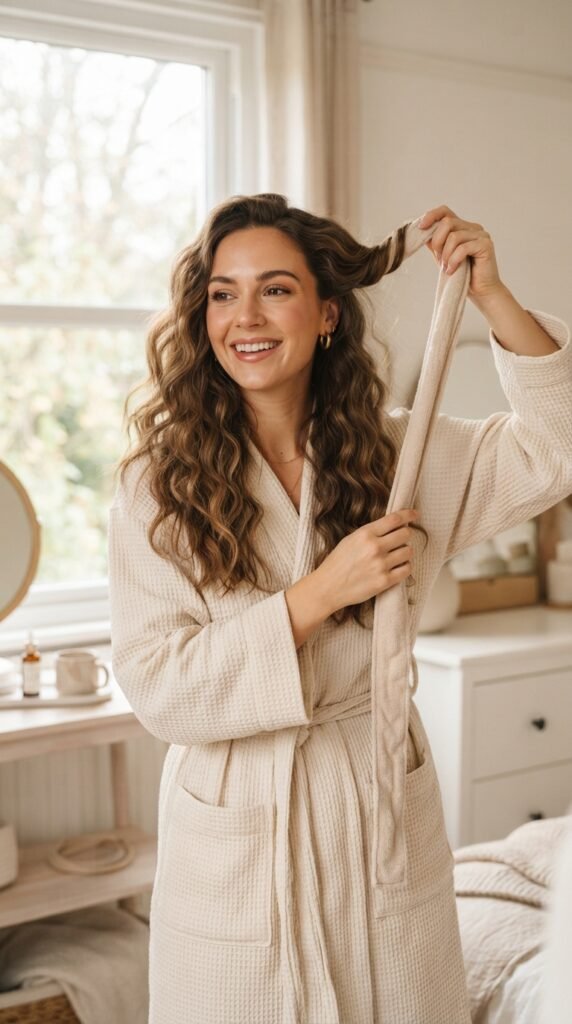
Rest days don’t mean boring hair. My favorite trick is the bathrobe belt curl, and it honestly works better than expected.
- Dampen your hair slightly.
- Wrap one-inch sections around a soft bathrobe belt.
- Tie the belt into a loose knot and leave it.
- Take it down after a few hours or in the morning.
You’ll get soft, bouncy curls with absolutely zero heat. Loose French braids also give you romantic goth waves overnight. If you have a vampire haircut, these heat-free waves will show off your layers beautifully without ever plugging in an iron.
Get Old Money Hair Without the Heat Burn
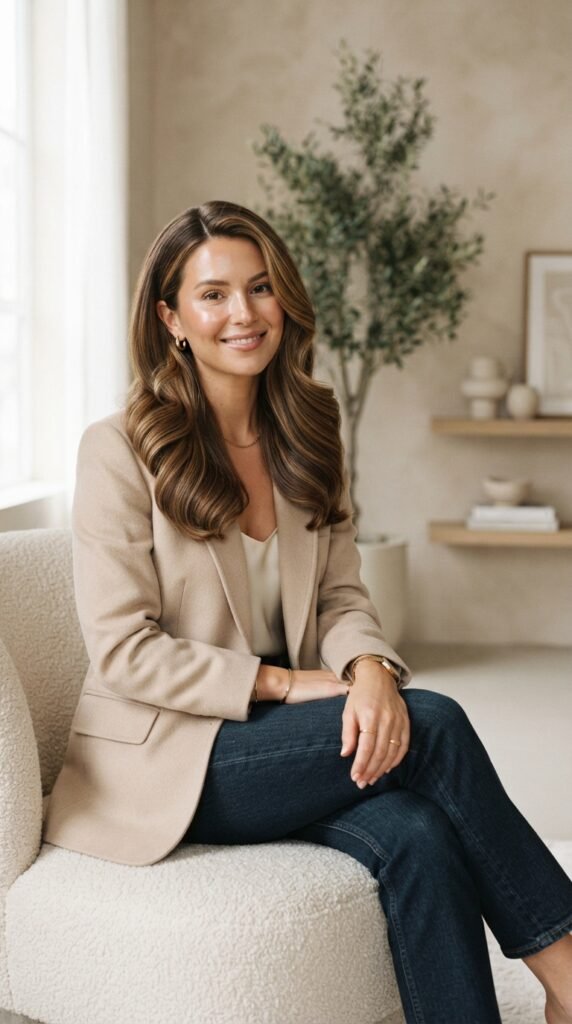
Old money hair is having a serious moment in 2026, and it’s surprisingly easy to achieve without damage.
This look isn’t about tight curls at all. It’s about smooth movement, glossy texture, and soft brush-out waves. Use a large one-and-a-half-inch wand at 320°F, wrap hair loosely, and leave the ends out. Let the curl cool completely, then brush gently.
Finish with a lightweight shine spray. The result is that quiet, polished, expensive-looking hair—with your ends still feeling healthy and smooth. Once you nail this technique, you won’t want to go back to tight curls.
Styling the Quiet Luxury Bob With Low Heat

The quiet luxury bob is the hairstyle I keep seeing everywhere, and it is one of the easiest cuts to curl without heat damage.
Since there’s less hair, you don’t need as much heat or time. Use a flat iron at about 300°F to gently bend the ends under. Or grab a one-inch wand and curl away from the face for a polished finish.
A few rules for this cut:
- Never hold the iron longer than five seconds per section
- Point the barrel down to avoid kinks
- Let curls cool before touching them
That’s how you get a sleek, expensive bob that still moves naturally.
Asymmetrical Lob: Low-Heat Waves in Minutes

The asymmetrical lob is such a fun 2026 hairstyle, and the uneven lengths do half the styling work for you.
Because the front and back are different lengths, you don’t need to curl your entire head evenly. Focus on the longer side, wrap one-inch sections around a medium barrel, and give yourself loose, undone waves.
On the shorter side, simply smooth it slightly or tuck it behind your ear. This contrast is what makes the cut look intentional and editorial.
Add a small amount of texturizing spray to keep the shape without extra heat passes.
Romantic Goth Hairstyles: Dark, Soft, Heat-Smart

Romantic goth hairstyles are all over 2026 inspiration boards, and I love how low-maintenance they can be.
This look leans into soft, touchable waves and dramatic face-framing layers. It should feel like dark elegance, not crispy styling. The best way to get it? Use velcro rollers overnight, or curl your hair with a one-inch wand on a low setting.
Then finger-comb the curls and let them fall into a deep side part.
- Finish with a flexible-hold hairspray
- Add a sheer shine mist
- Keep the texture soft, not crunchy
You get the vibe without putting your strands through heat hell.
Glitchy Glam Hair: Texture Without the Torch
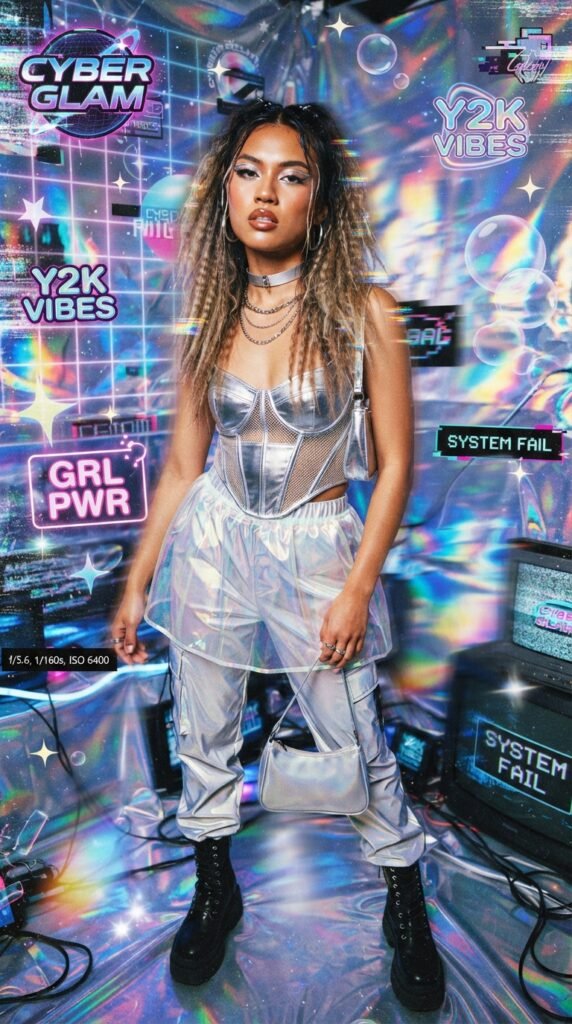
Glitchy glam hair is one of the coolest 2026 hairstyles. It looks like an artistic screen glitch, disconnected and textured, and it is surprisingly friendly to your hair.
You don’t need a scorching-hot iron to create this. A crimper at 290°F on alternating sections is enough, or you can braid tiny strands overnight to get the same uneven texture.
Once your hair has the bend, rub a tiny bit of wax between your palms and pull pieces apart.
- Low temperature
- Small sections
- Pull and break up the texture
This is the exact kind of high-fashion look that doesn’t ruin hair.
Vampire Haircut Styling Without Extra Damage

The vampire haircut is another gorgeous 2026 trend, with long layers that curl softly around your face. The good news? The cut itself does most of the work.
To style it, apply mousse to damp hair, then air-dry or blow-dry with your head flipped upside down. This creates natural root lift and soft bend.
If you want more drama, set the face-framing pieces in velcro rollers for ten minutes while you do your makeup.
Then release them and run fingers through the ends. You’ll get that romantic, vampy shape with hardly any direct heat on your strands.
Hime Cut: Protect Those Signature Pieces
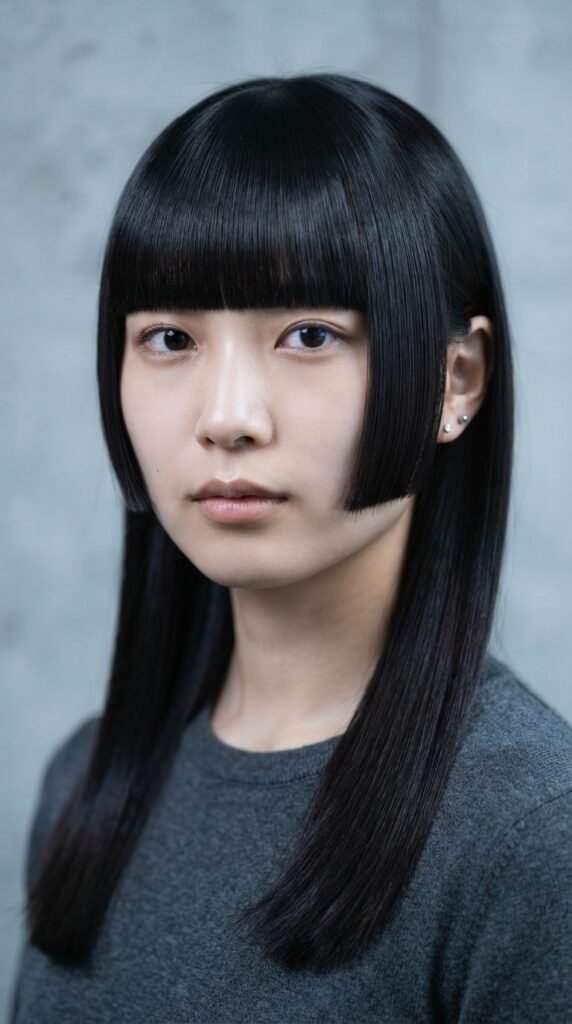
The hime cut is instantly recognizable: those sharp, straight face-framing pieces in the front. And to be honest, those pieces should never go near a curling iron.
The beauty of this Japanese-inspired cut is the contrast between the straight front and the layered back.
- Clip the front pieces away while styling.
- Curl the back layers loosely with low heat.
- Take down the front and leave it sleek.
Smooth the front pieces with a light serum instead of heat. This preserves the hime cut’s signature shape while keeping the ends healthy and sharp.
The Cool-Down Hack That Locks in Curls
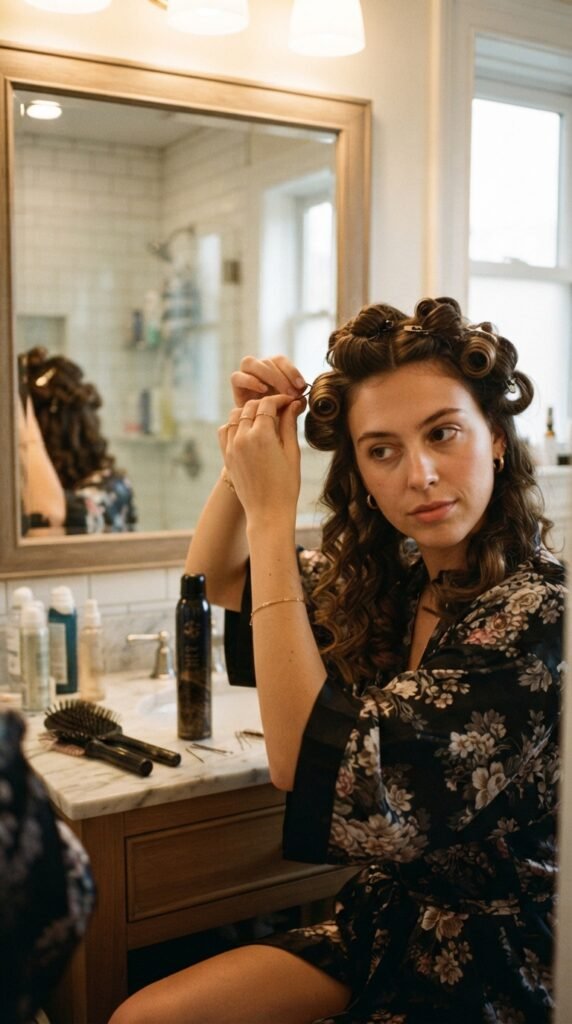
This one trick changed my whole curly routine: curls set as they cool down.
Most of us release a curl from the wand immediately, touch it, and wonder why it falls flat an hour later. Instead, after you wrap each section, let the curl sit in your palm for a second, then pin it up in a loose coil.
Keep the pins in until you finish your whole head. When you take them all down, the curls feel soft, springy, and locked into place.
You can even do this with heat-free overnight curls. Cooling slowly is the secret to staying power, which means no more touching up on lunch breaks.
Stretch Your Curls for Two or Three Days
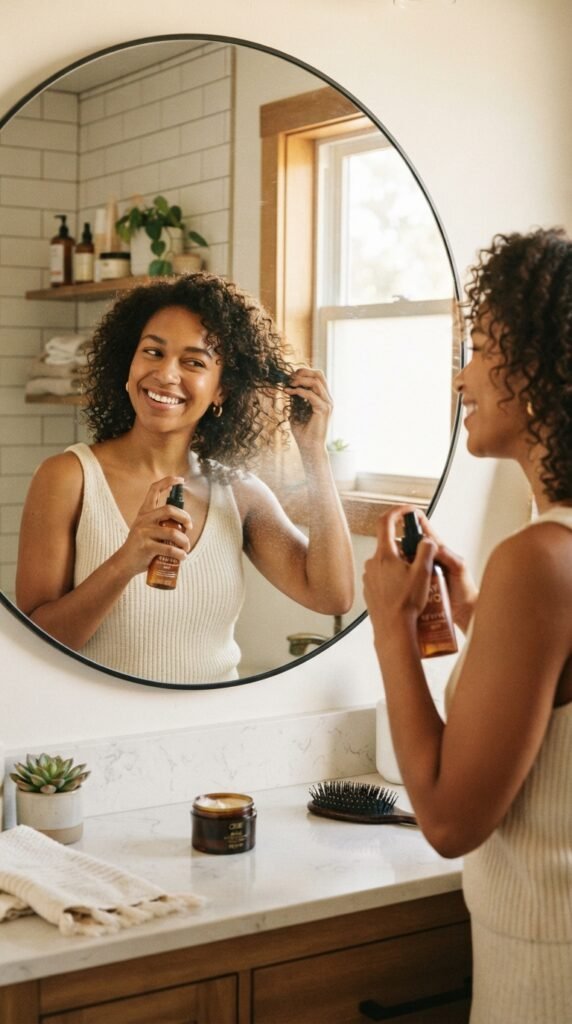
Daily curling is hard on hair mostly because you’re reheating the same strands over and over. The easiest fix is to make your curls last longer.
Here’s my day-two refresh routine:
- Lightly spritz your hair with water
- Spray a flexible-hold hairspray
- Re-curl only the pieces around your face
On day three, pull everything into a low, sleek pony or use a silk claw clip. You’ve just turned seven heat days a week into three or four. That one change can save your ends more than any expensive serum. Less heat equals more healthy length.
Your Weekly Repair Reset
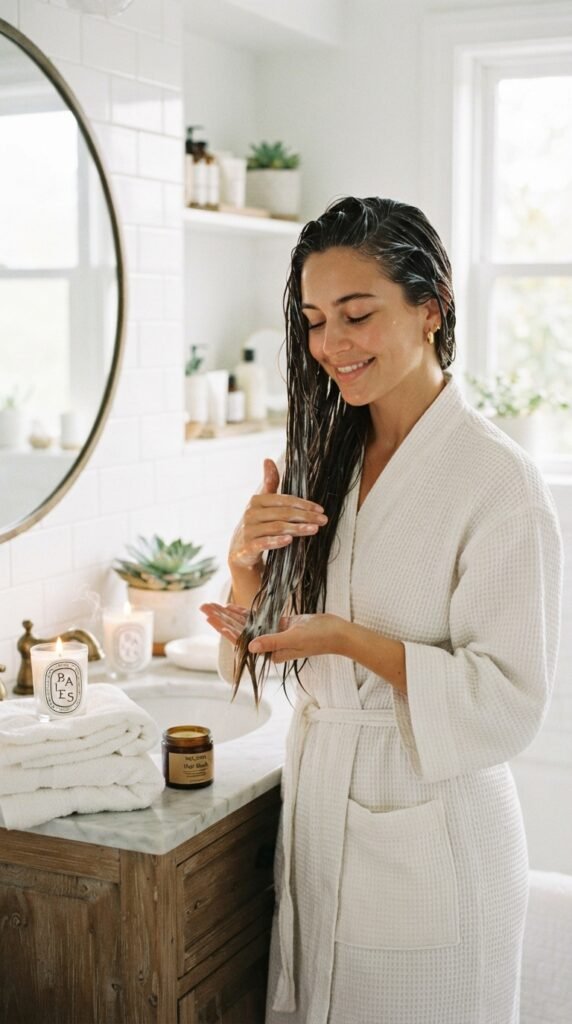
If you curl daily, your hair needs a weekly maintenance day to recover.
Treat it like a mini salon visit with this simple reset:
- Wash with a gentle sulfate-free shampoo.
- Apply a bond-strengthening mask for ten minutes.
- Rinse with cool water.
- Seal damp ends with a few drops of hair oil.
Do this once a week, ideally on a night when you’re home and not styling. Your hair gets a chance to rebuild before the next five mornings of waves.
Consistency matters more than product price.
Know When to Skip Heat Completely

Some days, the most loving thing you can do is put down the curling iron.
If you notice any of these signs, give heat a break:
- Hair feels rough or sticky after washing
- More hair is shedding than normal
- Ends look see-through or frayed
- Your styling time is increasing because hair won’t hold curls
When this happens, go heat-free for a few days. Use loose braids, a silk scarf, or just wear your natural texture in a slicked-back style.
A planned heat holiday fixes what products can’t.
2026 Hairstyles That Love Your Natural Texture
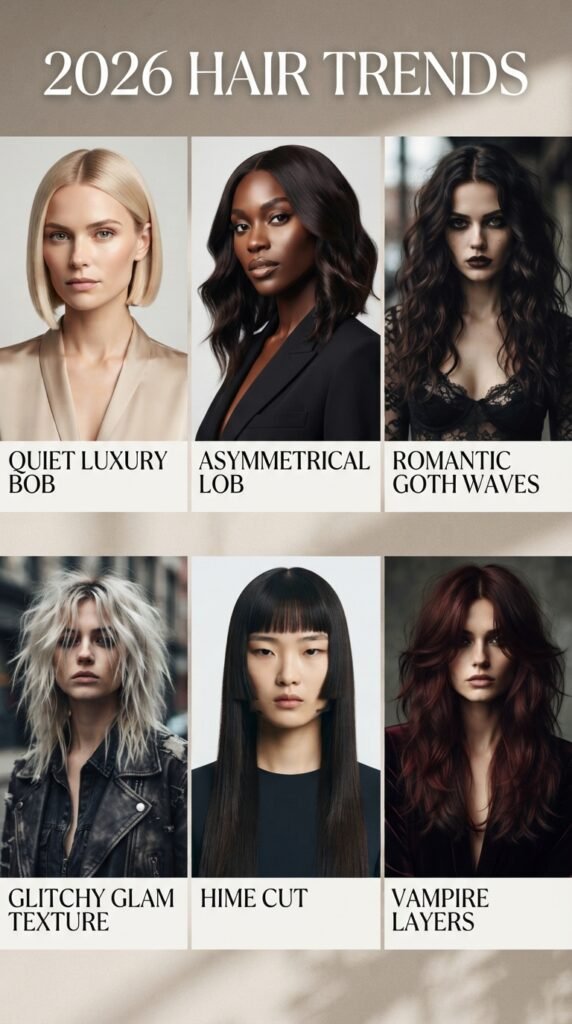
The best part about 2026 hairstyles is how many of them embrace natural texture. Trends are moving away from stiff, perfectly curled rows and toward softness, polish, and movement.
- Quiet luxury bob: sleek and smooth
- Asymmetrical lob: air-dried waves
- Romantic goth: soft dark volume
- Hime cut: blunt and straight
- Vampire haircut: lived-in long layers
- Glitchy glam: artistic and textured
These styles are designed to look good with less heat. That means dusting off your natural waves, using rollers for bends, and letting a great haircut do the work for you.
One More Thing: Listen to Your Hair
At the end of the day, no one knows your hair better than you do. Not me, not the internet, not that one viral stylist video.
If your hair responds well to daily curling with the right protectant and low heat, keep going. If it feels dry, tight, or you find more breakage, ease off for a few days.
Try applying one new tip from this post at a time. Maybe just lower your heat setting or start the double protectant trick. Small changes compound, and before you know it, you’ll have daily curls and healthy ends.
That’s the real hair win.
Okay friend, that’s my honest full guide. I hope it takes some of the guilt away from loving your daily curls. The goal isn’t perfection—it’s having a routine that makes you feel good and keeps your hair healthy enough to keep curling tomorrow.
I’d love to hear what you do to protect your strands. Are you team low heat, team heat-free rest days, or a little bit of both? Drop a comment below and tell me your favorite way to wear your curls right now.
Save this post to Pinterest so it’s there when you’re getting ready tomorrow morning. And share it with a friend who’s still cranking her iron to 400 degrees—she needs this.