AITAH for Refusing to Lend My Car to My Best Friend Even Though She Said She Was Desperate?
When someone you care about is in a bind, saying no can feel like betrayal. But are you truly the villain if you set boundaries with your own property? Today’s AITAH scenario explores the tricky territory between generosity and self-preservation—and why standing firm sometimes sparks unexpected resentment.
The Backstory: A Favor That Felt Like an Obligation
The original poster—let’s call him Mark—shared his dilemma on Reddit’s r/AITAH community. Mark, 32, owns a reliable, paid-off car that he takes meticulous care of. It’s his main mode of transportation to work, and he depends on it daily.
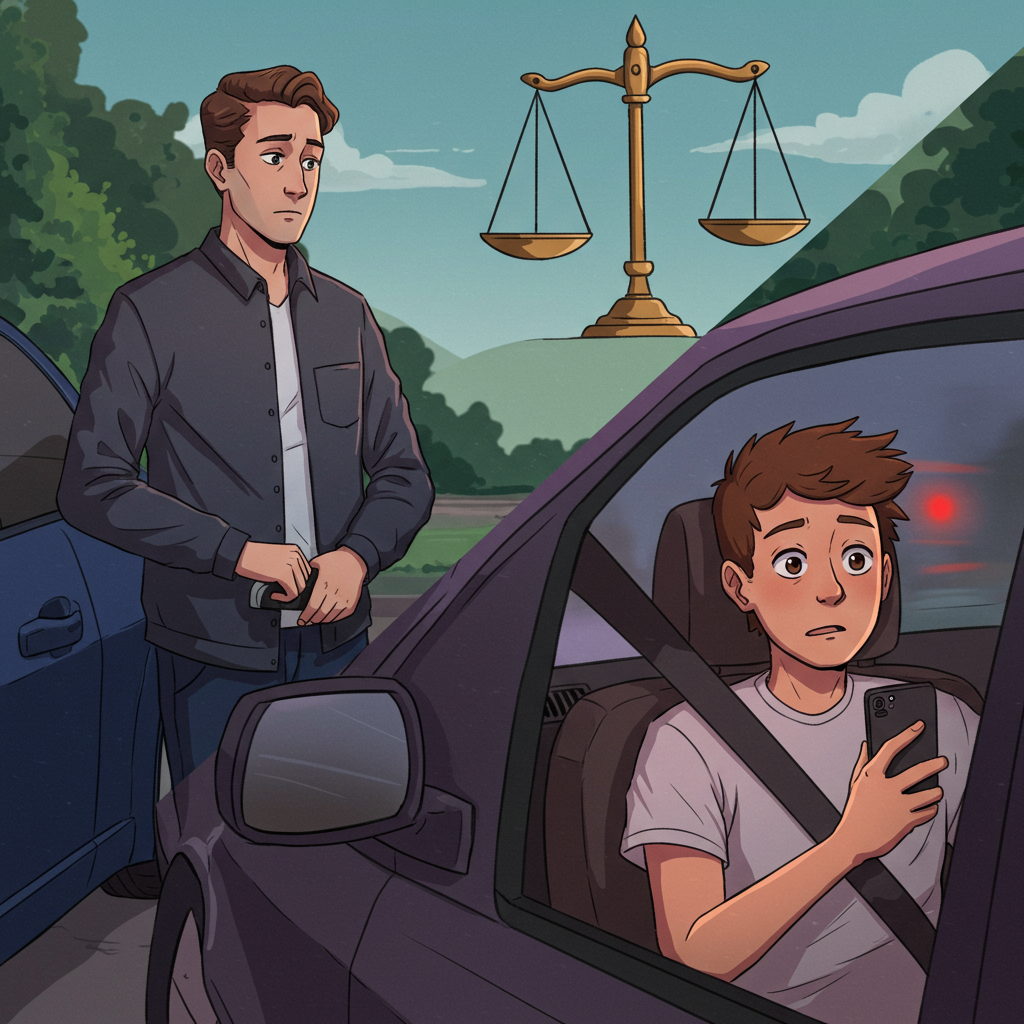
Recently, Mark’s best friend of ten years, Jason, 33, called him in a panic. Jason’s car had broken down, and he needed to borrow Mark’s vehicle “just for a few days” to commute to work and pick up his kids. He insisted it was an emergency and promised to take good care of it.
Mark was sympathetic but hesitant. He’s been burned before by lending out his car to another friend who returned it dented—and uninsured. He explained this to Jason and offered instead to help pay for a rental or ride-sharing service.
According to Mark, Jason became defensive and angry. He accused Mark of not trusting him, despite their long friendship. He said he felt humiliated that Mark wouldn’t “step up” to help him during a crisis.
Mark tried to explain his position calmly:
His insurance policy could be voided if someone else was driving without prior authorization.
He relies on the car for his own work.
He didn’t feel comfortable risking damage or liability.
Jason called him selfish and hung up. Since then, he hasn’t responded to texts or calls.
Feeling guilty but still uneasy about the situation, Mark turned to Reddit to ask: AITAH for refusing to lend my car, even though my friend insisted he had no other options?
To be fair, Jason was likely stressed and embarrassed. Transportation emergencies can quickly spiral into job loss, childcare issues, and financial setbacks. From his perspective, Mark’s refusal might have felt like abandonment—especially after a decade of friendship.
Some cultures and families also expect a kind of communal support when times get tough. Jason may have believed that “best friends” always help—no matter the inconvenience.
But even if you understand why someone is upset, it doesn’t mean their expectations are justified.
Drawing the Line: Why Saying No Can Be an Act of Respect
In this scenario, Mark’s refusal wasn’t about a lack of caring—it was about protecting himself from liability and stress. No friendship requires sacrificing your security or peace of mind.
Saying no doesn’t mean you don’t value someone. It means you value yourself, too.