Signs Your Scalp Needs a Gentler Haircare Routine This Winter
Winter is rough on hair, but nobody talks about the scalp underneath it. If your head has been itchy, tight, or just plain cranky since the temperature dropped, you’re not imagining it. Cold air outside, dry heat inside, and long hot showers all strip away the natural oils your scalp needs to stay calm.
Here’s the good news: you don’t need a whole new hair identity. Most of the time, it’s just a gentler routine — softer products, cooler water, and a little patience while your skin barrier recovers.
Below are the real signs your scalp is asking for a reset, plus the simple swaps I made this winter. Whether you’re growing out a quiet luxury bob or keeping up with 2026 hairstyles, a happy scalp makes every single look better.
Your Scalp Feels Tight and Itchy by Midday

Tightness is the first whisper. If your scalp feels pulled, dry, or itchy a few hours after washing, your cleanser is probably too strong for winter.
Try this:
- Switch to a sulfate-free shampoo for the season
- Shampoo only the roots, condition only the ends
- Skip the second wash unless your hair is genuinely dirty
This one change alone calms most winter scalp flare-ups within a week.
You Notice Flakes That Aren’t Dandruff
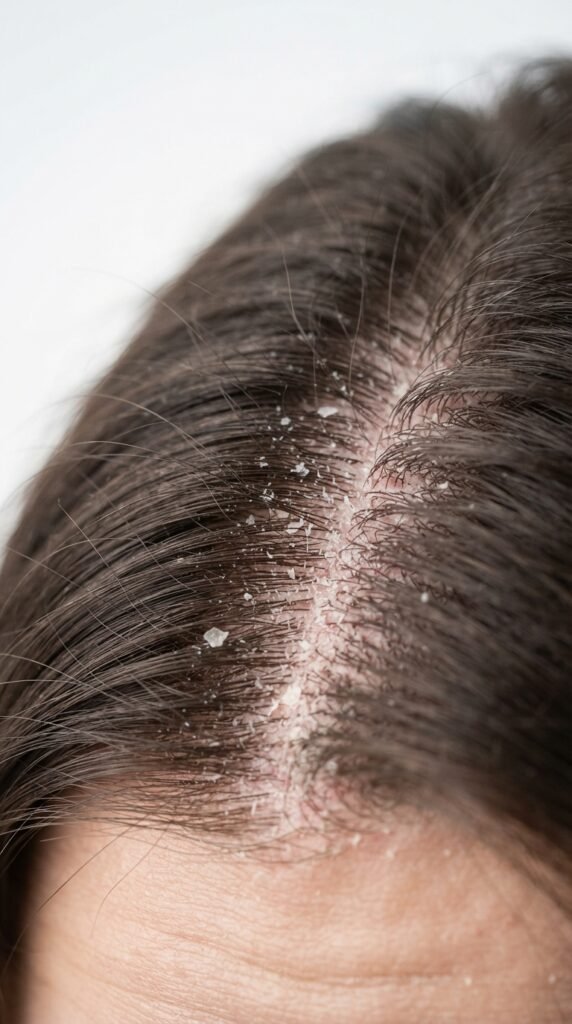
Not all flakes are dandruff. Dandruff is usually yellow, oily, and clustered. Winter flakes are small, dry, and white — more like dry skin shedding.
Dry flakes mean moisture, not medicine.
- Add a hydrating scalp serum with glycerin or hyaluronic acid
- Avoid scratching with your nails, use fingertips only
- Don’t pile on heavy oils if flakes feel greasy
If flakes are thick, stubborn, or itchy for weeks, see a dermatologist.
Hot Showers Suddenly Feel Like Too Much

I love a hot shower too. But hot water melts away the oils that protect your scalp, and winter is exactly when you need them.
Turn it down to lukewarm for the last rinse. Your scalp will thank you, and your color will last longer.
- Keep showers under 10 minutes
- Rinse with cool water at the end for shine
- Pat dry, never rub
Small tweak, huge difference.
Your Hair Dries Slower and Feels Coated

If your hair takes forever to dry and feels slick or waxy, you’re dealing with buildup — not moisture.
Winter products are heavier, and layers of leave-in, oil, and dry shampoo add up fast.
- Use a gentle clarifying wash every two weeks
- Skip heavy butters on your roots
- Apply products further down the hair shaft
Once buildup is gone, your quiet luxury bob will actually look sleek instead of greasy.
Static and Flyaways Have Taken Over

Static is basically your hair screaming for moisture. Dry air plus dry hair equals a halo of flyaways you didn’t ask for.
You don’t need to fight it with ten products.
- Add a lightweight leave-in conditioner
- Rub one drop of oil between palms and smooth over ends
- Keep a dryer sheet in your bag for emergencies
Hydrated hair holds shape better, which matters when you’re styling an asymmetrical lob or a hime cut.
Your Usual Shampoo Stings Now
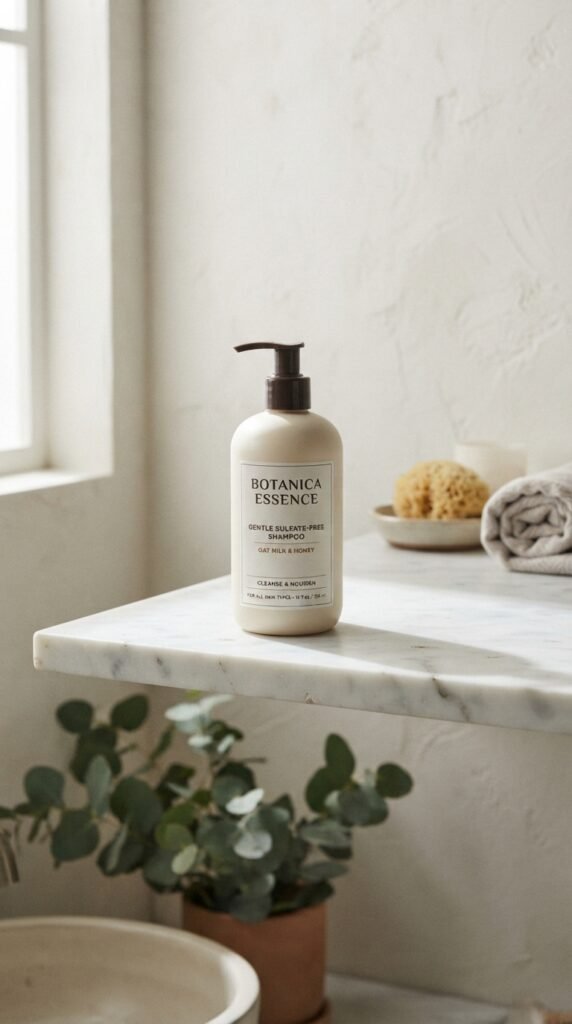
That tingle used to feel refreshing. If it now stings or burns, your scalp barrier is irritated and needs a break.
Set aside anything with strong sulfates, heavy fragrance, or menthol for a few weeks.
- Look for fragrance-free or low-fragrance formulas
- Check for coconut-derived cleansers instead
- Patch test new products behind your ear
Gentle doesn’t mean it won’t clean. It just means it won’t strip.
Redness or Tenderness Along the Hairline
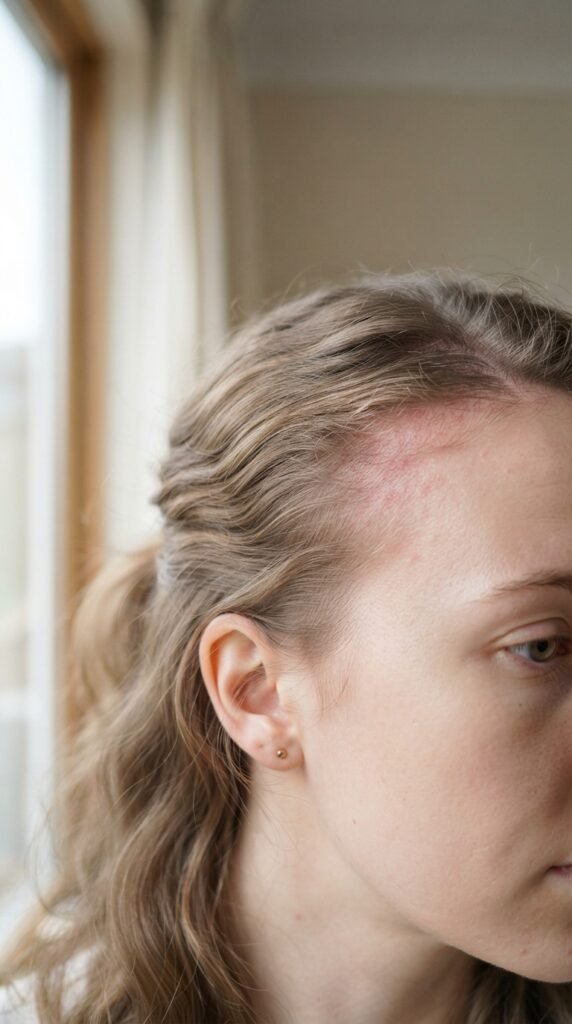
Redness along your hairline is your skin waving a red flag. It can come from tight hairstyles, harsh products, or even your winter beanie trapping heat and sweat.
Loosen up for a bit.
- Skip tight ponytails and slicked-back styles
- Wash your hats and pillowcases weekly
- Take breaks from heat tools near the roots
If redness spreads or comes with bumps, get it checked. You deserve a calm scalp, not a constant itch.
Color Fades Faster Than It Should

Fading color usually means your cuticle is open and your scalp is dry. Both happen fast in cold weather.
If you went darker for a romantic goth hairstyles vibe, protect that investment.
- Rinse with cool water only
- Use a color-safe, sulfate-free wash
- Add a weekly hydrating mask, mid-length to ends
Gentle care keeps bold color bold instead of brassy by February.
Your Bob Looks Flat Instead of Chic

A quiet luxury bob only works when the hair has body. If yours is collapsing, it’s usually a scalp and root issue, not a haircut issue.
Volume starts at the root.
- Massage your scalp for two minutes in the shower
- Use a lightweight root lift, not heavy mousse
- Blow dry roots in the opposite direction of growth
Healthy roots hold shape. That’s the whole secret behind effortless old money hair.
Styles Won’t Hold, Even on Good Hair Days
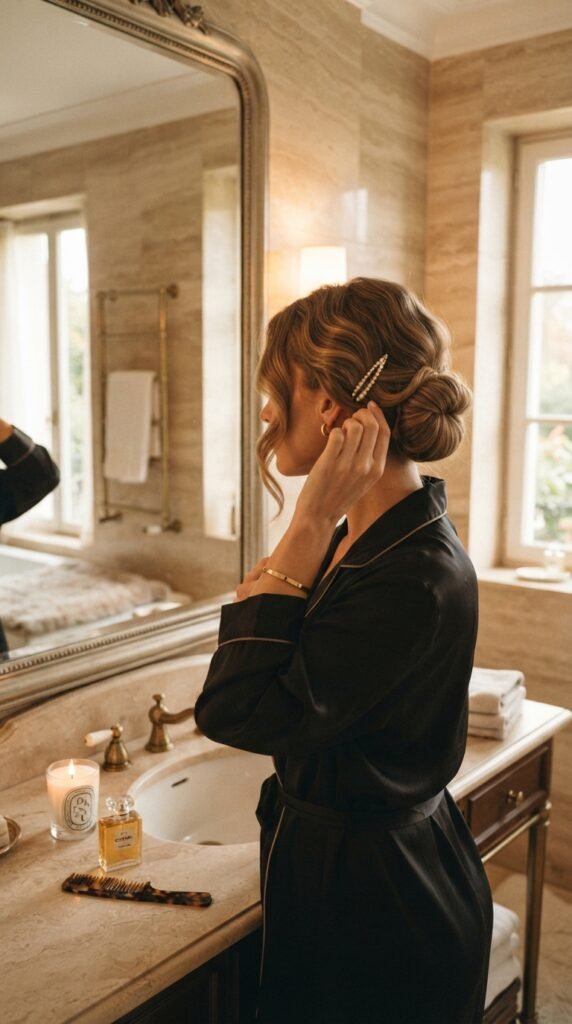
When hair stops holding a curl or a clip, it’s often too dry or too coated to grip. Both come back to scalp and strand health.
Fix the foundation first.
- Clarify once, then hydrate
- Use texturizing spray on dry hair, not damp
- Avoid touching styles all day
You’ll notice pin curls, clips, and claw styles all behave better within a week.
Switch to a Sulfate-Free Cleanser First

If you only change one thing, change this. Sulfates are great at removing oil — sometimes too great.
Winter scalp skin is thinner and more reactive, so gentle wins.
- Pick a sulfate-free shampoo for your regular wash days
- Keep one clarifying option for every second week
- Massage for 60 seconds before rinsing
That’s it. No 12-step routine required.
Lower Your Water Temperature

Lukewarm water cleans just as well as hot water, minus the damage. Hot water strips oils, fades color, and worsens itching.
I know, it’s cold outside and a hot shower feels like a hug. Compromise.
- Warm for washing, cool for the final rinse
- Keep the shower head off your face and scalp directly
- Finish with a cool blast for shine
Your scalp will feel calmer by the end of the week.
Wash Less, But Hydrate Your Scalp More

Washing daily in winter is overkill for most people. Every wash strips a little more of your natural oil barrier.
Stretch it to two or three times a week if you can.
- Use dry shampoo only on the roots, never the scalp skin
- Brush before bed to move oils down the strand
- Add a scalp serum on non-wash days
Less washing plus more hydration equals less itch, less flaking, and better texture.
Add a Pre-Wash Scalp Oil
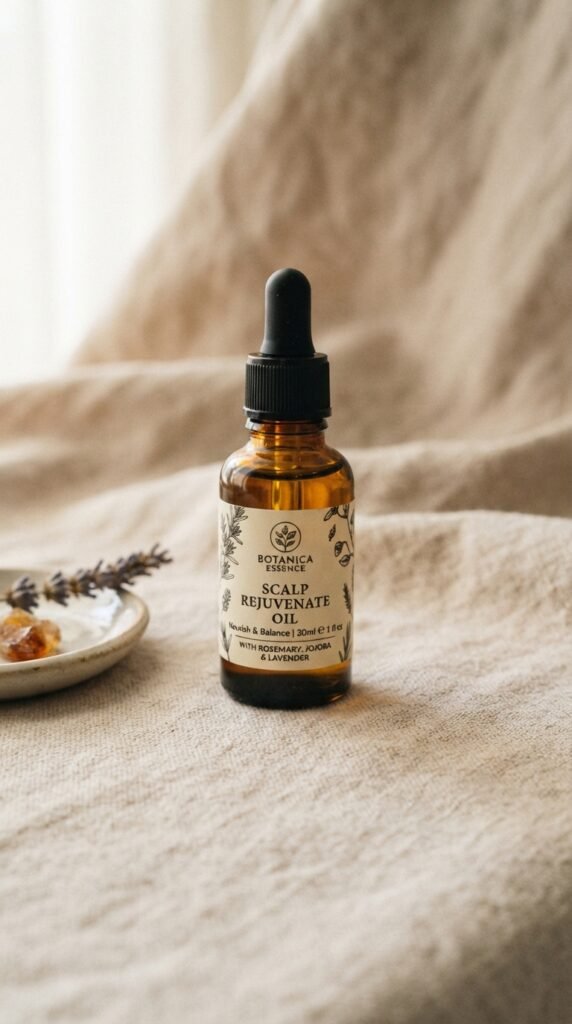
This is my favorite winter upgrade. A pre-wash oil treatment protects your scalp from the shampoo that’s about to touch it.
Do it 20 minutes before you shower.
- Part hair into sections
- Apply oil directly to scalp, not hair
- Massage gently for three minutes
- Shampoo twice, then condition ends
Jojoba, squalane, and light almond oils are all great picks.
Exfoliate Gently Once a Week
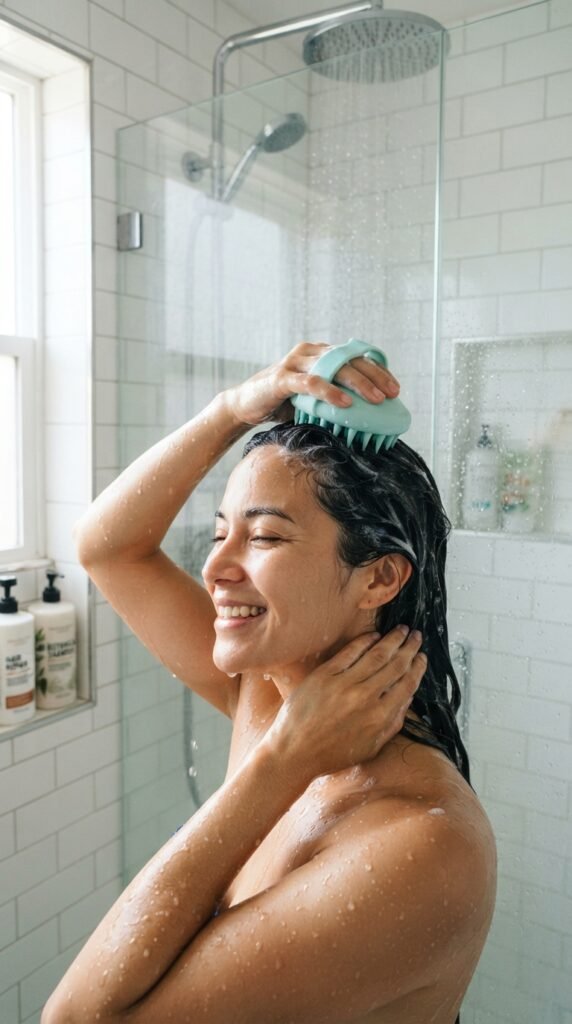
Your scalp sheds skin cells just like your face. In winter, that shedding slows down and can build up.
Once a week is plenty. More than that and you’ll irritate things.
- Use a silicone scalp brush, not your nails
- Pair it with a gentle exfoliating scalp scrub
- Skip it if you have active irritation or sores
Think of it as a facial for your head. Gentle, not aggressive.
Skip the Dry Shampoo Buildup Cycle
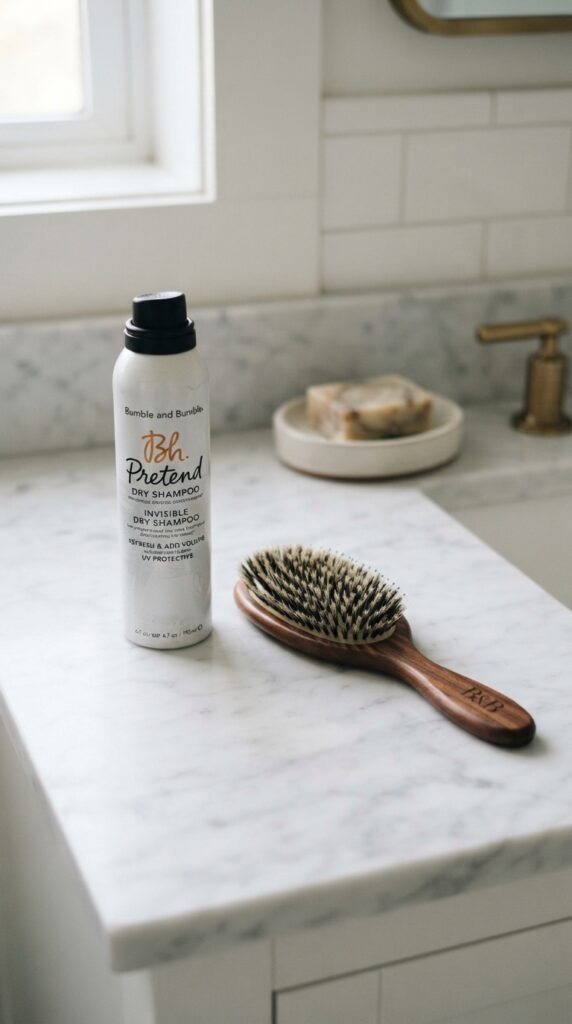
Dry shampoo is a lifesaver, but it’s also the number one cause of winter scalp congestion. Layer it day after day and your follicles get clogged.
Use it sparingly and strategically.
- Apply at night so it absorbs while you sleep
- Never spray directly on your part line
- Wash it out within 48 hours
Your scalp needs to breathe, especially under a beanie.
Blow Dry on Low With Distance

Cold air and hot tools are a rough combo. High heat near the scalp dries out skin and can trigger flaking.
Keep the nozzle moving and stay a few inches away.
- Start on medium heat, medium speed
- Keep the dryer six to eight inches from your head
- Finish with a cool shot to seal the cuticle
This matters even more if you’re styling a glitchy glam hair look with lots of texture.
Protect Bold Styles Like the Vampire Haircut

Sharp, layered cuts like the vampire haircut or a textured hime cut need clean, healthy roots to look intentional instead of messy.
The good news is a gentle routine supports both.
- Use a light leave-in to define layers without weighing them down
- Trim every six to eight weeks to keep shape
- Avoid heavy wax or pomade on the scalp
Bold cuts live or die by the health underneath them.
Prepping for Romantic Goth and Glitchy Glam Looks

Romantic goth hairstyles and glitchy glam hair both involve styling, teasing, and product. That’s a lot for a winter scalp.
Prep before you play.
- Do a hydrating mask the night before
- Use heat protectant every single time
- Skip teasing right at the root on irritated areas
Give your scalp a recovery day after big styling sessions. It’s part of the look, not separate from it.
Sleep on Silk and Loosen Your Braids

Cotton pillowcases pull moisture from your hair and create friction at your hairline. Silk or satin is a small upgrade with a big payoff.
Also, looser is better at night.
- Try a loose braid instead of a tight bun
- Use a silk scrunchie, never a rubber band
- Wash pillowcases weekly
You’ll wake up with less breakage and a calmer scalp.
Know When to See a Dermatologist

Gentle care fixes most winter scalp issues in two to four weeks. But some signs need a professional.
Book an appointment if you notice:
- Thick, crusty, or bleeding patches
- Sudden hair thinning or bald spots
- Pain, swelling, or oozing
- Itching that keeps you up at night
There’s no shame in asking for help. Your scalp is skin, and skin sometimes needs a doctor.
Build a 2026 Winter Routine That Actually Sticks
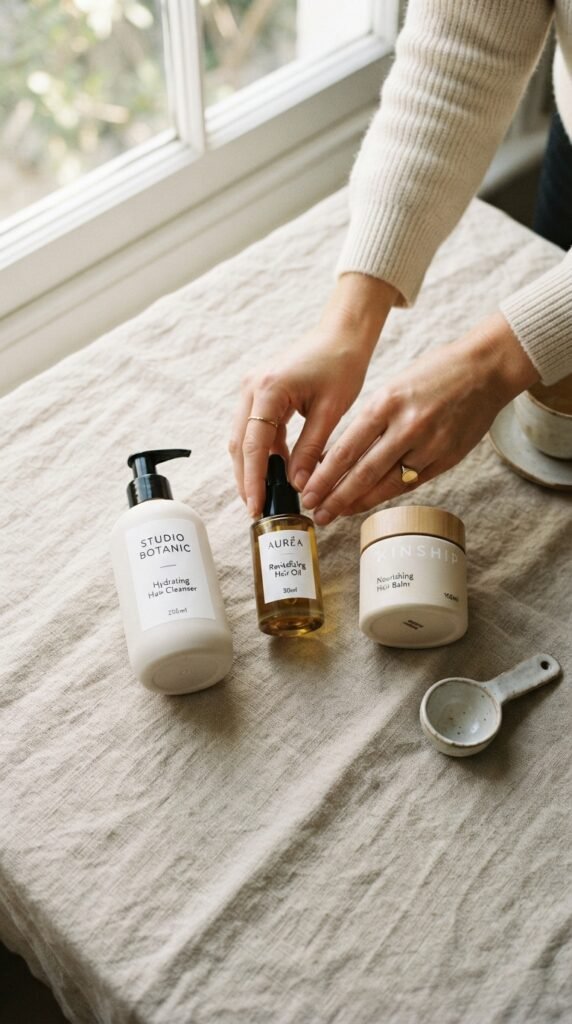
You don’t need twenty products. You need four good ones and a little consistency.
Here’s the simple version:
- Sulfate-free shampoo and a rich conditioner
- A hydrating scalp serum
- A lightweight oil or leave-in
- A gentle weekly scrub
That’s a routine you’ll actually keep, which matters more than any trend. Even the best 2026 hairstyles start with healthy roots.
A Little Tenderness Goes a Long Way
Your scalp is skin. It gets dry, irritated, and tired just like your face does, and winter makes all of it worse. The fix isn’t complicated — cooler water, gentler cleansers, a little oil, and hands off when things feel angry.
Give it two weeks. I promise you’ll feel the difference, and your hair will show it. Softer texture, better shine, and styles that actually hold.
If this helped, save this post to Pinterest so you can find it again next December. And tell me in the comments: what’s the one winter scalp sign you always notice first?