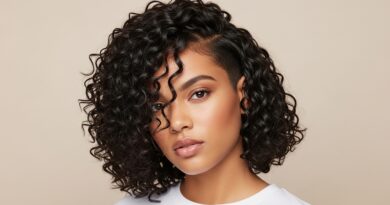
What Is a Dutch Shag and Who Should Try It
If you’ve been seeing the Dutch shag all over your feed and wondering if it’s actually for you, you’re in the right place. I’m Hailey, and I test hairstyle trends with my team so you don’t have to guess.
The Dutch shag is one of those 2026 hairstyles that looks effortless, a little edgy, and surprisingly wearable. It can read old money hair, quiet luxury bob, or full romantic goth hairstyles depending on how you style it.
In this post, I’ll break down what a Dutch shag is, who should try it, and how to ask for it. You’ll also get styling tips, face shape notes, and real talk on upkeep.
What Is a Dutch Shag?

A Dutch shag is a layered haircut with soft texture and lots of movement. It looks like a classic shag, but the layers are more blended and less choppy. You get face-framing pieces, crown volume, and a lived-in finish.
It’s not a mullet, though it has that same bold energy. It’s more romantic and wearable. You can wear it sleek, wavy, or messy. In 2026 hairstyles, it’s popular because it grows out gracefully.
If you love old money hair but want more edge, this is a great middle ground. It also pairs well with a quiet luxury bob if you want softness instead of blunt lines.
How It Differs From a Regular Shag
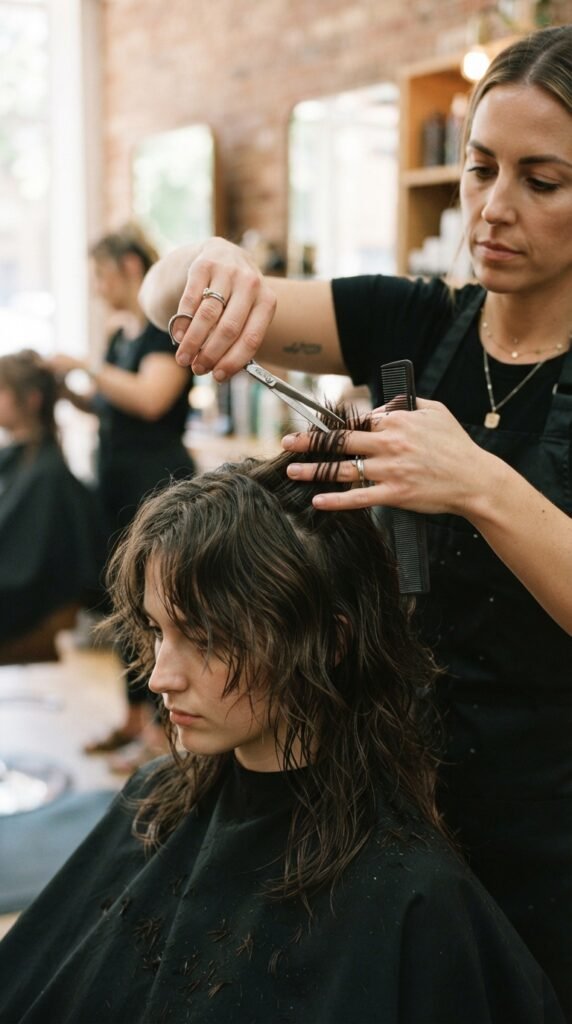
A regular shag has sharper layers and more visible choppiness. A Dutch shag is softer and more polished. It keeps volume around the crown without getting spiky or disconnected.
You’ll see smoother transitions between lengths and softer ends. It also works better for fine hair because it removes weight without creating holes.
If a classic shag feels too wild, ask for a Dutch shag. It’s like the cool older sister of the quiet luxury bob. It’s still edgy, but it won’t fight your office dress code.
Why It’s Everywhere in 2026 Hairstyles
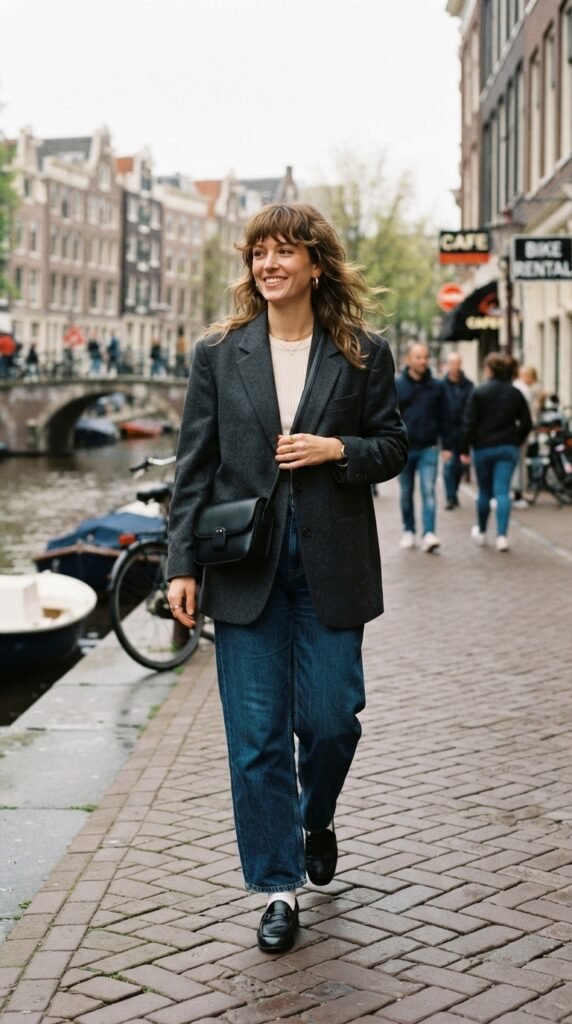
The Dutch shag is everywhere because it fits so many moods. It can be romantic, edgy, or polished. With old money hair and quiet luxury bob trends still strong, people want low-effort styles that look expensive.
The Dutch shag gives that. It also works with the rise of romantic goth hairstyles because the layers frame the face and add drama.
On social media, stylists show how it transforms fine, thick, straight, and curly hair. That versatility is why it keeps showing up in 2026 hairstyles. If you want a cut that feels current but not too trendy, this is it.
Key Features of a Dutch Shag
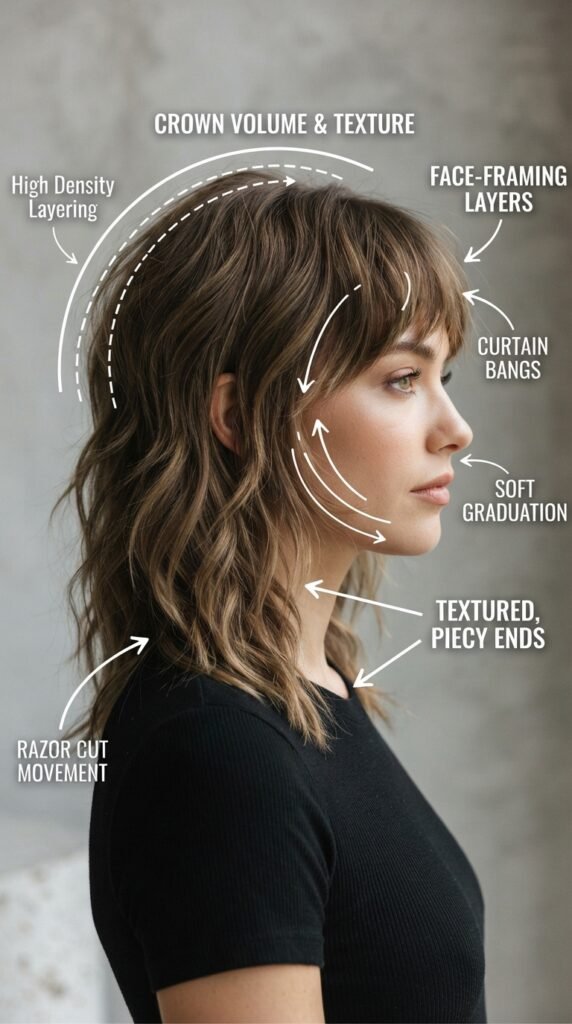
Here’s what makes a Dutch shag recognizable:
- Soft, blended layers through the crown and sides.
- Face-framing pieces that start around the cheekbone or jaw.
- A longer fringe, often curtain bangs or piecey bangs.
- Textured ends that look slightly undone.
- Movement without heavy bulk.
It should feel light and swingy. The cut usually hits between chin and shoulder, but it can go longer. The shape matters more than the exact length. A good Dutch shag flatters your natural texture instead of fighting it.
Who Should Try a Dutch Shag?

You should try a Dutch shag if you want texture, movement, and a little edge without going full punk. It’s great if you’re bored with long layers or a blunt bob.
If you have wavy hair, it looks amazing with almost no styling. If you have straight hair, it gives you shape and volume. If you have fine hair, it can make your hair feel fuller.
It also works for round, oval, square, and heart face shapes when customized. The key is asking for the right amount of layers. If you love asymmetrical lob energy, a Dutch shag is a close cousin.
Who Might Want to Skip It

The Dutch shag isn’t for everyone. If you love a sharp, perfect line, this cut may feel too messy. If you hate layers, skip it.
If you want a quiet luxury bob that stays sleek and uniform, a Dutch shag will fight that. People with very fine, very straight hair can still wear it, but it may fall flat without products or a wave.
If you don’t want to style your hair at all, it might not be the best fit. Also, if you’re growing out a short cut, the layers can take time to blend. Be honest about your routine before booking.
Dutch Shag vs. Quiet Luxury Bob and Old Money Hair

A quiet luxury bob is smooth, blunt, and polished. It says calm, expensive, and minimal. A Dutch shag is textured, layered, and a little undone.
Both can look expensive, but they give different energy. The bob is more old money hair. The shag is more rock and roll.
If you want a cut that looks intentional with zero frizz, choose the bob. If you want movement and a softer grow-out, choose the Dutch shag. You can also meet in the middle with a shaggy bob. The best choice depends on your texture and how much styling you enjoy.
Dutch Shag vs. Asymmetrical Lob

An asymmetrical lob is longer on one side and shorter on the other. It’s sleek, modern, and very 2026. A Dutch shag has layers all around and a softer shape.
You can combine them. Ask for an asymmetrical lob with Dutch shag layers. That gives you a cool uneven length and lots of texture.
It works beautifully on straight and wavy hair. For curly hair, keep the asymmetry subtle so it doesn’t get lost. This combo is great if you want a cut that looks different from every angle. It’s one of my favorite 2026 hairstyles.
Can You Wear a Dutch Shag With Curly Hair?

Yes, curly hair looks incredible with a Dutch shag. The layers give curls room to spring up and frame your face. But the cut has to be done on dry hair or with curl-by-curl shaping.
If a stylist cuts it wet and pulls it straight, you may end up with a triangle. Ask for soft layers and no thinning shears. The goal is roundness and movement, not choppiness.
Use a curl cream and diffuse. Don’t touch your hair while it dries. A Dutch shag on curls can look romantic, bold, or even like romantic goth hairstyles. It’s all in the styling.
Best Hair Types and How to Ask for It

The Dutch shag is flexible, but some hair types love it most:
- Wavy hair: natural texture does the work.
- Fine hair: layers add volume and bounce.
- Thick hair: removes weight and creates shape.
- Curly hair: needs a dry cut and gentle layering.
- Straight hair: looks best with a wave or bend.
To ask for it, say: “I want soft blended layers, face-framing pieces, and a longer curtain bang. I want movement, not choppiness.” Bring three reference photos. Tell them how you style your hair at home. A good stylist will customize the cut.
Dutch Shag With Bangs and Hime Cut Vibes

Bangs change everything. With a Dutch shag, you have options:
- Curtain bangs: soft, face-framing, easy to grow out.
- Piecey bangs: edgy and rock and roll.
- Micro bangs: bold and very 2026 hairstyles.
- Side-swept bangs: romantic and low-maintenance.
- No bangs: just face-framing layers.
If you want a hime cut vibe, pair blunt bangs with longer side pieces. The hime cut is dramatic and precise, but a Dutch shag softens it. Just know that blunt bangs need trims every few weeks. The right bang makes the shag feel custom.
Romantic Goth Hairstyles Meets Dutch Shag

Romantic goth hairstyles are soft, dark, and moody. A Dutch shag fits right in. The layers create volume and movement, while the face-framing pieces add drama.
Wear it with black hair, deep burgundy, or cool espresso. Style it with soft waves or a messy texture. Add a velvet ribbon or a black headband.
For a vampire haircut vibe, keep the ends pointed and the fringe long. This combo is not scary. It’s elegant. It works for everyday, concerts, or date nights. If you want to try goth hair without a huge change, a Dutch shag is a perfect entry point.
Glitchy Glam Hair and Vampire Haircut Inspiration

Glitchy glam hair is shiny, futuristic, and a little unexpected. A Dutch shag gives it the texture it needs. Think glossy layers, wet-look roots, and iridescent clips.
You can add temporary color, glitter spray, or sleek gel on the ends. The shag keeps it from looking too perfect. It’s a fun twist on 2026 hairstyles.
For a vampire haircut, ask for a deep side part, long cheek layers, and textured ends. Keep the top smooth and the bottom messy. Use a black or deep red gloss. This pairs beautifully with romantic goth hairstyles and old money hair if you keep the finish glossy.
How to Style a Dutch Shag in 5 Minutes

A Dutch shag should be easy. Here’s my 5-minute routine:
- Spray your roots with a light texturizer.
- Flip your head upside down and shake.
- Add a small amount of cream to the ends.
- Use your fingers to twist a few pieces.
- Finish with a flexible hold spray.
That’s it. If you have more time, use a crimper or a 1-inch curling iron for bends. But don’t overdo it. The cut should do most of the work. If it takes 30 minutes every day, the cut isn’t right.
Dutch Shag for Fine Hair

Fine hair loves a Dutch shag because layers create the illusion of thickness. But you need to be careful. Too many layers can make fine hair look stringy.
Ask for soft, visible layers and keep the ends blunt-ish. Avoid heavy thinning. Use a volumizing mousse at the roots and a light cream on the ends.
Blow-dry upside down for lift. A little dry shampoo can add grip. If your hair is very fine, keep the length at shoulder or shorter. The right Dutch shag can make fine hair look full and bouncy. It’s one of the best 2026 hairstyles for fine hair.
Dutch Shag for Thick Hair

Thick hair can handle a Dutch shag beautifully. It removes weight and creates shape. Ask for lots of blending and point-cutting. Avoid a blunt heavy line at the bottom.
You want the layers to flow. If your hair is very thick, your stylist may use a razor or thinning shears carefully. Don’t let them go overboard. The goal is movement, not thin ends.
Style with a leave-in conditioner and a light oil. Air-dry if you can. If you blow-dry, use a round brush to smooth the top. A Dutch shag can make thick hair feel lighter and more fun.
Maintenance and Trim Schedule
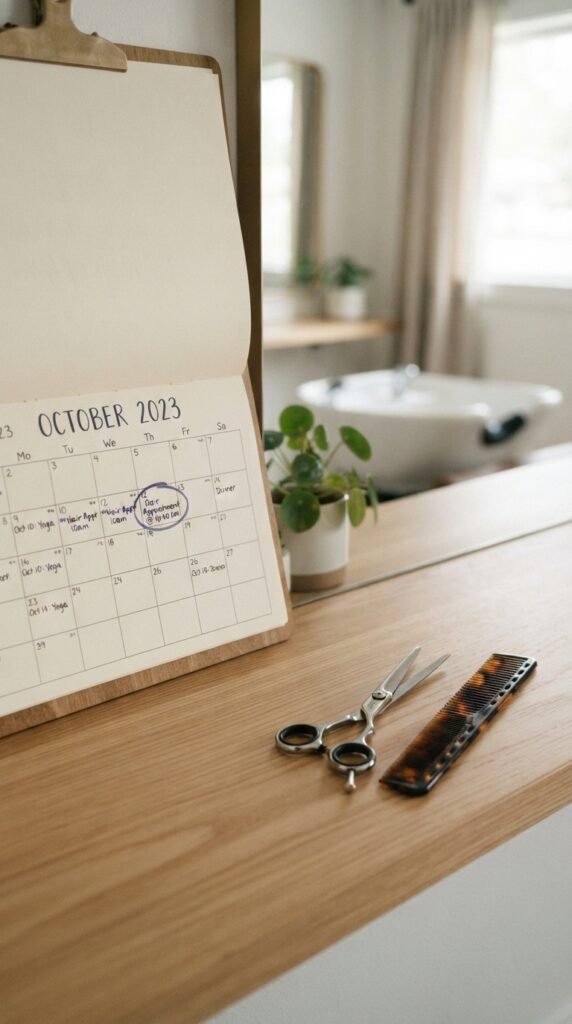
A Dutch shag needs trims every 6 to 10 weeks. If you have short layers or blunt bangs, go every 4 to 6 weeks. If you’re growing it out, you can stretch to 12 weeks.
The shape matters more than the length. Ask your stylist to clean up the perimeter and refresh the face-framing pieces. You don’t always need a full re-cut. Just a tune-up.
Between visits, use a split-end serum and get a dusting if needed. The good news is that a Dutch shag grows out nicely. It doesn’t get a harsh line. That’s why it’s low-maintenance in the long run.
Products That Make a Dutch Shag Look Good
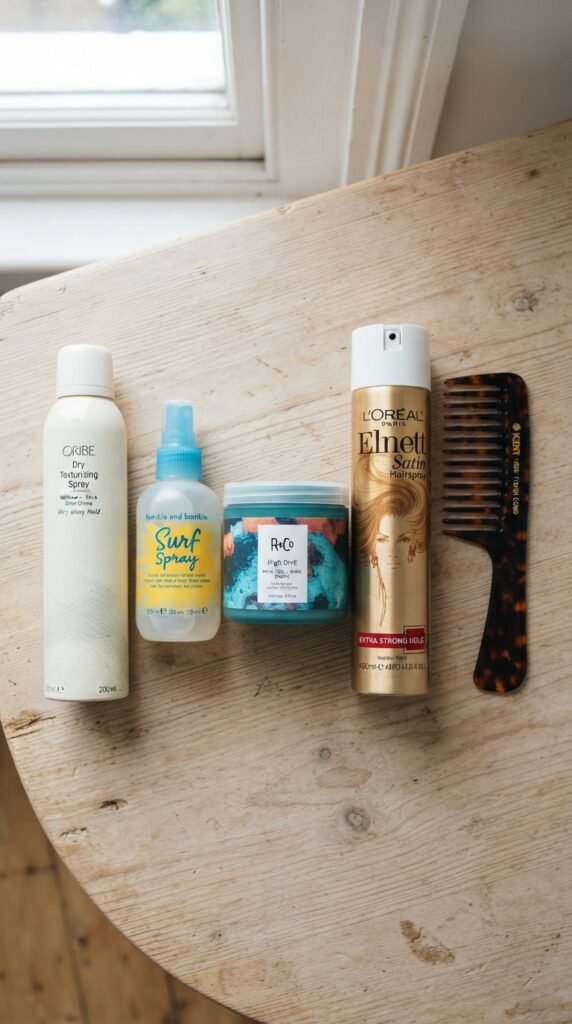
You don’t need a cabinet full of products. Here’s what actually works:
- Texturizing spray for grit and volume.
- Sea salt spray for beachy waves.
- Light cream for smooth ends.
- Flexible hold hairspray for finish.
- Dry shampoo for grip and refresh.
Use less than you think. Start with one product and add more only if needed. Heavy products will weigh the shag down. If you want a glossy look, use a shine serum on the ends only. For a messy look, use a matte paste. The right product makes the cut look intentional.
Dutch Shag for Face Shapes and Lengths

A Dutch shag can flatter almost any face shape with the right tweaks:
- Oval: almost any length works.
- Round: ask for longer face-framing pieces and volume on top.
- Square: soften the jaw with wavy layers and a side part.
- Heart: add volume near the chin to balance a wider forehead.
- Long: try curtain bangs or piecey bangs to shorten the face.
Short Dutch shags hit above the shoulders and are bold and easy. Long Dutch shags are softer and more romantic. If you’re unsure, start with a mid-length shag around the collarbone. That’s the safest spot. You can always go shorter later.
Common Mistakes and Final Take: Is It Right for You?
Here are mistakes to avoid:
- Asking for too many layers on fine hair.
- Cutting curly hair wet without curl knowledge.
- Using too much product.
- Letting the stylist thin the ends too much.
- Skipping trims for months.
- Not bringing reference photos.
If you want a cut that feels fresh, easy, and a little edgy, a Dutch shag is worth trying. It fits 2026 hairstyles, old money hair, romantic goth hairstyles, and even glitchy glam hair. Just be honest about your routine. If you love texture, book it. If you want sleek and sharp, try a quiet luxury bob or an asymmetrical lob instead.
My Honest Wrap-Up
I hope this helps you decide if a Dutch shag is your next move. It’s one of those cuts that can feel like a little reinvention without losing yourself. You can make it soft, edgy, polished, or romantic.
If you try it, start with a stylist who listens and references that match your hair. Bring patience, too. The best cuts settle in after a week or two. And remember, hair grows. You’re allowed to experiment.
Save this post to Pinterest so you can find it before your next salon visit. Then tell me in the comments: would you try a Dutch shag, or are you team quiet luxury bob? I read every comment.