How Sensitive Scalps Change the Way You Should Wash Hair
If your scalp stings, flakes, or burns after a normal wash, you are not alone. A sensitive scalp changes the rules. The shampoo that works for your friend might leave you itchy for days. The hot shower you love can make flakes worse. But here is the good news: you do not have to choose between a calm scalp and beautiful hair. Small changes in how you wash can make a huge difference. In this post, I am sharing the exact shifts I use to keep my scalp happy while still wearing 2026 hairstyles like a quiet luxury bob or old money hair. No fluff. No complicated steps. Just practical tips you can try tonight. Let us make wash day feel gentle again.
What a Sensitive Scalp Actually Means

A sensitive scalp is not just dry skin. It reacts fast. It might sting, itch, burn, or flake when you use certain products. It can also feel tight after washing. You might notice redness along your hairline.
The key is that your scalp barrier is easily irritated. That barrier protects your skin. When it is weak, everything feels like too much. So your wash routine should focus on calming and protecting, not stripping.
Think of it like sensitive skin on your face. You would not scrub it with harsh soap. Your scalp deserves the same care. Once you accept that, your whole routine changes.
Why Your Scalp Reacts to Shampoo
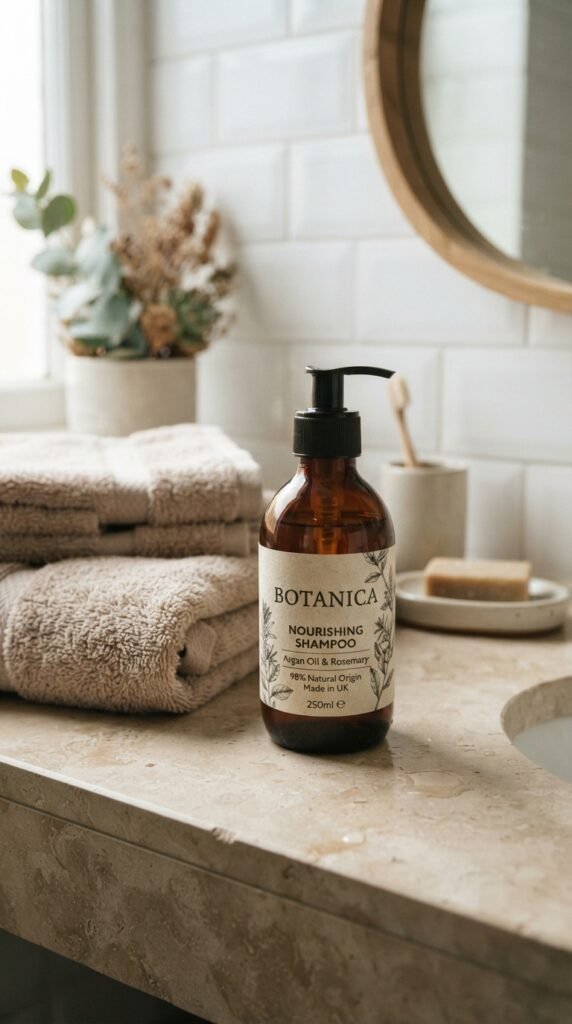
Shampoo is designed to clean. But some ingredients are too strong for sensitive skin. Sulfates can strip natural oils. Fragrances can trigger irritation. Some preservatives cause redness for certain people.
It is not about one bad brand. It is about how your scalp handles it. You might also react to hot water or how hard you scrub. Even a rough towel can make things worse. The goal is not to avoid all cleansing. The goal is to cleanse gently.
Look for words like fragrance-free, sulfate-free, and for sensitive scalp. Then test one product at a time. That way you know what works.
The 2026 Hair Trend That Loves Gentle Washing

2026 hairstyles are all about soft, healthy-looking hair. Think old money hair, the quiet luxury bob, and smooth asymmetrical lob. These looks do not need harsh washing. In fact, they look better when your scalp is calm.
Dry, flaky roots ruin the cleanest cut. Gentle washing keeps your roots comfortable and your ends smooth. It also helps color last longer. So if you want that polished vibe, start with your scalp.
A happy scalp gives you that quiet confidence. It is the base for every good hair day. You do not need a complicated routine. You just need to stop stripping your skin.
How to Read Shampoo Labels for Sensitive Scalps

Reading labels can feel confusing. Start with these checks:
- Look for sulfate-free.
- Choose fragrance-free or naturally scented.
- Avoid alcohol denat near the top.
- Pick gentle surfactants like coco-glucoside.
- Look for soothing ingredients like aloe, oatmeal, or panthenol.
Do not trust “natural” alone. Essential oils can still irritate. Also check for “for sensitive scalp” or “dermatologist tested.” That helps, but it is not a guarantee.
Buy small sizes first. Patch test behind your ear for two days. If you feel burning, stop. Your scalp is telling you something. Listen to it.
Warm Water vs. Hot Water: The Real Difference
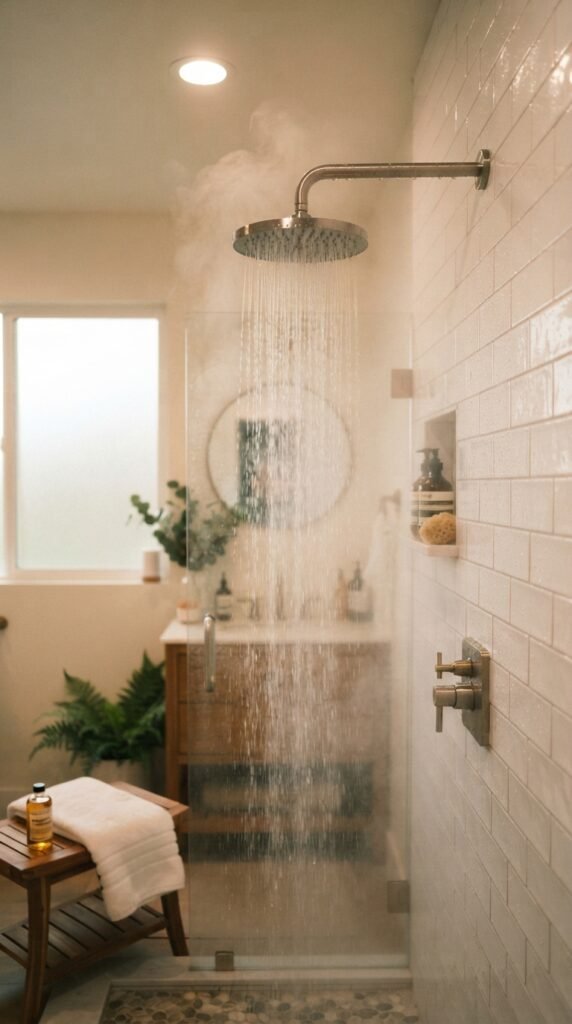
Hot water feels amazing. But it can strip your scalp and make irritation worse. Warm water is your friend. It cleans without shocking your skin. Think lukewarm, like bath water for a baby.
When you rinse, keep the water pressure low. High pressure can irritate already sensitive areas. If you love a hot shower, save it for your body. Turn the temperature down when you rinse your hair.
A final cool rinse can help calm redness. It also adds shine. This one change can reduce itching fast. Try it for one week. Your scalp will notice.
How Often You Should Wash (It Is Not Every Day)

There is no single rule. But sensitive scalps often do better with less frequent washing. Every other day or every two days works for many people. If you sweat a lot, you may need to rinse with water only.
If you have oily roots, do not force yourself to skip. Just use a gentle shampoo. The goal is to avoid over-washing. Over-washing strips your barrier. Then your scalp makes more oil. That cycle causes irritation.
Start by adding one day between washes. Use dry shampoo only on the roots, not the scalp. Brush gently before bed. See how your scalp feels after two weeks.
The Double-Cleanse Myth for Sensitive Scalps
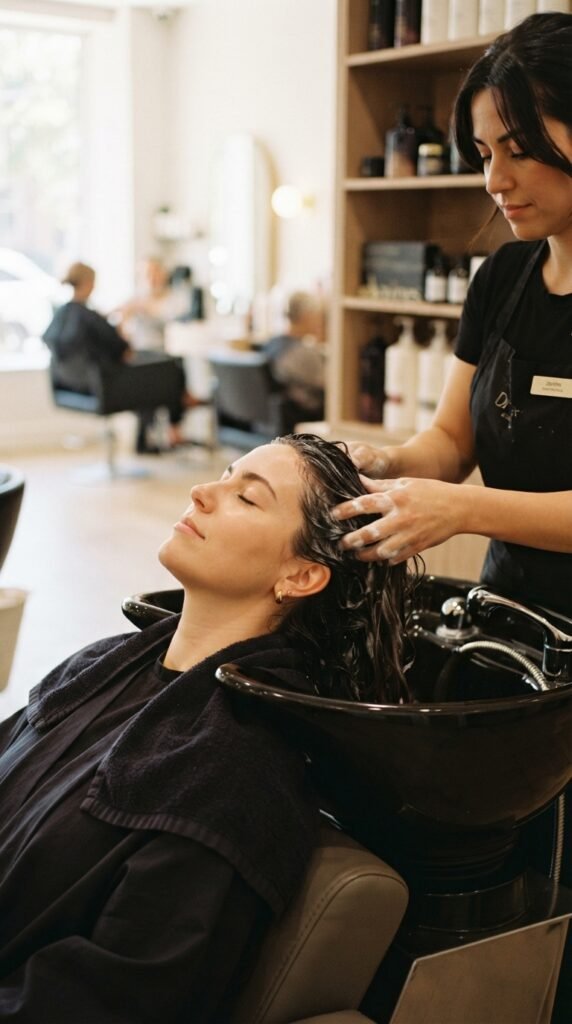
Double cleansing is popular. But for sensitive scalps, it can be too much. The first wash removes surface oil. The second wash can strip your skin. If you use heavy products, you might need two washes. But most people do not.
Instead, try one gentle wash. Use a small amount. Focus on the scalp, not the ends. If you still feel buildup, use a gentle clarifying shampoo once a week. Not every wash.
And never scrub with your nails. Use fingertips. If your scalp stings after the first wash, stop. More lather does not mean cleaner. It often means more irritation. Keep it simple.
How to Pre-Poo When Your Scalp Is Angry

Pre-poo is a fancy word for oiling before shampoo. It can protect a sensitive scalp. Use a simple oil like jojoba or squalane. Avoid heavy fragrance. Warm a few drops between your palms. Gently press into your scalp. Do not massage hard.
Let it sit for 15 minutes. Then wash with a gentle shampoo. The oil creates a buffer. It helps reduce stinging. It also softens flakes. Do this once a week if your scalp is dry.
If you have dandruff, ask your doctor first. Some oils feed yeast. So pay attention. Your scalp will tell you if it likes it.
Scalp Massage Without Irritation

Massage can boost blood flow and feel amazing. But rough massage can hurt sensitive skin. Use the pads of your fingers. Not your nails. Press lightly. Move in small circles. Start at your hairline. Work back to your crown.
Do it for two minutes. You can do it dry or with a little oil. If you use a scalp brush, choose soft silicone. Never scrub hard. If your scalp is red or broken, skip massage. Let it heal.
Massage is not about force. It is about relaxation. Do it before washing to loosen buildup. Or at night to unwind. Gentle is the rule.
The Right Way to Apply Shampoo

Most people use too much shampoo. For sensitive scalp, less is more. Start with a quarter-size amount. Rub it between your hands. Then apply to your scalp. Do not pour directly on your head. That can irritate one spot.
Use the pads of your fingers. Gently move in circles. Let the suds run down your ends. You do not need to scrub your ends. They get clean from the runoff. Rinse with warm water. Make sure no shampoo is left. Residue can cause itching.
If you need more, add a little water first. Lather again only if needed. Then stop. Your scalp will thank you.
Conditioner Rules for Sensitive Scalps
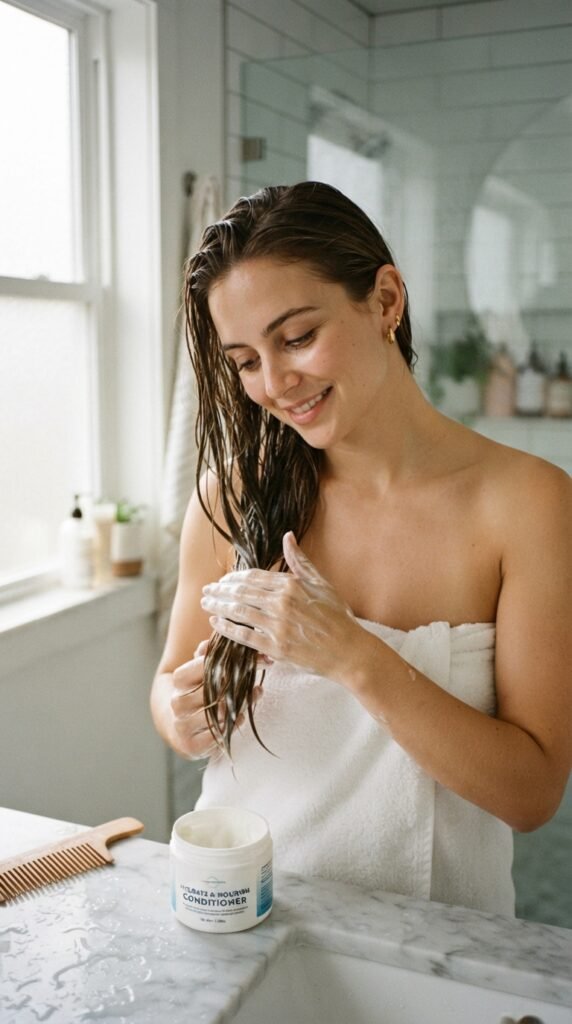
Conditioner is for your ends, not your scalp. That is the golden rule. Most conditioners are too heavy for sensitive skin. They can clog pores and cause flakes. Apply from mid-length to ends. Keep it away from your roots.
If your scalp is very dry, use a scalp-specific moisturizer instead. Leave conditioner on for two minutes. Then rinse well. Cool water helps seal the cuticle.
If you have a quiet luxury bob or asymmetrical lob, this step keeps ends smooth. But do not let it touch your scalp. If you feel itchy after conditioning, switch to a lighter formula. Fragrance-free is best.
How to Rinse Without Stripping

Rinsing is not just about getting soap out. It is about protecting your scalp. Use warm water. Not hot. Let the water run through your hair. Do not blast your scalp directly. Tilt your head back. Let water flow from roots to ends. This avoids tangles.
Rinse longer than you think. Residue hides in thick hair. If you have hard water, use a shower filter. Hard water can leave minerals that irritate. A final cool rinse can calm redness. It also adds shine.
Pat your hair dry with a soft towel. Do not rub. Rubbing causes friction and flakes. Gentle rinsing is a game changer.
Drying Your Hair Without Triggering Flakes

Wet scalp is sensitive. How you dry matters. Skip the rough towel rub. Instead, squeeze water out gently. Use a soft microfiber towel. Press it against your hair. Do not twist or pull.
If you use a blow dryer, keep it on low heat. Keep it moving. Do not point it at one spot. Let your hair air dry when you can. If you must dry fast, use the cool setting. Never brush wet hair from the roots. Start at the ends.
If your scalp flakes after drying, you might be using too much heat. Turn down the temperature. Add a leave-in scalp serum. Your scalp will feel calmer.
Styling Products That Play Nice With Sensitivity
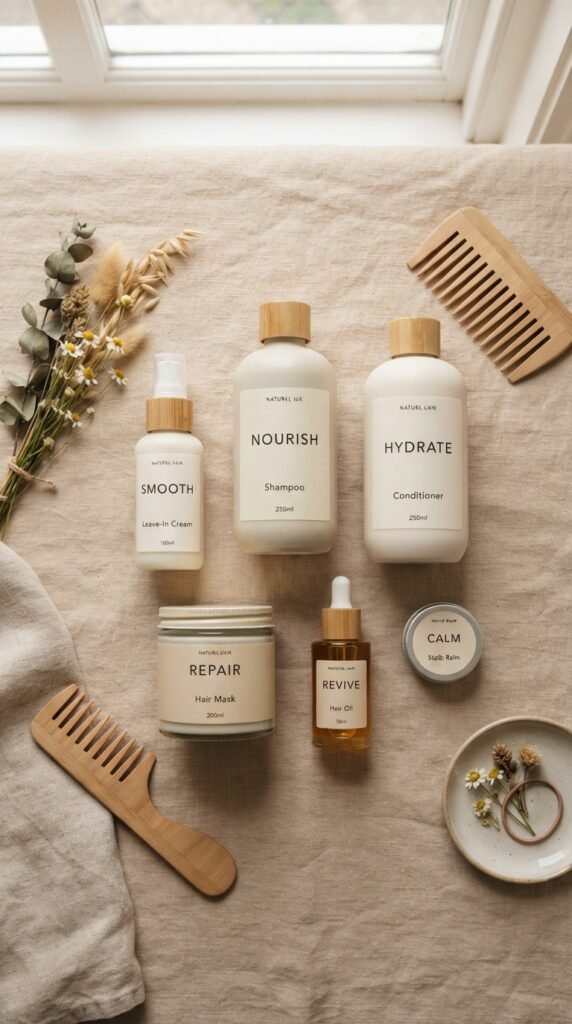
Not all styling products are safe for sensitive scalps. Avoid heavy fragrances and alcohol. Look for:
- Alcohol-free hairspray
- Fragrance-free mousse
- Lightweight leave-in conditioner
- Scalp-friendly serums
- Dry shampoo for roots only
If you love romantic goth hairstyles or glitchy glam hair, you can still use products. Just keep them off your scalp. Spray from a distance. Use a barrier like a cotton pad when applying color. Wash your hands after styling.
Never share combs or brushes. Clean them weekly. Buildup from products can cause itching. So remove it gently. Your scalp does not need to suffer for style.
How to Handle Buildup Gently
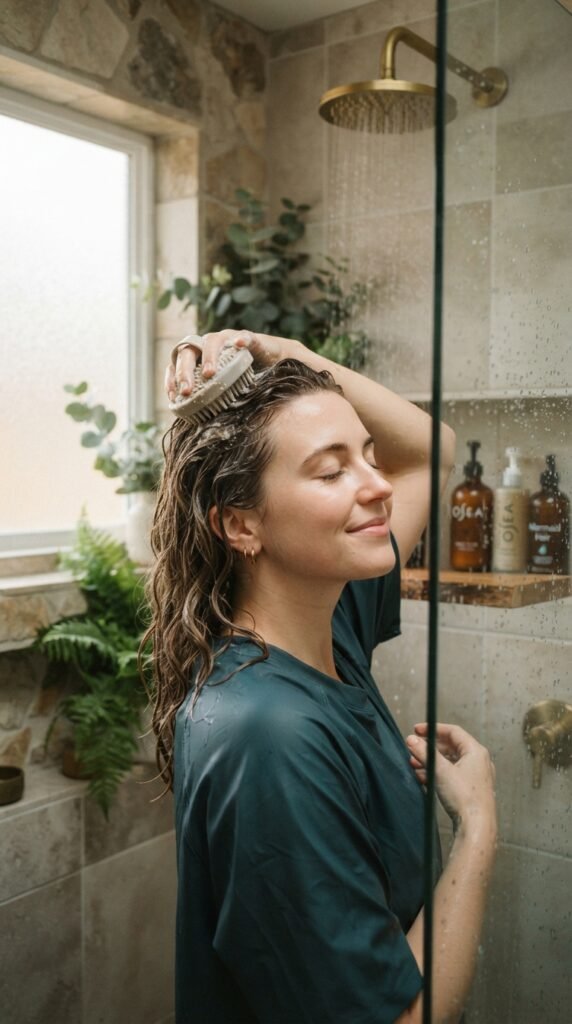
Buildup happens. It can be from oil, dead skin, or products. But you do not need a harsh scrub. Try these steps:
- Brush hair gently before washing.
- Use a gentle clarifying shampoo once a week.
- Apply a scalp treatment with salicylic acid if tolerated.
- Rinse with warm water for at least one minute.
- Avoid stacking too many products.
If your scalp feels waxy, it might be hard water. A shower filter helps. Do not pick at flakes. That makes it worse. If buildup causes pain, see a doctor.
For everyday care, less is more. A clean scalp is a calm scalp. And that supports any 2026 hairstyle you love.
Scalp Treatments That Calm, Not Burn

A good scalp treatment feels like a drink of water. Look for ingredients like:
- Aloe vera
- Oatmeal
- Panthenol
- Ceramides
- Niacinamide
Avoid menthol and peppermint if your scalp is very sensitive. They can feel cooling but cause burning. Apply to clean, damp scalp. Use gentle pressure. Do not rinse unless the label says so.
Use it two to three times a week. If you have dandruff, zinc pyrithione can help. But start slow. Patch test first. A treatment should soothe, not sting. If it burns, stop. Your scalp is not a test lab. Keep it simple and consistent.
Sensitive Scalp and Trendy Cuts: Quiet Luxury Bob, Asymmetrical Lob, Hime Cut

Your cut can affect how you wash. A quiet luxury bob sits near your jaw. It needs clean roots but not harsh stripping. An asymmetrical lob can tangle more, so condition ends well. A hime cut has blunt sides and long back. It shows flakes easily. So keep your scalp calm.
A vampire haircut with sharp layers needs volume. Gentle washing helps. Romantic goth hairstyles often use texture. Keep products off your scalp. Glitchy glam hair loves shine. A healthy scalp gives you that.
Old money hair is all about smooth, healthy movement. None of these looks need a harsh routine. They need consistency. Wash gently. Your cut will look expensive.
Protective Styles and Sensitive Scalp Care

Protective styles can be great. But tight braids or weaves can pull on sensitive skin. That causes pain and flakes. Before styling, wash gently. Moisturize your scalp. Avoid heavy gels on the roots.
If you get braids, ask for a loose start. Do not keep them in too long. Take them down if you feel burning. Clean your scalp between styles with a gentle toner on a cotton pad. Diluted apple cider vinegar can help some people. But test first.
Never scratch with a comb. If your scalp is angry, give it a break. Let it breathe. A calm scalp makes any style look better.
Seasonal Scalp Swaps for 2026

Your scalp changes with the seasons. In winter, cold air and indoor heat dry it out. Switch to a richer scalp serum. Wash with lukewarm water. In summer, sweat and sunscreen cause buildup. Wash more often if needed. Use a gentle cleanser.
In spring, allergies can make your scalp itchy. Rinse after being outside. In fall, shedding is normal. Do not panic. Use a wide-tooth comb.
Adjust your routine as the weather shifts. What works in July may not work in January. Listen to your scalp. It tells you what it needs. Small seasonal swaps keep irritation away.
When to See a Dermatologist
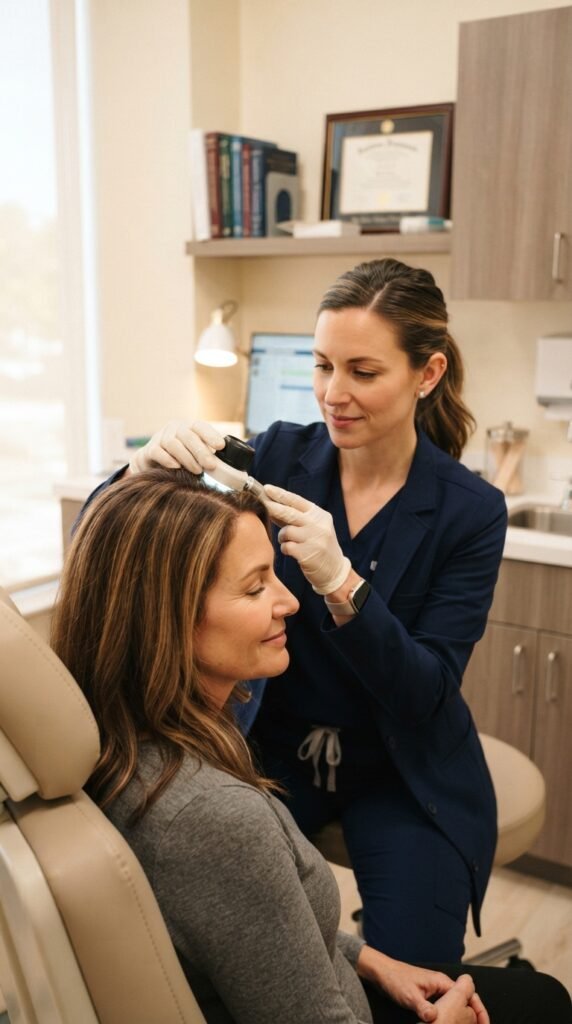
Sometimes home care is not enough. See a dermatologist if you have:
- Severe pain or burning
- Sores or crusts
- Hair loss
- Flakes that do not improve
- Redness that spreads
- Itching that keeps you up
These can be signs of eczema, psoriasis, or an infection. A doctor can give you a proper diagnosis. Do not ignore serious symptoms.
Your scalp health matters. It affects your hair growth. It also affects how you feel. There is no shame in getting help. I have done it. It saved my scalp. Once you know what is wrong, you can wash the right way. You deserve relief.
A Simple Sensitive Scalp Wash Routine
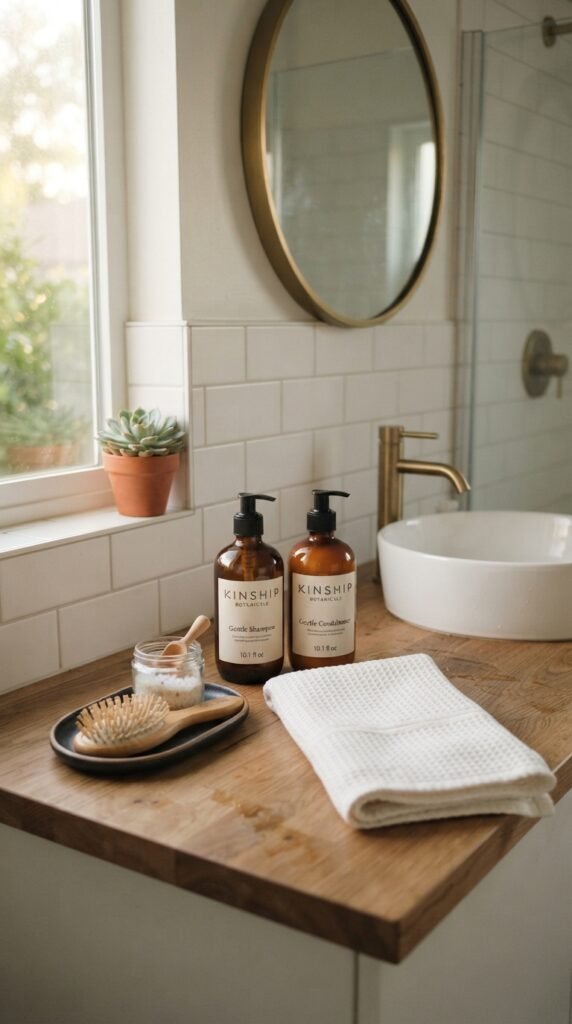
Here is a simple routine I love:
- Brush gently before shower.
- Rinse with warm water.
- Apply fragrance-free shampoo to scalp only.
- Massage with fingertips for one minute.
- Rinse well.
- Condition ends only.
- Rinse with cool water.
- Pat dry with microfiber towel.
- Apply calming scalp serum.
- Air dry or use low heat.
Do this two to three times a week. Adjust as needed. Keep products simple. Clean your brushes. Drink water. Manage stress. Your scalp is skin. Treat it with care. This routine supports any 2026 hairstyle, from a quiet luxury bob to a hime cut.
Quick Fixes for Flare-Ups

Flare-ups happen. Here is what to do:
- Stop all new products.
- Rinse with cool water.
- Apply a cold compress.
- Use only fragrance-free basics.
- Skip dry shampoo.
- Do not scratch.
- Take an antihistamine if your doctor says it is okay.
- Sleep on a clean silk pillowcase.
- Drink water.
- Give your scalp a break from styling.
If it does not improve in a few days, call your doctor. Do not panic. Most flare-ups calm down with gentle care. The goal is to reduce irritation, not add more steps. Less is more. Once it calms, reintroduce one product at a time. Your scalp will guide you.
How Sensitive Scalp Care Supports Old Money Hair and Romantic Goth Hairstyles

Old money hair looks effortless. But it needs a healthy scalp. Romantic goth hairstyles need texture and shine. That starts with calm skin. Glitchy glam hair needs light reflection. Dry flakes ruin the effect.
A vampire haircut needs volume at the roots. Irritated roots cannot hold volume well. The hime cut needs clean, sharp lines. Flakes make it look messy. So no matter your style, scalp care is the base.
Gentle washing keeps your roots happy. Then you can use the products you love on your ends. You can enjoy 2026 hairstyles without pain. That is the real luxury. Healthy scalp, beautiful hair, zero irritation.
Your Hair Wash Mantra for 2026

Repeat after me: gentle, warm, simple. Gentle products. Warm water. Simple routine. That is it. You do not need to scrub hard. You do not need ten steps. You need consistency.
Your sensitive scalp is not a problem. It is a signal. It tells you when something is too harsh. Listen to it. Adjust your wash days. Choose fragrance-free shampoo. Keep conditioner off your roots. Dry gently. Add a calming serum.
Then watch your scalp calm down. Your hair will look better too. Whether you love a quiet luxury bob or a vampire haircut, a happy scalp makes it shine.
A Gentle Goodbye
Your sensitive scalp is not a curse. It is a clue. It tells you to slow down and choose gentler habits. When you change how you wash, everything changes. Your scalp feels calm. Your hair looks healthier. And you can wear any 2026 hairstyle with confidence.
Start with one small change tonight. Turn down the water. Use less shampoo. Be kind to your roots. That is how you build a routine that lasts. You deserve comfortable, beautiful hair.
Save this post to Pinterest so you can find these tips on your next wash day. And tell me in the comments: what is your biggest sensitive scalp struggle? I read every one.