AITAH for Asking My Friend to Stop Making Dark Jokes Around My Kids?

I never thought I’d be the person to say, “Hey, can you tone it down?” to a close friend. But when it comes to my kids, I’ve learned that boundaries matter—even if it risks an awkward conversation. Here’s the thing: my buddy has always had a dark sense of humor. Before parenthood, I laughed along. But now? Some jokes just don’t land the same way when tiny ears are listening. So, AITAH for finally speaking up?
The Jokes Went Too Far
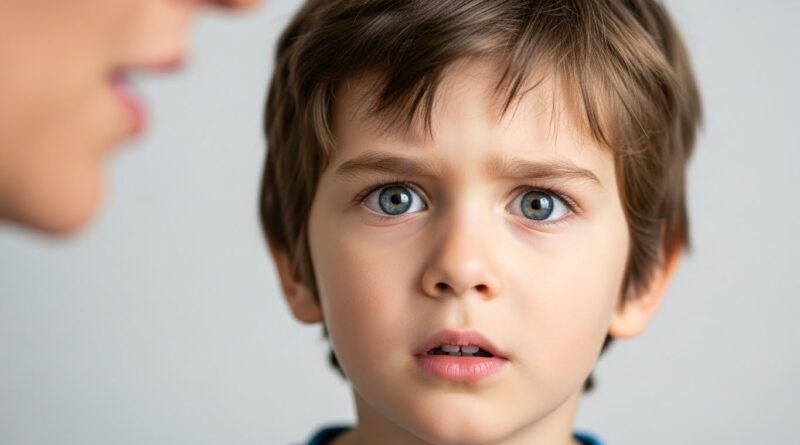
Last weekend, we hosted a BBQ. My friend (let’s call him Dave) started riffing about “how childhood is just prep for life’s disappointments” while my 7-year-old played nearby. Later, he “jokingly” told my 5-year-old that her goldfish was “probably plotting an escape.” Cue one tearful meltdown at bedtime. I realized: this wasn’t just edgy humor—it was actively upsetting my kids.

Why I Finally Spoke Up
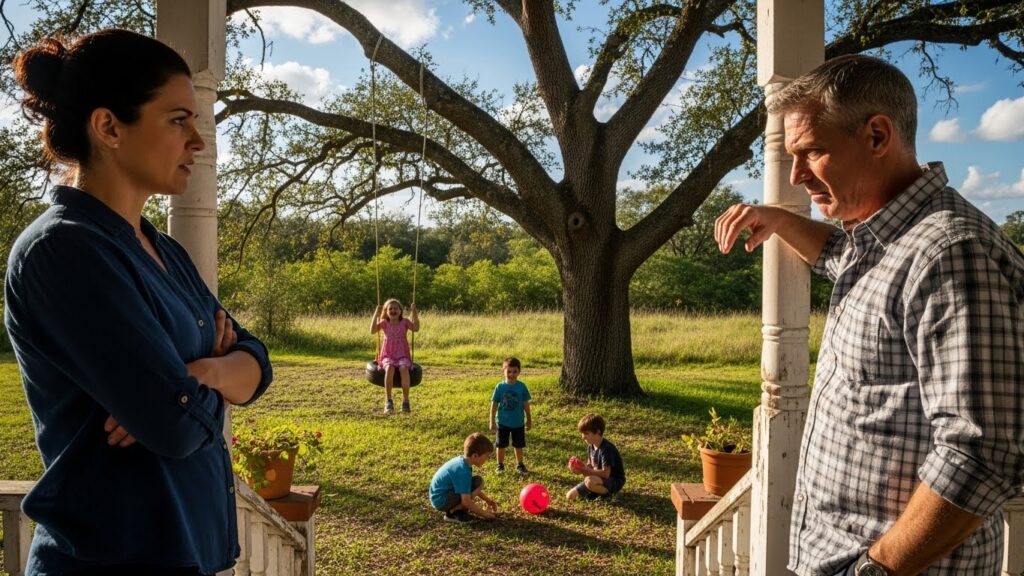
At first, I brushed it off. “Kids are resilient,” right? But then I noticed my daughter repeating Dave’s “funny” line about “nothing mattering in the end.” That’s when my partner and I agreed: we needed to say something. I approached Dave privately the next day: “Love your humor, but can we keep it PG around the kids?” His response? “Wow, didn’t realize you’d turned into such a snowflake.”
The Backlash Hurt
Dave wasn’t just dismissive—he doubled down. At our next hangout, he “joked” about “walking on eggshells now.” Mutual friends are split: some say I’m right to protect my kids’ innocence, others argue I’m overreacting to harmless jokes. The worst part? My daughter now asks if Dave’s visits mean “sad talk time.”

How Kids Process Humor
I researched this after the fallout. Child psychologists say kids under 10 often take sarcasm or dark humor literally. What adults see as edgy wit, they may internalize as truth. One study even links exposure to nihilistic humor with increased childhood anxiety. This isn’t about censorship—it’s about age-appropriate content, just like we’d avoid R-rated movies.
Was My Approach Wrong?
Maybe timing was the issue. Instead of calling Dave out post-BBQ, I could’ve set expectations beforehand. But here’s my dilemma: why should I have to “pre-warn” a grown adult about basic kid-friendly behavior? Part of me feels guilty for straining the friendship, but another part thinks: if he can’t respect this boundary, what else will he dismiss?
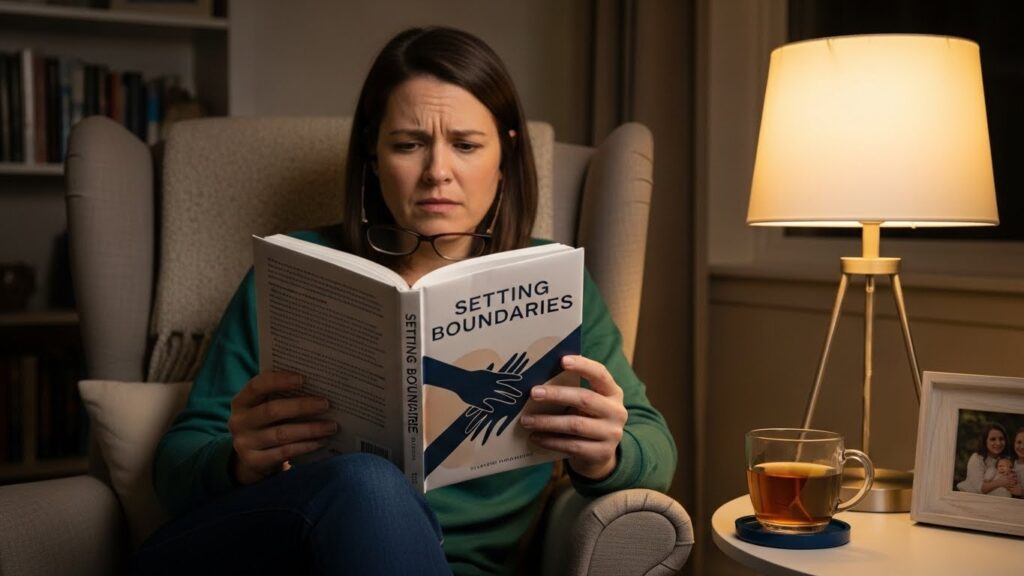
Where Do We Go From Here?
Right now, Dave’s giving me the cold shoulder. I’m torn between repairing the friendship and standing my ground. My partner thinks we should invite him over without the kids present to keep the bond alive. But I wonder: if his humor defines our interactions that much, is this friendship worth saving?
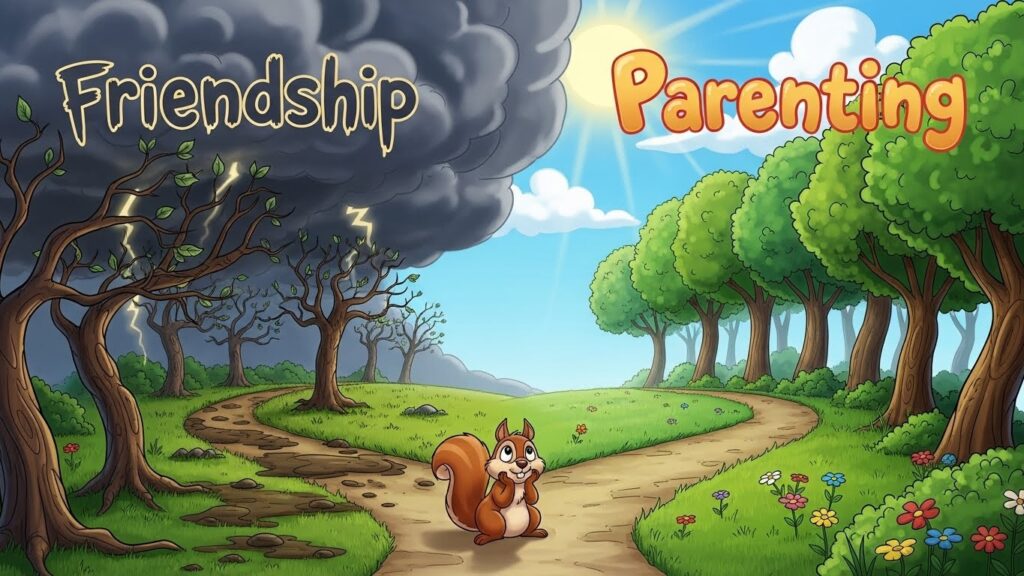
Your Judgment Matters
So, AITAH? Should I have let the jokes slide for the sake of friendship? Or was protecting my kids’ emotional well-being the right call? Tell me in the comments—have you faced similar dilemmas? How did you handle it? And if you’re team #NoDarkJokesForKids, how would you salvage (or exit) this friendship?