AITAH for Declining to Visit My Grandparents in the Hospital?

Family obligations are complicated. No one teaches you how to navigate the guilt, expectations, and emotional toll of making tough decisions—especially when it involves loved ones in the hospital. Recently, I faced a moral dilemma: I refused to visit my grandparents during their hospital stay, and now my family is calling me selfish. But was I really the asshole here? Let me explain my side.
The Hospital Stay Backstory
My grandparents, both in their late 80s, were admitted to the hospital after my grandfather had a minor fall. While he wasn’t seriously injured, the doctors kept them both for observation due to their age. My parents and aunts/uncles immediately rallied, taking shifts to visit daily. Then came the group text: “Everyone needs to show up. Family comes first.”
Here’s the thing—I live three hours away, work a high-stress job with limited PTO, and, honestly, hospitals trigger my anxiety. The last time I visited someone there, I had a panic attack in the waiting room. I offered to call my grandparents daily instead, but my family accused me of “making excuses.”

My Reasons for Saying No
Was it an easy decision? No. But I had three big reasons for declining:
1. Mental Health Boundaries: After my last hospital visit, my therapist and I agreed that unless absolutely critical (like end-of-life situations), I should prioritize my emotional well-being. Panic attacks aren’t just “being dramatic”—they’re debilitating.
2. Practical Realities: Taking unpaid time off would’ve hurt my finances, and my grandparents weren’t in critical condition. Had it been life-threatening, I would’ve moved mountains to be there.
3. Alternative Support: I video-called them every evening, sent care packages, and even arranged meal deliveries for when they returned home. Isn’t that still showing love?

The Family Backlash
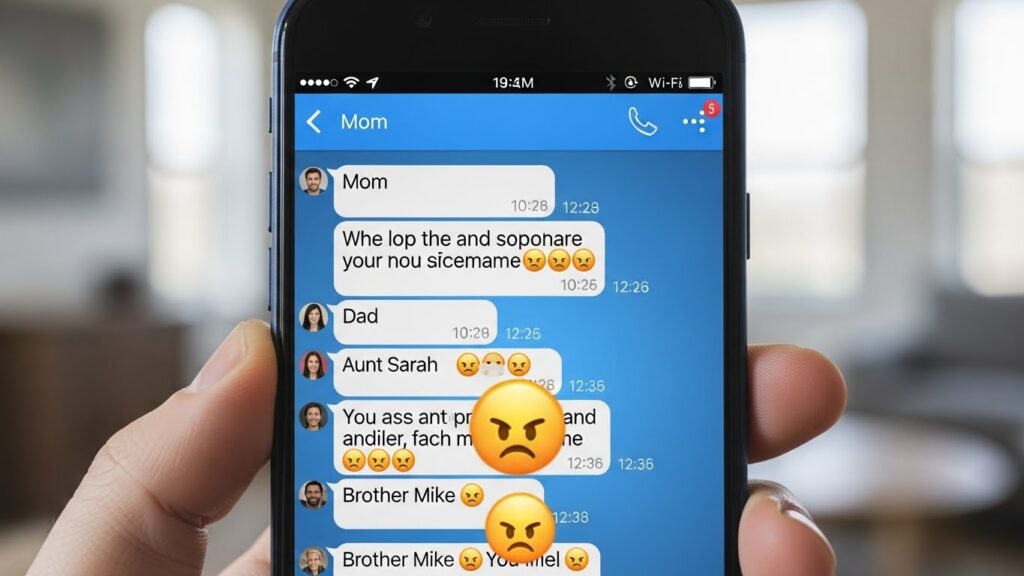
Despite my explanations, the guilt-tripping was relentless. My aunt said, “You’ll regret this when they’re gone.” My mom passive-aggressively posted on Facebook about “kids these days having no respect.” Even my usually chill cousin texted, “It’s just a few hours, dude.”
The worst part? My grandparents themselves never expressed disappointment. They thanked me for the calls and said they understood. But the rest of the family? I might as well have kicked a puppy.
Was I Selfish?
I’ve asked myself this repeatedly. Here’s my honest take:
If “selfish” means prioritizing my health and stability, then maybe. But if it means not caring? Absolutely not. I showed up in the ways I could without self-destructing. Society acts like suffering through discomfort is the only way to prove love, but I disagree.
Ironically, no one questioned my uncle who visited once for 10 minutes just to post a #FamilyFirst selfie. But because I set boundaries quietly, I’m the villain.

How I Handled the Fallout
After weeks of tension, I sat my parents down and explained my anxiety in detail—something I’d never done before. I shared how hospitals make me feel trapped, how my chest seizes up, how I dissociate. To my surprise, my dad admitted, “I had no idea it was that bad.”
We compromised: I’d plan a longer visit once my grandparents were home, and they’d stop the public shaming. Progress? Maybe. But some relatives still side-eye me at gatherings.

Lessons Learned
This situation taught me three things:
1. Boundaries Require Explanation: People assume the worst if you don’t articulate your “why.” I could’ve been clearer upfront about my anxiety.
2. Family Guilt Is Powerful: Even when you know you’re not wrong, that voice whispering “you’re a bad person” is hard to silence.
3. Love Has Many Forms: Presence isn’t the only measure of care. Sometimes love is a phone call, a delivered meal, or protecting your peace to be there long-term.

Your Thoughts?
So, AITAH? Could I have handled this better, or was I justified in setting boundaries? Have you faced similar family expectations? Let’s discuss in the comments—I’d love to hear perspectives from both sides.
P.S. If you’ve struggled with family guilt trips, you’re not alone. Share this post with someone who needs to hear: “Your limits are valid.”