AITAH for Exposing My Coworker’s Fake Illness to Our Boss?

Workplace dynamics can be tricky, especially when you suspect a coworker is taking advantage of the system. I recently found myself in a moral dilemma that’s left me questioning whether I did the right thing. Here’s my story – and I genuinely want to know: Am I the a**hole for calling out my coworker’s fake sick days?
The Suspicious Absence Pattern
It started about three months ago. My coworker, let’s call her Sarah, began taking frequent “sick days” – always on Mondays or Fridays. At first, I didn’t think much of it. Everyone gets sick, right? But then I noticed something peculiar. Her social media was filled with weekend getaway photos during these exact same periods.
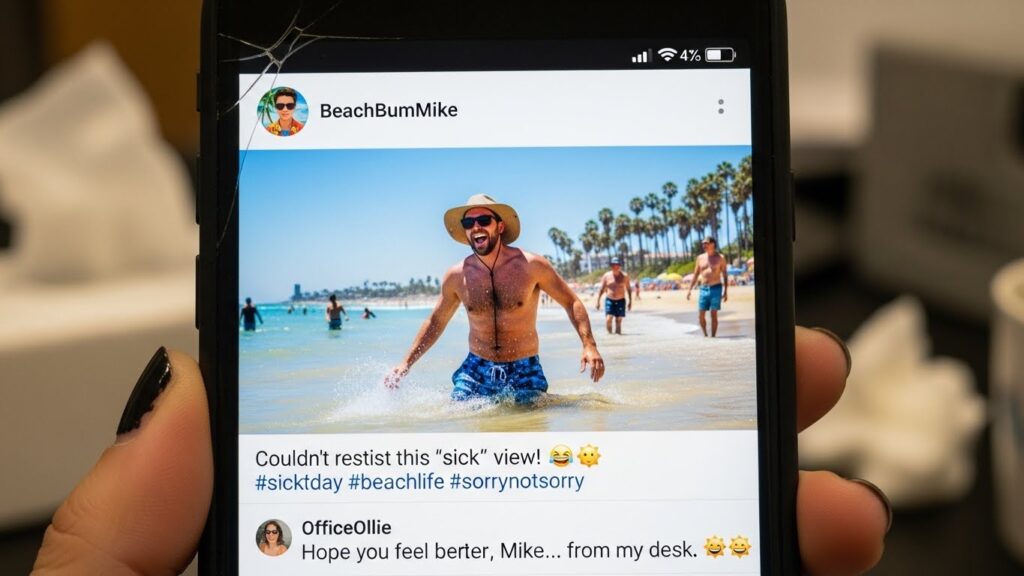
One particular instance stood out. Sarah called in sick on a Monday, claiming a terrible flu. That same afternoon, she posted beach photos with the caption: “Best spontaneous trip ever!” with timestamped location tags. I wasn’t actively stalking her – we’re connected on social media, and her posts just popped up in my feed.
The Ethical Dilemma Grows
As weeks passed, Sarah’s pattern continued. Our team was struggling with deadlines, and her absences meant others had to pick up her slack. I felt torn between minding my own business and addressing what seemed like clear dishonesty. Was it my place to say something? Or was I overstepping by even noticing?
What really pushed me over the edge was when Sarah bragged to another coworker about “gaming the system.” She apparently didn’t realize I could overhear the conversation. “I just say I’m sick,” she laughed. “They can’t ask for proof, and I get extra long weekends!”

Confronting the Situation
I decided to approach Sarah directly first. I showed her the social media posts and gently asked if there was a misunderstanding. Her reaction? Complete denial followed by anger. “How dare you spy on me!” she shouted before storming off.
This left me with a tough choice: let it go or escalate to management. I wrestled with this decision for days. On one hand, whistleblowing could make me unpopular. On the other, our team’s productivity was suffering, and it felt unfair that Sarah was taking advantage while we worked harder.

Going to Management
Ultimately, I scheduled a meeting with our boss. I presented the evidence calmly: the pattern of absences, the social media posts, and what I’d overheard. I emphasized that I wasn’t trying to cause trouble but felt the team deserved fairness.
Our boss thanked me for bringing this to their attention but looked deeply disappointed. They assured me they’d handle it discreetly and investigate properly. I left the meeting feeling both relieved and guilty – a strange mix of emotions.

The Aftermath Unfolds
Two days later, Sarah was called into HR. She returned visibly upset and immediately confronted me: “You narc! I hope you’re happy getting me in trouble!” The office atmosphere became tense, with some coworkers giving me cold shoulders.
I later learned Sarah received a formal warning and had to make up the missed hours. While part of me feels justice was served, another part wonders if I should have just kept quiet. The workplace hasn’t been the same since, and I can’t help but question whether the professional fallout was worth it.

Reflecting on My Actions
Now, weeks later, I’m still conflicted. While Sarah was clearly in the wrong, was exposing her the right move? Should I have given her another chance to correct her behavior? Or was going to management immediately justified given the impact on our team?
I keep thinking about alternative approaches: maybe anonymously reporting, or letting our boss notice the pattern themselves. But then I remember how much extra work the rest of us were doing, and I circle back to feeling that speaking up was necessary.

Lessons Learned Moving Forward
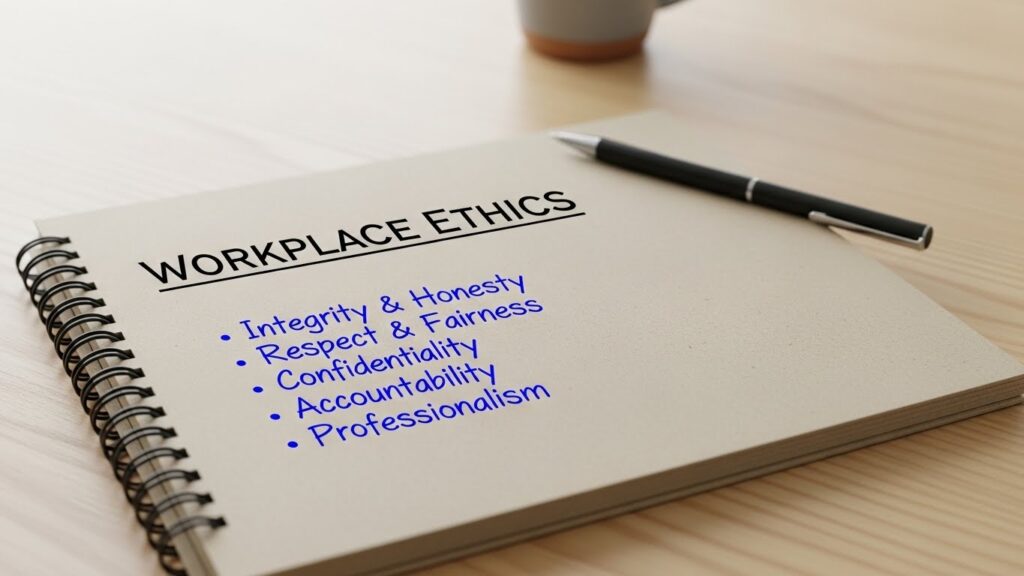
This experience has taught me several valuable lessons about workplace ethics:
1. Documentation matters: Having concrete evidence (like the social media posts) made my case stronger than just suspicions.
2. Consider the human element: While Sarah was wrong, the personal and professional consequences for her were significant.
3. Chain of command: Attempting to resolve it directly with Sarah first was the right approach, even if it didn’t work.
4. Workplace culture impact: These decisions affect more than just the people directly involved.
Your Verdict Matters
So, dear readers, I put it to you: AITAH for exposing my coworker’s fake illness to our boss? Was I justified in speaking up about her dishonesty, or should I have minded my own business despite the impact on our team?
I’m genuinely interested in your perspectives, especially if you’ve faced similar dilemmas. Share your thoughts in the comments below – and if you found this post thought-provoking, please share it with others who might have valuable insights!
Have you ever been in a similar workplace ethics situation? How did you handle it? Let’s discuss in the comments!