AITAH For Forcing My Partner To Attend Therapy With Me
Let me start by saying this: I never imagined I’d be that person who “forces” their partner into therapy. But here we are. Our relationship was crumbling, communication had broken down, and I was desperate. Was I wrong to insist we get professional help? Let me walk you through my story—the good, the bad, and the ugly—so you can decide: AITAH?

The Breaking Point
It started with small things. Forgotten anniversaries, snippy comments, silent treatments that lasted days. Then came the big fights—screaming matches about finances, intimacy, and whether we even liked each other anymore. After one particularly brutal argument where my partner stormed out and didn’t come home until 3 AM, I knew we needed help.
When I first suggested therapy, my partner laughed. “We’re not those people,” they said. “We can figure this out ourselves.” But after six more months of cyclical fights, I put my foot down: “Either we go to therapy, or I can’t do this anymore.” Ultimatums suck, but I was out of options.
The Reluctant Agreement
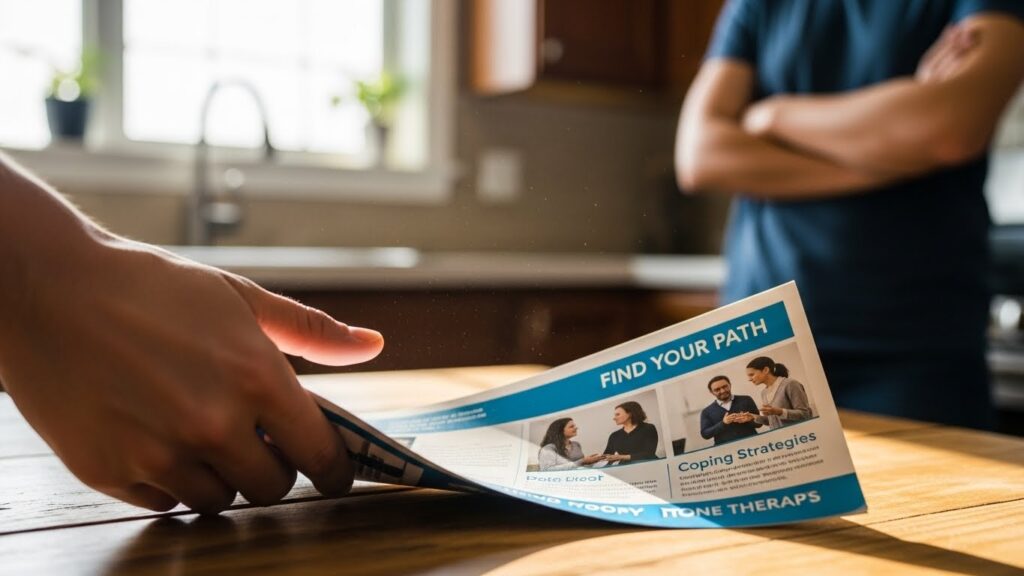
My partner hated the idea. They called it “airing our dirty laundry,” accused me of trying to gang up on them with a therapist, and insisted our problems weren’t “bad enough” for professional intervention. But eventually—after I threatened to move out—they agreed.
That first session was brutal. The therapist asked why we were there, and my partner said, “Because they made me come.” I felt like the villain. Was I? I genuinely believed therapy could help us, but was forcing the issue unethical? Controlling? The therapist’s neutral expression gave nothing away.

Therapy Breakthroughs
Slowly—painfully slowly—things started shifting. Session four was the first time my partner voluntarily shared something vulnerable. By session six, they admitted, “Okay, this isn’t as terrible as I thought.” We learned communication techniques, identified toxic patterns, and realized we’d both been deeply unhappy in different ways.
But here’s the thing: none of this would’ve happened if I hadn’t forced the issue. My partner later confessed they’d never have gone voluntarily. That admission made me wonder—does the end justify the means? If coercion leads to growth, is it still coercion?

The Backlash
Not everyone supported my decision. When I told my sister, she gasped: “You forced them? That’s manipulative!” A friend argued therapy only works if both parties are willing. Even our therapist acknowledged that mandated participation isn’t ideal—but sometimes necessary.
I started questioning myself. Had I overstepped? Was I the asshole for prioritizing our relationship’s survival over my partner’s autonomy? The ethical lines blurred. Yes, I’d issued an ultimatum—but I’d also been drowning in a failing relationship with someone who refused to throw me a lifeline.

Unexpected Outcomes
Eight months later, here’s where we stand: We’re still together. We still attend biweekly sessions. My partner—who once mocked therapy—now suggests “check-ins” with our counselor during tough times. The resentment they initially harbored about being “forced” has faded, replaced by gratitude for the tools we’ve gained.
But the ethical dilemma lingers. Was my insistence abusive? Some would say yes. Others would argue I saved our relationship. The therapist says what matters is that we’re both choosing to continue the work now—but that doesn’t erase how it started.

Lessons Learned
If you’re considering forcing your partner into therapy, here’s what I wish I’d known:
1. Ultimatums change relationship dynamics permanently. Even if it “works,” there’s no going back to how things were before the power play.
2. Therapy requires buy-in to be effective. Our first few sessions were nearly useless because my partner was actively resistant.
3. Sometimes, drastic measures are necessary. In our case, the alternative was likely divorce—but that doesn’t make my approach morally clean.

Your Verdict?
So, internet strangers—AITAH? Was forcing therapy an act of love or control? Could I have handled it better? I’m still torn, and I’d genuinely value outside perspectives. Share your thoughts in the comments, especially if you’ve been on either side of this situation.
And if you’re in a similar standoff, take this as your sign: Don’t wait until you’re desperate. Address issues early, communicate openly, and if all else fails—maybe consider whether this relationship is worth strong-arming someone into saving.