AITAH For Forcing My Son To Apologize For Posting Online

Parenting in the digital age feels like navigating a minefield blindfolded. Last week, I faced a dilemma that’s kept me awake ever since: Did I cross a line by forcing my 14-year-old son to publicly apologize for a controversial online post? The backlash from both my family and internet strangers has me questioning everything. Here’s the full story—judge for yourself whether I’m the villain here.
The Offensive Post Emerges
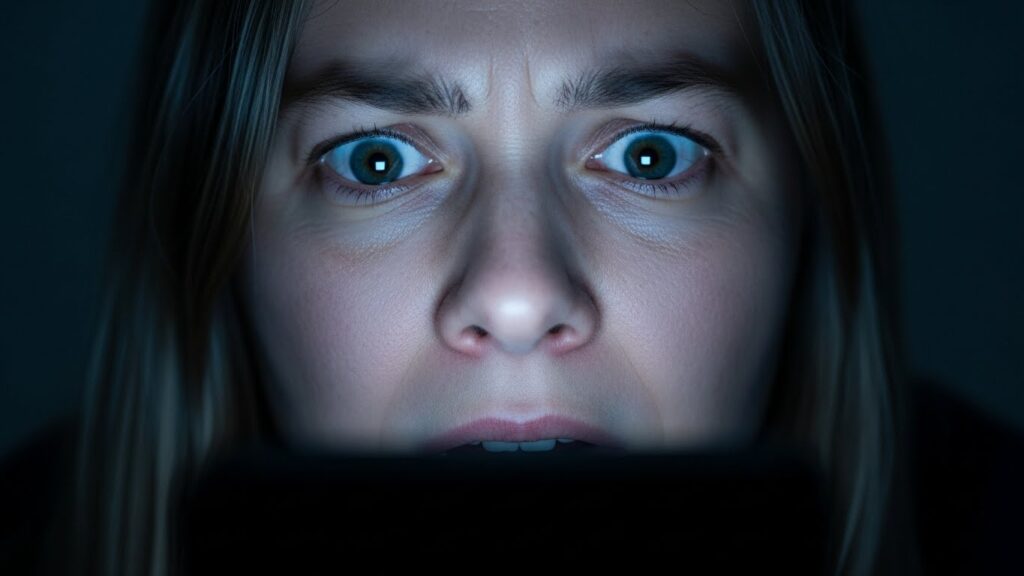
It started when my sister called me at work, her voice shaking. “Have you seen what Jason posted?” My stomach dropped. A quick search revealed my honor student son had shared a meme mocking disabled students at his school—complete with altered photos of real classmates. The comments section was worse, with Jason actively participating in cruel jokes.
What gutted me wasn’t just the content, but the 250+ shares and the principal’s voicemail waiting on my phone. Three families had already filed bullying complaints. My hands trembled holding my phone—this wasn’t just some “boys will be boys” nonsense. Real harm was happening.
The Nuclear Consequences
By the time Jason got home, the school had suspended him pending investigation. His soccer team revoked his captaincy. Local news picked up the story after outraged parents tagged reporters. Our quiet suburban life imploded in eight hours.
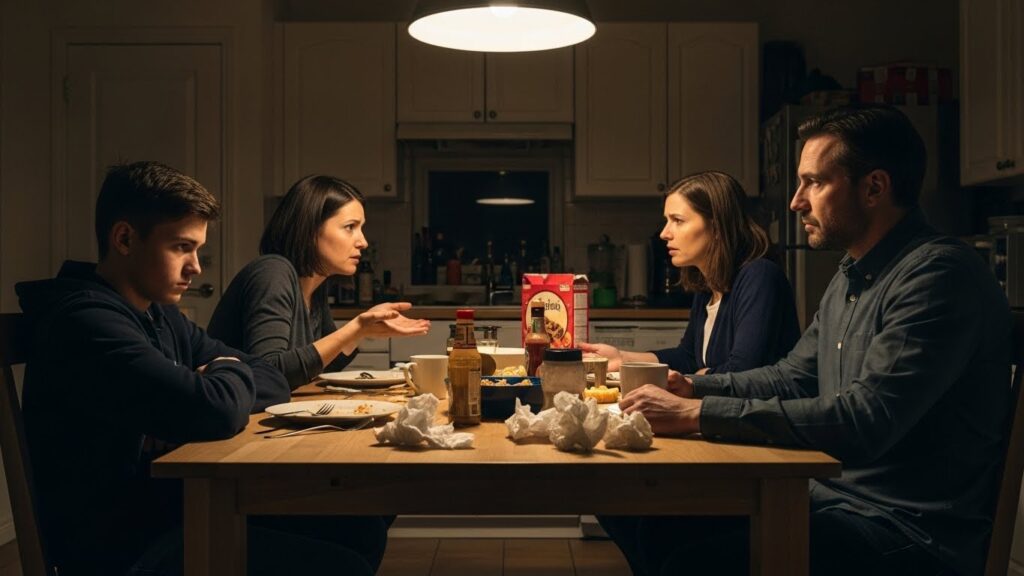
When confronted, Jason shrugged. “It’s just internet stuff. Everyone does it.” No remorse. That’s when I made my decision—he’d record a public apology video acknowledging each harmed individual by name. My wife disagreed violently: “You’re throwing him to the wolves!”
The Forced Apology
I stood firm. For three hours, I made Jason rewrite his statement until it contained no excuses. The final video showed him red-eyed but sincere, promising to volunteer with disability organizations. I posted it to his accounts and emailed it to the school.
The internet’s reaction shocked me. While some praised the accountability, others called it “abusive parenting.” A child psychologist’s viral thread argued forced apologies teach compliance, not empathy. My sister sent me screenshots of Jason’s friends mocking him—the very same kids who’d liked the original post.
The Unexpected Fallout
Two days later, Jason stopped speaking to me entirely. The school still expelled him, citing “pattern of behavior” from discovered group chats. My wife sleeps in the guest room. Strangers recognize us at the grocery store.
But here’s what keeps me up: The mother of a targeted student hugged me at the pharmacy, crying. “Thank you for showing him my daughter is human.” Was that worth my son’s hatred? I don’t know anymore.

What Experts Say
I consulted three professionals:
1. School Psychologist: “Public humiliation rarely effects real change. Private restorative justice works better.”
2. Social Media Ethicist: “You treated the symptom (the post) not the cause (his attitudes).”
3. Youth Pastor: “Sometimes hard lessons look cruel in the moment. Time will tell.”
Their conflicting answers didn’t help. Neither did the 4,000+ comments on my Reddit post about this.
Where We Are Now
Jason starts at a new school next month. He attends therapy but still won’t discuss the incident. The targeted families declined our offer to meet, though one accepted Jason’s handwritten letter.
I check his search history nightly. My wife thinks I’ve become a tyrant. Maybe she’s right. But when I see news stories about teen suicides linked to online bullying, I wonder—what if I hadn’t intervened?

Your Judgment Matters
So here’s my raw question: Was forcing that public apology an act of responsible parenting or emotional abuse? I need outside perspectives because right now, I can’t trust my own.
Parents: How would you handle this? Teens: Would this approach change your behavior or just make you sneakier? Comment below—I’ll read every response, even the harsh ones.