AITAH For Making My Daughter Apologize To A Stranger

Parenting is full of moments where you question whether you made the right call. This was one of those times for me – when I forced my 8-year-old to apologize to an adult stranger in public. Now I’m left wondering: was I teaching an important lesson or overstepping boundaries?
The Incident Unfolds
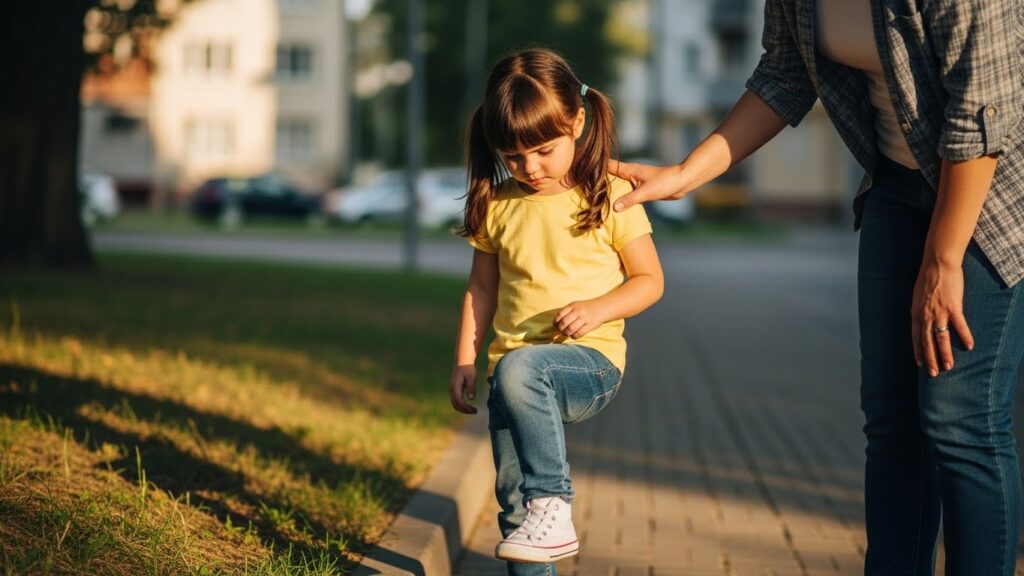
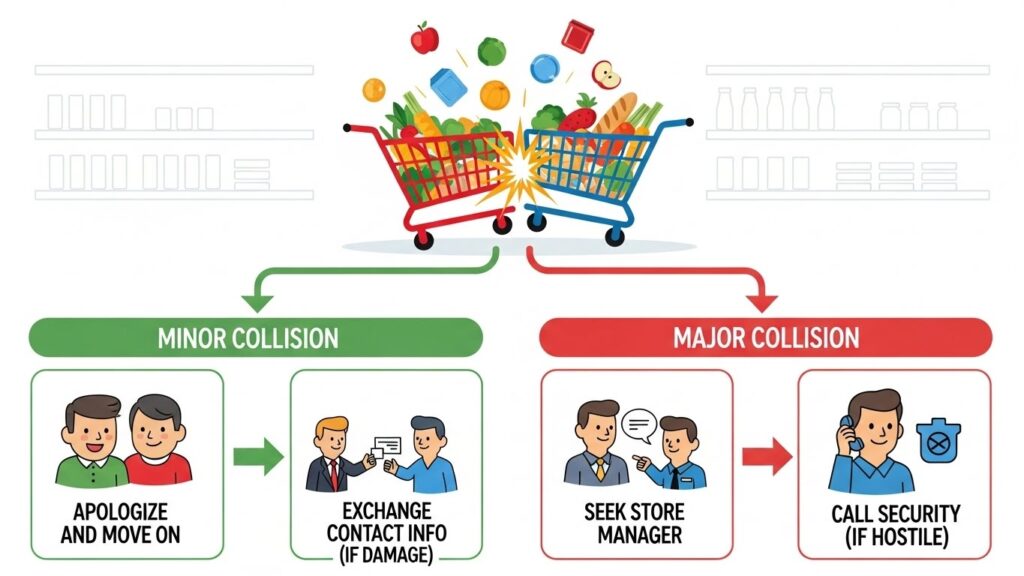
We were at the grocery store when it happened. My daughter Lily was pushing the cart while I checked prices. Suddenly, I heard a loud “Hey, watch it!” from behind us. Lily had accidentally bumped into a man’s heel with the cart wheel.
The man wasn’t hurt – he didn’t even stumble – but he turned around with an irritated expression. Before I could say anything, Lily froze like a deer in headlights. No “sorry,” no acknowledgment, just wide-eyed silence.

My Immediate Reaction
Instinct took over. “Lily, apologize to the gentleman,” I said firmly. When she didn’t respond immediately, I repeated: “Now, please.” Her voice was barely audible as she muttered “Sorry” to the floor.
The man nodded and walked away, but Lily’s face crumpled. That’s when the doubts started creeping in. Had I embarrassed her unnecessarily? Should I have let this minor incident go?
Teaching Accountability Matters
Here’s why I stood my ground: I believe small moments shape big character. If Lily learns she can brush off minor offenses without acknowledgment, what stops that behavior from escalating?
Three key lessons I wanted to reinforce:
1. Your actions impact others, even accidentally
2. Taking responsibility isn’t optional
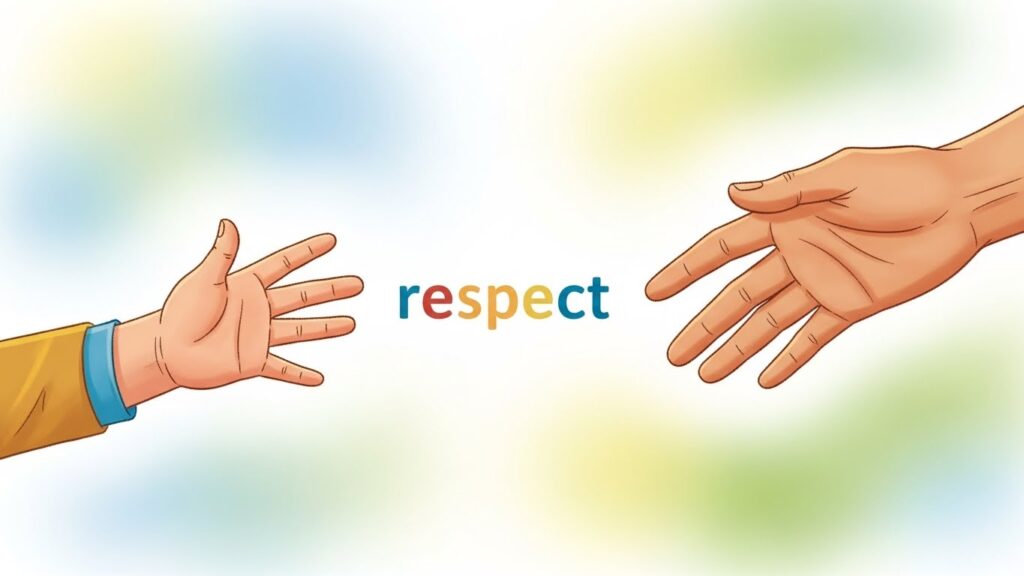
3. Respect isn’t reserved just for people we know
The Aftermath at Home
Lily was quiet the rest of our shopping trip. In the car, she finally spoke: “Why did I have to say sorry to that mean man? He yelled at me!”
This opened an important discussion about intent versus impact. Yes, his reaction was disproportionate, but our values aren’t conditional on others’ behavior. I explained that apologizing wasn’t about him “winning” – it was about us doing the right thing.

Alternative Approaches Considered
Later, I wondered if I could have handled it differently:
Option 1: Model the behavior by apologizing on her behalf (“Sorry about that!”) then discuss later
Option 2: Ask rather than demand (“How do you think that man felt? What could we say?”)
Option 3: Address both parties (“She didn’t mean to bump you, but we should both be more careful”)
Parenting rarely has perfect solutions, just judgment calls in the moment.
Stranger Danger Concerns
Some might argue that forcing interactions with strangers contradicts “stranger danger” teachings. This gave me pause. However, I believe there’s a middle ground between:
– Teaching politeness in safe, public settings
– Maintaining boundaries about private conversations or going anywhere with strangers
The key is context. A brief apology in a crowded store differs vastly from encouraging ongoing contact.

Was I The AH Here?
After reflecting, here’s where I’ve landed:
The Good: Consistency in teaching accountability matters. Small moments build lifelong habits.
The Bad: My delivery could have been softer. Public corrections can shame more than teach.
The Better Way: Next time, I’ll kneel to her level to discuss it quietly first before insisting on the apology.

Your Thoughts?
Parenting is endlessly complex, and I’m still figuring it out. What would you have done in this situation? Have you faced similar dilemmas between teaching manners and respecting your child’s comfort?
Share your experiences in the comments – let’s learn from each other’s perspectives. And if you found this post relatable, consider sharing it with other parents who might be wrestling with these everyday teaching moments.