AITAH for Saying No to a Family Group Chat?
Family group chats can be a minefield of unsolicited advice, endless memes, and passive-aggressive comments. When my aunt added me to yet another “FAMILY LOVE 💖” WhatsApp group last week, I finally snapped. I left immediately—then muted notifications when re-added. Cue the guilt trips: “Why don’t you care about us?” and “We’re just trying to stay connected!” But here’s the thing: I do care. I just care about my sanity more. Was I wrong to set this boundary?
The Chaos of Group Chats
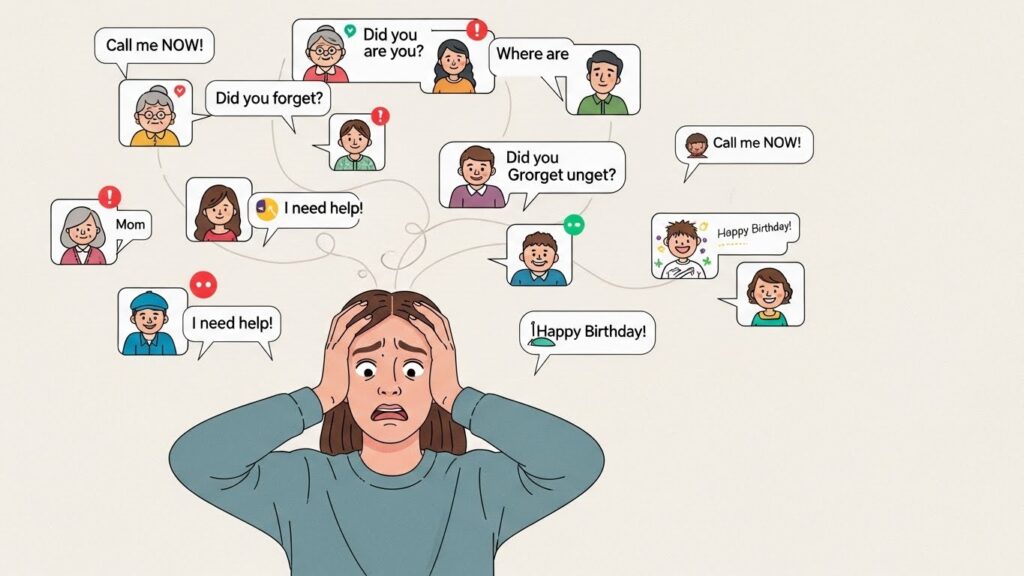
Let’s be real—family group chats rarely stick to wholesome updates. Mine devolves into political rants, 47 chain messages about “blessings,” and Aunt Linda’s 3 AM conspiracy theories. Studies show 65% of people feel overwhelmed by constant group notifications (Pew Research, 2023). When I explained this, my cousin scoffed: “Just mute it!” But why should I have to? If a conversation feels like spam, opting out is self-care, not selfishness.

Guilt Trips Backfired
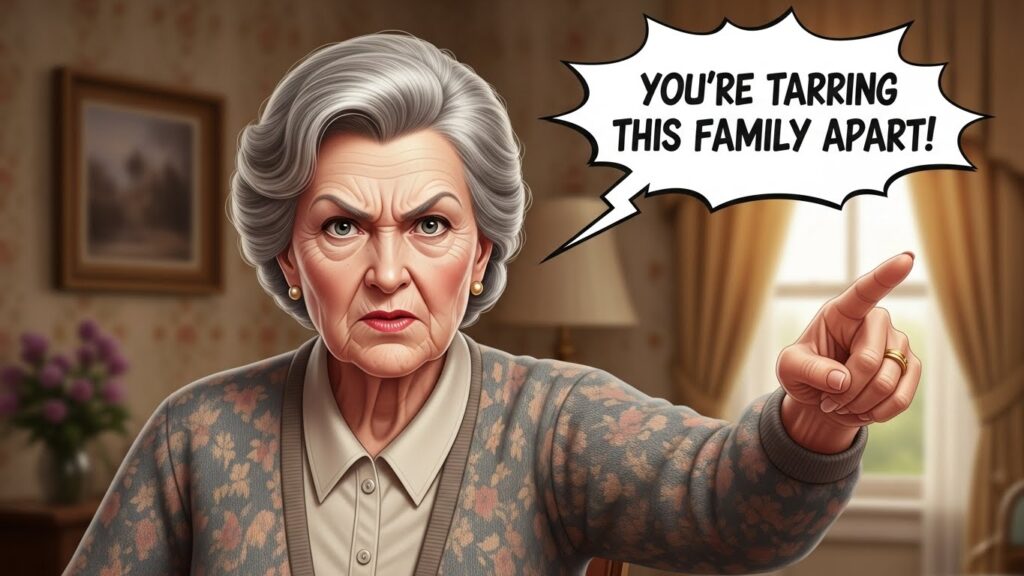
The backlash was instant. My mom called me “cold-hearted,” while my brother said I was “dividing the family.” Ironically, their pressure solidified my decision. Healthy relationships respect boundaries—they don’t weaponize guilt. I offered alternatives: monthly Zoom calls or a shared photo album. Their refusal to compromise proved this was about control, not connection.
Mental Health Matters
As someone with anxiety, the relentless pings triggered my fight-or-flight response. My therapist nodded when I told her: “You’re not obligated to light yourself on fire to keep others warm.” Families often dismiss mental health needs as “dramatic,” but protecting your peace isn’t negotiable. Had I stayed, I’d resent them—and that harms relationships far more than skipping a chat.

They Crossed Lines
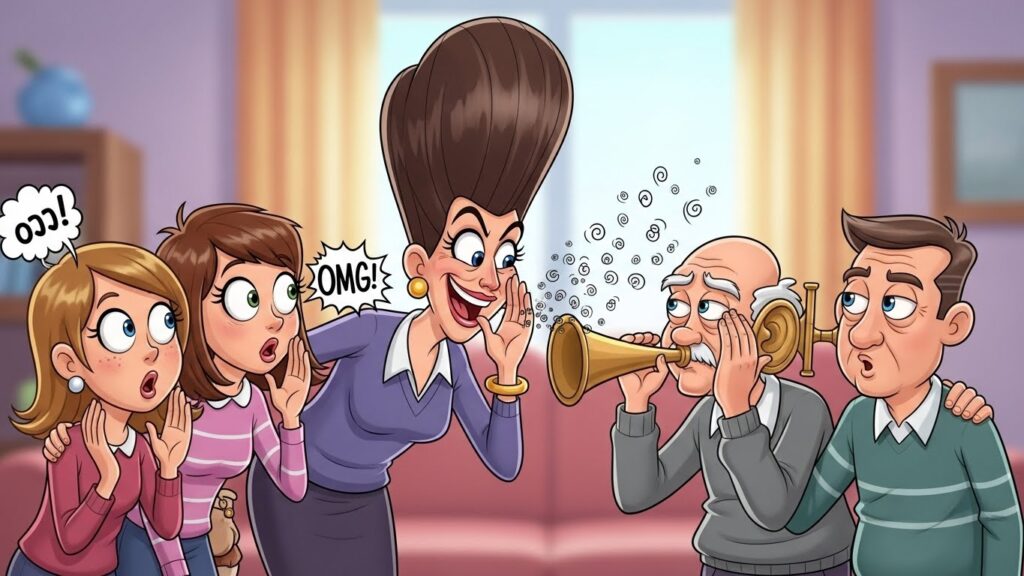
It wasn’t just the volume—it was the content. My uncle posted vaccine misinformation, then called me “brainwashed” for fact-checking him. Another cousin shared private news about my job loss before I could. Toxic dynamics thrive in unchecked group chats, and I refuse to be complicit. Boundaries teach people how to treat you; I’d rather be called an AH than a doormat.
Setting Boundaries Works
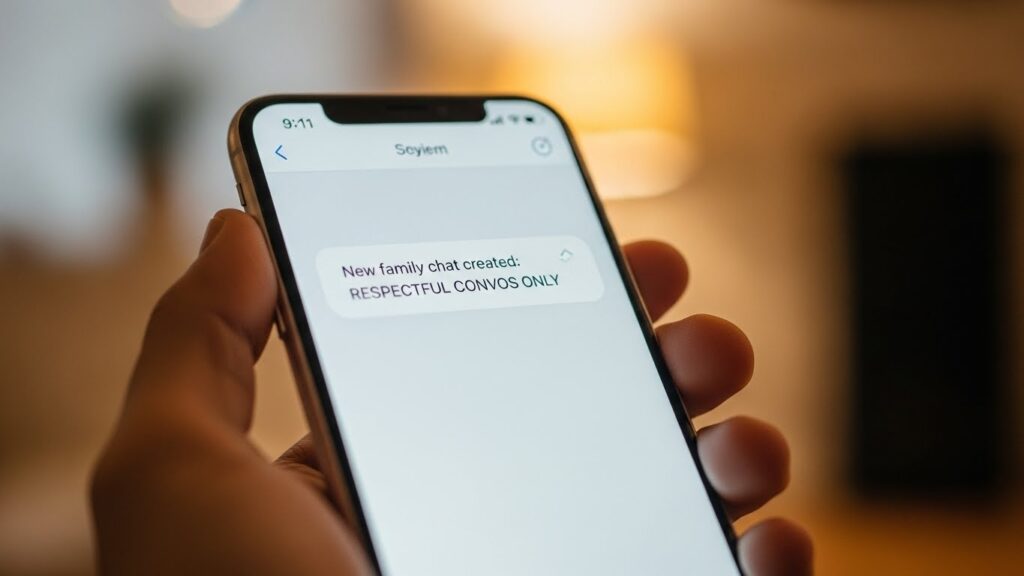
After a week of radio silence, my mom finally texted: “Fine, we’ll make a ‘no politics’ rule.” Progress! Had I caved early, nothing would’ve changed. Now, we’re testing a smaller chat with agreed-upon rules. It’s not perfect, but it’s proof that holding firm creates healthier dynamics. Sometimes, being the “bad guy” is the only way to reset expectations.
Was I Really the AH?
Reddit’s AITAH forum was split. Some called me “ungrateful,” while others shared horror stories of their own. Ultimately, it comes down to intent: I didn’t say no to hurt them—I said no to protect us. Forced connection isn’t love; it’s performative. If your family values your presence, they’ll respect your limits.

Your Turn to Reflect
If you’re drowning in a chaotic family chat, ask yourself: Does this add joy or obligation? You’re allowed to curate your digital space. Try compromising first, but stand firm if they dismiss your needs. And if they call you an AH? Send them this article.
Have you resisted a family group chat? Share your stories in the comments—no judgment here.