AITAH for Telling My Best Friend Her Boyfriend Is Toxic?
We’ve all been there—watching a close friend make questionable choices in love and wondering if we should speak up. But when does honesty cross the line into overstepping? I recently faced this dilemma when my best friend’s boyfriend started showing major red flags. Was I wrong for calling him out, or was I just being a good friend? Let’s dive into the messy world of relationships, loyalty, and tough love.
The Toxic Behavior

It started small—comments about her outfits, subtle put-downs disguised as jokes. Then came the controlling behavior: demanding to know where she was, who she was with, and even checking her phone. I brushed it off at first, thinking maybe I was overreacting. But when he publicly humiliated her at a party, I couldn’t stay silent. I pulled her aside and said, “You deserve better than this.” She froze, then defended him: “He’s just stressed.” Was I wrong for pointing out what everyone else seemed to ignore?
The Blowup

Things escalated when I flat-out told her he was toxic. She accused me of jealousy, of “trying to ruin her happiness.” I was stunned. We’d been friends for a decade—how could she think that? I doubled down, listing every red flag I’d noticed. She called me judgmental and left in tears. Later, her boyfriend texted me: “Stay out of our relationship.” Now our friend group is divided. Some say I was right to speak up; others say I should’ve minded my own business.
The Silent Treatment

It’s been three weeks of silence. She skipped my birthday, and mutual friends say she’s avoiding gatherings where I might be. Part of me wonders if I should apologize just to salvage the friendship. But another part—the part that saw him scream at her for talking to another guy—knows I’d do it again. Was I the asshole for prioritizing her well-being over her feelings?
Friendship vs. Honesty

This situation forced me to confront a hard question: Is friendship about support or truth? Should we blindly cheer our friends on, or do we owe them hard truths when they’re in danger? I’ve always believed real friends don’t let friends stay in harmful situations. But now I’m questioning whether my delivery was too harsh. Maybe there was a gentler way to say, “This guy is bad news.”
The Social Media Fallout
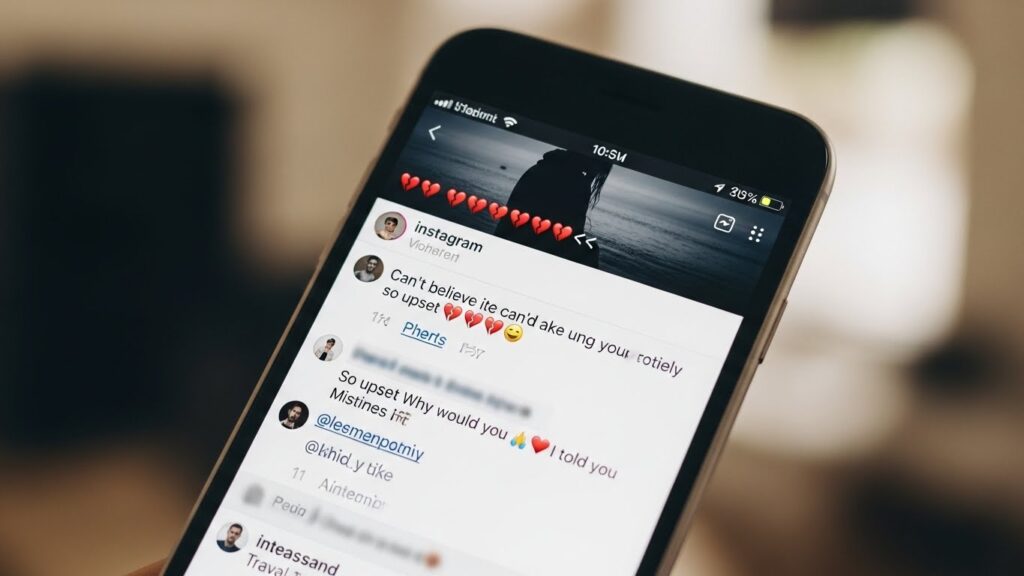
Things got messier when she posted a cryptic Instagram story: “Cutting out toxic people feels so good.” Our mutuals flooded the comments with “Who hurt you?” and “You’re better off!” I wanted to scream: “It’s not me—it’s the guy monitoring your DMs!” But I kept quiet. Engaging would’ve fueled the drama. Still, watching her paint me as the villain while ignoring his behavior stung.
Was I Wrong?
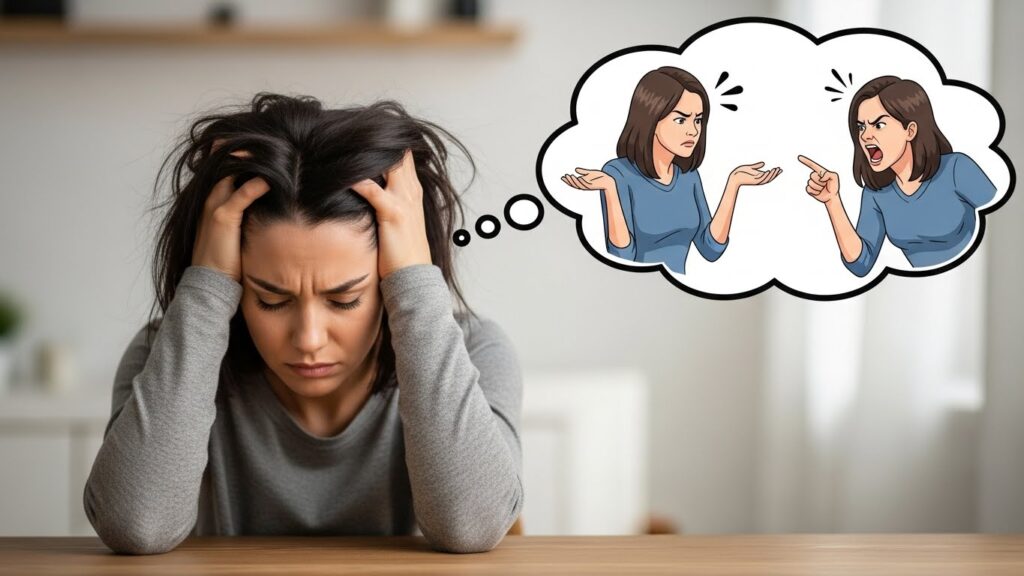
I keep replaying it all. Maybe I should’ve waited for her to ask for my opinion. Maybe I could’ve been subtler—sending articles about healthy relationships instead of outright calling him toxic. But when someone you love is in a sinking ship, do you politely suggest a life jacket or scream, “SWIM!”? I chose the latter. And now I might lose my best friend over it.
Your Turn to Judge
So, AITAH? Have you been in this situation—either as the friend sounding the alarm or the one defending a questionable partner? Share your stories below. Sometimes the line between caring and interfering is thinner than we think.