AITAH for Telling My Boss I Won’t Answer Emails After 6 PM?
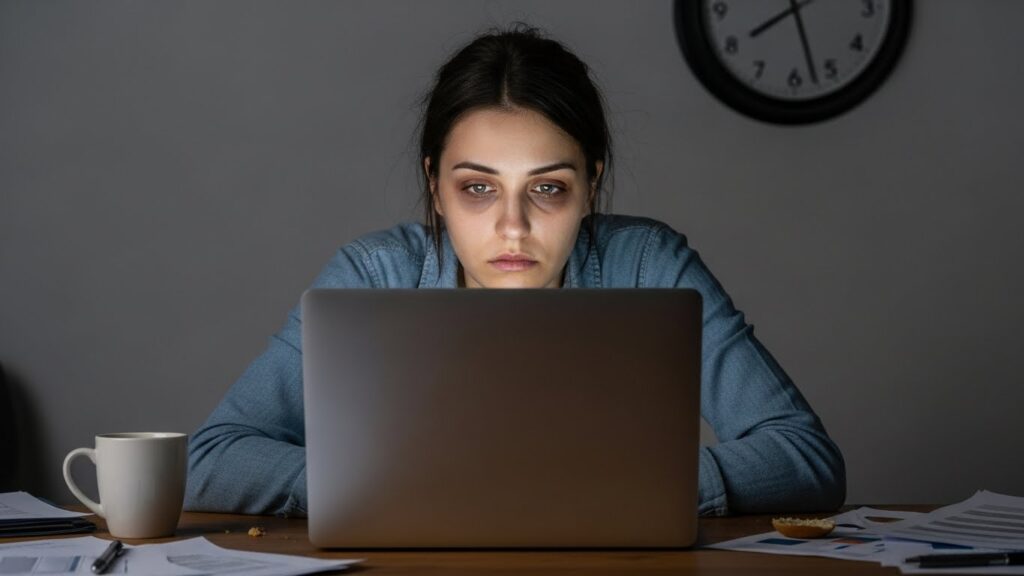
Let me start by saying I love my job. The work is engaging, my team is great, and my boss has always been supportive—until recently. But after months of late-night emails and weekend “quick questions,” I finally snapped. I told my boss I wouldn’t be answering emails after 6 PM anymore. Now, the office is buzzing, and I’m wondering: Was I the a**hole here?
The Breaking Point
It wasn’t one big moment but a slow build-up. At first, I didn’t mind answering the occasional after-hours email. But over time, it became expected. My boss would send messages at 8 PM, 10 PM, even on Sundays—and if I didn’t reply within an hour, I’d get a follow-up: “Just checking if you saw this.” My personal time vanished, and my stress levels skyrocketed.
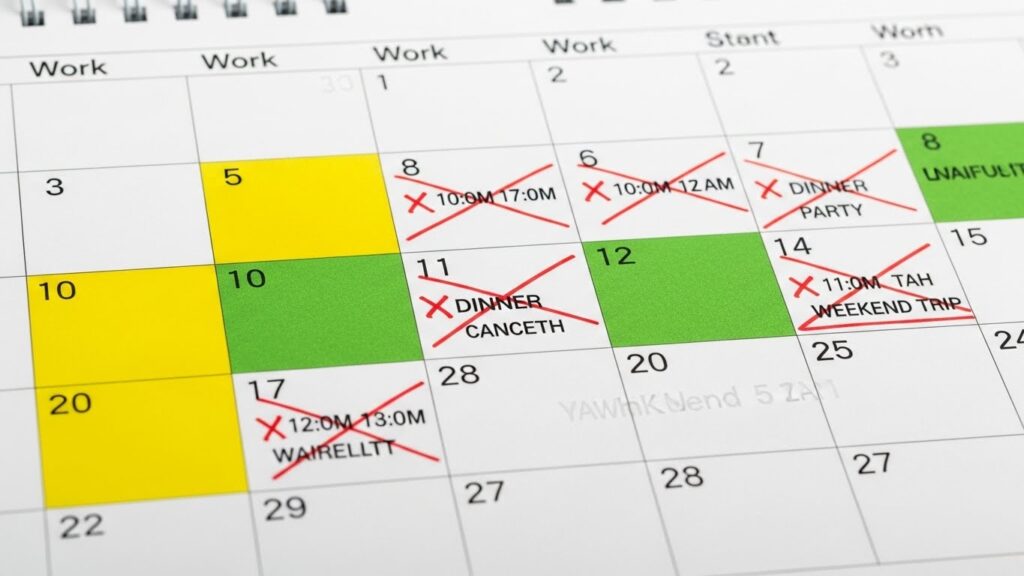
Last week, I missed my best friend’s birthday dinner because of an “urgent” request that could’ve waited until morning. That’s when I realized: this wasn’t sustainable. I needed to set boundaries before I burned out completely.
The Conversation
I scheduled a one-on-one with my boss and kept it professional. I explained how after-hours emails were affecting my work-life balance and mental health. I even proposed solutions: “If it’s truly urgent, call me. Otherwise, I’ll address it first thing in the morning.”
Their reaction? A mix of surprise and irritation. “This is just how our industry works,” they said. “If you want to move up, you need to be available.” I stood my ground, but now I’m second-guessing myself. Was I unreasonable?

Office Backlash
Word spread fast. Some colleagues privately cheered me on (“I wish I had the guts to say that!”), but others called me “entitled” behind my back. The worst part? My boss has been distant since our talk. Assignments I’d normally handle are going to others, and I’m worried this will hurt my career long-term.
But here’s the thing: I’m happier now. My evenings are mine again. I cook, read, and actually sleep without my phone buzzing every 20 minutes. Still, the guilt lingers. Should I have just sucked it up?

Research Says No
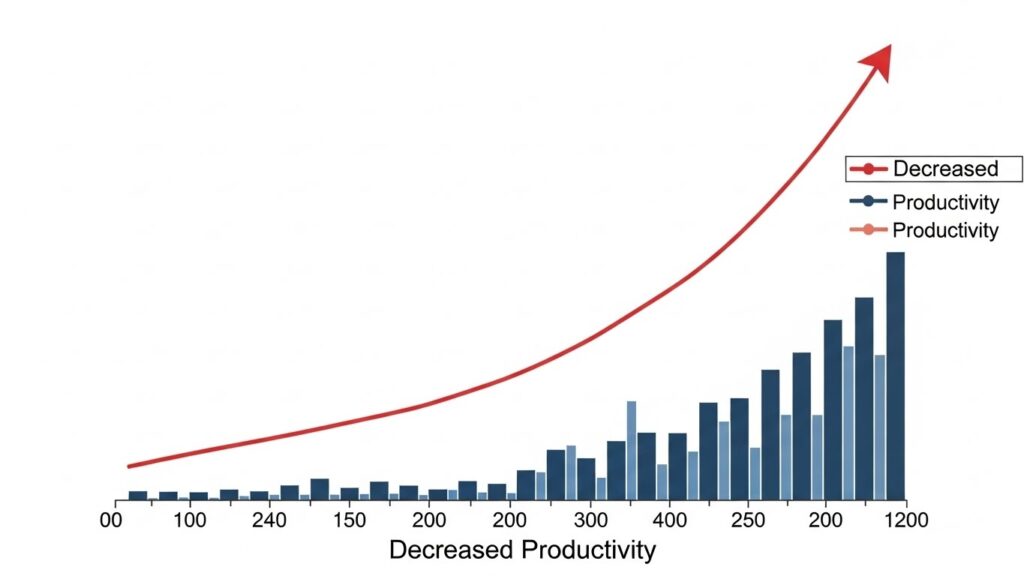
Turns out, science backs me up. Studies show that constant after-hours contact increases burnout and actually lowers productivity. Countries like France have “right to disconnect” laws banning work emails post-shift. Even big companies like Volkswagen auto-delete emails sent to employees after hours.
If multibillion-dollar corporations recognize this as unhealthy, why do so many of us still feel guilty for wanting offline time?
Was There a Better Way?
In hindsight, maybe I could’ve phased this in gradually. Instead of a hard stop at 6 PM, I might’ve said, “I’ll check emails once at 8 PM, then not again until morning.” Or proposed a team-wide policy so I wasn’t the sole “problem.”
But here’s my counterpoint: Why should basic boundaries require negotiation? If I were leaving the office at 5 PM, no one would expect me to stay until 8. Why is digital presence different?

Where Do I Go From Here?
I won’t walk back my boundary—my mental health is non-negotiable. But I’ll schedule a follow-up with my boss to clarify: This isn’t about laziness; it’s about sustainable performance. If they can’t respect that, maybe this isn’t the right workplace for me.
So, Reddit, lay it on me: AITAH for refusing after-hours emails? Should workers have to be on-call 24/7 to succeed? Or is it time we normalized shutting down at quitting time?
Your Turn
What would you do in my shoes? Have you ever set a work boundary that backfired—or one that changed your life for the better? Drop your stories in the comments below. And if you’ve ever hit “send” on a late-night email to an employee, ask yourself: Could this have waited?
P.S. If this resonated with you, share it with that one coworker who always answers emails at midnight. Maybe they need permission to log off, too.