Banana Hair Mask: The Tropical Treatment for Damaged Hair
Imagine a hair treatment that feels like a tropical vacation for your strands. A natural, fragrant, and incredibly effective solution hiding in your fruit bowl. For centuries, cultures around the world have harnessed the power of nature’s bounty for beauty, and one of the most potent, yet overlooked, ingredients is the humble banana. More than just a healthy snack, this curved yellow fruit is a powerhouse of nutrients that can breathe life back into dry, damaged, and lackluster hair.
If you’re battling with the aftermath of heat styling, chemical treatments, or environmental stressors, you’ve likely tried a myriad of products promising salvation. But what if the answer is simpler, more natural, and surprisingly affordable? Banana hair masks are not a fleeting trend; they are a time-tested, natural remedy that delivers tangible results. This comprehensive guide will walk you through the incredible benefits of this tropical treatment and show you exactly how to whip up your own salon-quality mask at home.
Why Banana? The Science Behind the Smoothing Power
Before we dive into the recipes, it’s essential to understand why a banana is so beneficial for your hair. This isn’t just an old wives’ tale; there’s solid science behind its smoothing power. Bananas are packed with a unique combination of vitamins, minerals, and natural oils that directly target the most common hair woes.
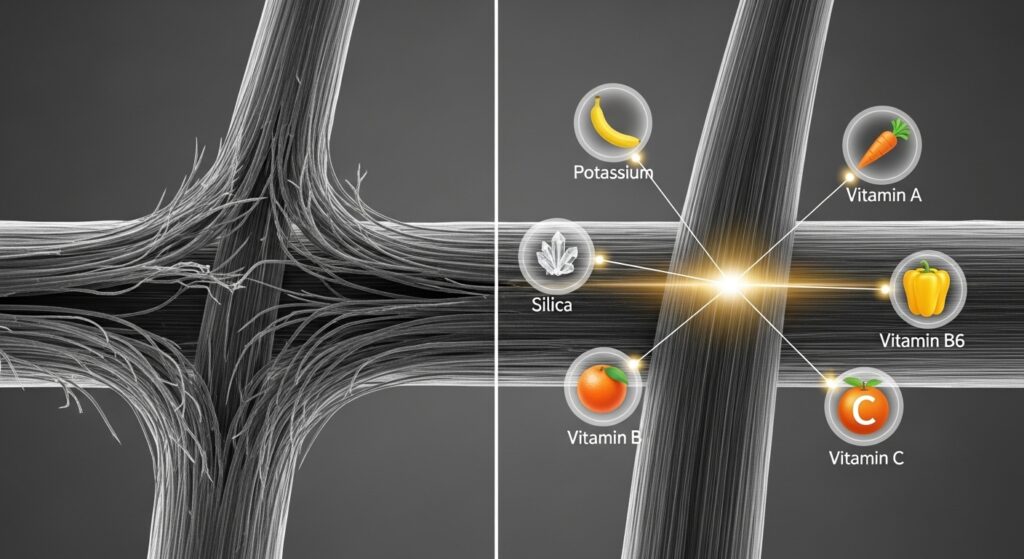
First and foremost, bananas are rich in potassium. This mineral is crucial for strengthening hair and combating brittleness. Over time, hair can lose its natural strength, leading to breakage and split ends. Potassium helps to reinforce the hair shaft from within. Then there are the vitamins: Vitamin A helps your scalp produce healthy sebum, the natural oil that keeps hair moisturized. Vitamin B6 plays a role in preventing dandruff and promoting overall hair health, while Vitamin C is a powerful antioxidant that protects hair from free radical damage caused by pollution and UV rays.
Furthermore, bananas contain silica, a mineral that helps your body synthesize collagen, a key component for strong, thick hair. The natural oils in bananas, along with their high moisture content, provide intense hydration without the heaviness of some commercial conditioners. The result? Hair that is not only stronger and smoother but also more elastic and less prone to snapping. It’s a full-spectrum treatment that addresses damage at its root, quite literally.
Gathering Your Ingredients: Choosing the Right Banana
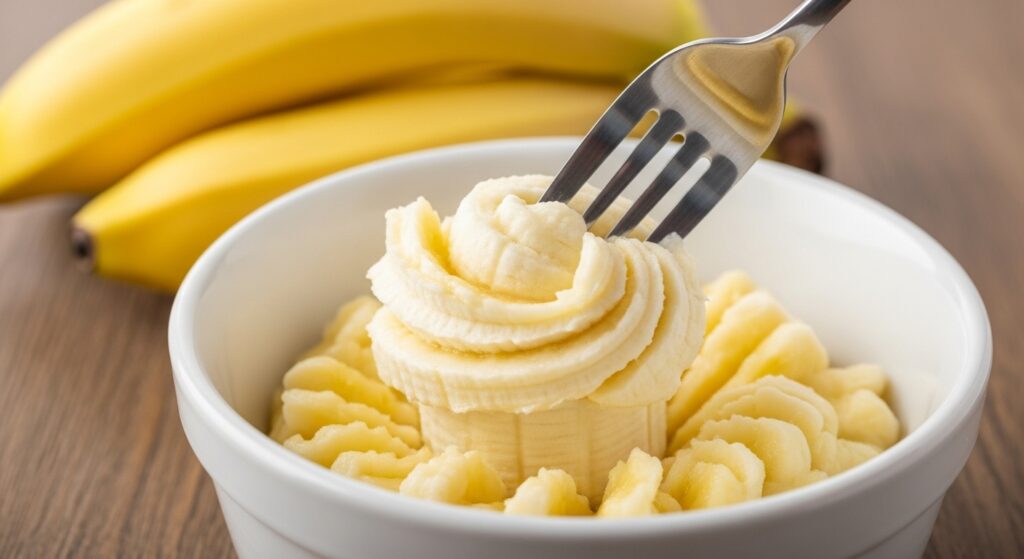
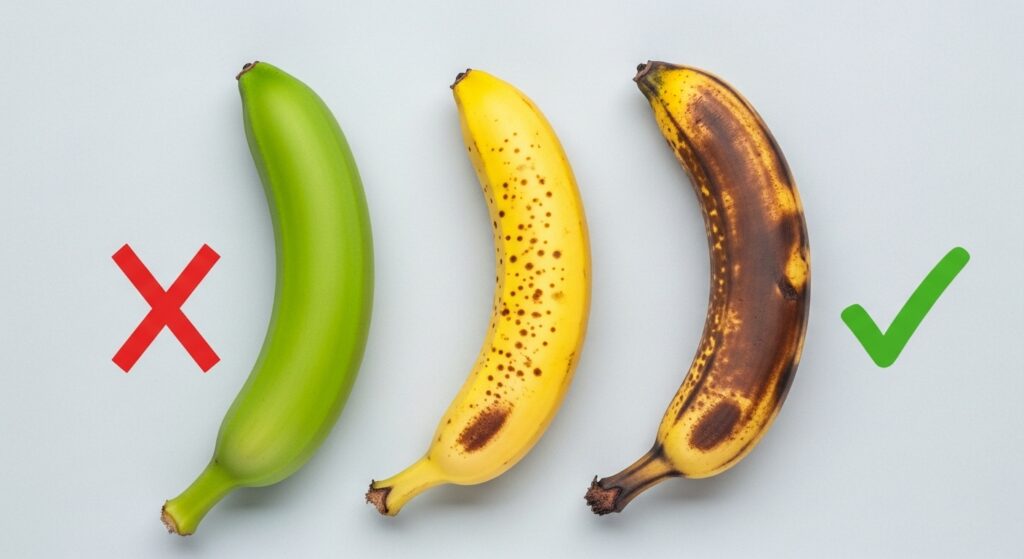
Not all bananas are created equal when it comes to your hair mask. The ideal candidate is a ripe banana—one that has developed a few brown spots on its yellow peel. Why ripe? A ripe banana is softer, sweeter, and much easier to mash into a smooth, lump-free paste. More importantly, as a banana ripens, its starches break down into simpler sugars, making it easier for the nutrients to be absorbed by your hair shaft. An overripe banana with a fully brown peel is even better, as it is at its nutritional peak and easiest to blend.
Avoid using green, unripe bananas. They are harder to mash, often leaving stubborn chunks that can get stuck in your hair, and their nutrient profile isn’t as bioavailable. The goal is a creamy, consistent paste that will coat every strand evenly. For the best results, always use organic bananas if possible to minimize exposure to pesticides that could transfer to your scalp.
Beyond the banana itself, most recipes call for complementary ingredients you likely already have in your kitchen. From hydrating honey and coconut oil to protein-rich yogurt and eggs, these add-ins can customize your mask to target your specific hair concerns, which we will explore in the next section.
Recipes for Every Hair Type: Your Custom Tropical Treatment
Now for the fun part—creating your mask! The basic banana base is versatile, and you can tailor it with other natural ingredients to address your unique hair needs. Here are a few proven recipes to get you started.
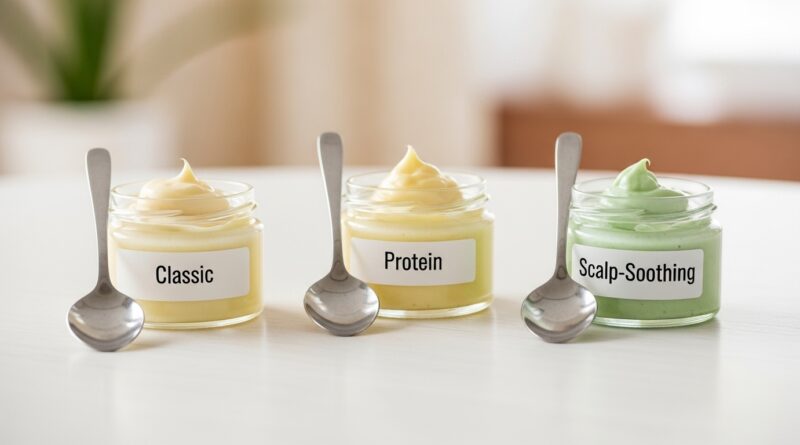
The Classic Hydration Mask for Dry, Frizzy Hair
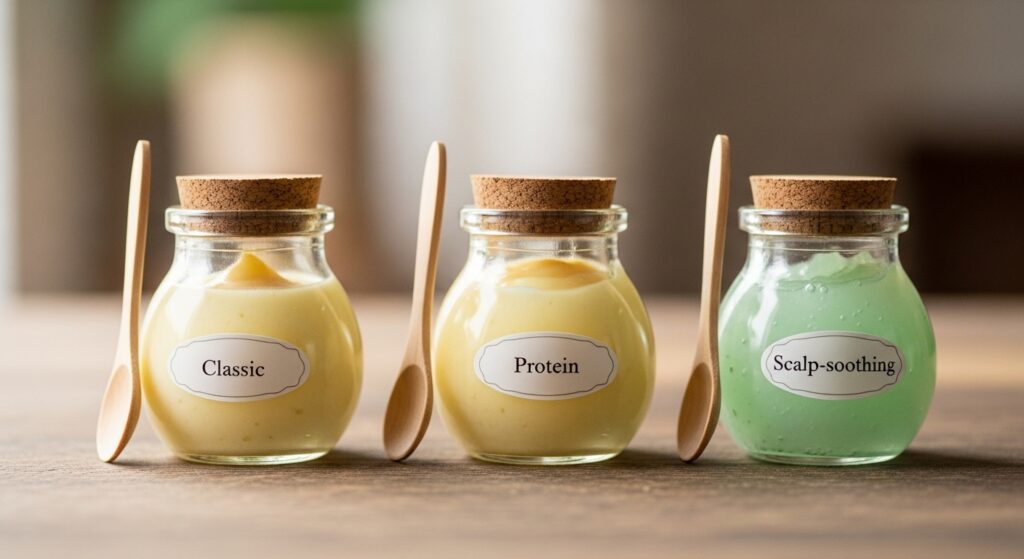
This is your go-to recipe for infusing moisture and taming unruly frizz. You will need one ripe banana, one tablespoon of raw honey, and one tablespoon of extra virgin coconut oil. Honey is a natural humectant, meaning it draws moisture from the air into your hair, while coconut oil is a phenomenal emollient that seals in that moisture and adds incredible shine. Mash the banana until it’s completely smooth, then stir in the honey and coconut oil until you have a uniform mixture.
The Protein Powerhouse for Weak, Damaged Hair
If your hair is breaking, limp, or over-processed, it needs a boost of protein. For this mask, combine one ripe banana with one tablespoon of plain Greek yogurt and one whole egg. Yogurt contains proteins and lactic acid that can help cleanse the scalp and strengthen hair, while eggs are packed with protein and lecithin, which help to rebuild and fortify the hair shaft, adding volume and resilience.
The Scalp-Soothing Mask for Dandruff and Itchiness
A healthy scalp is the foundation of healthy hair. To calm irritation and fight flakiness, mix one ripe banana with two tablespoons of aloe vera gel and five to ten drops of tea tree essential oil. Aloe vera is renowned for its cooling, anti-inflammatory properties, and tea tree oil is a potent antifungal and antibacterial agent that directly targets the microbes often responsible for dandruff.
The Step-by-Step Application Guide for Maximum Results
Creating the perfect mask is only half the battle; applying it correctly is what ensures you reap all the benefits. A haphazard application can lead to messy cleanup and less effective results. Follow these steps for a seamless, spa-like experience.
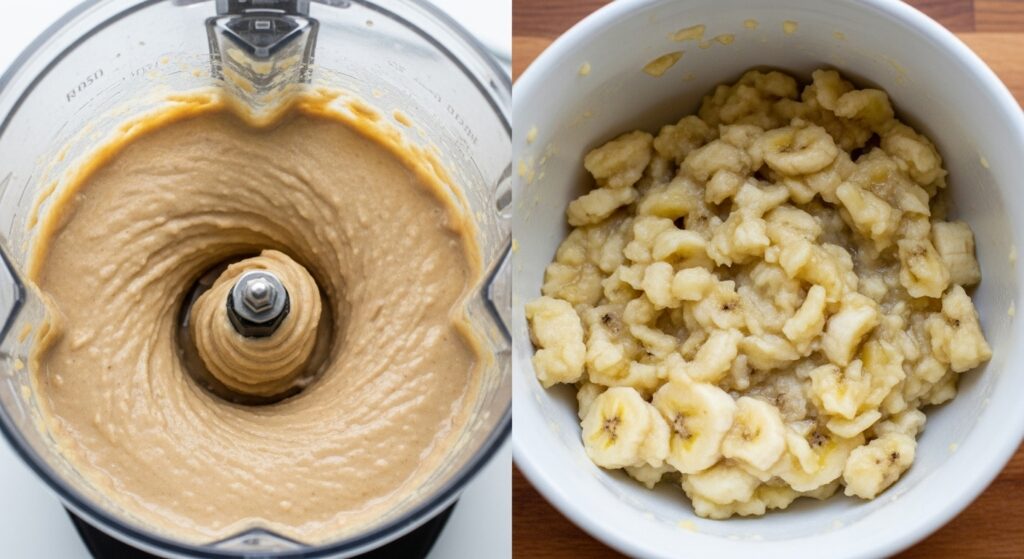
Step 1: Preparation is Key. Start with dry or slightly damp hair. Mash your banana and other ingredients exceptionally well. A blender or food processor is highly recommended to achieve a silky, lump-free consistency that won’t get tangled in your hair. Lumps are the enemy of a pleasant banana mask experience!
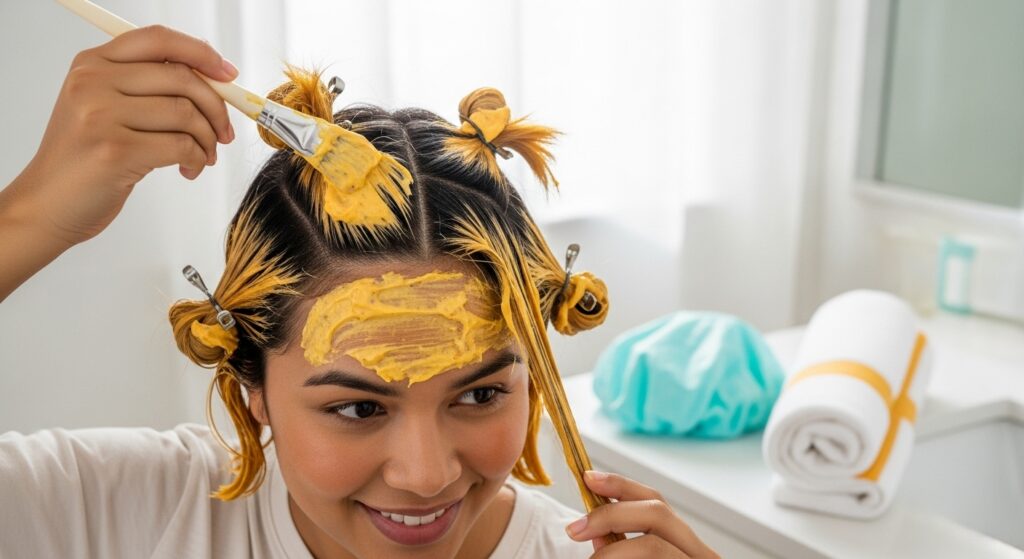
Step 2: Section and Apply. Divide your hair into four sections. Using your fingers or a tint brush, start applying the mask from the roots to the tips. Pay special attention to the ends, which are the oldest and most damaged parts of your hair. Ensure every strand is generously coated.
Step 3: The Steam Treatment. Once your hair is fully covered, gently massage your scalp for a minute to stimulate blood flow. Then, cover your hair with a plastic shower cap. For an extra boost, wrap your head in a warm, damp towel or use a hooded dryer on a low heat setting for 10-15 minutes. The heat helps to open up the hair cuticles, allowing the nourishing ingredients to penetrate deeply.
Step 4: Patience and Rinse. Leave the mask on for at least 30 minutes. For intense repair, you can even leave it on for up to an hour. When it’s time to rinse, use cool or lukewarm water—never hot, as it can strip away the benefits. Rinse thoroughly until the water runs clear, which may take a few minutes. You may follow with a mild shampoo, but often it’s not necessary. Finish with a cool water rinse to seal the hair cuticle and enhance shine.
Beyond the Basics: Pro-Tips and Common Mistakes to Avoid
To elevate your banana hair mask game from good to great, keep these professional tips in mind and steer clear of common pitfalls.
Pro-Tip 1: The Lemon Rinse. If you’re worried about any lingering banana scent, add a tablespoon of lemon juice to your final rinse water. It acts as a natural clarifier and leaves a fresh, clean scent.
Pro-Tip 2: Consistency is Crucial. For best results, incorporate a banana mask into your routine once a week. Consistent use is what leads to long-term improvement in hair texture, strength, and shine.
Mistake to Avoid: Rushing the Mashing. We cannot stress this enough. Chunky banana pieces will cling to your hair like glue, making rinsing a nightmare and forcing you to pick bits of fruit out of your locks. Take the extra two minutes to blend it into a perfectly smooth paste.
Mistake to Avoid: Using Cold Ingredients. If your coconut oil is solid, warm it slightly until it becomes liquid. This makes it much easier to mix into the banana base and ensures even distribution.
Finally, always do a patch test, especially if you have sensitive skin or are using a new essential oil. Apply a small amount of the mask to the inside of your elbow and wait 20 minutes to ensure you don’t have a reaction.
Embrace the Power of Nature for Your Hair
In a world saturated with complex chemical formulas and expensive salon treatments, it’s refreshing to know that one of the most effective solutions for damaged hair can be found in your local grocery store. The banana hair mask is a testament to the power of simple, natural ingredients. It’s a treatment that nourishes your hair without exposing it to harsh synthetics, all while being kind to your wallet and the environment.
So, the next time you see a ripe banana sitting on your counter, look beyond the smoothie. See it as an opportunity for a tropical hair treatment that will leave your strands feeling stronger, softer, and radiantly healthy. Your journey to revitalized, luscious locks is just one mash away.