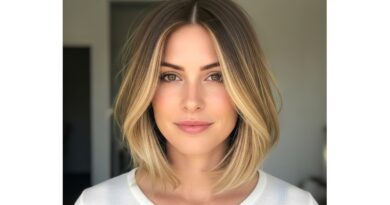
Blend 24 Perimeter Feather Layers Softening Weave Transitions Gently
Okay, let’s talk about that one thing we all notice but are maybe too polite to say: the harsh weave line. You know the one. It’s when your extensions or weave looks like it’s sitting on your head, not growing from it. It feels obvious and totally ruins the effortless vibe you’re going for.
But what if I told you there’s a stylist’s secret to making any hair addition look 100% natural? It’s all about softening the perimeter. This isn’t about a major chop; it’s about strategic, feather-light layers.
I’m breaking down the exact technique—Blend 24 Perimeter Feather Layers—that creates those seamless, gentle transitions. It works for everything from a sleek quiet luxury bob to the boldest vampire haircut. Let’s get into how it works and how you can ask for it.
What Are Perimeter Feather Layers?
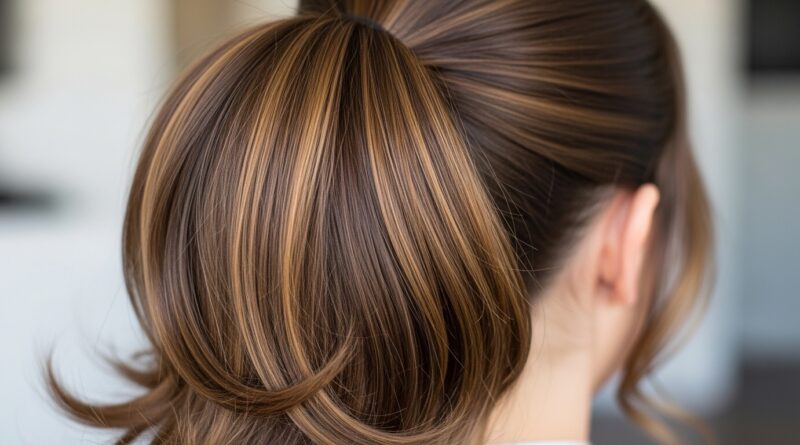
Think of the perimeter of your hair as the outline—the hair that frames your face and falls around your shoulders. Perimeter feather layers are very soft, texturized cuts made only along this outer section.
They aren’t heavy layers cut into the bulk of your hair. Instead, they’re like a delicate fringe for the edges of your style. This technique removes weight and allows the ends to blend softly with any added hair, whether it’s a weave, extensions, or even just your natural growth.
The “Blend 24” Magic Number
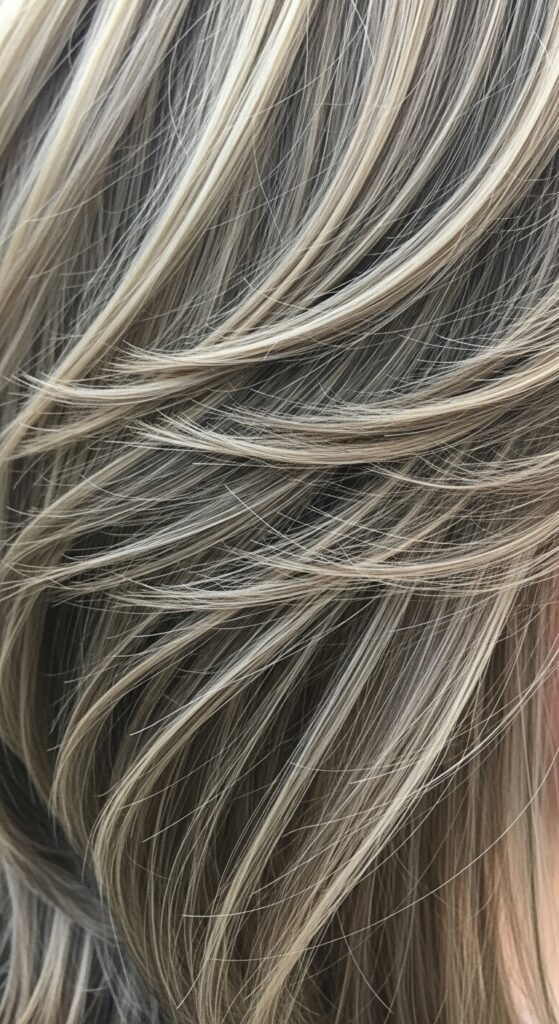
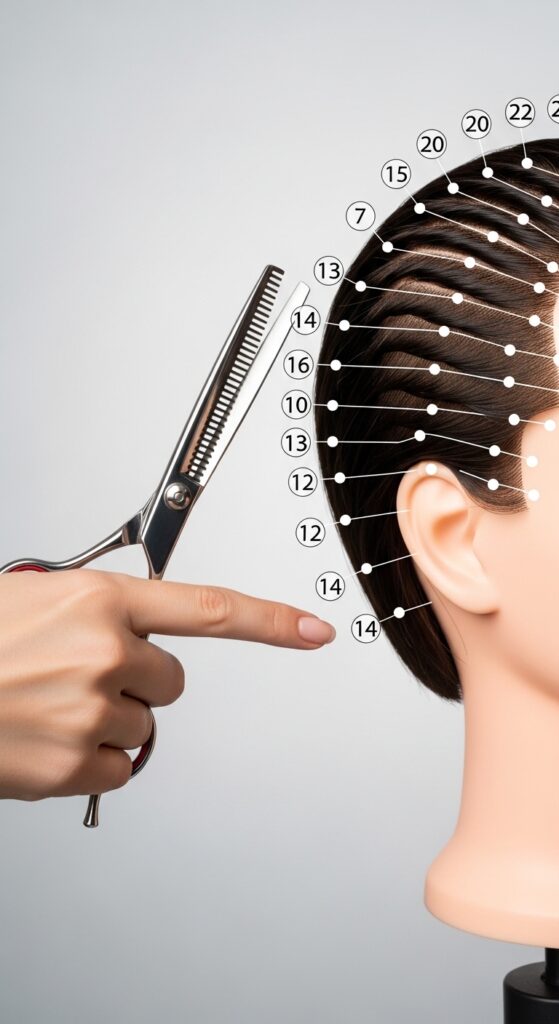
You might be wondering about the “24.” In stylist terms, it often refers to a 24-point cutting technique around the head’s perimeter. It means creating numerous, micro-points of texture rather than just a few blunt cuts.
This high number of subtle texturizing points is what makes the blend so invisible. It mimics how natural hair grows—in many different lengths and thicknesses at the ends—preventing that single, harsh, helmet-like line.
Why This Technique Is a Game-Changer
For anyone who wears extensions or a weave, this is your holy grail. The biggest giveaway of added hair is a thick, unbroken line where the weft or tape lies. Perimeter feathering shatters that line.
It creates a diffused, airy edge that lets your natural hair and the extensions interlace visually. The result? People will compliment your “amazing haircut,” not your extensions. It’s the ultimate secret for 2026 hairstyles focused on undetectable enhancement.
Perfect for the “Old Money Hair” Aesthetic
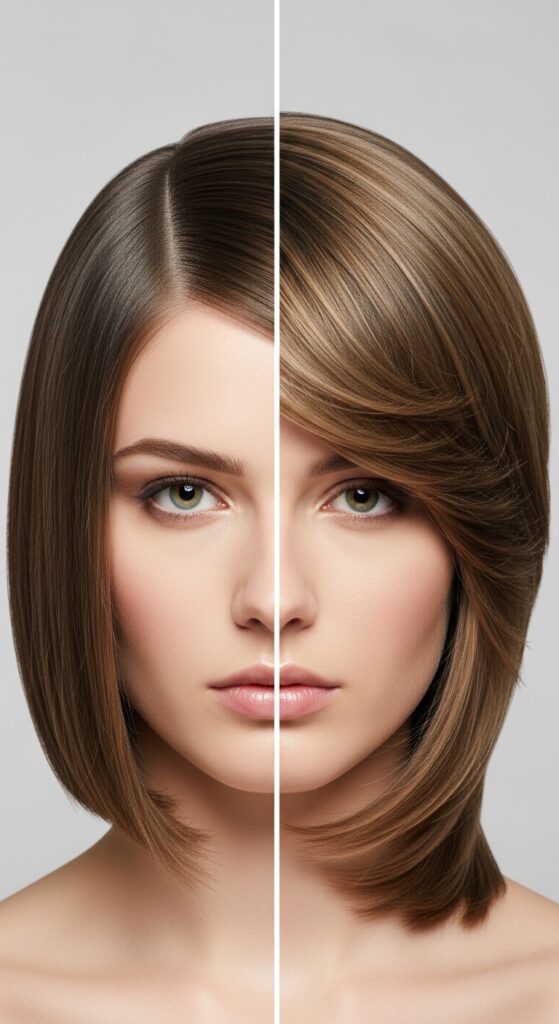
That coveted old money hair look is all about appearing naturally perfect, like you’ve never tried a day in your life. It’s thick, healthy, and has effortless movement.
Perimeter feathering is essential here. It gives that “I was born with this full head of hair” finish by eliminating any artificial heaviness. It makes a long, luxurious blowout or a quiet luxury bob look inherently real and expensive.
Softening Weave Transitions Gently
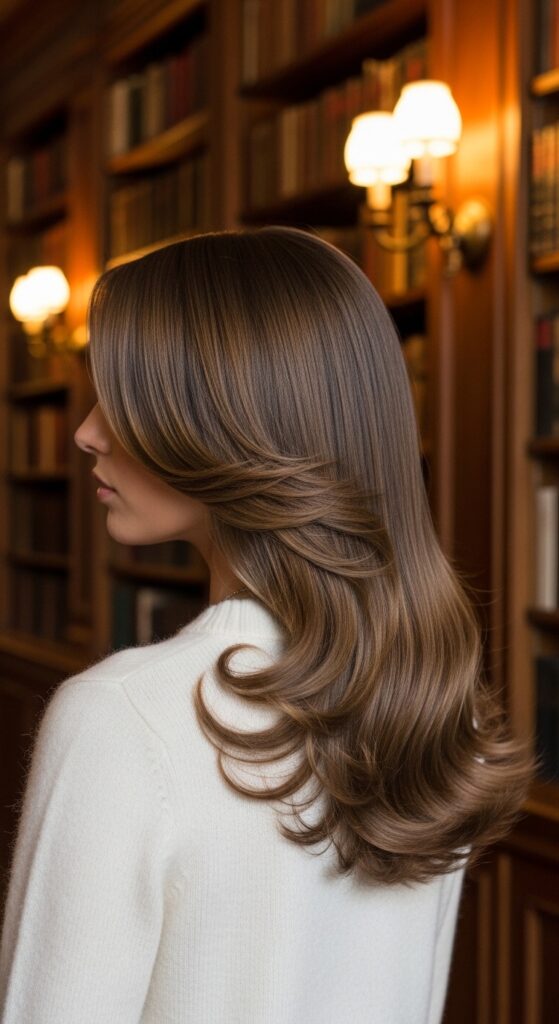
This is the core mission. A harsh transition makes hair look stiff and separate. Gentle feathering integrates the textures. Your stylist will carefully layer the natural hair at your perimeter and may even lightly texturize the very ends of the extension hair itself.
This process creates a gradient effect. The eye travels smoothly from your roots down through the ends without getting stuck on a visual “block.” It’s softening, not shortening, your style.
How to Ask Your Stylist for This
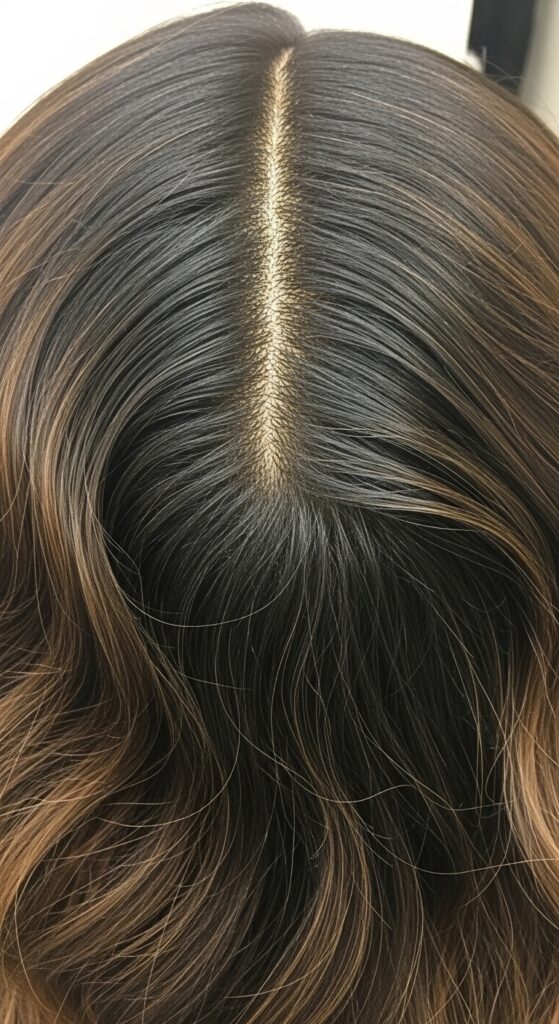
Don’t just say “feather my ends.” Be specific! Walk in and say: “I’d like perimeter feather layers to soften my blend. Can we use a point-cutting or 24-point technique just on the outer section to break up the line?”
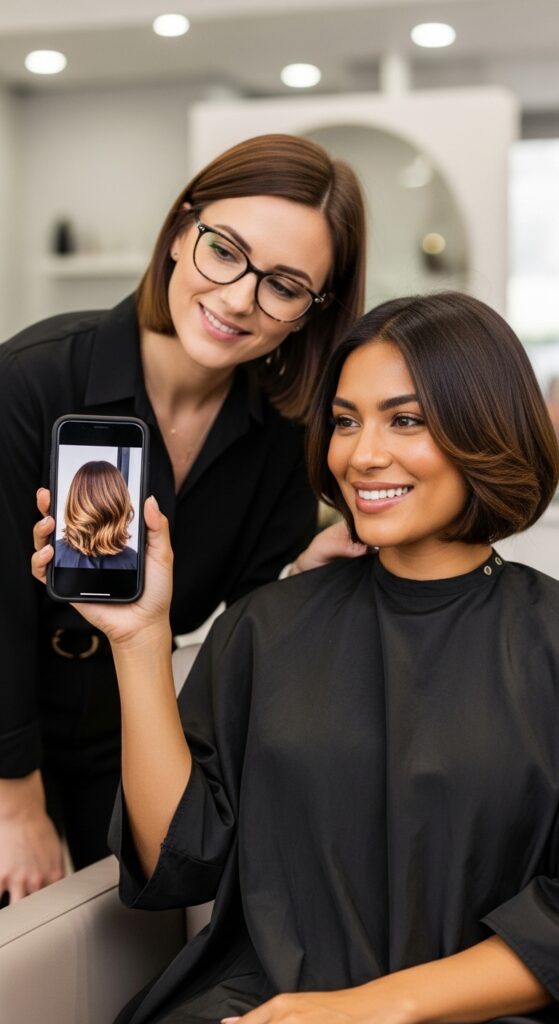
Bring a few pictures that show the soft, blended ends you love. This gives your stylist a clear visual goal. A good stylist will immediately understand and get excited to do this detailed work.
Ideal Hair Lengths for This Cut
- Lobs and Bobs: Perfect for an asymmetrical lob or blunt bob. It adds swing without losing shape.
- Mid-Length Hair: The sweet spot! Feathering removes weight for amazing bounce.
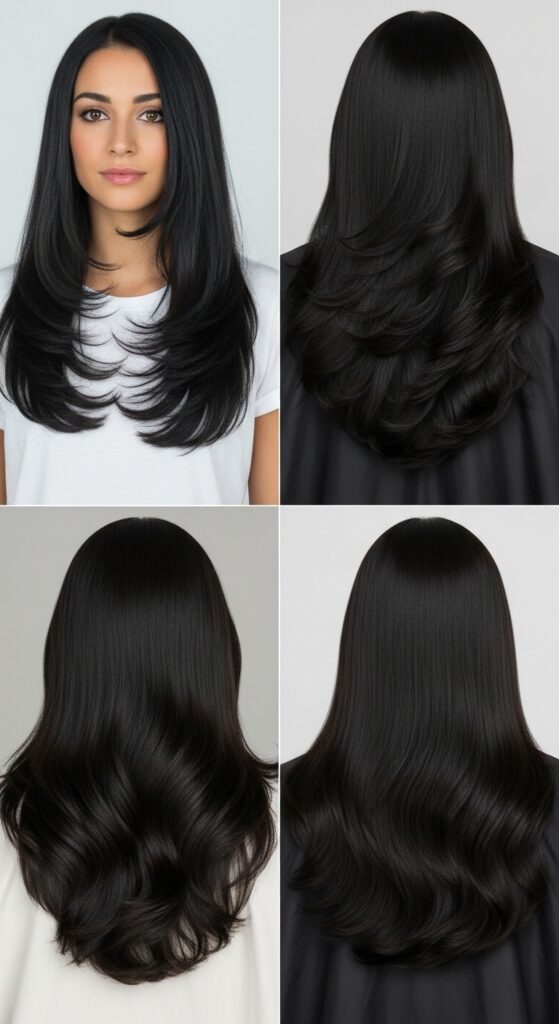
- Long Hair: Prevents the “triangle” shape and adds movement to long layers.
- Short Hair: Works on shorter bobs, but the technique must be very precise to maintain length.
Works With Any Hair Texture
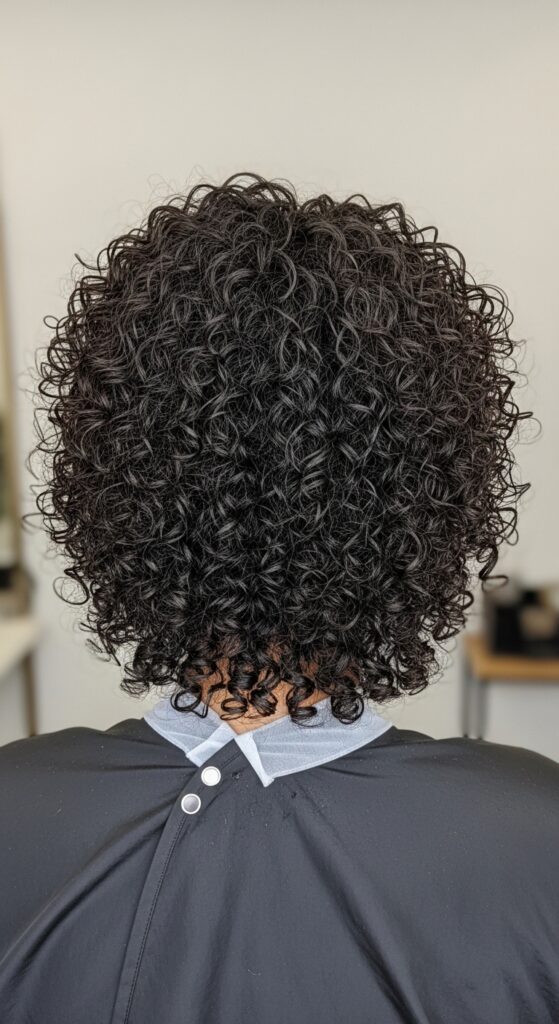
This isn’t just for straight hair! On curly and coily textures, perimeter feathering helps blend extensions by reducing bulk and encouraging the natural curl pattern to marry with the added hair.
It creates a more natural, graduated shape instead of a heavy, rounded shelf. The key is a stylist skilled in your specific texture to customize the cutting technique.
Maintaining Your Feathered Layers
To keep this look fresh, regular trims are non-negotiable. Aim for every 8-10 weeks. This maintains the texturized edge before it can grow out and become blunt again.
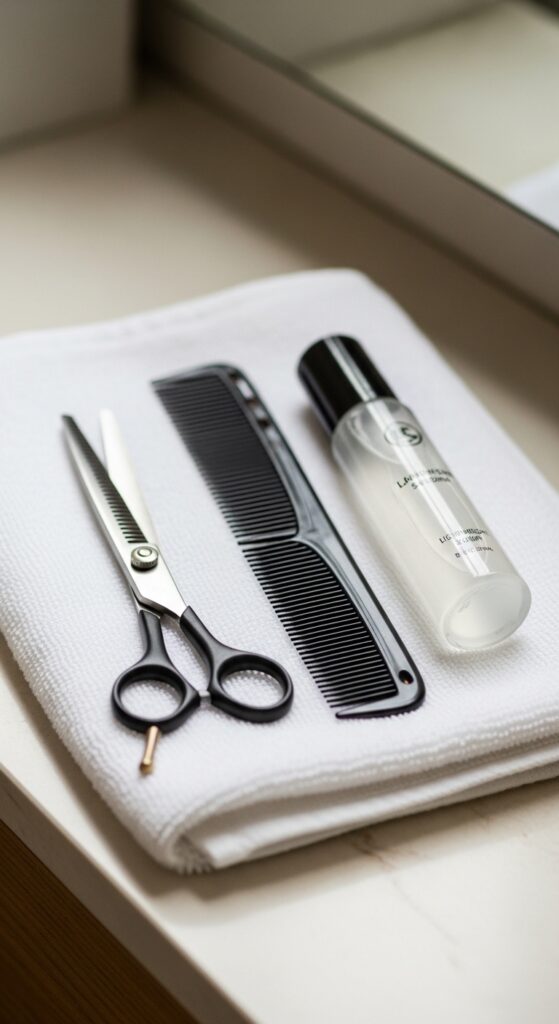
Use a lightweight smoothing serum or oil on just the ends to combat frizz and keep the feathered pieces looking sleek and intentional, not frayed.
Styling for Maximum Blend
- Always blow-dry or flat-iron your natural perimeter hair and extension ends in the same direction.
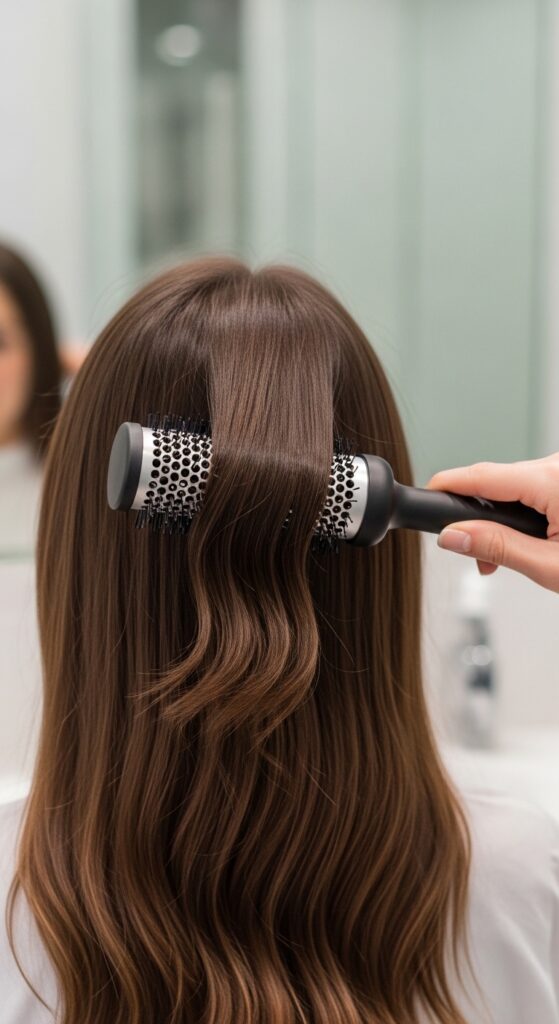
- Use a round brush when blow-drying to curve the feathered ends under or out for a unified flow.
- A light hold hairspray on a brush can be used to slick down any wispy pieces that stick out awkwardly.
Common Mistakes to Avoid
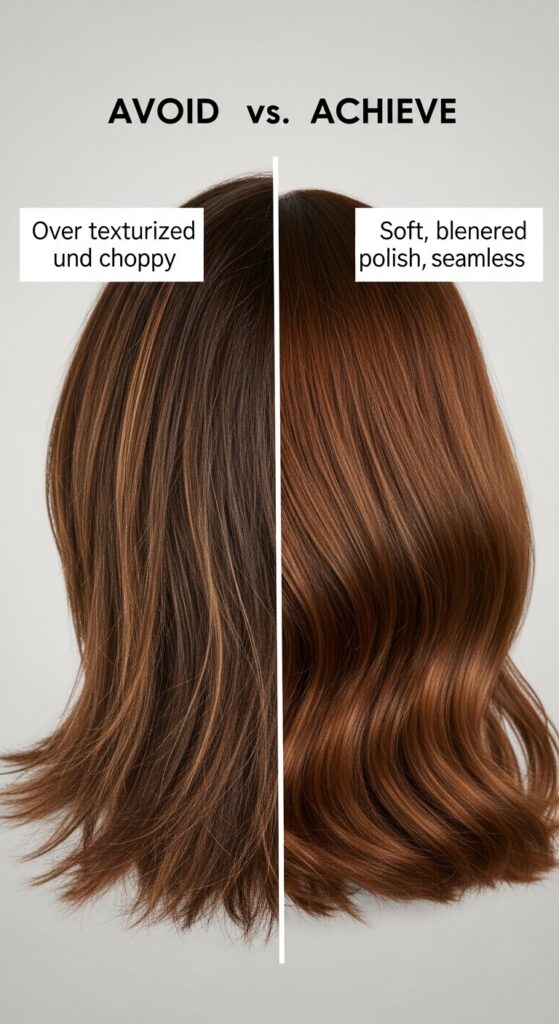
The biggest mistake is over-texturizing. This can make ends look thin and scraggly. A little goes a very long way. Another error is feathering too high up the hair shaft.
This should focus on the last 1-2 inches. Finally, using dull shears creates a ragged edge, not a soft one. Ensure your stylist uses sharp, quality texturizing shears.
Pairing with “Glitchy Glam Hair”
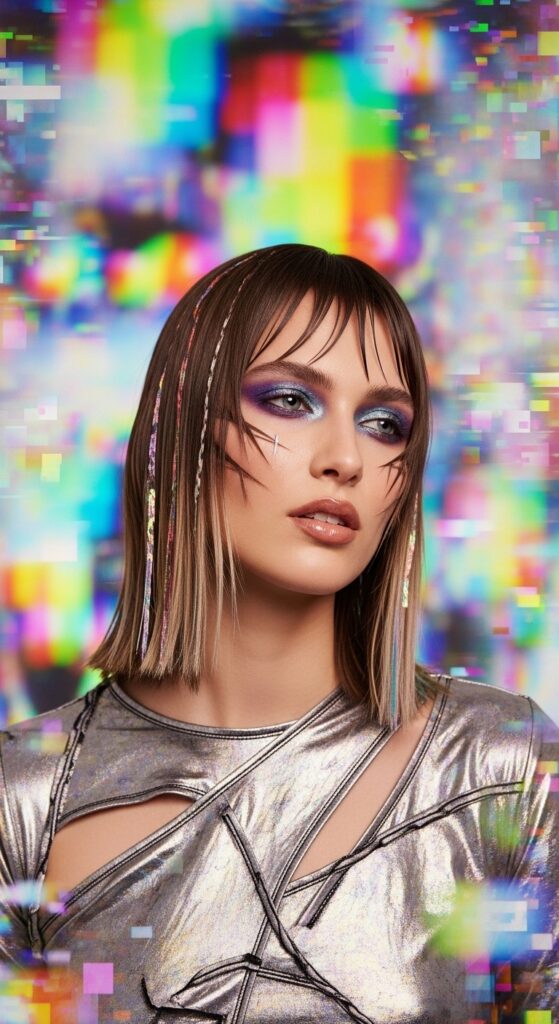
The glitchy glam hair trend is about imperfect, piece-y texture. Perimeter feather layers are the perfect base for this! They create the broken-up, lived-in end texture that glitchy glam builds upon with styling products and accessories.
It starts with the cut. Those feathered pieces are ready to be gelled, pinned, or left artfully askew for that cool, editorial disconnect.
Pairing with “Romantic Goth Hairstyles”
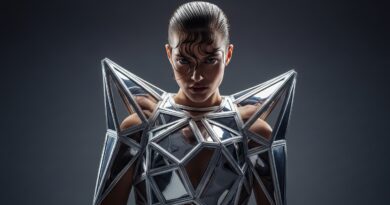
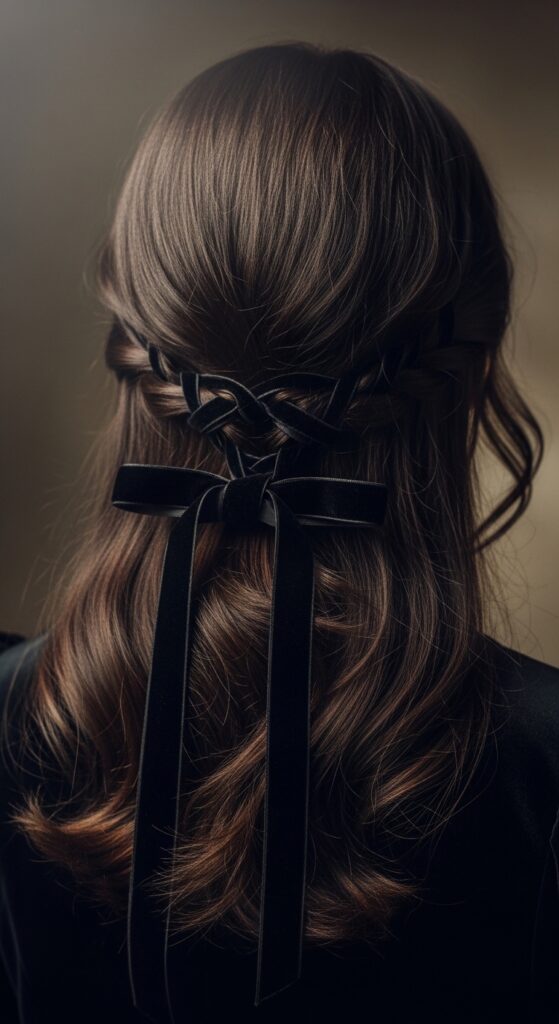
Think of romantic goth hairstyles or the vampire haircut—they’re dramatic but still soft. Heavy, blunt black hair can look costumey. Adding perimeter feathering introduces a touch of fragility and realism.
It lets the dark color look less solid and more like shadow, which is infinitely more mysterious and elegant. It’s the difference between a wig and real hair.
Creating a Softer “Hime Cut”
The traditional hime cut has very blunt, straight-across front strands and a blunt perimeter. A modern, softened take uses feathering on those long front pieces and the back ends.
This makes the dramatic style feel more wearable and less severe. It blends the striking lines into your overall silhouette for a fashion-forward yet approachable look.
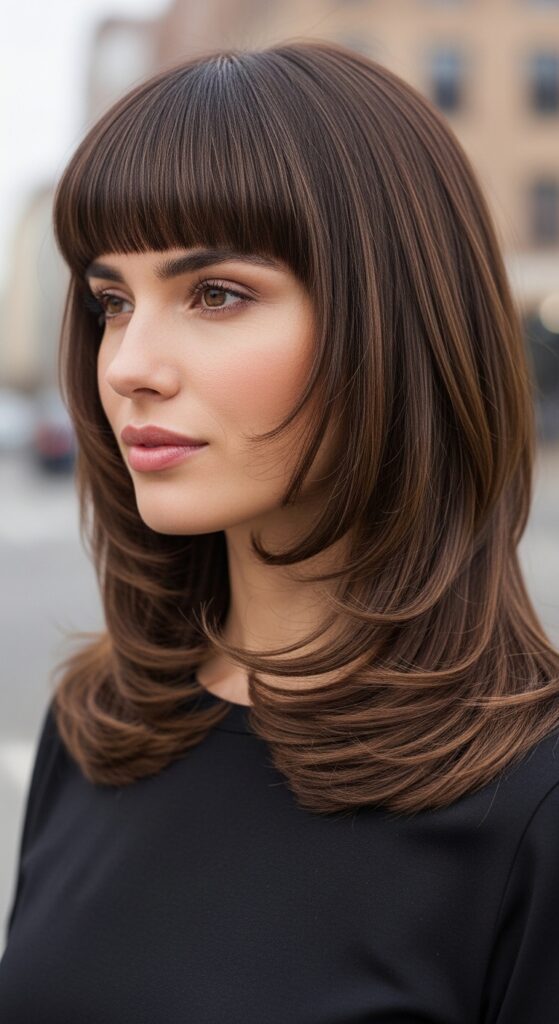
Boosting Volume and Movement
By removing just a tiny bit of weight from the very edges, you allow the hair to move more freely. This creates the illusion of more volume and body, especially at the ends.
When you turn your head, the hair swings and separates beautifully instead of moving in one solid block. It’s an instant upgrade for fine or flat hair.
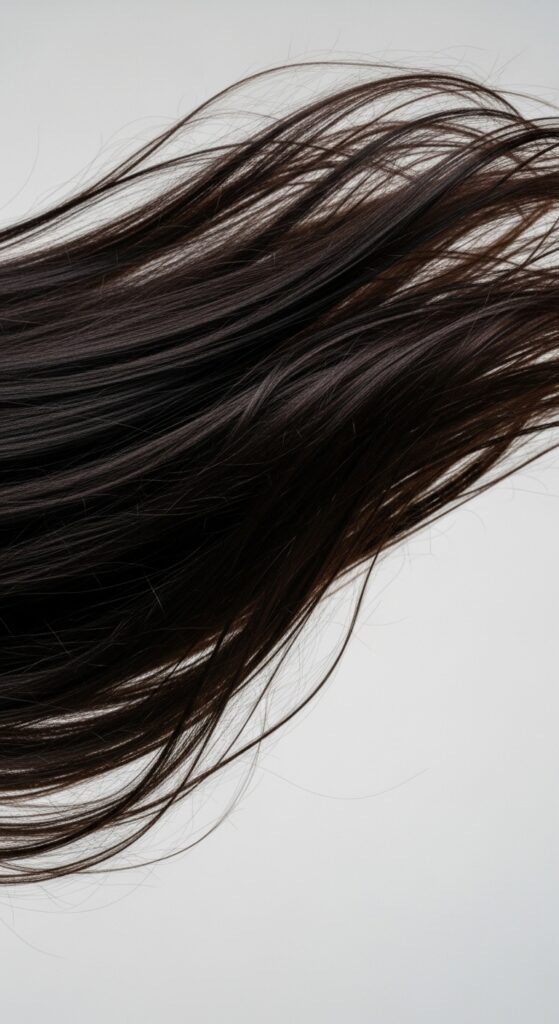
The At-Home Maintenance Trim
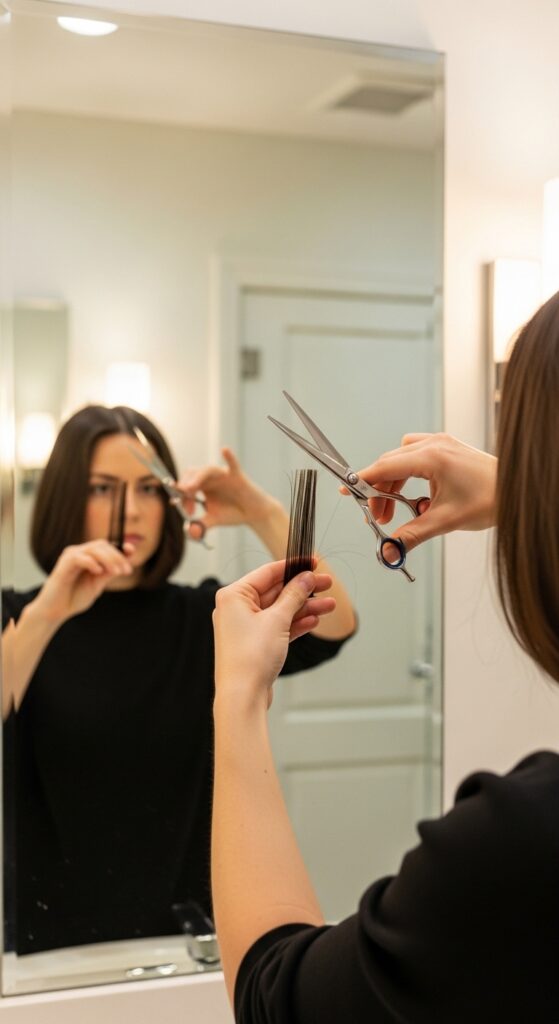
Between salon visits, you can carefully maintain the look. Use sharp hairdressing scissors. Take tiny vertical sections of the very ends and make small, upward snips (point cutting).
Warning: Only do this if you’re confident! Less is more. You’re dusting the ends, not re-cutting the shape. When in doubt, wait for your stylist.
Choosing the Right Stylist
Look for a stylist whose portfolio shows beautiful, seamless blowouts and extension work. Read reviews mentioning “natural blend” or “great layers.”
During a consultation, ask directly: “What’s your technique for blending the perimeter with extensions?” Their answer will tell you if they understand this specific concept.
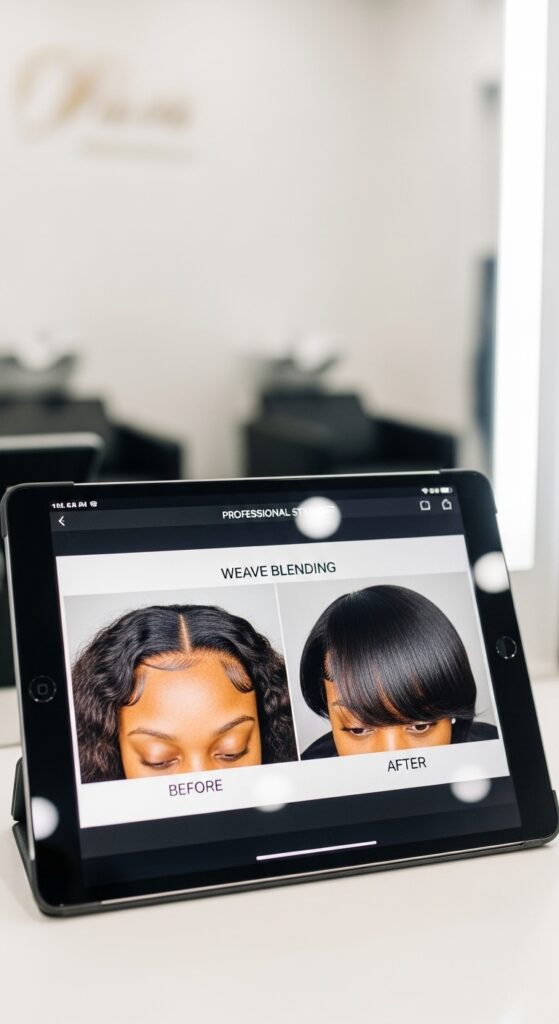
Your Quick-Start Guide Summary
- Book a Consultation: Talk to your stylist about perimeter feathering.
- Bring Visuals: Have clear photos of soft, blended ends.
- Trust the Process: It’s a detailed, section-by-section technique.
- Invest in Maintenance: Schedule regular trims to protect the look.
- Style with Unity: Always style your natural hair and extensions together as one.
Answering Your Biggest Fear
“Will it thin out my hair?” No. When done correctly, it only texturizes the very ends. Your overall density and length remain fully intact. It’s about quality, not quantity, of hair at the perimeter.
Think of it as polishing the edges of a beautiful piece of fabric—you’re not cutting away the material, you’re just finishing it so it lays perfectly.
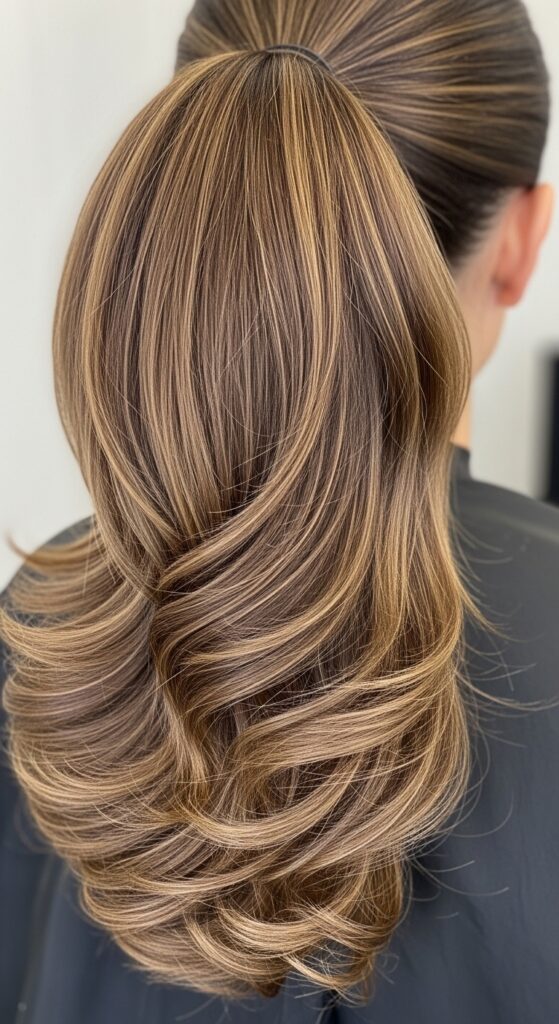
The Final Look: Effortless Confidence
At the end of the day, this technique is about confidence. It’s the confidence that your hair looks and feels real, that it moves beautifully, and that the style is impeccably finished.
It lets you forget about your hair and just enjoy it. That’s the true goal of any great hairstyle—to make you feel like the best version of yourself, completely at ease.
So, there you have it—the not-so-secret secret to the most natural-looking hair additions. It’s amazing how such a focused technique can completely transform the entire perception of your style.
Remember, great hair is in the details. It’s what takes a style from “nice” to “is that all her hair?!” without anyone being able to pinpoint why. That’s the magic of a perfect blend.
Save this post to Pinterest to keep this guide handy for your next salon visit! And I’d love to know—are you thinking of trying this technique? Or do you have another stylist hack for seamless blends? Tell me everything in the comments below!