Butterfly Cut Styling: The Face-Framing Trend Explained
Just when you thought layered haircuts had shown us all they could, a new, whimsical trend flutters onto the scene, capturing the hearts of hairstyle enthusiasts and celebrities alike. Meet the butterfly cut—the modern, voluminous, and intensely face-framing hairstyle that’s taking over salons and social media feeds. It’s more than just a haircut; it’s a styling technique that promises movement, body, and a touch of ethereal beauty.
If you’ve been yearning for a hairstyle that combines the softness of a shag with the elegance of a classic layered cut, your search might just be over. This guide will demystify the butterfly cut, exploring its origins, its key characteristics, and how you can make it work for your hair type and face shape. Get ready to spread your styling wings.
What Exactly Is a Butterfly Cut?
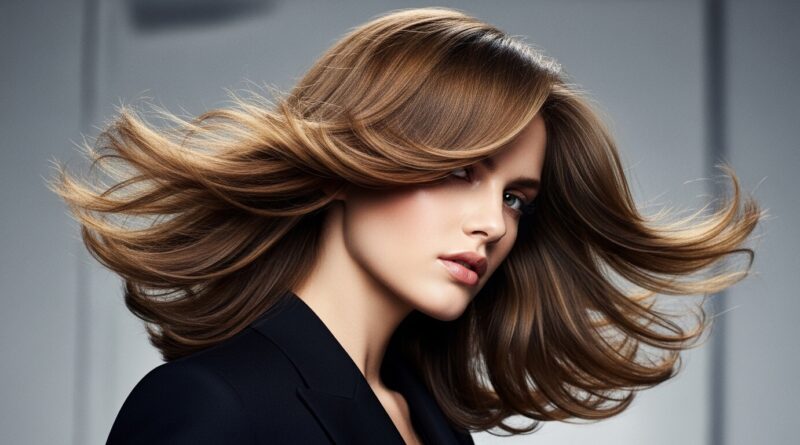
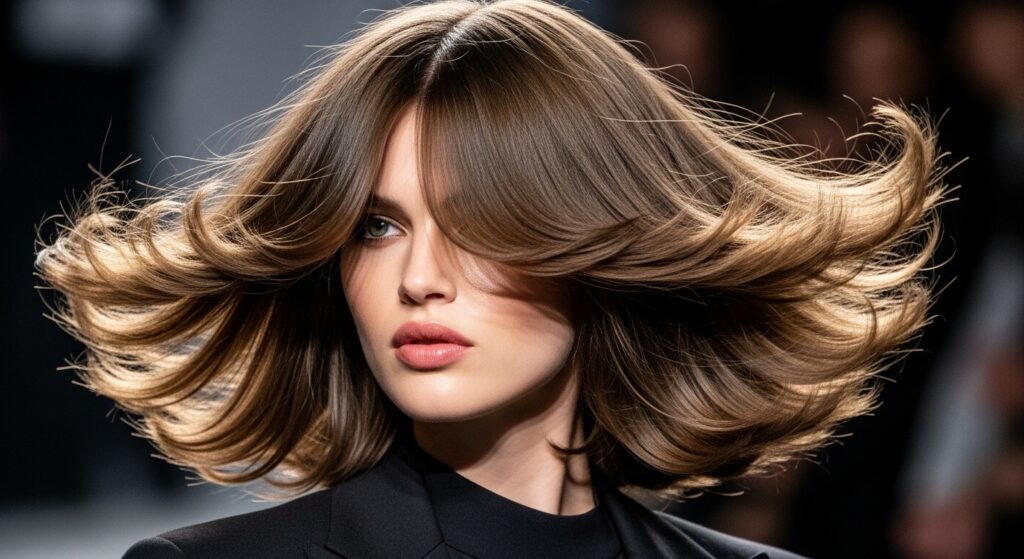
At its core, the butterfly cut is a layered haircutting technique designed to create immense volume and a distinct, face-framing effect. The name is derived from the final shape of the hair: when styled, the shorter, interior layers around the crown and face lift up and out, resembling the graceful wings of a butterfly in flight.
This cut is often confused with a shag or a wolf cut, and while there are similarities, the butterfly cut has its own unique identity. It’s generally softer and less chaotic than a wolf cut, focusing more on creating a seamless blend between shorter face-framing pieces and the longer lengths of the hair. The goal isn’t a heavily textured, rock-and-roll vibe, but rather a romantic, airy, and weightless look that adds body without sacrificing length at the back.
The magic lies in the internal layering. Your stylist will strategically remove weight from the mid-lengths and crown, allowing the shorter layers to support the longer ones from beneath. This creates a natural lift at the roots and a beautiful, cascading effect down the length of your hair.
The Anatomy of the Butterfly Cut: Key Features
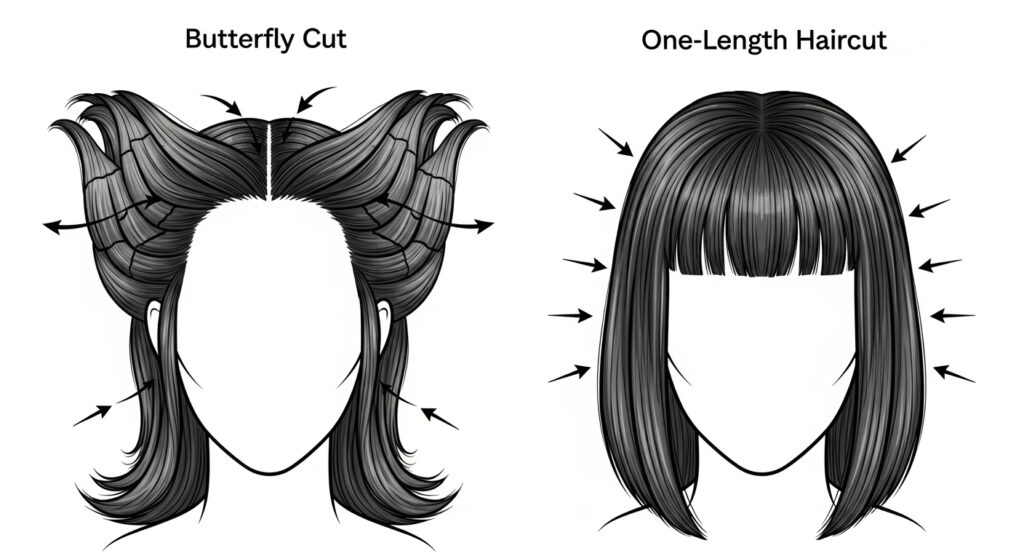
To identify a true butterfly cut and communicate effectively with your stylist, it helps to know its defining characteristics. Look for these key elements:
Face-Framing Layers: This is the non-negotiable star of the show. The layers around the face are cut to delicately contour your cheekbones and jawline. They start shorter around the front and blend seamlessly into the longer layers, creating a soft, wispy frame that highlights your features.
Internal Volume and Lift: Unlike some layered cuts that only add texture at the ends, the butterfly cut is all about internal volume. The shorter layers hidden beneath the top surface act as a support system, pushing the hair up from the roots for a lasting, bouncy effect that resists flatness.
Blended, Seamless Transitions: There should be no harsh, choppy lines. The skill in a butterfly cut is in the blending. Each layer flows into the next, creating a smooth, cohesive shape from every angle. It’s a cut that looks intricate but feels incredibly soft and natural.
Movement and Flow: Because of the strategic placement of varying lengths, the butterfly cut is designed for motion. Every turn of the head creates a new, flattering shape. It’s a cut that looks alive, catching the light and moving with you throughout the day.
Who is the Butterfly Cut For?
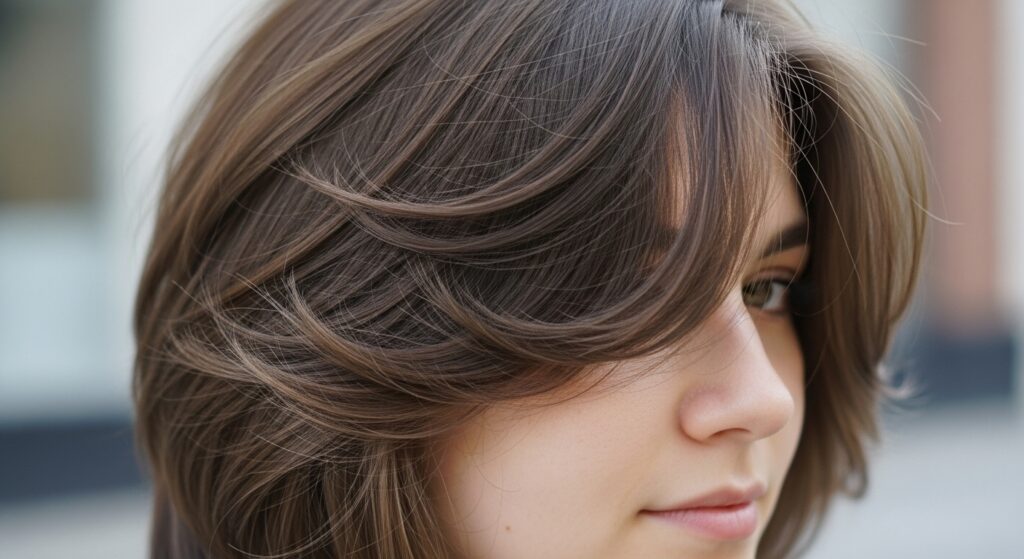
The beauty of the butterfly cut is its surprising versatility. While it shines on certain hair types, it can be adapted to suit a wide range of textures and face shapes.
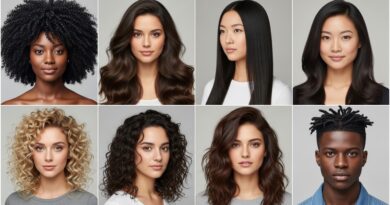
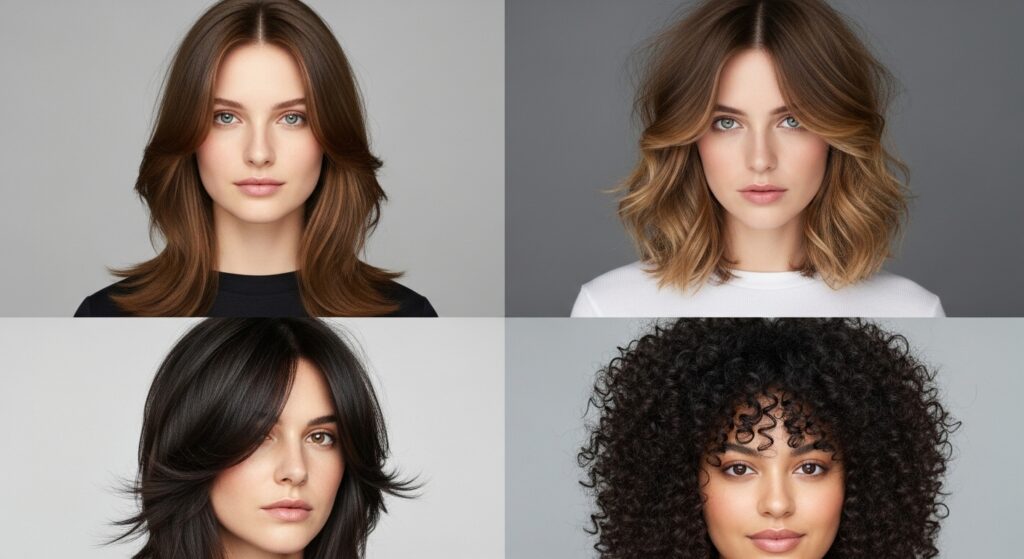
Ideal Hair Types: If you have fine to medium hair that tends to lie flat, the butterfly cut is your new best friend. It’s specifically engineered to create the illusion of thicker, fuller hair by building volume from within. Those with naturally wavy hair will also find that this cut enhances their texture beautifully, giving the waves a defined, bouncy structure.
Considerations for Thick or Curly Hair: If you have very thick, coarse, or tightly curled hair, a classic butterfly cut might create too much volume or become unmanageable. However, a skilled stylist can adapt the technique. For thick hair, they may focus on longer, more subdued layers to remove bulk without creating a triangular shape. For curly hair, a dry-cut version can ensure the layers work with the curl pattern to create a gorgeous, rounded shape.
Face Shape Compatibility: The face-framing aspect of this cut makes it exceptionally flattering for round, square, and heart-shaped faces, as the soft layers help to elongate and contour. For those with oval faces, it’s a perfect match, enhancing the face’s natural balance. Even those with long faces can rock this style by asking their stylist to keep the face-framing layers a bit longer to add width without shortening the face visually.
How to Ask Your Stylist for the Butterfly Cut
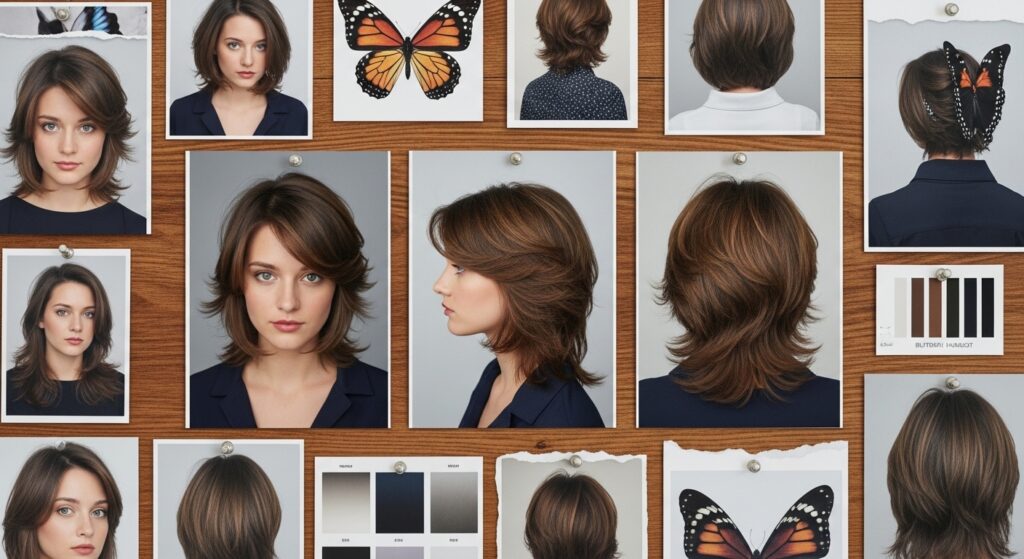
Walking into a salon and saying “I want a butterfly cut” might not be enough. Communication is key to getting the haircut of your dreams. Here’s a script and some visual aids to help you out.
Bring Pictures: This is the most important step. Find multiple photos from different angles that showcase the cut you want. Look for inspiration from celebrities like Reese Witherspoon, Marcia Cross, or Sydney Sweeney, who have often sported variations of this layered, voluminous style.
Use Specific Language: Describe what you want clearly. You could say: “I’m looking for a layered cut with a lot of internal layers for volume. I want shorter, soft layers around my face to frame it, but I’d like to keep the length at the back. The goal is a light, airy shape that lifts at the crown—like a butterfly cut.”
Discuss Maintenance: Be upfront about your styling habits. If you’re a low-maintenance person, ask your stylist how to make the cut work for air-drying. If you love styling, ask for tips on enhancing the volume.
Styling Your Butterfly Cut: A Step-by-Step Guide
The cut is only half the battle; styling brings the butterfly to life. Here’s how to achieve that signature volume and movement at home.
Step 1: Prep for Volume. Start with clean, towel-dried hair. Apply a volumizing mousse or root-lifting spray from mid-lengths to the roots. This provides a lightweight foundation that holds the lift.
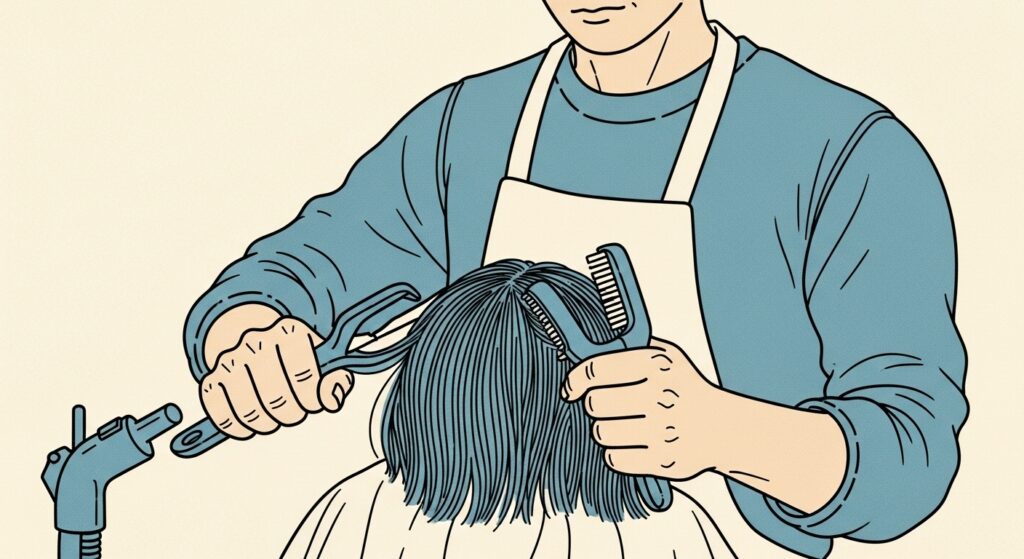
Step 2: Blow-Dry with a Round Brush. This is the crucial step. Using a large round brush, start at the roots and lift the hair up and away from your face as you blow-dry. Direct the airflow at the roots to set the volume. Focus on lifting the crown and curling the face-framing layers outward or inward for a soft, bouncy effect.
Step 3: Define with a Curling Iron or Wand. For even more defined movement, use a medium-sized curling iron (1.25 to 1.5 inches). Wrap random sections of hair away from your face, focusing on the mid-lengths and ends. Don’t curl all the way to the root. Leave some pieces straight for a more modern, effortless look.
Step 4: The “Break Up” and Finish. Once your hair is cooled, run your fingers through the curls to break them up and separate the layers. Flip your head upside down and gently tousle the roots for extra volume. Finish with a light-hold hairspray to lock in the style without making it stiff.
Butterfly Cut vs. Wolf Cut and Shag: What’s the Difference?
It’s easy to see why these three are often grouped together. They are all layered, texturized, and inherently cool. But subtle differences set them apart.
Butterfly Cut: As we’ve established, the butterfly cut is the most polished and romantic of the three. It features softer, more blended layers with a strong emphasis on face-framing and internal volume. The silhouette is generally smoother and less “lived-in.”
Wolf Cut: The wolf cut is the edgier, more rebellious cousin. It typically has more drastic, choppier layers and a stronger contrast between the short top layers and the long bottom layers. It’s heavily influenced by the mullet and shag, embracing a wilder, more textured appearance.
Shag: The classic shag is the originator. It’s defined by its uniform, short layers throughout the crown and top, often accompanied by wispy bangs. While it has volume, the focus is more on overall texture and a consistent layered pattern rather than the specific, wing-like face-framing of the butterfly cut.
Is the Butterfly Cut Right for You? Final Thoughts
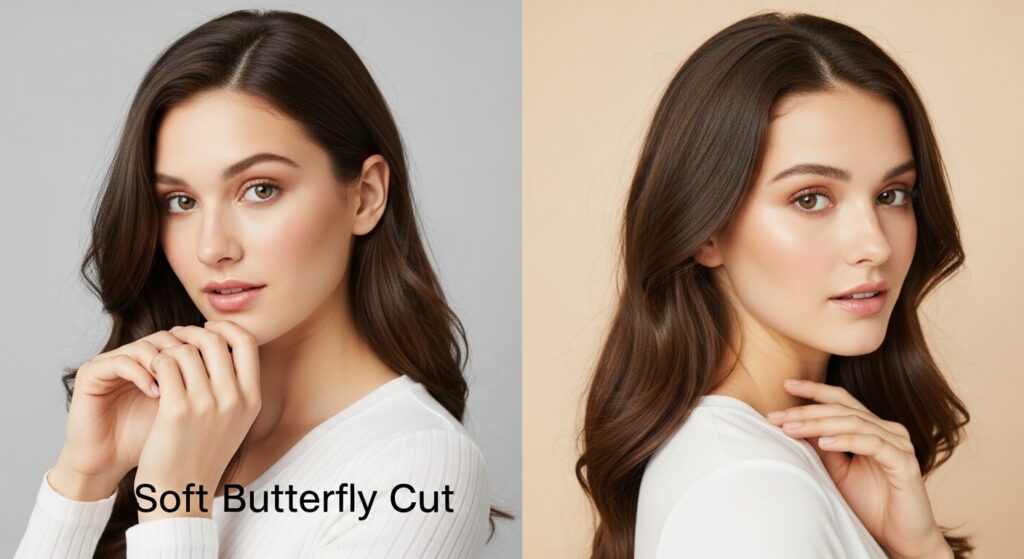
The butterfly cut is more than a fleeting trend; it’s a smart styling solution for anyone craving volume, movement, and a flattering frame for their face. It’s a cut that manages to be both dramatic and soft, structured and effortless.
If you’re ready to ditch the flat, one-length hair and embrace a style with personality and bounce, the butterfly cut is a breathtakingly beautiful option. Do your research, find a stylist you trust, and get ready to unleash a new, more voluminous you. This is one trend that truly deserves the hype, offering a timelessly flattering shape that will have you feeling light and graceful with every step.