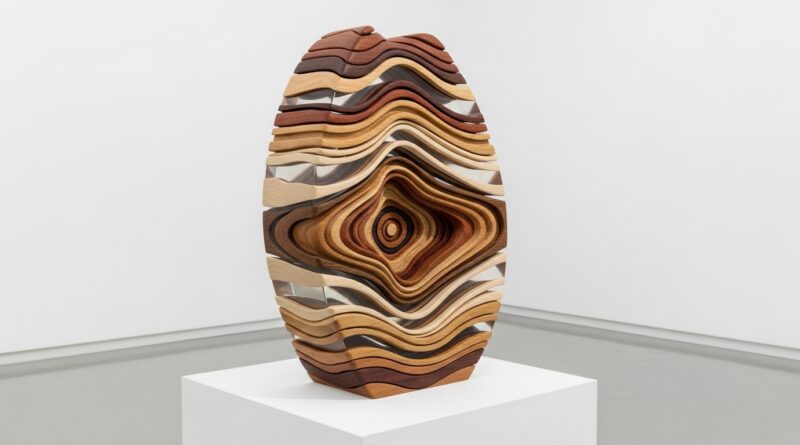
Carved Layers: Precision-Cut Sections
Imagine holding an object in your hand—a geode, a vintage radio, the seed pod of a exotic flower. From the outside, it presents a singular identity, a solid form. Now, imagine taking a perfectly calibrated blade and slicing through it with absolute precision, revealing a hidden universe within. This is the power of the carved layer, the precision-cut section. It is more than a mere cross-section; it is a deliberate act of revelation, a narrative device that transforms the opaque into the eloquently transparent. In the clean split of material, we are granted access to a story of construction, history, and intricate beauty that the exterior alone could never tell.

The Reveal: From Mystery to Understanding
The human desire to look inside, to understand the how and why of structure, is primal. A precision-cut section satisfies this curiosity with definitive clarity. Where an X-ray or scan provides a ghostly image, a physical section offers tangible truth. In archaeology, a core sample from an ancient timber or a soil stratigraphy is a carved layer through time itself, each stratum a chapter in a historical novel. In culinary arts, the perfect slice through a layered cake or a meticulously constructed pastry is a moment of truth, where the chef’s hidden labor becomes visible, edible artistry.
This transformative reveal is not just about information; it’s about impact. The sudden shift from a smooth, uniform exterior to a chaotic, colorful, or orderly interior creates a powerful visual and intellectual jolt. It challenges our assumptions about the objects that populate our world, reminding us that complexity often lies beneath the surface. The precision of the cut is crucial—it is the fine line between destruction and creation, between ruining a sample and creating a masterpiece of insight.

Nature’s Blueprint: The Original Master of Layers
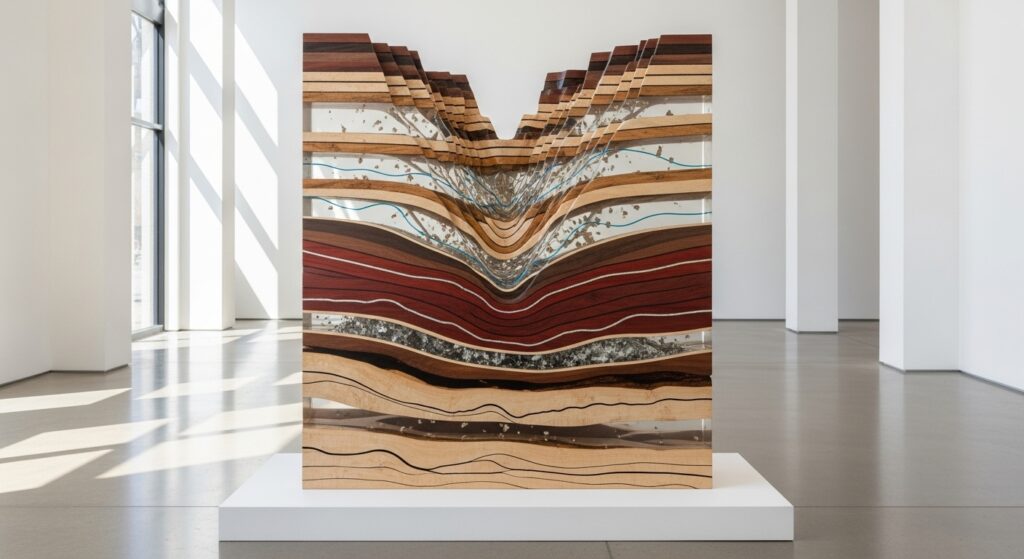
Long before human artists and engineers picked up their tools, nature was the supreme architect of carved layers. Every living system and countless geological formations are built through stratification and section. The growth rings of a tree are perhaps the most poetic example. A clean cut across a trunk reveals not just the tree’s age, but a chronicle of its life—wide rings for plentiful years, narrow rings for droughts, scars from fires.
Consider the humble onion, a testament to layered protection. A geological cliff face, with its bands of sedimentary rock, tells a million-year story of shifting environments. A slice of agate or jasper reveals swirling, painterly landscapes locked within stone. These natural sections are data visualizations in their purest form. Scientists in fields from botany to paleoclimatology rely on these natural “carves” to decode past events, proving that nature does not hide its processes—it simply waits for us to look in the right way, with a perceptive eye.

The Artist’s Hand: Crafted Sections in Visual Art and Sculpture
Artists have long exploited the dramatic potential of the section view to explore themes of vulnerability, memory, and structural truth. Contemporary sculptors like Rachel Whiteread create casts of negative spaces—the inside of a room, the underside of a chair—effectively presenting a solid “section” of emptiness. Other artists physically carve or assemble works that mimic geological or biological cross-sections, using layered materials like resin, wood, paper, and textile.
The technique invites the viewer into a dialog with the interior. A painting might depict a building sliced open to show the lives within, a visual narrative made possible by the artist’s imaginative cut. In these works, the precision is conceptual; the cut is clean not because of a laser, but because of the artist’s decisive vision. The layered section becomes a metaphor for peeling back psychological or social surfaces, suggesting that truth, history, and emotion are accumulated strata waiting to be examined.
Engineering and Design: Precision as a Functional Imperative
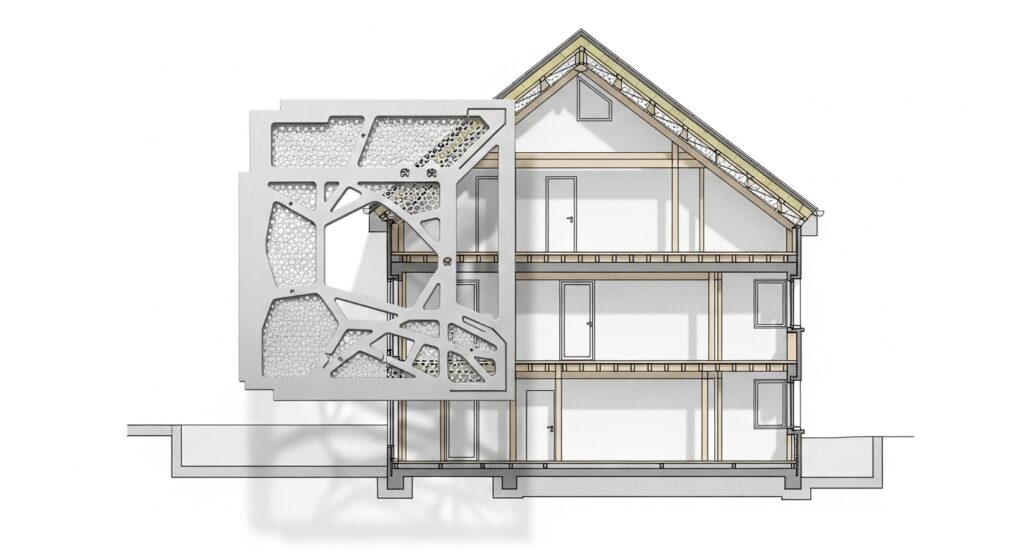
In the realms of architecture, industrial design, and engineering, the precision-cut section transitions from artistic metaphor to essential tool. An architectural section drawing is a non-negotiable blueprint. It communicates the relationship between spaces, the flow of light, the integration of systems, and the assembly of materials. It is a virtual carve that allows a building to be understood, and built, from the inside out.
Modern manufacturing takes this to a literal extreme. CNC machining, laser cutting, and waterjet cutting are technologies built on the principle of the precision-cut section. They can slice through metals, composites, and textiles with micron-level accuracy, creating parts where the interior cut edge is as important as the exterior face. In product design, cutaway models are indispensable for showcasing internal mechanics—from the complex movement of a watch to the battery placement in a smartphone. Here, the carved layer is not about mystery, but about clarity, functionality, and trust.
The Digital Dimension: Virtual Carving in 3D Modeling
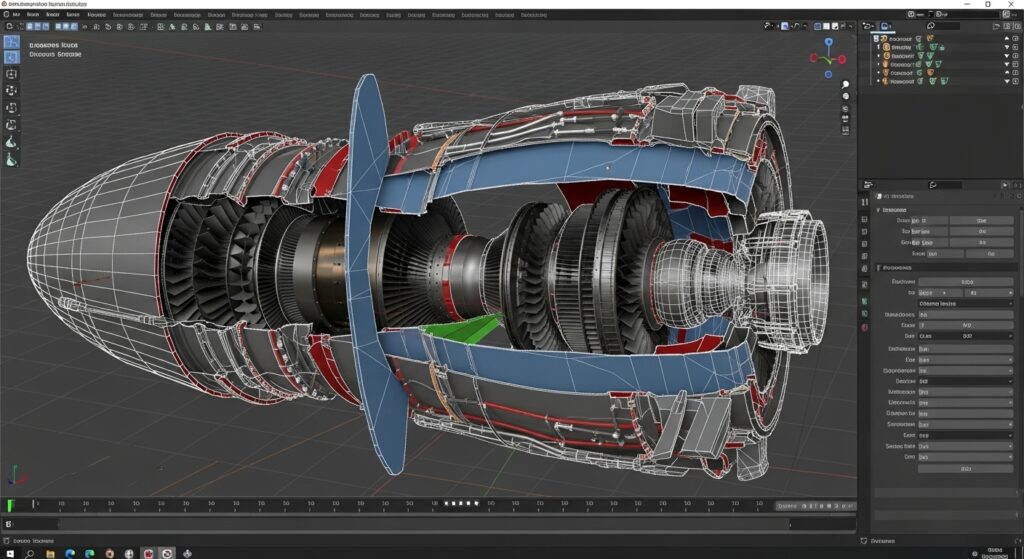
The digital revolution has democratized and expanded the concept of carved layers. With 3D modeling software, any object—real or imagined—can be sectioned with a click. Designers can create interactive cutaways that allow users to peel away layers of a product, a building, or even a human body. This virtual carving is non-destructive, endlessly adjustable, and powerfully communicative.
In medical imaging, technologies like MRI and CT scans are essentially creating digital precision-cut sections of the human body, assembling them into 3D models that can be explored layer by layer. In video games and animation, these techniques are used to create dynamic effects or to show the internal damage of a robot or vehicle. The digital carved layer has become a fundamental language for visualization, turning the most complex assemblies into comprehensible, navigable stories.
Conclusion: The Enduring Power of Looking Inside
The journey through the world of carved layers and precision-cut sections reveals a universal principle: to understand the whole, we must often engage with its parts. This simple act of making the interior visible—whether with a sculptor’s chisel, a geologist’s saw, an engineer’s CAD software, or a chef’s knife—is a profound methodological and metaphorical tool. It dissolves barriers between disciplines, connecting the artist’s studio to the scientific lab, the architect’s drafting table to the digital animator’s screen.
It reminds us that surfaces, however beautiful or imposing, are just the beginning of the story. True depth, true innovation, and true beauty often reside in the layers beneath, waiting for the precise cut—whether physical or intellectual—to set them free. So, the next time you encounter an object of intrigue, let your mind’s eye perform that carve. Ask what stories, what systems, what stunning complexities might lie hidden in its layers, just waiting for the right moment to be revealed.