Chestnut Highlights: Warm Medium Brown Tones
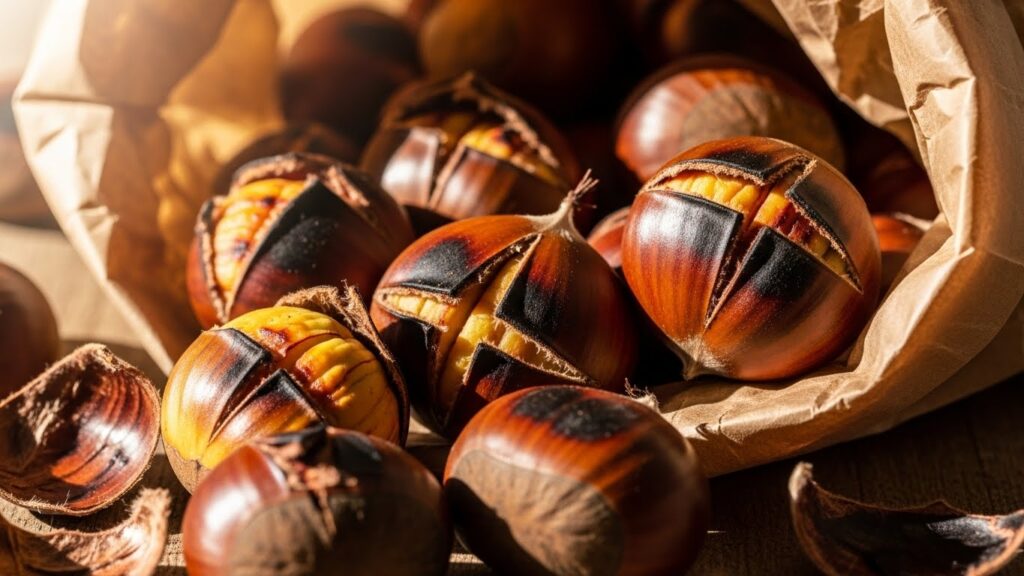
In the ever-evolving world of hair color, some trends come and go with the seasons. Others, like the timeless allure of chestnut highlights, establish themselves as perennial favorites for a reason. Imagine the rich, comforting hue of a roasted chestnut—deep brown with whispers of caramel, auburn, and honey woven throughout. This is the magic of chestnut: a warm, medium brown spectrum that adds dimension, depth, and a sun-kissed radiance to hair without the high contrast of lighter blondes or the starkness of cool-toned browns. It’s a color strategy that speaks of subtle sophistication and natural beauty.
The Allure of the Chestnut: Why This Tone Works
So, what sets chestnut apart from other brown highlights? The answer lies in its inherent warmth and complexity. Unlike ash brown tones that can sometimes read as flat or cool, chestnut is alive with underlying red, gold, and caramel pigments. This warmth is incredibly forgiving and flattering on a wide range of skin tones, particularly those with warm, olive, or neutral undertones. It can brighten the complexion, make eyes pop, and create an overall effect of vitality and health.
Furthermore, chestnut highlights are masters of dimension. Instead of a single-block color, they introduce a play of light and shadow throughout the hair. This movement makes hair look thicker, shinier, and more dynamic. For those with fine hair, this can be a game-changer. The medium-brown level of chestnut also means it’s a low-commitment option for first-timers; it enhances your natural color rather than drastically overhauling it, leading to softer regrowth lines and easier maintenance.

Exploring the Chestnut Spectrum: From Light to Rich
“Chestnut” is not a single color but a beautiful family of hues. When consulting with your stylist or choosing an at-home kit, understanding these nuances will help you land on your perfect match.
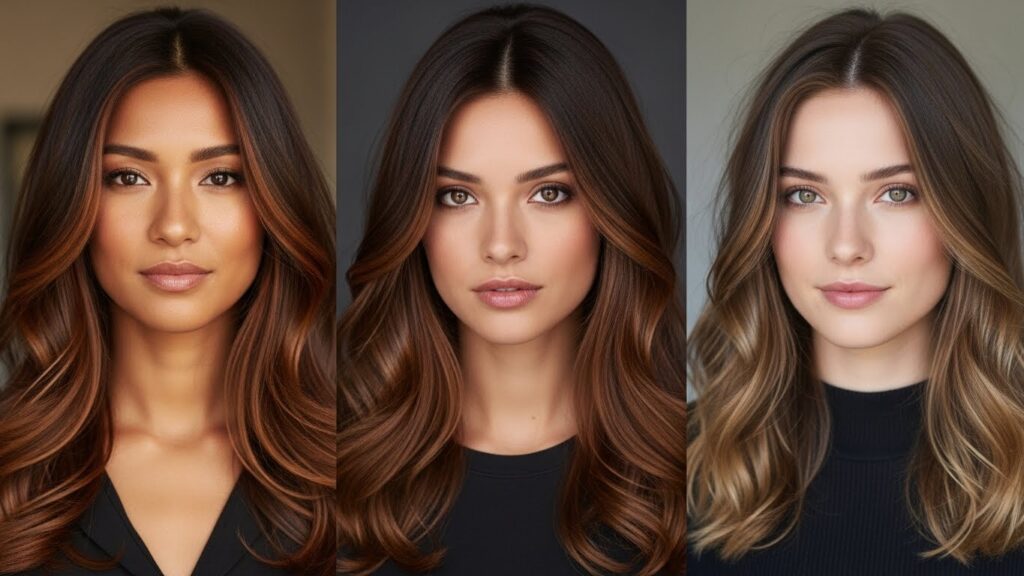
Golden Chestnut: This shade leans heavily on honey and gold tones. It’s ideal for bringing out warmth in light brown or dirty blonde bases and is perfect for achieving that “sun-kissed” effect. It works wonderfully in balayage and foilayage techniques for a seamless blend.
Classic/Auburn Chestnut: The quintessential chestnut, featuring a balanced mix of medium brown with subtle, spicy red undertones. It’s rich and luxurious, adding depth and warmth without being overtly red. This is the go-to for creating natural-looking dimension on medium to dark brown hair.
Deep Chestnut: For those with very dark brown hair, deep chestnut highlights add a whisper of color that becomes visible in the light. Think of the deep, reddish-brown tones of mahogany, but softer. It’s a dramatic yet understated way to add interest to nearly black hair.
Cool Chestnut: A slight twist on the trend, this version tempers the traditional warmth with a hint of cool, neutral brown. It’s excellent for those with neutral skin tones who want dimension without the red or gold emphasis, offering a more modern, smoky brown result.

Is Chestnut Right for You? Skin Tone & Base Hair Color
The versatility of chestnut is one of its greatest strengths. Generally, warm and neutral skin tones are the most obvious matches. If you have golden, olive, or peachy undertones, the warmth in chestnut will complement you beautifully, reducing redness and enhancing your natural glow. Those with cool undertones (pink or rosy) can still rock chestnut by opting for the cooler, more neutral variations to avoid a clash.
Your starting base color dictates the approach. Natural light to medium browns are the perfect canvas, allowing highlights to blend seamlessly and shine brightly. Dark brown hair will benefit from richer, deeper chestnut tones for a more subtle contrast. Even natural blondes can incorporate lowlights in chestnut to add richness and prevent a washed-out look, creating a multidimensional brunette-blonde blend. The key is customizing the tone and placement to work in harmony with your natural palette.
Techniques for Perfect Chestnut Highlights
How your highlights are applied dramatically affects the final result. Here are the most popular techniques used by professionals:
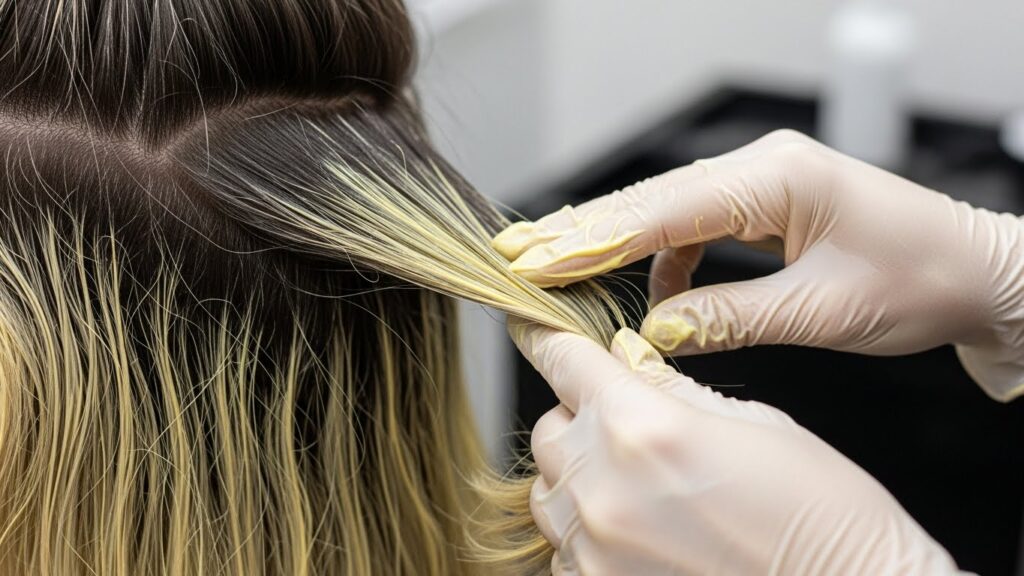
Balayage: The hand-painted queen of techniques. Balayage involves freehand painting highlights onto the surface of the hair, creating a soft, graduated, and natural-looking effect with minimal regrowth. It’s perfect for a lived-in, sun-kissed chestnut look that grows out gracefully.
Foil Highlights: For a more precise, uniform, and brighter payoff, foils are the classic choice. They allow for closer placement to the scalp and can create a more pronounced stripe of light. This is excellent if you want a clearer, more defined highlight pattern throughout your hair.
Babylights: These are super fine, delicate highlights woven throughout the hair, mimicking the subtle, multi-tonal effect of a child’s hair. When done in chestnut tones, babylights create incredible, natural-looking dimension without any obvious “stripes” of color.
Lowlights: Sometimes, the best way to achieve a chestnut glow is by adding depth. Lowlights in darker chestnut or brown can be woven through overly light or monochromatic hair to create contrast and richness, making any existing lighter pieces pop like highlights.
Caring for Your Chestnut Glory: Maintenance Musts
To preserve the warmth and vibrancy of your chestnut highlights, a dedicated haircare routine is non-negotiable. The primary enemy of warm tones is fading and brassiness. Here’s how to fight back:
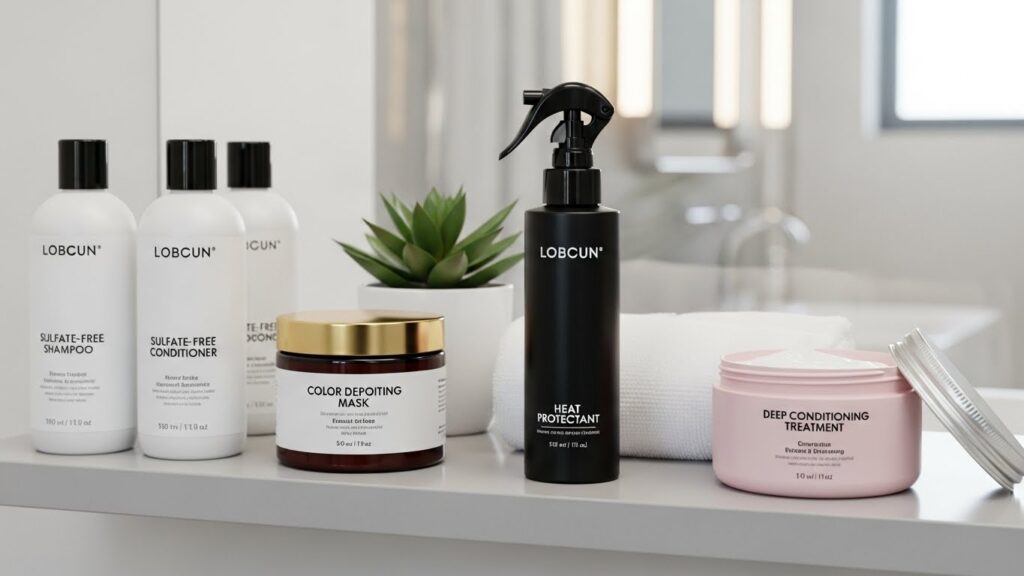
First, invest in a color-safe, sulfate-free shampoo and conditioner. Sulfates are harsh detergents that strip color and moisture. Wash your hair in lukewarm water, as hot water opens the hair cuticle and allows color to leach out faster. Consider extending time between washes with dry shampoo.
Next, incorporate a toning or color-depositing product. A weekly mask or conditioner in a “brown” or “chocolate” shade can help neutralize unwanted yellow or orange tones that may appear over time, refreshing the rich chestnut hue. For more targeted care, a blue or purple shampoo used occasionally can cancel out brassiness on the lighter pieces of your highlights.
Finally, heat protection and hydration are key. Always use a heat protectant before styling. Regular deep conditioning treatments will keep highlighted hair strong, shiny, and less prone to breakage, ensuring your chestnut tones look their glossy best.
Bringing Chestnut Home: DIY Considerations
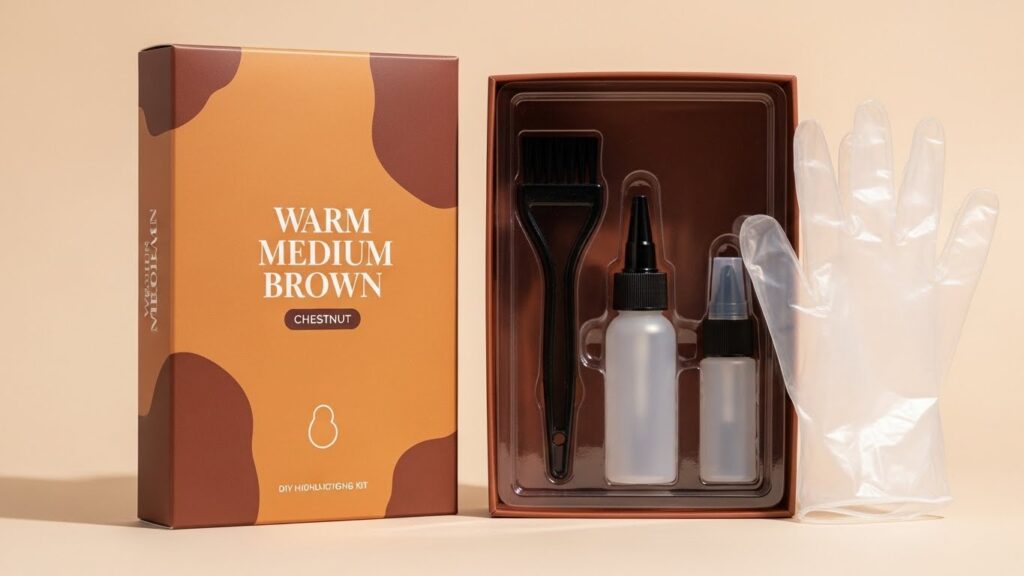
While a salon visit is recommended for complex techniques like balayage, achieving all-over chestnut tones or simple highlights at home is possible with caution. If you choose the DIY route, select a kit labeled “medium warm brown” or “chestnut” and always do a strand test first. Look for phrases like “golden brown” or “auburn” in the description. For highlighting, use a cap or kit with precise applicators for better control.
Remember, at-home color cannot lighten previously colored hair. It deposits tone. To go lighter from a dark base, a lightening agent is needed, which is best left to professionals to avoid damage and uneven results. The goal is enhancement, not a drastic transformation, when working from home.
Conclusion: Embrace the Warmth
Chestnut highlights represent more than just a color choice; they are a strategy for achieving hair that looks healthy, vibrant, and naturally beautiful. Their warm medium brown tones offer a universally flattering solution that adds depth, dimension, and a touch of understated luxury to any hair type or base color. By understanding the spectrum of shades, choosing the right technique for your desired look, and committing to a proper maintenance routine, you can enjoy the enduring, cozy glamour of chestnut hair season after season. So, whether you’re seeking a subtle refresh or a radiant transformation, let the rich, warm tones of chestnut illuminate your look.