Choppy Bangs: Uneven Fringe That Adds Texture
Forget the perfectly blunt, ruler-straight fringe of decades past. The reign of the precise, heavy bang is making way for something far more dynamic, effortless, and cool: choppy bangs. This isn’t a haircut mistake; it’s a deliberate, artful technique that introduces raw texture, movement, and an undeniable edge to your look. More than just a fringe, choppy bangs are a statement—a whisper of rebellion that softens the face, adds intrigue, and works with your hair’s natural texture rather than fighting against it.
What Exactly Are Choppy Bangs?
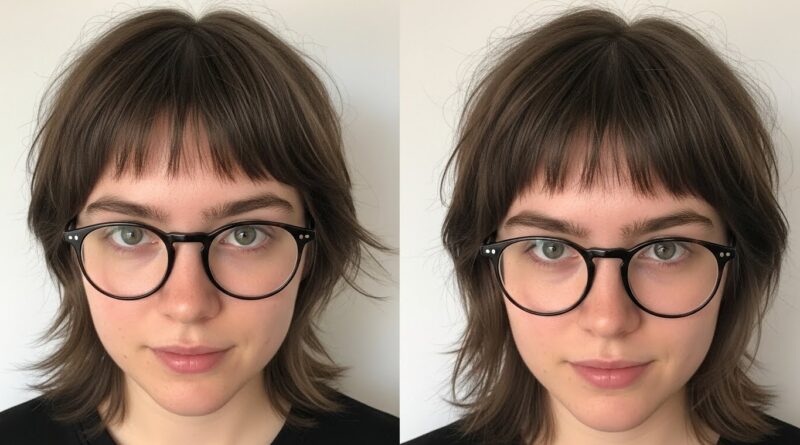
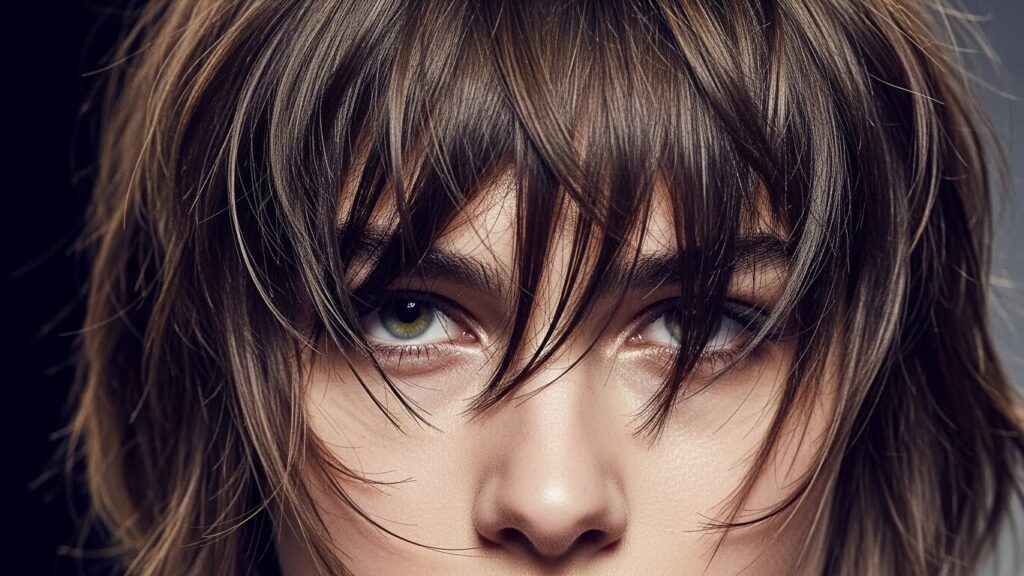
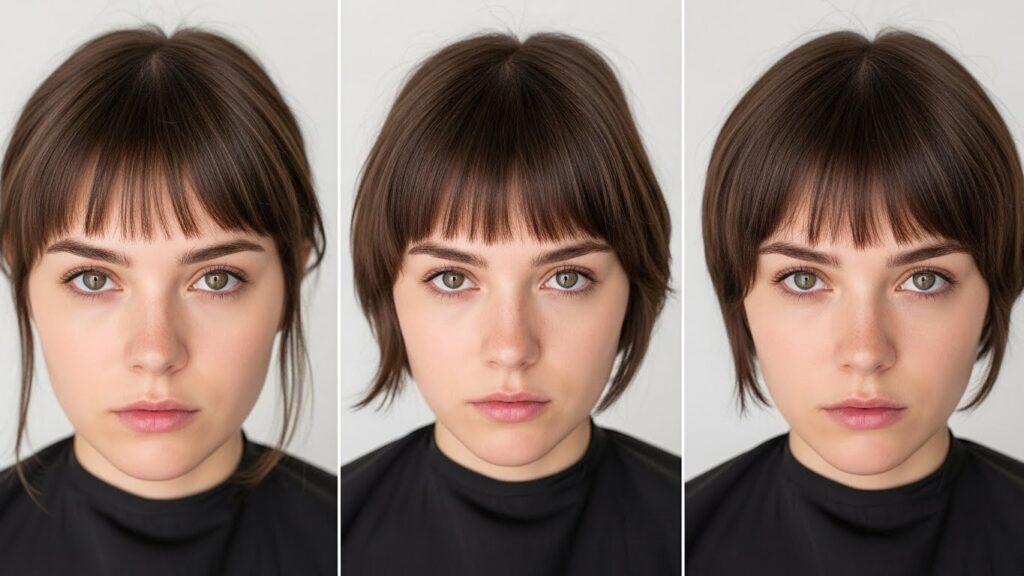
At its core, choppy bangs refer to a fringe that is cut with varying lengths and a heavily textured, piece-y finish. Unlike a solid, weighty block bang, the choppy version is all about removing weight and creating separation. Your stylist will use techniques like point cutting, notching, or razor cutting to achieve this effect, resulting in a fringe that has organic, uneven ends and plenty of airy gaps.
This deliberate unevenness is what sets it apart. Some pieces might graze your eyelashes, while others fall closer to your cheekbones. This variation creates a cascading, face-framing effect that is incredibly flattering. It’s a fringe that looks like you woke up with it perfectly imperfect—because that’s precisely the goal.
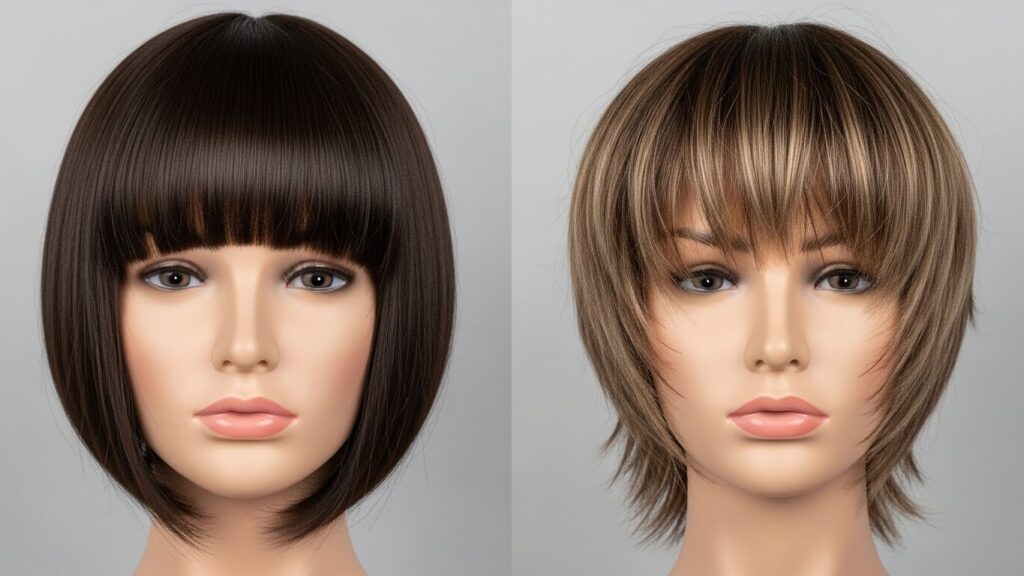
Why Go Choppy? The Benefits of a Textured Fringe
Why has this style captured the attention of celebrities, influencers, and style enthusiasts alike? The benefits are more than just aesthetic.
Added Volume and Movement: The textured ends prevent the hair from lying flat against your forehead. This instantly gives the illusion of more volume at the roots and allows the fringe to move freely with you, creating a dynamic, lively look.
Softer, More Face-Framing Effect: The uneven lengths naturally contour the face, drawing attention to your eyes and cheekbones without the harsh, solid line of a blunt bang. It’s a remarkably softening style that can balance stronger facial features.
Lower Maintenance: While all bangs require some upkeep, choppy bangs are famously forgiving. As they grow out, the varying lengths blend seamlessly, meaning you can go longer between trims without the style looking unkempt. The “grown-out” look is part of its charm.
Versatility: Choppy bangs can be adapted to suit almost any hair type—from pin-straight to wildly curly—and can be styled sleek, messy, pushed to the side, or pinned back for a different vibe.

Finding Your Flavor: Types of Choppy Bangs
Not all choppy bangs are created equal. The beauty of this trend is its adaptability. Here are a few popular iterations to consider:
The Wispy Choppy Bang: The lightest and most ethereal option. These bangs feature very fine, feather-like pieces that are almost see-through. Perfect for a first-time bang wearer or someone who wants just a hint of framing.
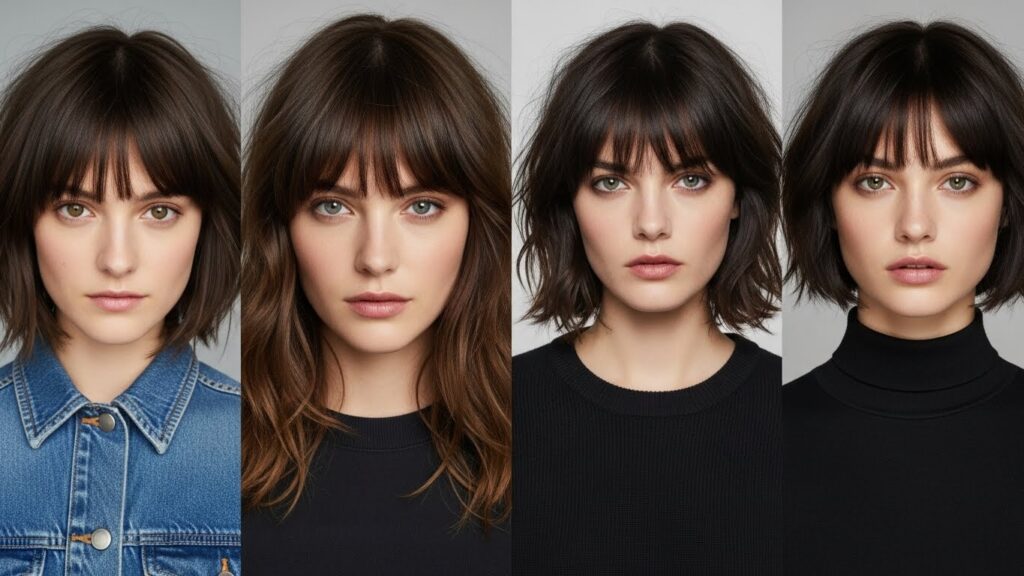
The Curtain Choppy Bang: A longer, more parted version where the choppy pieces blend into your face-framing layers. It’s the quintessential “70s-inspired” fringe, parted down the middle and grazing the cheeks, with plenty of texture through the ends.
The Heavy Choppy Bang: For those who love the impact of a full fringe but crave the texture. This style maintains more density and width but breaks up the hemline with heavy internal layering and piece-y ends. It’s bold but not blunt.
The Shag-Integrated Choppy Bang: The ultimate expression of this trend. Here, the choppy bangs are cut as an integral part of a full shag or mullet haircut, connecting seamlessly with the layers throughout the rest of the hair for a unified, rock-and-roll look.
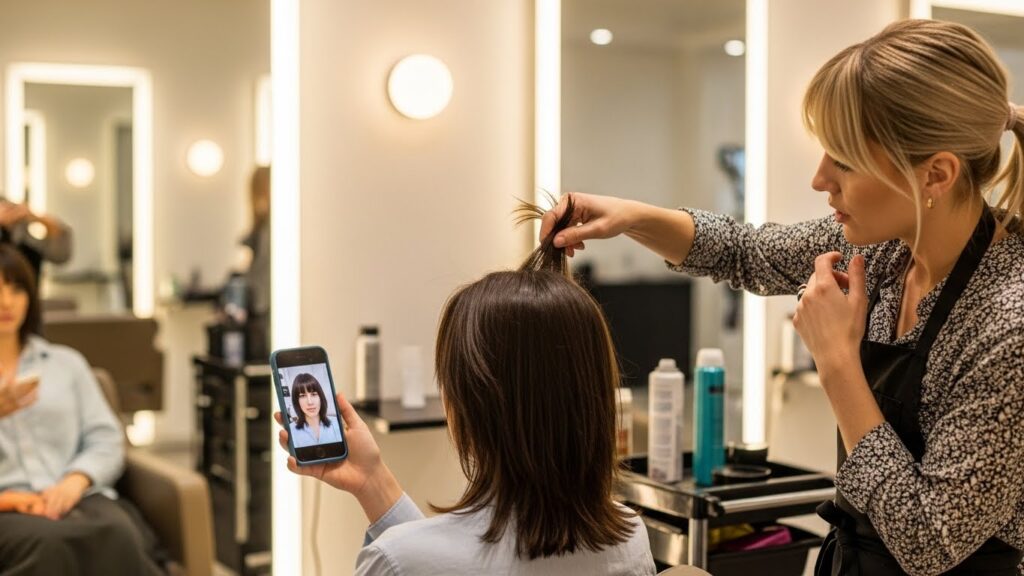
The Consultation: How to Ask Your Stylist for Choppy Bangs
Communication is key to walking out of the salon with your dream fringe. Come prepared with clear visual references—Pinterest or Instagram photos are invaluable. Use the specific terminology: ask for “textured, piece-y, and uneven” bangs. Emphasize that you do not want a blunt, solid line.
Crucially, discuss your hair texture and daily routine with your stylist. They can tailor the level of “chop” to work with your hair’s natural behavior. Be open to their professional advice on what length and weight will be most flattering for your face shape and manageable for your lifestyle.
Styling Your Choppy Bangs: Effortless Texture is Key
The good news? Styling choppy bangs is often simpler than styling blunt ones. The goal is to enhance the natural texture, not create a perfect line.
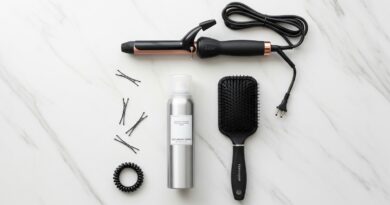
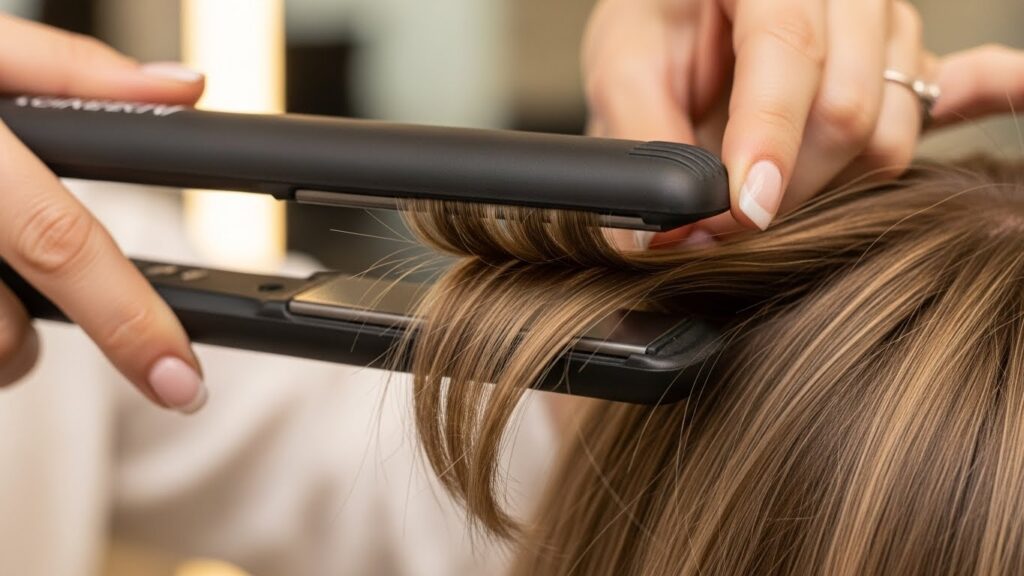
Tools of the Trade: A good flat iron or a small round brush and blow dryer are your friends. For product, lean towards texturizing sprays, sea salt sprays, or light-hold pomades. Avoid heavy gels or creams that can weigh down the delicate pieces.
The Basic Routine: After washing, towel-dry your bangs gently. Apply a heat protectant and a pea-sized amount of texturizing product. You can blow-dry them with a round brush for a bit of shape, or simply let them air dry for a more erratic texture. Once dry, use the flat iron to randomly twist and bend select pieces—not to straighten them uniformly. The motion is more of a crunching or twisting action to create irregular bends.
The Finishing Touch: Run your fingers through your banks to separate the pieces. Finally, mist with a light-hold texturizing spray, scrunch lightly at the ends, and you’re done. Remember, perfection is the enemy here.
Face Shape and Hair Type Considerations
One of the greatest strengths of choppy bangs is their democratic appeal. The textured, broken-up line is flattering on more face shapes than a severe blunt bang.
Round & Square Faces: The vertical lines and soft layers can help elongate the face. Opt for longer, more curtain-style choppy bangs.
Long & Oval Faces: You can carry off a heavier, shorter choppy bang that adds width across the forehead. Wispier styles also look beautiful.
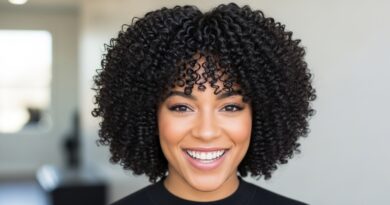
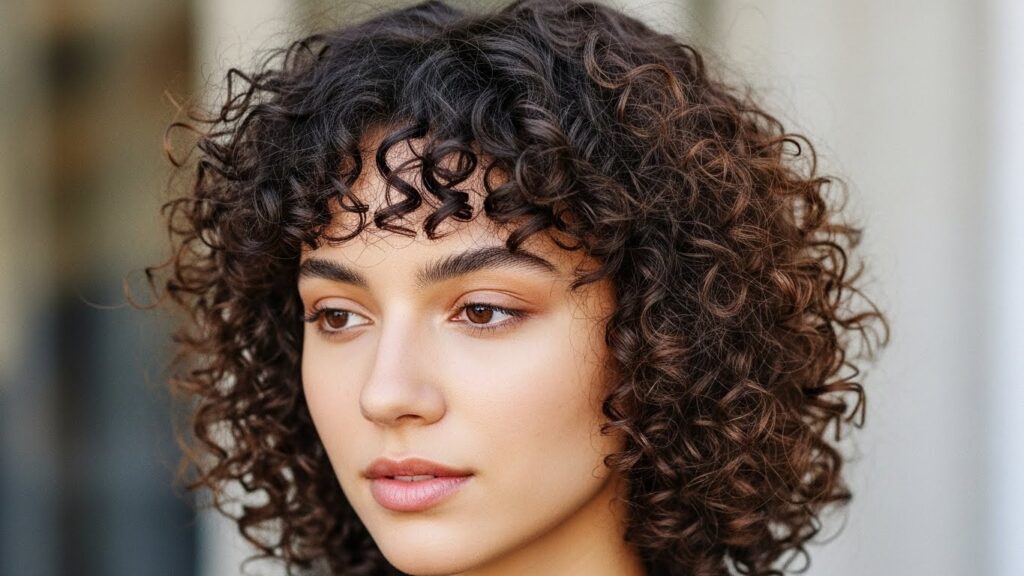
Curly & Wavy Hair: Choppy bangs are a dream! They allow your natural texture to shine. Ask your stylist to dry-cut or carefully point-cut your curls to shape the fringe, ensuring it harmonizes with your pattern when dry.
Fine Hair: This is where choppy bangs truly excel. The texturizing removes bulk without sacrificing density, creating the illusion of fuller, thicker hair.
Thick Hair: Choppy bangs are the perfect solution to prevent a fringe from becoming a heavy, triangular curtain. The internal thinning creates manageability and shape.
Maintenance and Growing Out: The Forgiving Fringe
As mentioned, the grow-out phase for choppy bangs is significantly less awkward. The varied lengths simply start to blend into your face-framing layers. To maintain the shape, a slight trim every 6-8 weeks is sufficient to keep the texture defined.
If you decide to part ways with your fringe, the process is easier. You can gradually push them to the side as they grow, incorporating them into longer curtain bangs or layers. The textured ends make this transition look intentional, not like a grow-out disaster.
Embrace the Imperfect: Your Texture Adventure Awaits
Choppy bangs represent a shift towards more personalized, expressive, and low-fuss beauty. They are a celebration of texture, movement, and individuality. This fringe doesn’t seek to control your hair but to liberate it, to highlight its unique character.
If you’re ready for a change that feels cool, contemporary, and effortlessly stylish, the choppy bang is a compelling contender. It’s a cut that invites you to play, to tousle, and to embrace a beautifully uneven, textured finish. Bring the inspiration to a skilled stylist, throw out the rulebook for perfect lines, and get ready to frame your world with a dose of deliberate, fabulous imperfection.