Classic Hairstyles That Always Come Back
In the whirlwind world of fashion, trends come and go with the seasons. Yet, nestled within this ever-changing landscape, there exists a collection of classic hairstyles that possess a unique kind of magic. They never truly disappear. Instead, they retreat, bide their time, and inevitably return to the spotlight, often with a fresh, modern twist. These are the looks that transcend generations, defined not by their moment in time, but by their enduring appeal, versatility, and inherent confidence. They are the hairstyles that always come back. Let’s explore the timeless tresses that continue to cycle through the decades, proving that true style is eternal.
The Iconic Bob: A Symbol of Liberation
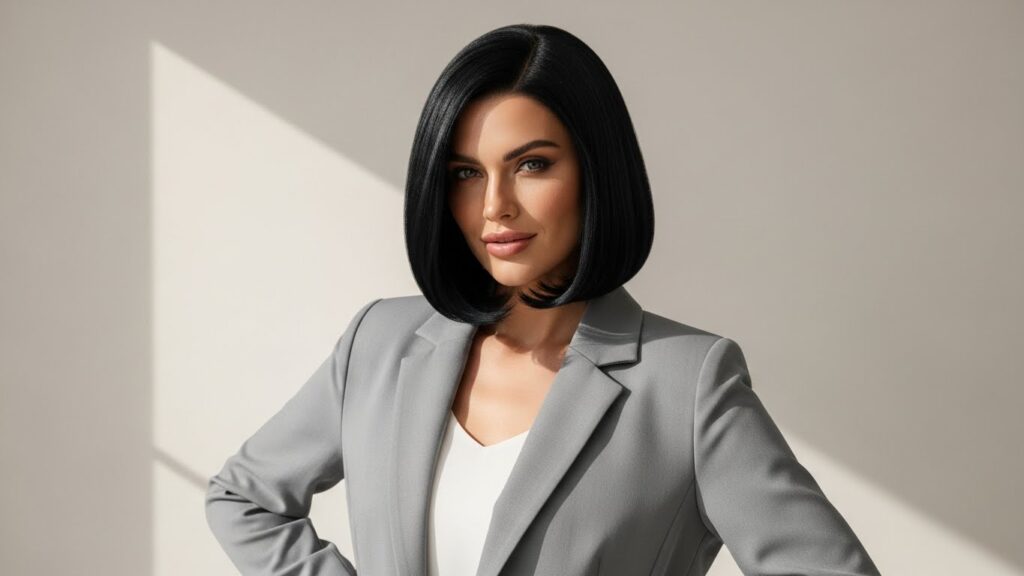
Perhaps no hairstyle has a more storied history of resurgence than the bob. First gaining notoriety in the 1920s as a radical symbol of women’s liberation, it shocked society and became the signature of the flapper. Its clean, sharp lines represented a dramatic break from the long, elaborate hairstyles of the Victorian era. Since that initial revolution, the bob has returned again and again. In the sleek, helmet-like version of the 1960s, the asymmetrical cuts of the 1980s, and the “lob” (long bob) of the 2010s, its core principle remains: a chic, manageable cut that frames the face.
Its power lies in its incredible adaptability. The bob can be blunt or layered, chin-length or grazing the shoulders, pin-straight or textured into waves. It serves as a canvas for personal expression while maintaining an unmistakable air of sophistication. Every few years, a new generation discovers the transformative power of this cut, ensuring its permanent place in the style cycle.
Victory Rolls & Vintage Waves: Old Hollywood Glamour
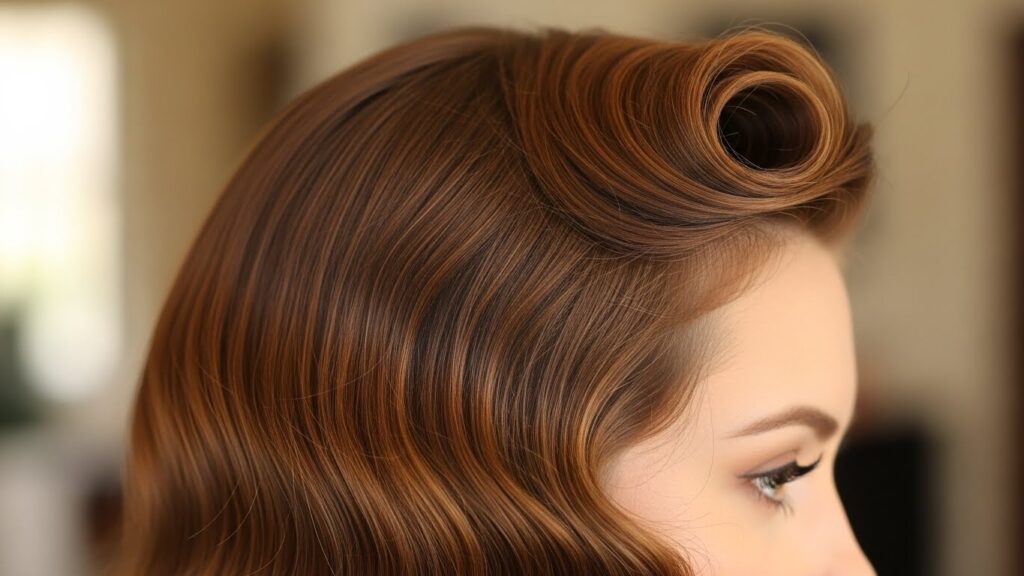
Synonymous with the silver screen sirens of the 1930s and 1940s, victory rolls and soft, sculpted waves are the epitome of timeless glamour. Originally named for their resemblance to the contrails of fighter planes during World War II, victory rolls evolved into a symbol of feminine strength and elegance. This style, along with the cascading waves perfected by stars like Veronica Lake and Rita Hayworth, creates a silhouette of romance and drama that modern fashion continually revisits.
We see these styles resurrected on red carpets, at weddings, and in fashion editorials. The contemporary take often involves softer, less structured waves or incorporating a single victory roll as an accent rather than a full-set look. The appeal is undeniable: these hairstyles photograph beautifully and evoke a sense of occasion and meticulous artistry that few modern styles can match. They remind us that hair can be a grand, beautiful spectacle.
The Pixie Cut: Bold, Beautiful, and Boundary-Breaking
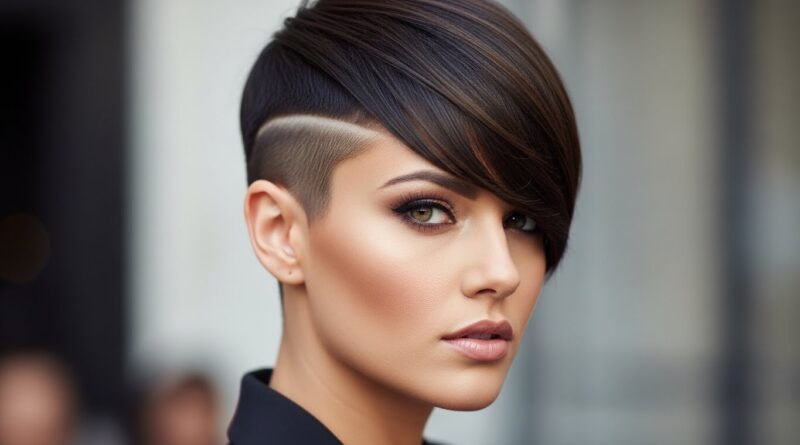
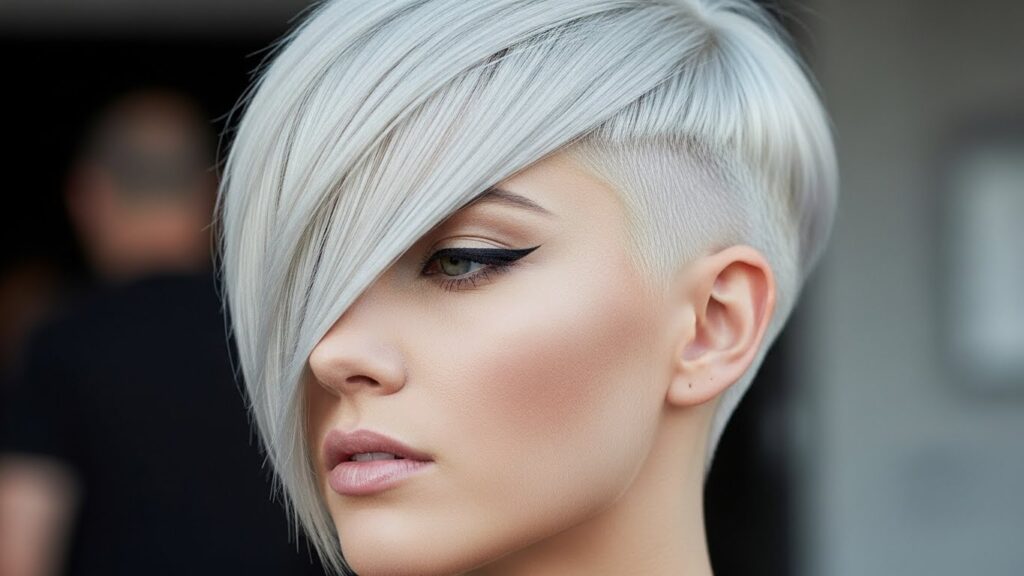
Audacious, liberating, and undeniably chic, the pixie cut is a statement of pure confidence. While it gained mainstream fame through icons like Audrey Hepburn in the 1950s and Twiggy in the 1960s, its roots are even older. Its modern revivals are often tied to celebrities making a bold personal change—think Mia Farrow, Halle Berry, and more recently, celebrities like Charlize Theron and Kristen Stewart.
Each resurgence brings a new variation: the gamine, textured crop of the 60s, the spiky, punk-influenced pixie of the 80s, or the sleek, side-swept version popular today. The pixie’s enduring return is fueled by its powerful message. It challenges conventional notions of femininity tied to long hair, emphasizing facial features, elegance of the neck, and the wearer’s fearless individuality. It’s a cut that says more about the person wearing it than any trend ever could.
Braids: From Ancient Tradition to Modern Runway
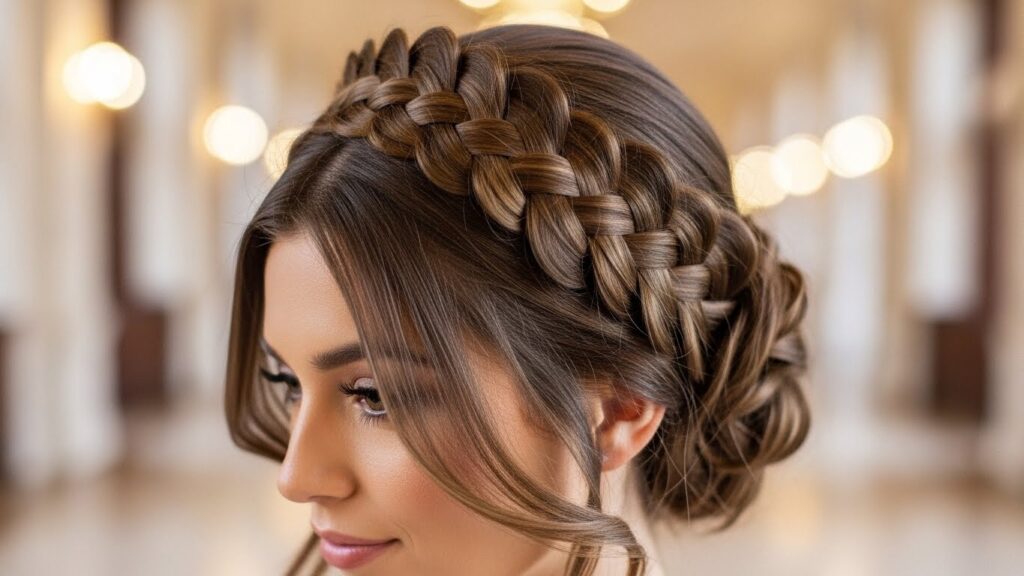
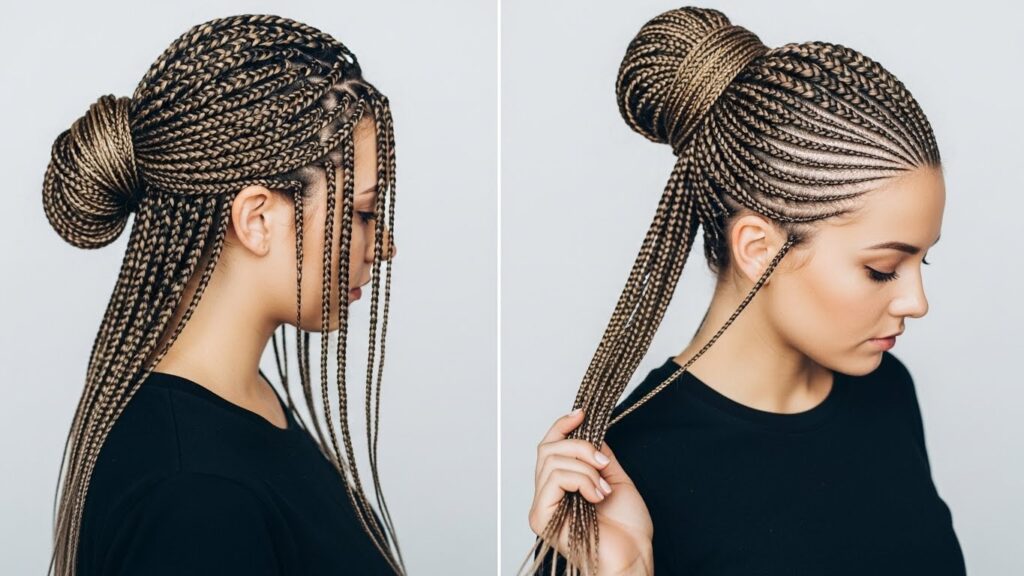
Braiding is one of the oldest hair techniques in human history, with cultural significance across the globe. As a classic style, braids in their many forms—French, Dutch, crown, fishtail—have never left us, but they experience pronounced peaks in popularity. From the bohemian milkmaid braids of the 1970s to the sleek, singular braids of the 1990s and the intricate, artful braided styles seen on today’s runways, their cyclical nature is constant.
Their perpetual comeback is due to unparalleled versatility and functionality. Braids can be elegant or casual, simple or complex, a practical way to manage hair or a stunning artistic creation. They work on every hair type and length, adapting to the aesthetic of the era. Whether it’s a simple three-strand plait or an elaborate halo, braids connect us to tradition while offering endless possibilities for innovation.
The Shag: The Effortlessly Cool Cut
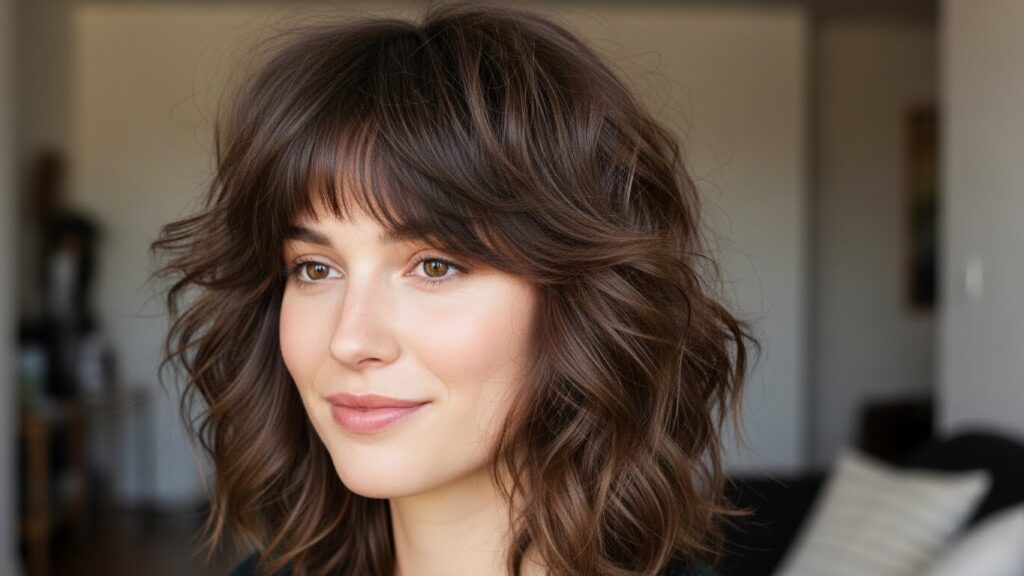
Born in the 1970s and championed by icons like Jane Fonda and Debbie Harry, the shag is the definition of “effortlessly cool.” Characterized by its heavy layers, feathered ends, and full, textured volume, it was a rebellious departure from the sleek styles that preceded it. After fading in the ultra-sleek 90s and 2000s, the shag has roared back with a vengeance in recent years, often rebranded as the “modern shag” or “curtain shag.”
Its return speaks to a desire for low-maintenance, personality-driven hair that moves and has a lived-in feel. The contemporary shag is often paired with curtain bangs and is adaptable to straight, wavy, or curly hair. It offers a perfect, undone texture that feels both retro and completely current. Its cyclical return is a testament to our enduring love for hair that looks vibrant, dynamic, and intentionally imperfect.
Why Do These Styles Forever Return?
The cyclical nature of these classic hairstyles is not a coincidence. It is driven by several key factors. First, nostalgia plays a powerful role. Each generation looks to the past for inspiration, reinterpreting the styles of their parents’ or grandparents’ eras with a new perspective. Second, these cuts possess a flattering, versatile foundation. They have been tested by time and are known to work on a variety of face shapes and hair types.
Furthermore, their returns are often facilitated by cultural moments and iconic figures. A celebrity wearing a vintage style on the red carpet or a period film capturing the public’s imagination can instantly trigger a revival. Finally, at their core, these hairstyles represent archetypes of expression: the sophistication of the bob, the glamour of waves, the boldness of the pixie. These are moods and statements that humanity continually revisits.
How to Wear a Classic Style Today
Embracing a classic hairstyle doesn’t mean engaging in strict historical reenactment. The key to making a timeless look feel fresh is adaptation. Work with your stylist to modify the cut to suit your hair texture, face shape, and lifestyle. A 1920s bob might be given softer, more lived-in layers. Victory rolls can be looser and paired with down hair. The shag can be adjusted for fine or thick hair.
Focus on modern styling techniques and products. Use a texturizing spray for a beachy wave instead of a rigid set, or a sleek shine serum for a contemporary polished bob. The goal is to capture the spirit and silhouette of the classic style while allowing it to feel authentic to you. Remember, these styles survived because they are adaptable. Let your personal style be the guiding force in your interpretation.
In the end, these classic hairstyles that always come back are more than just ways to wear our hair. They are cultural touchstones, symbols of shifting attitudes, and testaments to the cyclical nature of beauty itself. They remind us that while trends may flicker, true style is eternal. So, the next time you’re considering a change, look to the past. You might just find your next iconic look waiting for its comeback, with you as its newest muse.