Classic Hairstyles With a Modern Finish
In the ever-spinning carousel of beauty trends, there’s a powerful and undeniable truth: the classics always come back. But they never return quite the same. Like a well-loved melody remastered for a new generation, iconic hairstyles from decades past are experiencing a brilliant renaissance, reimagined with contemporary techniques, textures, and attitudes. This isn’t about strict vintage replication; it’s about capturing the spirit of a timeless look and refining it for the way we live now.
The Modern Bob: From Sharp Geometry to Soft Undulation
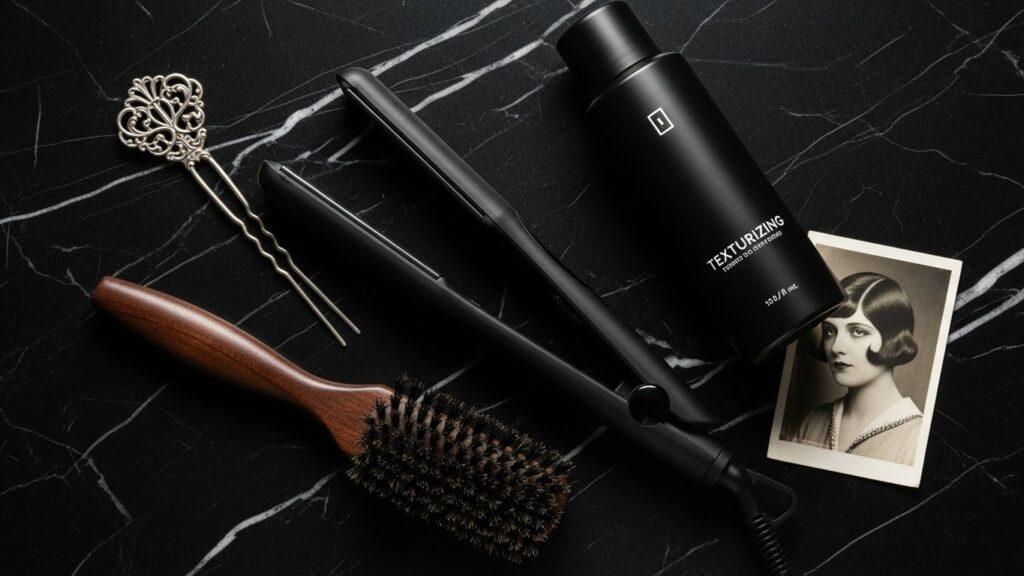
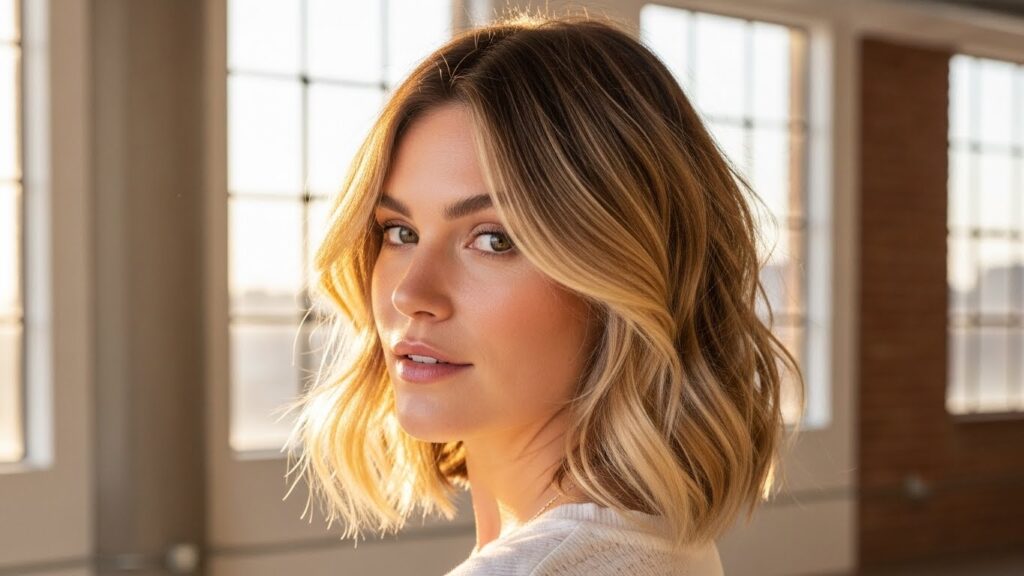
The bob haircut is arguably the most resilient classic in history. From the daring garçonne style of the flapper era to the sharp Vidal Sassoon cuts of the 60s, its shape has continually evolved. The modern bob breaks free from perfect symmetry and blunt, heavy lines. Today’s iteration is all about personalized shape and softness.
Think longer, face-framing front pieces that blend into a slightly shorter back—a style often called the “lob” or long bob. The finish is key: instead of a glass-like, straight bob, stylists now use curling wands or texturizing irons to create subtle, undone waves or a slight bend at the ends. This adds movement and stops the cut from looking severe. Color also plays a huge role; lived-in highlights, shadow roots, or creamy balayage add depth and dimension that feels current and low-maintenance.
The Pixie Cut Reboot: Effortless Texture Over Polished Perfection
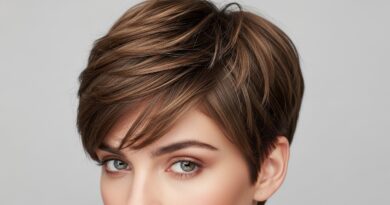
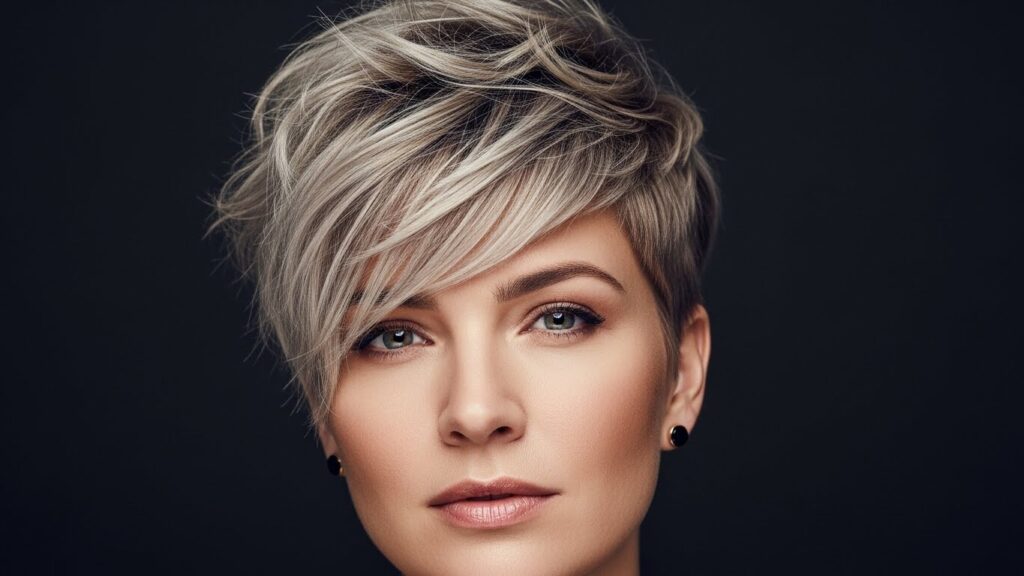
Audrey Hepburn, Mia Farrow, and Twiggy immortalized the pixie cut as a symbol of gamine charm and bold femininity. The classic version was often sleek, closely cropped, and meticulously styled. The modern pixie, however, embraces raw texture and a touch of rebellion. It’s less “perfectly coiffed” and more “just-out-of-bed cool.”
This is achieved through cutting techniques like point cutting and notching to remove weight and create natural separation. Styling involves working in a matte paste or texturizing wax through the roots and ends to piece out sections, creating a deliberately messy, spiky, or tousled effect. The modern finish often includes longer, wispy fringe or brow-grazing pieces that soften the face. This approach makes the pixie more adaptable and expressive, allowing for a variety of looks from day to night with just a run of fingers through the hair.
Victory Rolls & Retro Waves: Relaxed Glamour
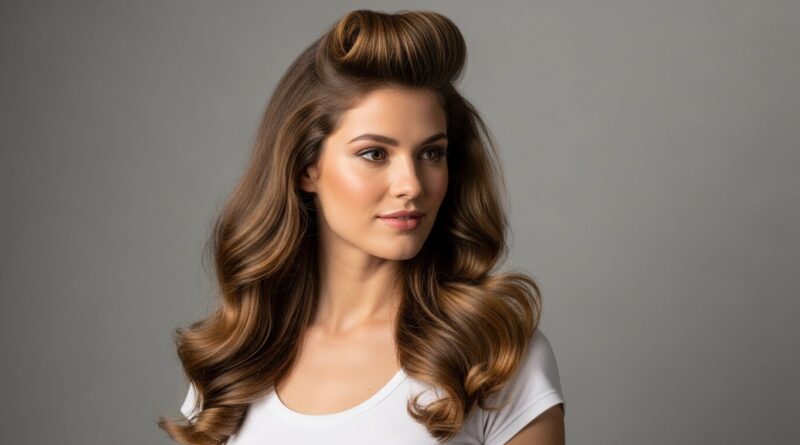
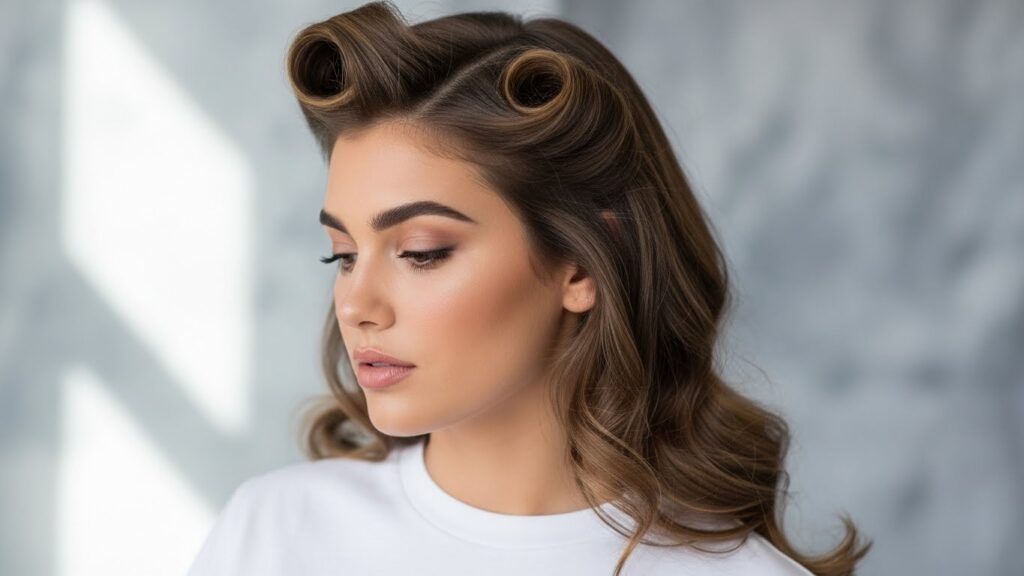
The sculpted victory rolls and precise finger waves of the 1940s represent the pinnacle of vintage glamour. Recreating them exactly requires immense skill and time. The modern take distills the essence—volume, wave, and a touch of drama—into a more achievable, daily style. The goal is “undone vintage,” not costume perfection.
Instead of tight, uniform rolls, try creating a single, soft volume roll at the crown using a large-barrel curling wand and pinning it loosely for a relaxed, half-up style. For finger waves, use a waving iron or even a flat iron to create a few strategic, soft “S” waves in the front sections of your hair, leaving the rest down in natural waves. The finish should be soft; use a light-hold shine spray or a flexible-hold mousse to set the shape without stiffness, allowing for natural movement.
The Modern Shag: The 70s Icon Gets a Precision Update
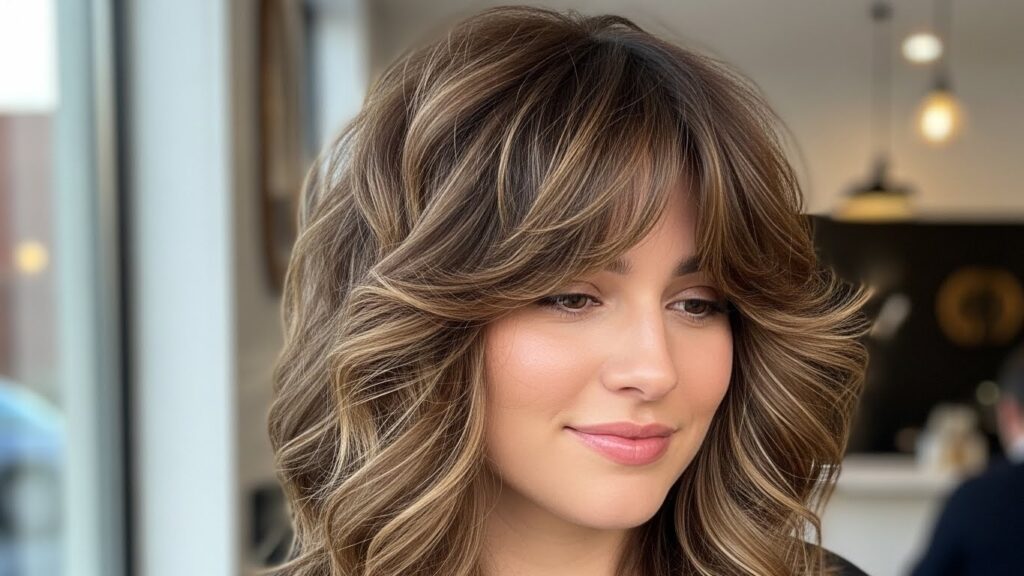
The shag haircut of the 1970s was all about rock ‘n’ roll attitude and carefree, layered volume. While the spirit remains, the modern shag is a masterpiece of calculated chaos. It’s heavily layered, yes, but each layer is cut with intention to frame the face, remove bulk, and create a shape that grows out beautifully.
Key features include curtain bangs that blend seamlessly into the face-framing layers, and “wolf cut” layers that create volume at the crown. The modern finish relies on diffusing or air-drying with a texturizing spray to enhance the natural wave and curl pattern, celebrating imperfection. It’s a style that looks better the less you do to it, perfect for the modern ethos of effortless beauty. Adding money pieces or bold color slices can further highlight the intricate layering.
The Sleek, High Ponytail: Architectural Sophistication
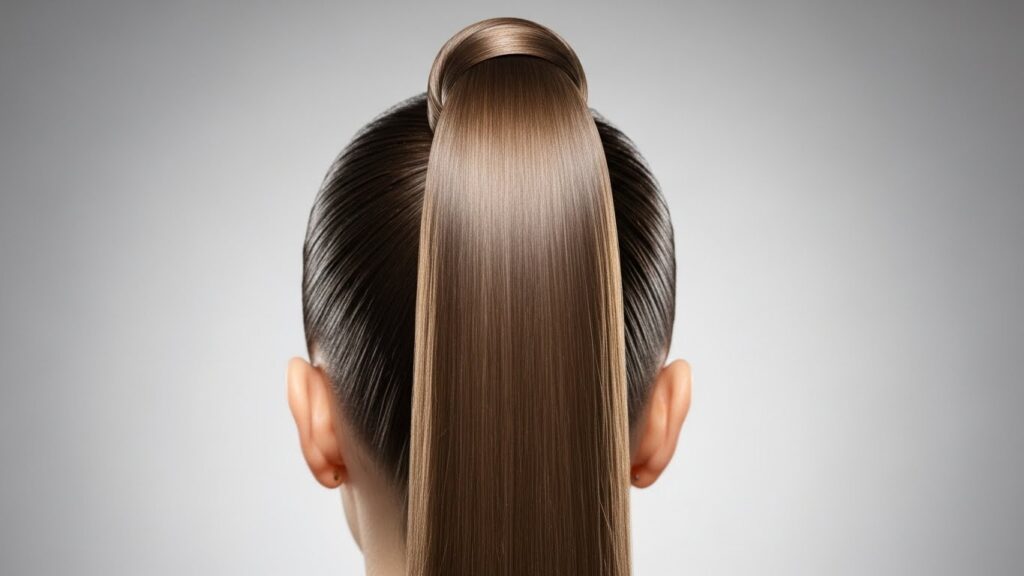
From ballet dancers to 90s supermodels, the high ponytail is a classic symbol of sleekness and polish. The outdated version could be tight, scalp-pulling, and reliant on gelled-down flyaways. The modern high ponytail is an exercise in architectural sophistication and scalp health. It’s high, tight, and smooth, but with a focus on a gentle lift at the crown and a seamless blend.
The secret is in the preparation and details. Apply a light smoothing serum or cream to damp hair before blow-drying for a frizz-free base. When tying, use a bristle brush to gather the hair, and place the ponytail at the crown where it naturally lifts the features. The modern finish involves taking a small section of hair from the ponytail to wrap around the base, concealing the band for a seamless look. Crucially, a few face-framing tendrils or a soft wisp at the hairline are left out to soften the look and make it feel less severe.
How to Achieve the Modern Finish: Tools & Techniques
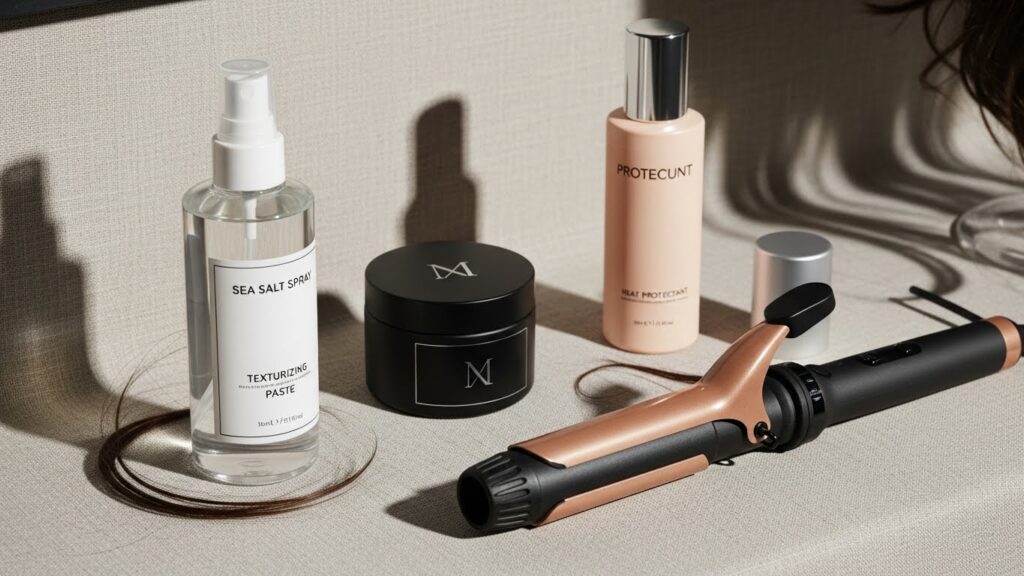
Updating these classic styles hinges on modern products and techniques. Embrace texture over rigidity. Swap heavy hairsprays for flexible-hold mousses, sea salt sprays, and texturizing powders. These add grip and volume without crunch. Invest in a good quality curling wand with a tapered barrel for creating soft, blended waves, or a flat iron with rounded edges for adding bend.
Prioritize hair health. Modern finishes showcase the hair’s natural shine and movement, which is impossible on damaged hair. Incorporate heat protectants, hydrating masks, and regular trims into your routine. Finally, make it personal. The ultimate modern twist is your individuality. Adjust the volume, texture, or part to suit your face shape and personal style. The classic is just the blueprint; you are the architect.
Conclusion: Timelessness, Redefined
The most beautiful aspect of bringing classic hairstyles into the present day is the celebration of continuity and change. It connects us to the elegance and audacity of previous generations while allowing us to express our current identities. By focusing on softer lines, lived-in texture, and the inherent health of your hair, you can wear a piece of fashion history that feels authentically and effortlessly like you.
So, the next time you’re inspired by a silver screen siren or a rock ‘n’ roll icon, don’t just copy—reinterpret. Use their style as a foundation and build your modern masterpiece upon it. After all, the truest modern finish is your own confidence shining through.