Cognac Highlights: Deep Amber-Brown Tones
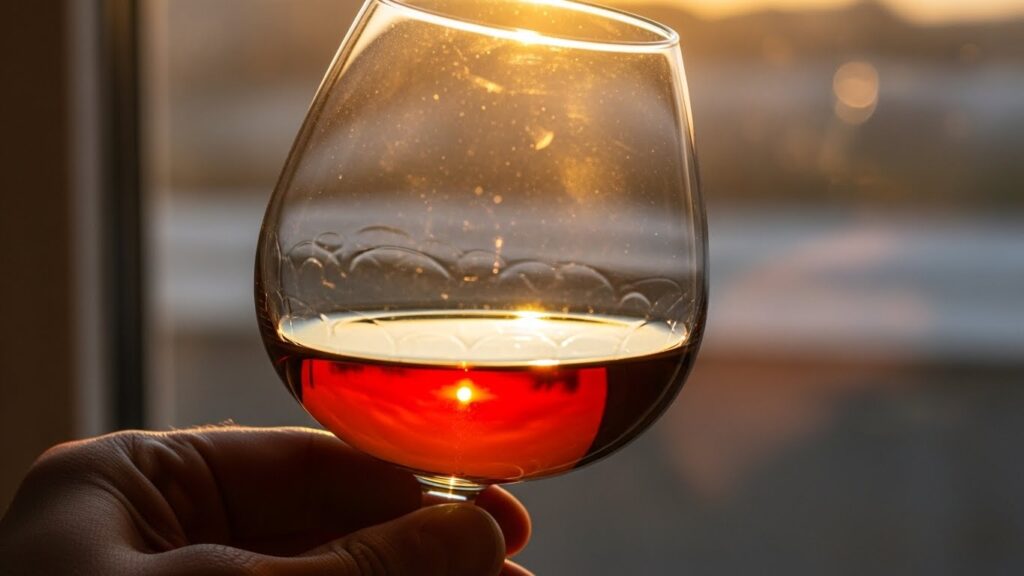
Before the first sip ever touches your lips, cognac begins its seduction with a visual symphony. Held to the light, the spirit reveals a spectrum of liquid gold, radiant amber, and profound mahogany. This deep, mesmerizing color is not merely a happy accident; it is a visual biography of the spirit’s journey from grape to glass. The amber-brown tones of cognac tell a story of time, wood, and meticulous artistry, offering clues to the complex flavors waiting within. In this exploration, we delve into the very essence of cognac’s hue, uncovering what makes this color so iconic and what it whispers to those who know how to look.
The Alchemy of Color: How Cognac Gets Its Hue
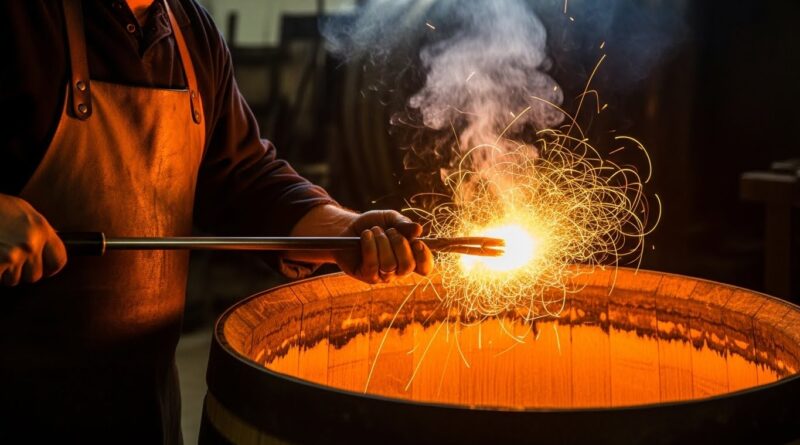
Unlike many spirits, cognac’s color is primarily a gift of time and oak, not artificial additives. The journey begins with a clear, distilled wine from specific grapes of the Cognac region in France. The transformation into that iconic amber happens during its mandatory aging in French oak barrels, primarily from the Limousin or Tronçais forests. This is where the alchemy unfolds.
Inside the porous oak, a slow, dynamic exchange occurs. The spirit breathes, evaporating (the poetically named “angels’ share”) and concentrating. It extracts compounds from the wood, most notably lignins and tannins, which break down into vanilla notes and color-giving elements. Simultaneously, the toasted interior of the barrel imparts caramel and spice characteristics. The natural oxidation that happens over years of aging further mellows the spirit and deepens its color, creating a rich, complex palette that ranges from light gold to deep tawny brown.

Decoding the Spectrum: What Color Tells You
The shade of amber or brown is often your first indicator of a cognac’s age and style. While there are always exceptions, a general guide illuminates the narrative behind the hue.
VS (Very Special): Aged a minimum of two years. These cognacs typically exhibit a lively, pale gold or light amber color. The hue speaks of youth, with brighter, fruit-forward flavors.
VSOP (Very Superior Old Pale): Aged a minimum of four years. The color deepens into a warm, radiant amber or light copper. This suggests a greater interaction with the oak, introducing more vanilla, caramel, and dried fruit notes to the aroma and taste.
XO (Extra Old) and Beyond: With a minimum age of ten years (and often much older), these cognacs showcase the deep amber-brown tones we cherish. Think rich mahogany, burnt umber, or polished antique leather. This profound color promises an equally profound tasting experience: layers of dried fruit, chocolate, spice, rancio, and exquisite oak integration.
It’s crucial to note that some houses use a small amount of boisé (caramel coloring) or sugar syrup to ensure color consistency between batches. However, the foundational, glorious depth of an aged cognac’s color is always the honest work of time and wood.

Beyond Age: The Factors Influencing Cognac’s Amber Depths
While age is the primary driver, several other factors fine-tune the final shade of a cognac’s robe (the term for its color).
The Oak’s Character: The origin, grain tightness, and toast level of the oak barrel are pivotal. Limousin oak, with its looser grain, imparts color and tannins more quickly than tighter-grained Tronçais. A heavily toasted barrel will contribute more char-related compounds, leading to darker hues and smokier notes.
The Aging Cellar Cognac ages in cellars that are often cool and damp. This environment slows evaporation and interaction compared to a hot, dry cellar. The slower process can sometimes result in a more gradual, but potentially more nuanced, development of color and flavor.
The “Part des Anges” (Angel’s Share): As the spirit evaporates over decades, the concentration of remaining compounds increases. This natural concentration not only intensifies flavors but also deepens the color, making older, rarer cognacs profoundly dark and viscous.

The Visual Tasting: Appreciating Color Before You Sip
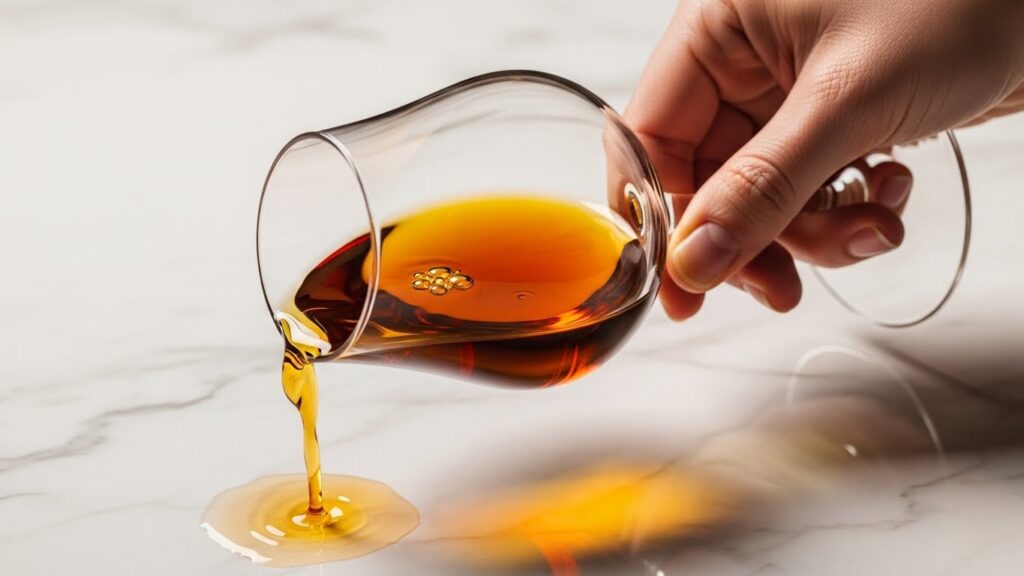
Engaging with cognac’s color is the first step in the tasting ritual. To properly appreciate it, pour a small amount into a tulip-shaped glass against a neutral, white background. Tilt the glass and observe the liquid’s core and its “legs” or “tears” that slowly slide down the side—a sign of viscosity, often correlated with age and sugar content.
Notice the clarity and brilliance. A well-crafted cognac will be luminous, not cloudy. Observe the rim variation: when swirled, an older cognac may show a slight amber-to-garnet rim, indicating extreme age and oxidation. This visual examination sets expectations, priming your palate for the sensory experience to follow. The deep brown tones suggest you should anticipate flavors of old leather, rich tobacco, dark chocolate, and stewed plums.
From Hue to Flavor: The Promise in the Glass
The deep amber-brown color is a direct proxy for the flavor evolution within. The compounds that impart color—lignins, tannins, and sugars from the oak—are the very same ones that create cognac’s signature tasting notes.
That rich amber speaks of vanillin from the oak, promising sweet, creamy notes. The brown undertones hint at the development of rancio, a highly prized, complex flavor profile of walnuts, dried fruits, and spices that comes from prolonged oxidation in wood. The viscosity suggested by the slow-moving legs points to a concentration of flavors and a likely lush, oily mouthfeel.
In essence, the color is a map. A light gold map leads to orchards and fresh grapes. A deep mahogany map leads to a library filled with old books, a box of fine cigars, and a cabinet of exotic spices. It is an honest preview, making the moment of tasting a confirmation of what the eyes have already foreseen.

A Symbol of Luxury and Time
Finally, the deep amber-brown tone of cognac has transcended its chemical origins to become a powerful symbol. It is the color of antiquity, wisdom, and luxury. In a world of instant gratification, this color represents the opposite: patience, tradition, and the irreplaceable value of time. It evokes feelings of warmth, comfort, and sophistication. In design, fashion, and decor, “cognac” as a color name conveys richness and earthy elegance.
When you hold a glass of well-aged cognac, you are not just holding a spirit; you are holding decades of careful stewardship. The deep brown tones are the visual manifestation of that legacy, a liquid history that you are invited to savor. It reminds us that the finest things in life are often those that cannot be rushed.

Conclusion: More Than Just a Color
The deep amber-brown tones of cognac are far more than a simple aesthetic trait. They are a language, telling a detailed story of origin, aging, and artistry. They are a guide, offering a prelude to the complex symphony of flavors in the glass. And they are a symbol, representing the pinnacle of patience and craft in the spirit world. The next time you encounter a fine cognac, take a moment to truly see it. Appreciate its hue, its depth, and its clarity. Let your eyes drink in the story first, for in that rich, captivating color lies the entire soul of the spirit, waiting to be discovered, one sip at a time.