Color Remover vs Bleach: The Safer Way to Lighten
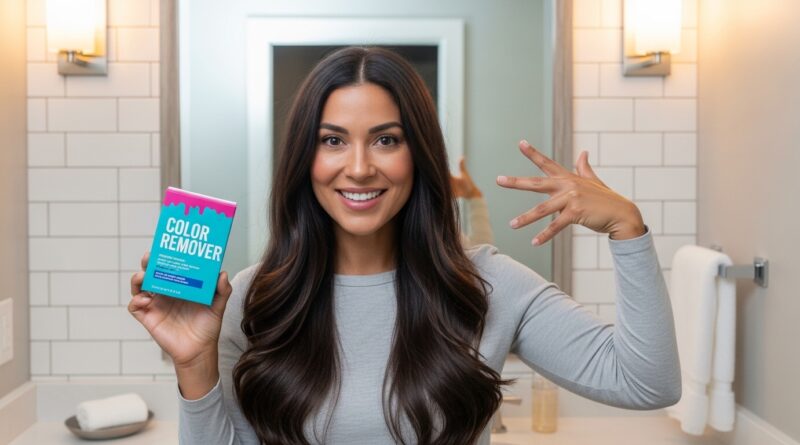
You’re standing in front of the mirror, looking at a hair color that didn’t turn out as planned. Maybe that box dye went too dark, or the vibrant red has faded into a strange orange. Your first thought might be to reach for the bleach, the notorious powerhouse of hair lightening. But wait. Before you unleash that potent chemical, there’s another player in the game that could be your hair’s saving grace: color remover.
The journey to a new hair color, or back to your natural shade, is fraught with potential damage. The age-old debate of color remover vs bleach is more than just a choice of products; it’s a decision that impacts the health, strength, and future of your hair. In this comprehensive guide, we’re diving deep into the science, the process, and the results of both methods to help you make an informed, hair-friendly choice. Let’s unravel the mystery and find the safer path to your hair goals.
Understanding the Fundamental Difference: It’s All About Chemistry
To truly grasp why one option is safer than the other, we need to start with a basic understanding of how they work on a chemical level. They achieve similar lightening effects through entirely different mechanisms.
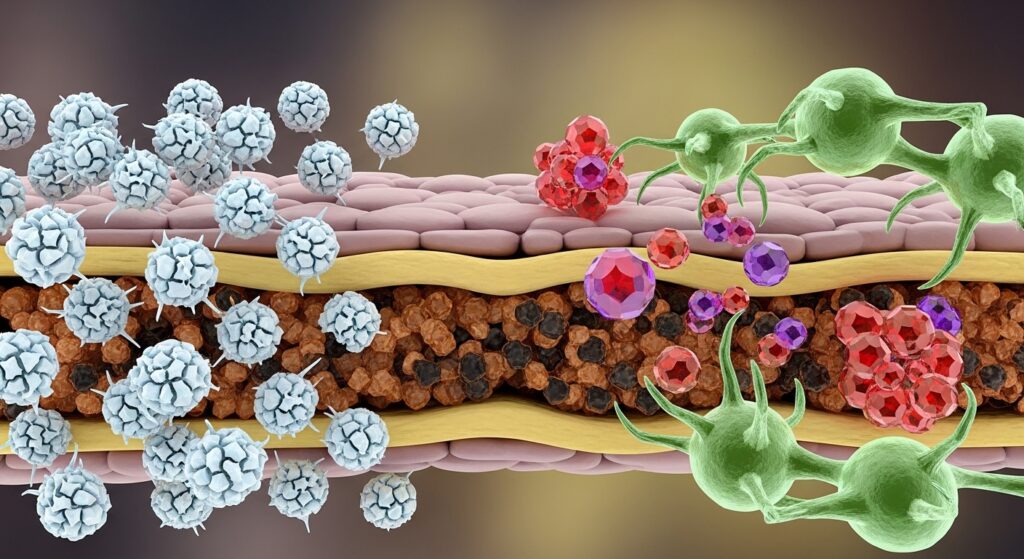
How Bleach Works: Bleach, typically containing hydrogen peroxide or a similar oxidizing agent, is a destructive lightener. Its job is to penetrate the hair shaft and break down your natural melanin (the pigment that gives your hair its color). It doesn’t just remove artificial color; it attacks all pigment it encounters. This process is permanent and fundamentally alters the structure of your hair. To put it simply, bleach is like using a wrecking ball—it gets the job done by breaking everything down.
How Color Remover Works: Color remover, on the other hand, is a much more targeted agent. Its primary goal is to remove artificial dye molecules from your hair. It works by shrinking these dye molecules so they are small enough to be washed out of the hair shaft. Most color removers do not contain bleach or peroxide. Instead, they use reducing agents that break the chemical bonds of the artificial color without severely damaging the hair’s internal structure. Think of color remover as a skilled locksmith, picking the specific lock of the artificial dye without damaging the door.
When to Reach for Color Remover: The Ideal Scenarios
Color remover isn’t a one-size-fits-all solution, but in specific situations, it is undeniably the superior and safer choice.
Correcting Dark or Unwanted Dye: This is the sweet spot for color remover. If you’ve dyed your hair too dark, or a color you now regret (like a brassy brown or an unflattering black), a color remover can effectively strip that artificial pigment away. It often brings you back close to your underlying natural color or the level you were before you applied the dye, making it an excellent first step in a color correction process.
Preparing for a Lighter Shade (When Already Colored): If your hair is currently dyed dark and you want to go significantly lighter, using a color remover first is a strategic move. It removes the existing artificial color, allowing you to then use a weaker bleach formula or even just a high-lift dye to reach your desired level. This two-step process is far less damaging than applying a high-strength bleach directly over dark dye.
Removing Semi-Permanent and Demi-Permanent Color: Color removers are exceptionally effective at removing these types of dyes. They can clean the slate with minimal damage, making them perfect for those who like to experiment with fashion colors but want an exit strategy that doesn’t involve frying their hair.
The key takeaway: Color remover is your go-to for dealing with artificial pigment that’s sitting on top of or inside your hair shaft.
When Bleach is the Only Option: Facing the Inevitable
As much as we champion the safer alternative, there are times when bleach is the only tool for the job. Acknowledging this is key to managing expectations.
Lifting Your Natural Hair Color: If you have virgin hair (hair that has never been colored) and you want to go platinum blonde, jet black to bright pink, or any other dramatic lightening, bleach is necessary. Color remover cannot remove your natural melanin. It only targets artificial dye. To lighten virgin hair, you need the power of bleach to break down that innate pigment.
Achieving Very Light or Pastel Shades: For colors like platinum, silver, pastel pink, or lavender, you need an almost blank canvas—a very pale yellow base. This level of lightening is almost always impossible without bleach. Color remover will only get you back to your underlying natural color, which is often not light enough for these fashion-forward shades.
When Color Remover Fails on Permanent Dye: Sometimes, especially with certain types of permanent dye, color remover may not be 100% effective. It might leave behind some residual warmth or pigment. In these cases, a final, gentle bleach bath might be needed to even out the base color.
The Damage Report: A Direct Comparison on Hair Health
This is the core of the debate. Let’s break down the impact of each process on the integrity of your hair.
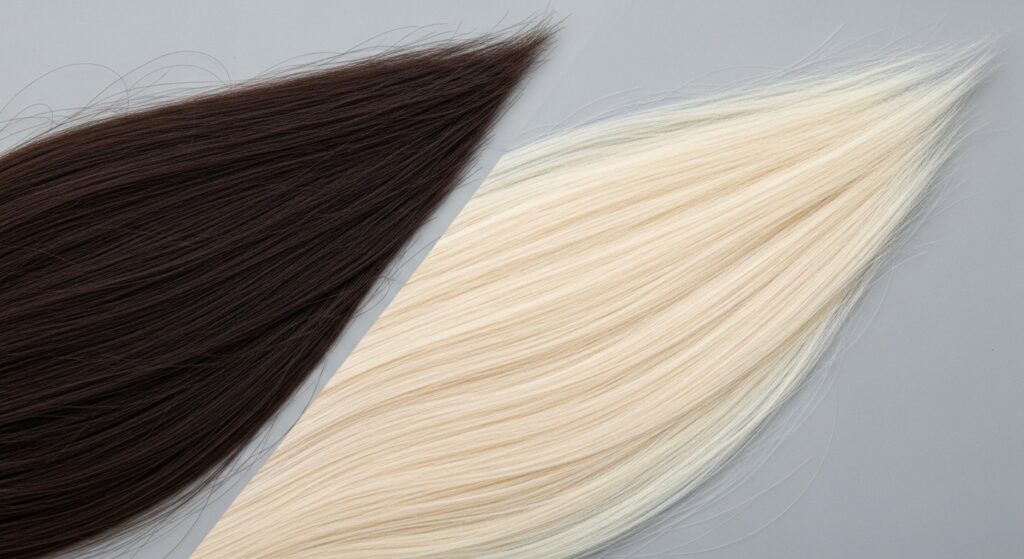
Bleach and Its Damaging Effects: Bleach is inherently damaging. By breaking down your hair’s melanin, it also breaks down the keratin proteins that give your hair its strength and elasticity. This process:
– Raises the Hair Cuticle Permanently: It forces the hair cuticle open and often leaves it rough and raised, leading to dryness, frizz, and breakage.
– Strips Natural Oils: It denatures the hair’s natural lipids and oils, leaving it porous and thirsty.
– Weakens the Hair Structure: With repeated use, hair can become mushy, stretchy, and prone to snapping off.
Color Remover and Its Gentler Approach: While no chemical process is completely damage-free, color remover is significantly gentler.
– Minimal Cuticle Raising: It works with less aggression on the hair’s cuticle, helping to maintain a smoother surface.
– Preserves Protein Structure: Because it targets dye molecules rather than breaking down all pigment and protein, it leaves the hair’s internal structure more intact.
– Results in More Manageable Hair: Hair after a color remover treatment is typically in much better condition than hair after a bleach session, meaning it will hold a new color better and feel healthier.
Think of it this way: Bleach damages the hair to change its color. Color remover changes the color to minimize damage.
The Final Result: What to Expect After Each Process
The end goal isn’t just the immediate aftermath; it’s what your hair looks and feels like, and what you can do next.
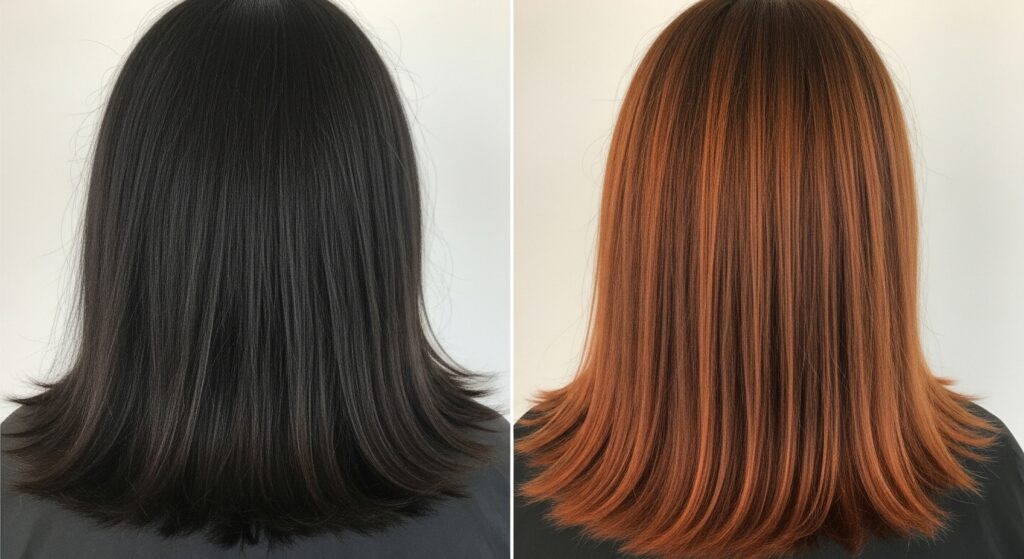
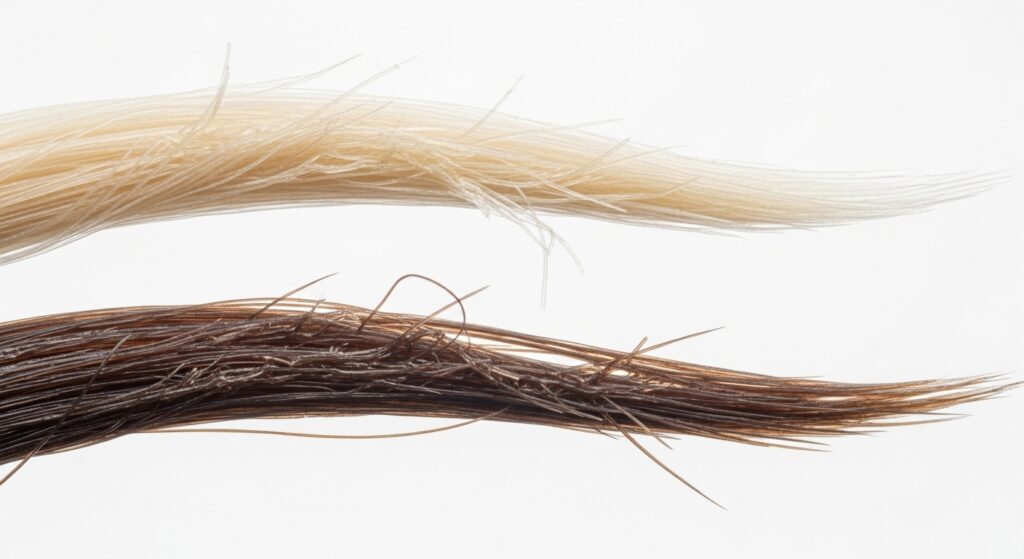
After Using Color Remover: Don’t expect a perfect, cool blonde. Color remover typically leaves hair with warm, orange, or yellow tones. This is because it removes the artificial color to reveal the underlying warmth of your natural pigment or the leftover molecules from the previous dye. This warm base is normal and is a much better starting point for toning or re-dyeing than a fragile, over-bleached base.
After Using Bleach: The result of bleaching is a pale yellow, often referred to as the “pale yellow” stage. This is the ideal base for toning to cool, ash, or pastel shades. However, if the bleach is over-processed, the result can be a damaging white, gummy texture that is very difficult to manage and color.
Re-dyeing Success: Hair that has been treated with color remover is typically in good enough condition to be re-dyed immediately (always follow product instructions). Its cuticle is smoother, allowing the new color to penetrate evenly and last longer. Bleached hair, being more porous, can sometimes grab color too quickly, leading to uneven results, and it may require significant conditioning treatments before it’s healthy enough to hold a new color properly.
Making the Right Choice: Your Personal Hair Guide
So, how do you decide? Ask yourself these key questions:
1. What is my current hair situation?
Is it virgin hair? Use bleach to lighten.
Is it hair with artificial dye? Use color remover first.
2. What is my end goal?
Do I want to go back to my natural color or correct a dark dye? Color remover.
Do I want platinum blonde, silver, or a vibrant pastel? You will likely need bleach.
3. What is the priority: speed or hair health?
Bleach can be a one-step process to extreme lightening but at a high cost to hair health.
Color remover is a gentler, often multi-step process that prioritizes the integrity of your hair.
When in doubt, especially for complex color corrections, consult a professional colorist. They can assess the condition of your hair and use a combination of techniques, including color removers and carefully formulated bleach, to achieve your desired look with the least amount of damage.
Conclusion: The Verdict for Healthier Hair
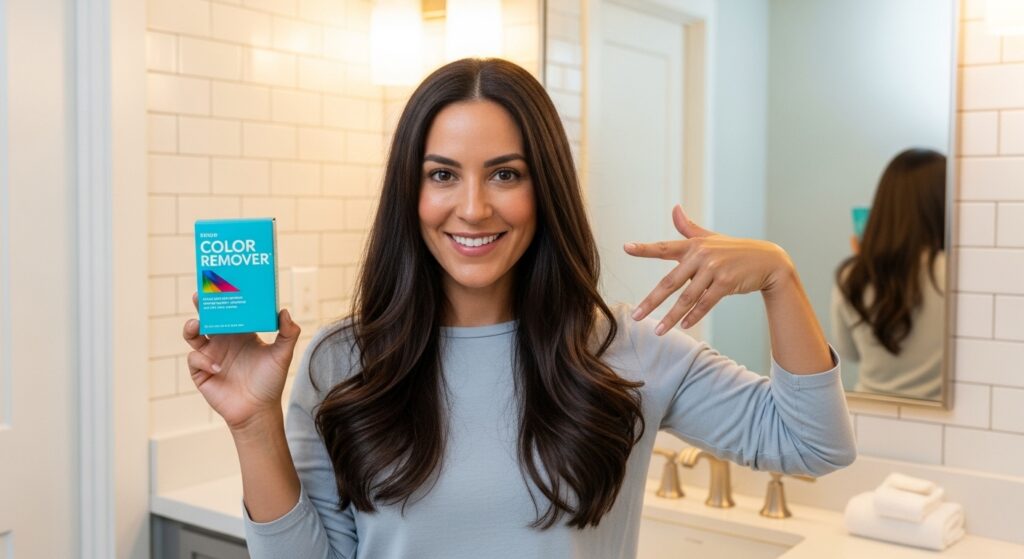
In the battle of color remover vs bleach, the “safer way to lighten” is clearly leaning towards color remover whenever it is a viable option. Its targeted, less-destructive chemical process preserves the strength and integrity of your hair, giving you a healthier canvas for your next color adventure.
Bleach remains an indispensable, powerful tool in the hair color world, but it should be treated with respect and used strategically, not as a default. By understanding the distinct roles these products play, you can move away from the one-size-fits-all approach of reaching for the bleach bottle and instead make smart, informed decisions that your hair will thank you for in the long run.