Crowns 21 Labyrinth Maze Cornrows Complex Navigating Boldly Cultural
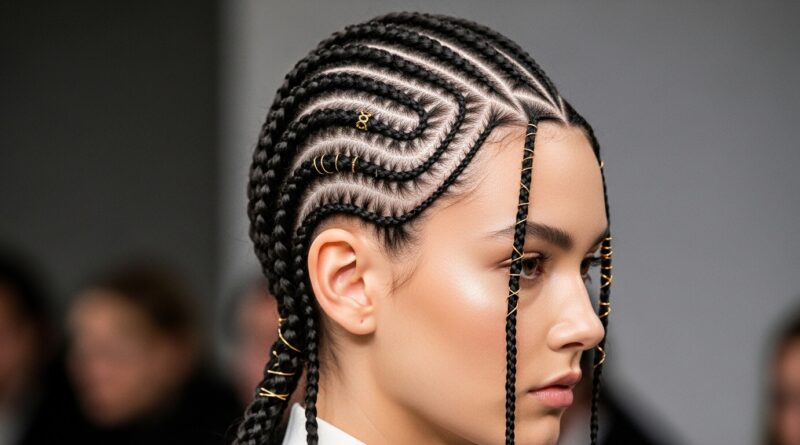
Okay, let’s talk about something that stopped me mid-scroll this week. I saw a picture of these absolutely stunning, intricate cornrows woven into a literal maze pattern—it was art. And the caption called it a “crown labyrinth.” It hit me all at once: the boldness, the cultural significance, the sheer skill.
But I also know that feeling of seeing a complex style and thinking, “That’s incredible, but where do I even start?” Is it for me? How do I ask for it? How do I care for it?
That’s what we’re doing today. We’re navigating this beautiful, bold world together, breaking it down into something approachable. Whether you’re here for inspiration or practical steps, I’ve got you. Let’s get into it.
What Are Crown Labyrinth Cornrows?
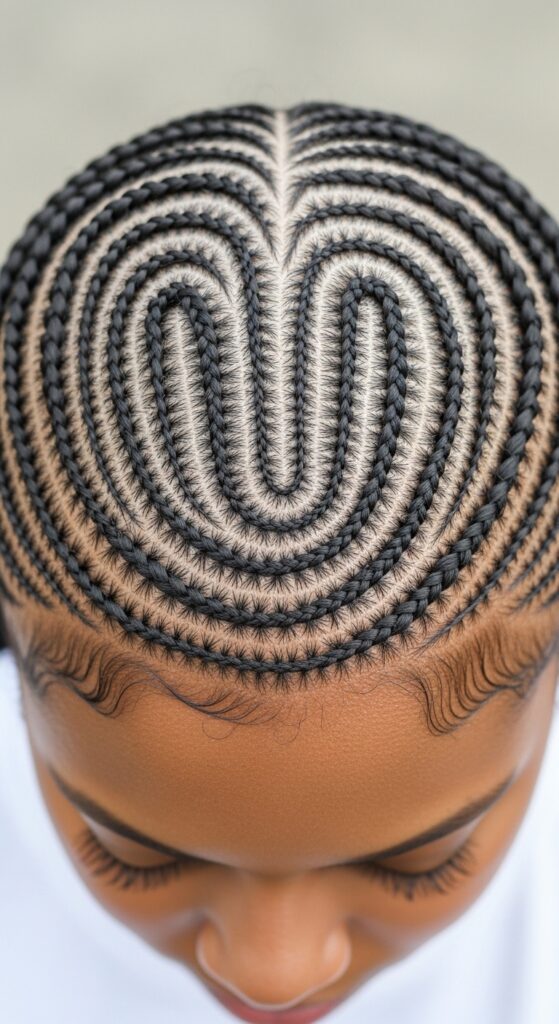
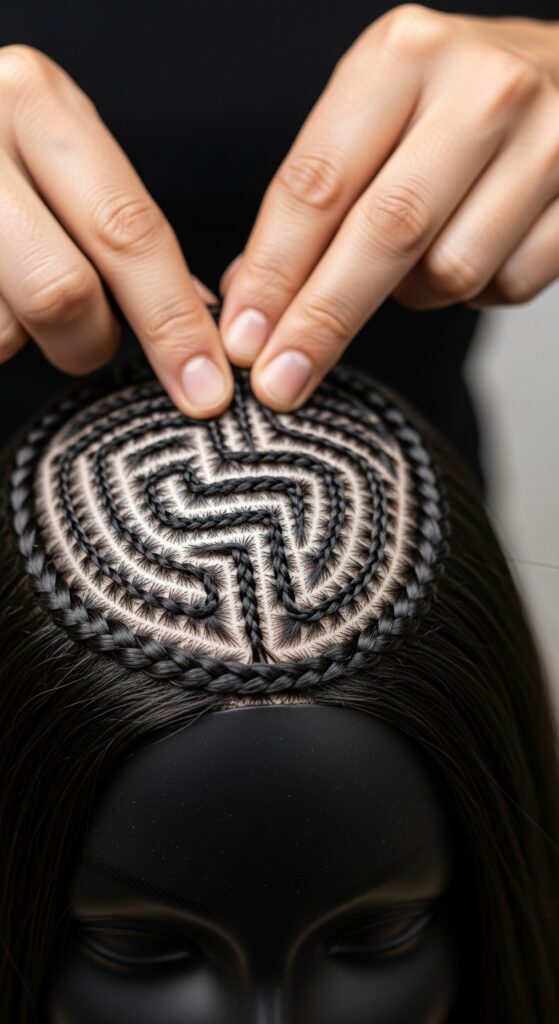
Think of them as the ultimate expression of braiding as an art form. Moving beyond simple straight-back styles, these cornrows incorporate complex, interlocking patterns that often resemble mazes, geometric shapes, or symbolic designs right on your scalp.
They’re called a “crown” for a reason. The style frames the face, draws the eye upward, and makes a powerful, elegant statement. It’s wearable art that celebrates a rich braiding heritage while pushing creative boundaries.
The Deep Cultural Roots You Should Know
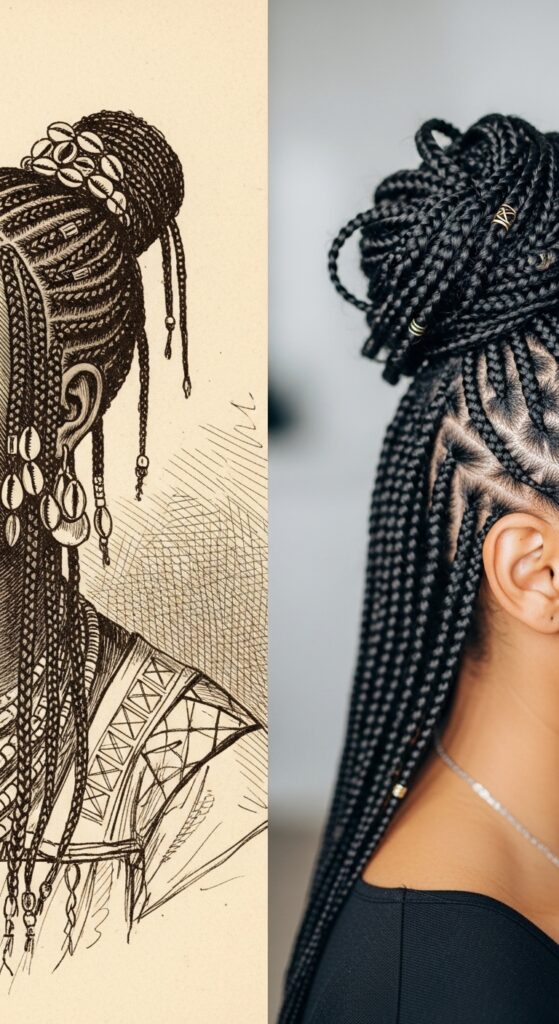
This isn’t just a new trend. It’s a modern evolution of ancient African braiding traditions. For centuries, braiding patterns have served as maps, markers of social status, community affiliation, and even spiritual symbols.
When you choose a style like this, you’re engaging with that history. It’s about appreciating the craft and the cultural weight it carries. Understanding this root makes wearing and admiring the style so much more meaningful.
Is This Style Right For You? Let’s Talk Honestly.
Complex cornrows require length and a certain hair texture to hold the detailed parts and braiding securely. They also require a significant time commitment—we’re talking several hours in the salon chair.
But “right for you” also means mindset. It’s a bold look. It asks for attention and sparks conversation. If you’re ready to wear a masterpiece and explain its beauty, then absolutely, it’s for you.
Finding Your Braiding Artist: The Key Step
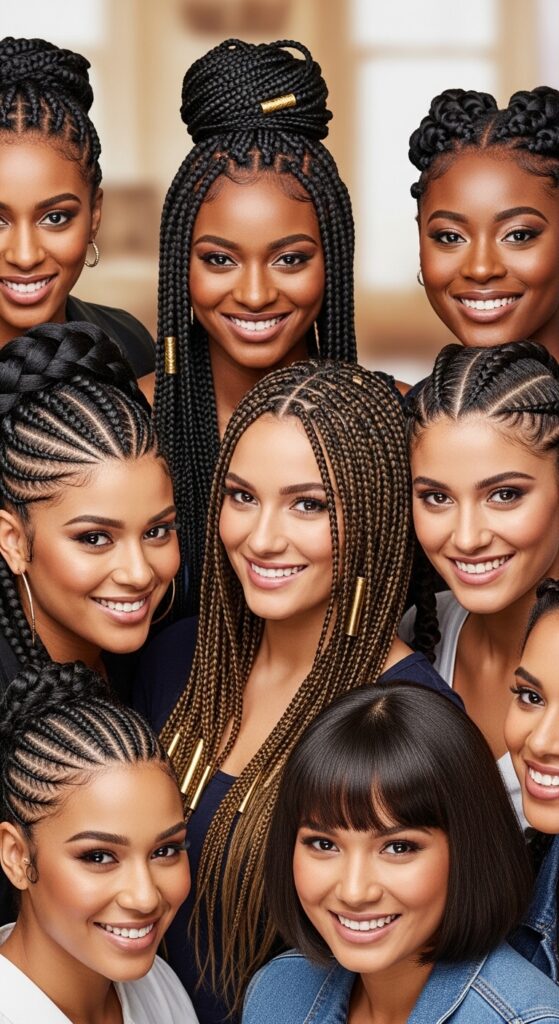
Do not trust this to just anyone. This is specialist work. You need a braider whose portfolio shows similar complex, pictorial work. Look for clean, sharp parts and consistent, tight braiding.
- Search Instagram and Pinterest using tags like #crownbraids, #complexcornrows, and your city name.
- Always, always book a consultation first. Show them your reference pictures.
- Discuss pricing upfront—this is detailed artistry and should be priced accordingly.
Your Must-Have Consultation Questions
Walking into that consultation prepared is how you get the results you dream of. Don’t be shy—this is a collaboration.
Ask: “How long will this specific design take?” “What is the total cost?” “How should I prepare my hair for the appointment?” “What is your policy on touch-ups if a braid loosens?” Getting clear answers builds trust.

Prepping Your Hair Before the Appointment
Come to your appointment with clean, thoroughly detangled, and deeply conditioned hair. Do not apply heavy oils or butters that can cause slippage.
Your braider will likely want your hair blown out or stretched for maximum ease. Confirm their preferred prep. Showing up ready is the best way to ensure a smooth process and longer-lasting style.
Navigating the Salon Day: What to Expect
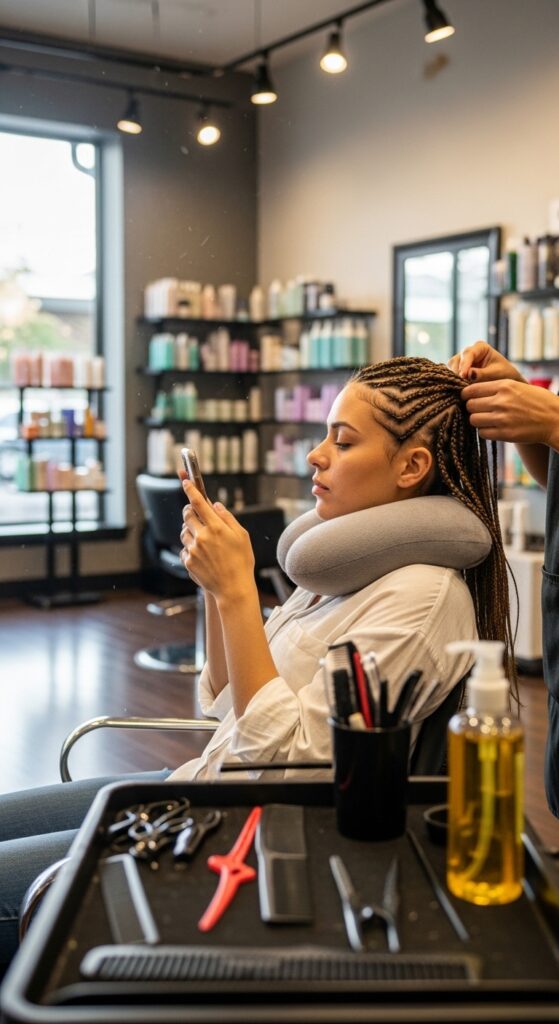
Set aside a full day. Seriously. For a full-head labyrinth design, 6-10 hours is common. Bring headphones, a charger, snacks, and water. Wear a comfortable, button-up top so you don’t have to pull anything over your head afterward.
There will be moments of discomfort—your scalp isn’t used to this. Communicate with your braider if you need a quick stretch break. It’s a marathon, not a sprint.
Aftercare: Protecting Your Investment
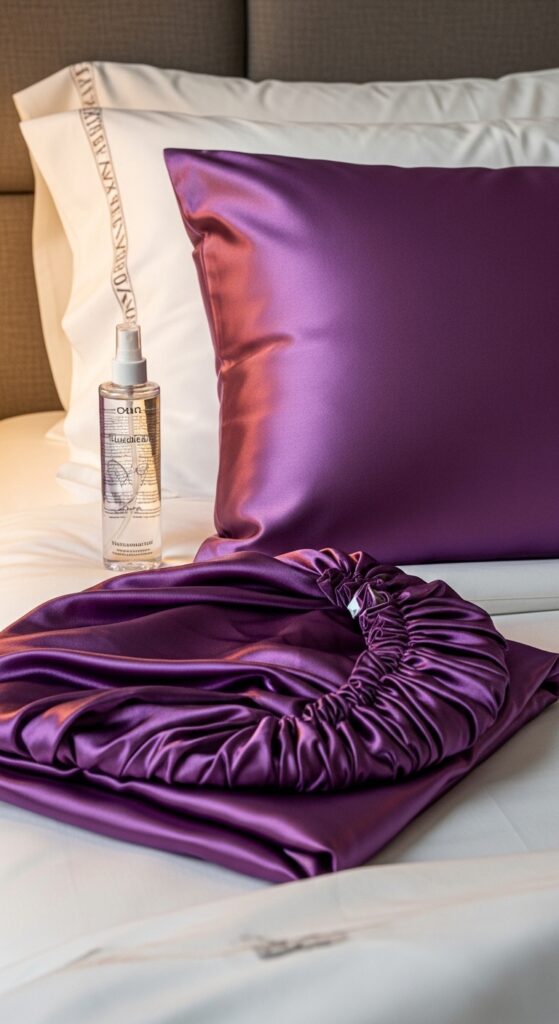
Your job starts when you leave the salon. Sleep on a satin or silk pillowcase, or use a satin bonnet. This minimizes friction and frizz.
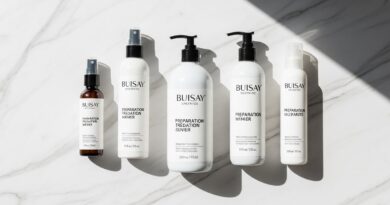
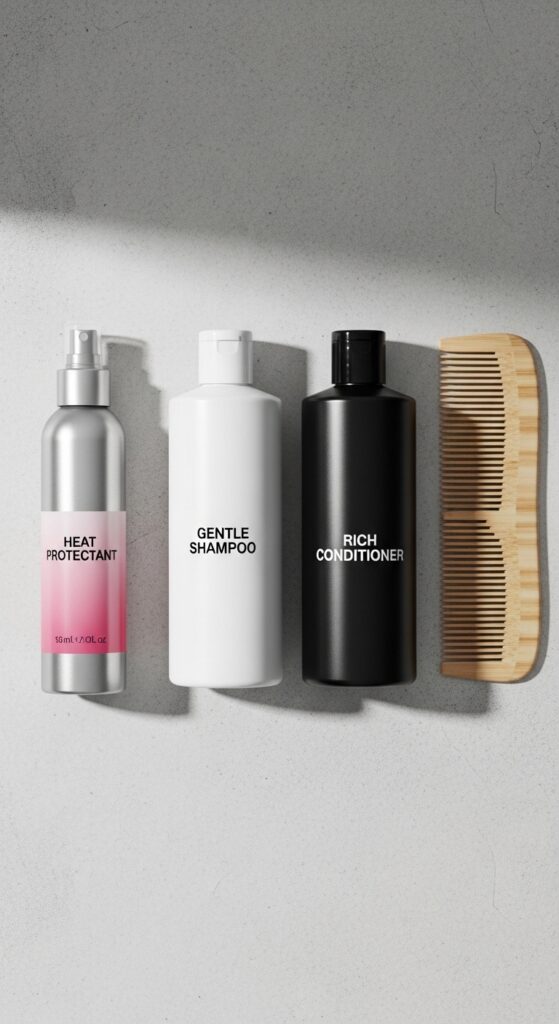
Gently cleanse your scalp every 1-2 weeks with a diluted shampoo applicator bottle. Keep your scalp moisturized with a light, non-greasy spray. Your braids are not a pick-up handle—avoid constant touching.
Styling Your Crown: Accessorizing the Art
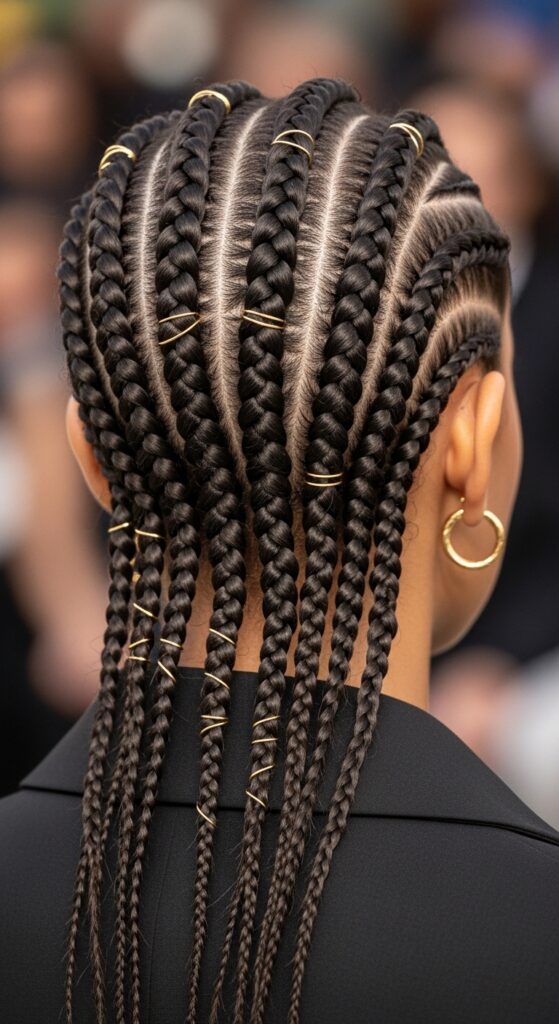
The beauty is in the pattern, so you often don’t need much. But a little sparkle can be stunning. Use thread-in gold or silver cuffs, or delicate beads at the ends of braids.
For a bolder look, try wrapping thin, colorful threads around specific braids in the pattern to make sections pop. Less is usually more here.
How Long Will They Last? Realistic Expectations
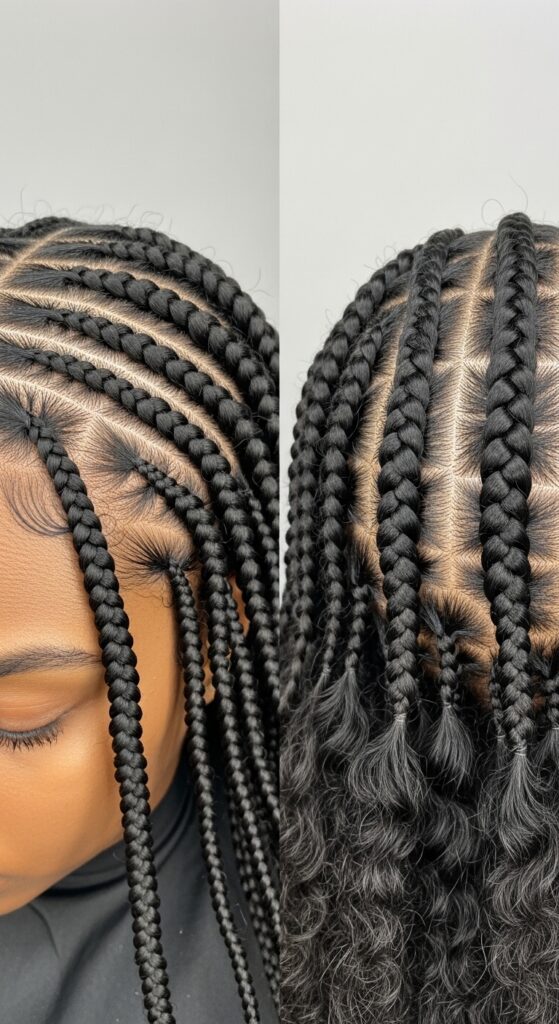
With perfect care, complex cornrows can last 4-6 weeks. Pay attention to your new growth and the integrity of the braids. When they start looking fuzzy at the roots or feel loose, it’s time for a takedown.
Do not leave them in for months. This can lead to matting and breakage at the demarcation line where the braid starts. Respect your hair’s health first.
The Gentle Take-Down Process
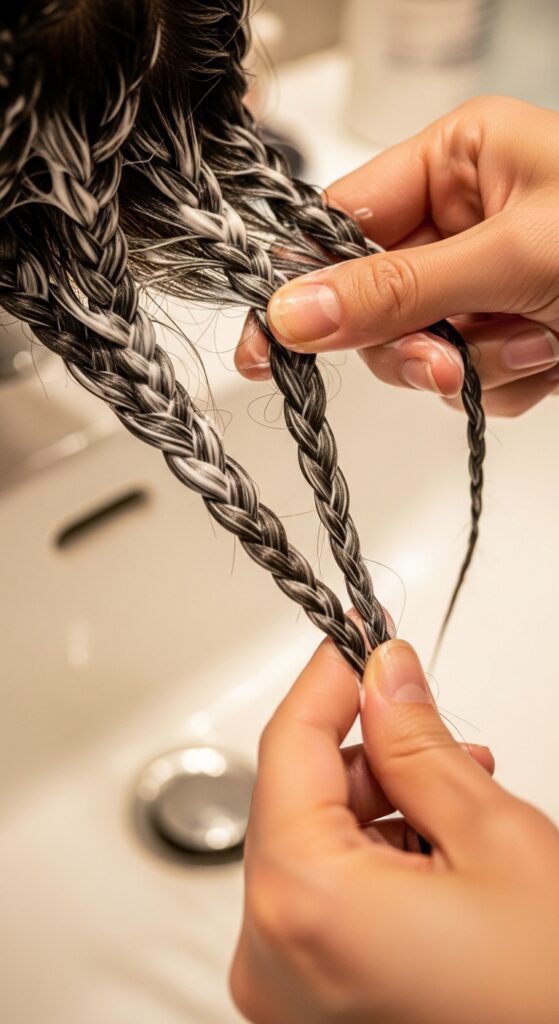
Block out a few hours for this. Be patient. Use a tail comb or your fingers to carefully loosen the end of each braid, then work upward with a slip-enhancing conditioner or oil.
- Start with the last braid done (usually the nape).
- Slowly unravel, detangling small sections as you go.
- Once all braids are out, gently detangle and give your hair a deep, restorative treatment.
Post-Braid Hair Care: The Recovery
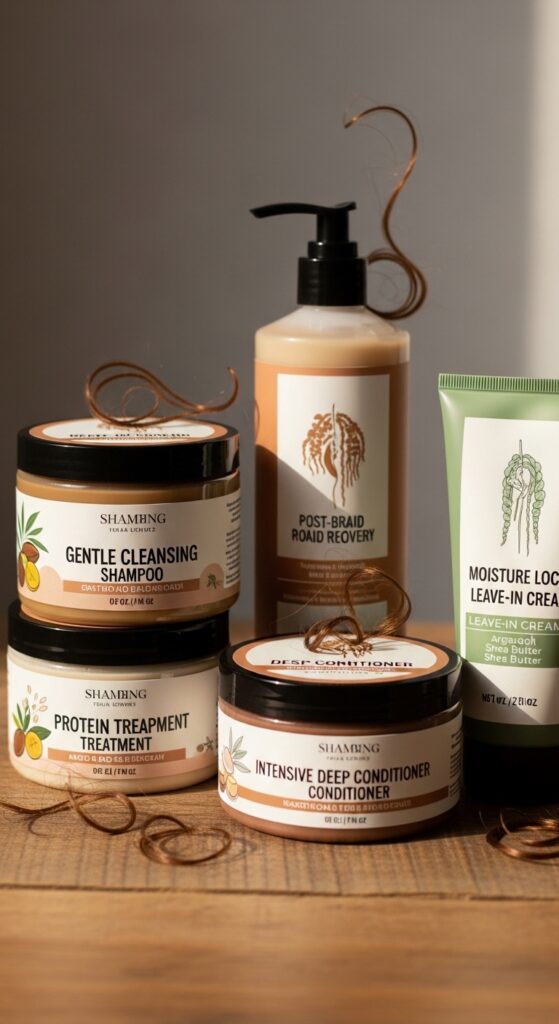
Your hair and scalp need TLC after being in a protective style. Focus on moisture and protein balance. A clarifying shampoo followed by a deep conditioning mask is a great start.
Give your hair a break from tension. This is a perfect time for low-manipulation styles like a chic asymmetrical lob wig or simply wearing your natural texture out if you can.
Beyond the Maze: Other Bold 2026 Hairstyles
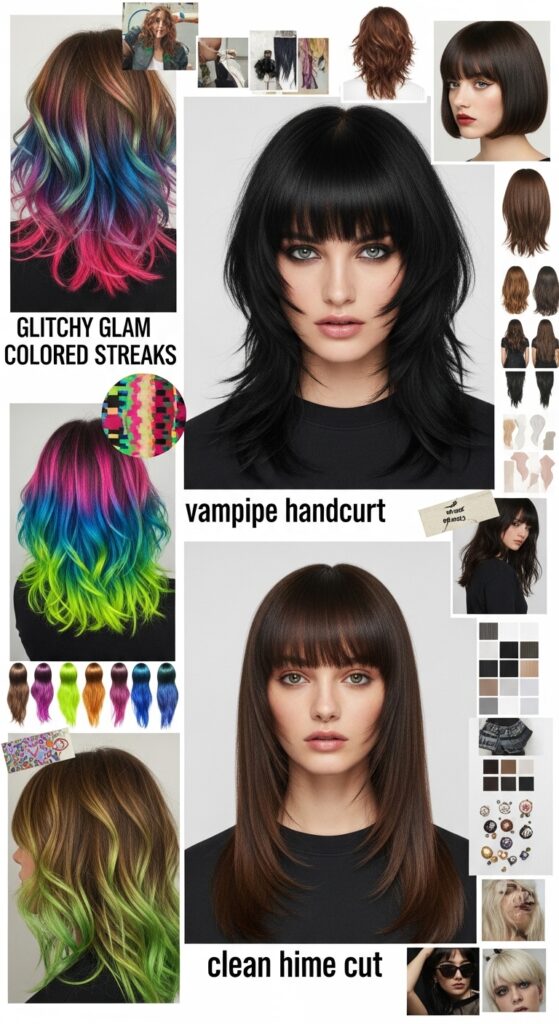
Loving this bold energy? It’s everywhere for the coming year. The vampire haircut (that sharp, shaggy mullet) is all about dark romance. Glitchy glam hair uses contrasting colors and unexpected chunks for a digital feel.
And for a different kind of statement, the hime cut (straight across front strands with long back hair) is a graphic, beautiful choice. Bold is the mood.
The Quiet Luxury Counterpoint
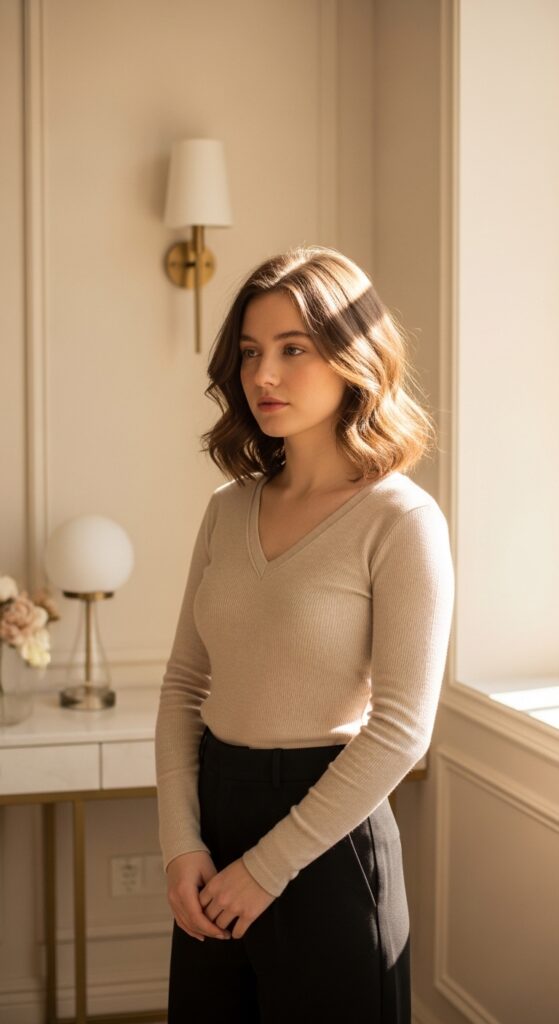
Maybe full-on labyrinth isn’t your daily vibe, and that’s cool. The “quiet luxury” wave is about impeccable, healthy hair with perfect cuts. Think of the quiet luxury bob—blunt, glossy, and movement-perfect.
It’s the “old money hair” aesthetic: effortless, expensive-looking, and never overdone. Sometimes the boldest statement is supreme simplicity.
Mixing Your Moods: Romantic Goth Influence
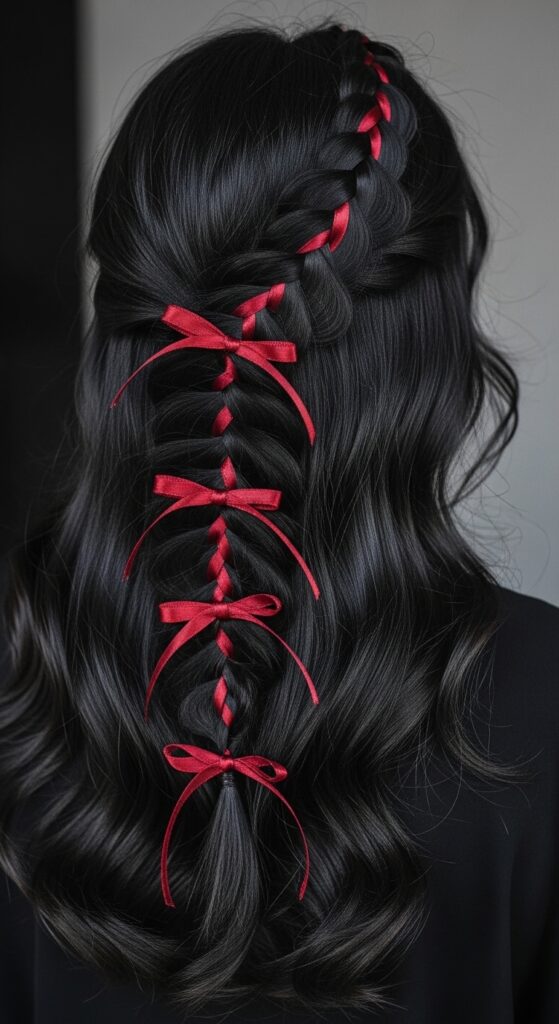
Why choose one vibe? The romantic goth hairstyles trend is huge. Imagine a crown braid but with deep velvet ribbons woven in, or soft, face-framing braids against flowing dark hair.
It’s about texture, a touch of drama, and poetic detail. This is a great way to add a labyrinth-inspired small braid into your everyday look.
Protective Styling Is Self-Care
Let’s reframe this. Spending a day in the salon isn’t just about beauty; it’s dedicated time where you can’t do anything else. It’s a pause. Protective styles like these give your hair a break from daily manipulation.
It’s a practical choice that allows your natural hair to grow and retain length while you rock stunning art. That’s a win-win.

Answering the “Can Anyone Wear It?” Question
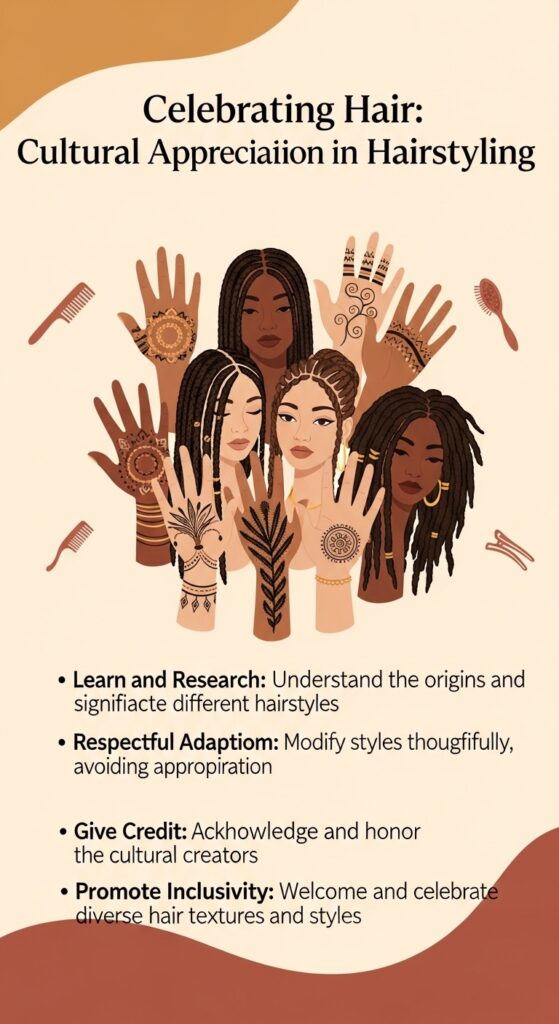
This is important. While the artistry can be appreciated by all, it’s crucial to understand this style comes from a specific cultural context. If it is not part of your heritage, approach with respect, not entitlement.
Appreciate the skill, compensate the artist fairly, and be ready to honor its roots in conversation. Cultural appreciation, not appropriation, is key.
DIY? Proceed With Extreme Caution.
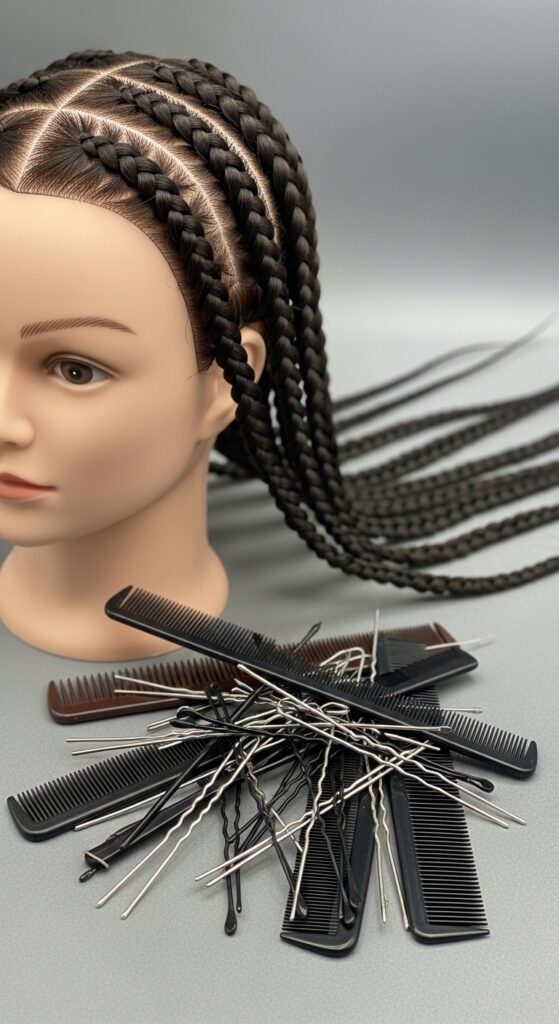
I’m all for a good DIY, but this is advanced-level. Attempting complex cornrows on yourself often leads to uneven tension, unclear patterns, and frustration.
If you want to practice, start with basic straight-back cornrows on a mannequin head. For a true crown labyrinth, investing in a professional is non-negotiable for the best, healthiest result.
Cost Breakdown: Why It’s Worth It
Let’s be real: this is an investment. Prices vary wildly by location and artist reputation, but expect a range from $300 to $800+ for a full, complex design.
When you break down the cost per hour of the artist’s intense labor and skill, it makes sense. You’re paying for wearable art and expertise. Save up for the right person.

My Final Pep Talk For You
If you’ve been circling this idea, I hope this gave you the map. Bold hair choices are about more than looks—they’re about how you want to feel in the world. They’re a form of self-expression and confidence.
Whether it’s this exact crown or another style that speaks to you, be brave with your beauty. You deserve to feel like a masterpiece.
So, that’s the full journey—from that first inspiring scroll to maintaining your crown. I hope it felt less like a maze and more like an exciting path you can actually walk down.
The world of hair is so vast and fun right now, from the boldest braids to the simplest old money hair vibes. There’s a style for every version of you waiting to be tried.
Did this help? Save this post to Pinterest to keep this guide handy! And tell me in the comments—are you dreaming of a crown labyrinth, or is there another 2026 hairstyles trend you’re obsessed with? Let’s chat!