Ecaille: French Tortoiseshell Coloring Technique
In the ever-evolving world of hair color, trends come and go with the seasons. Yet, some techniques possess a timeless elegance that transcends fleeting fashions. Enter Ecaille (pronounced ay-kahy), the French-inspired tortoiseshell coloring method that is less of a stark trend and more of a quiet revolution in natural-looking dimension. Unlike uniform highlights or a solid block color, Ecaille mimics the rich, intricate, and warm patterning of a tortoiseshell, creating a deeply personalized and sun-drenched effect that appears as if you’ve spent a lifetime in the Mediterranean sun.
What is Ecaille? Decoding the Tortoiseshell Analogy
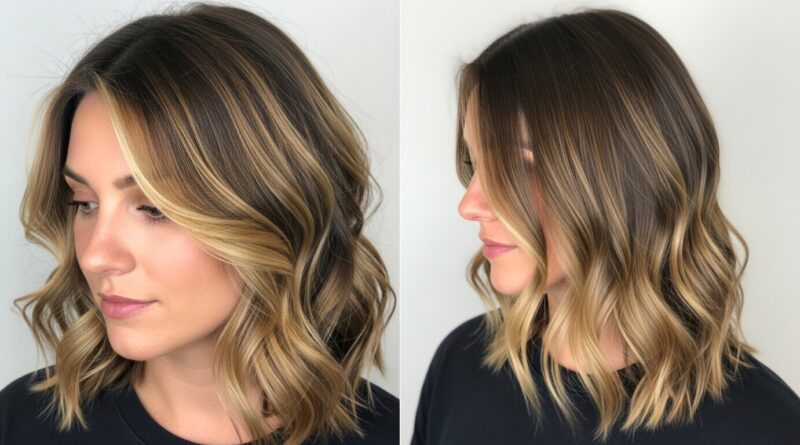
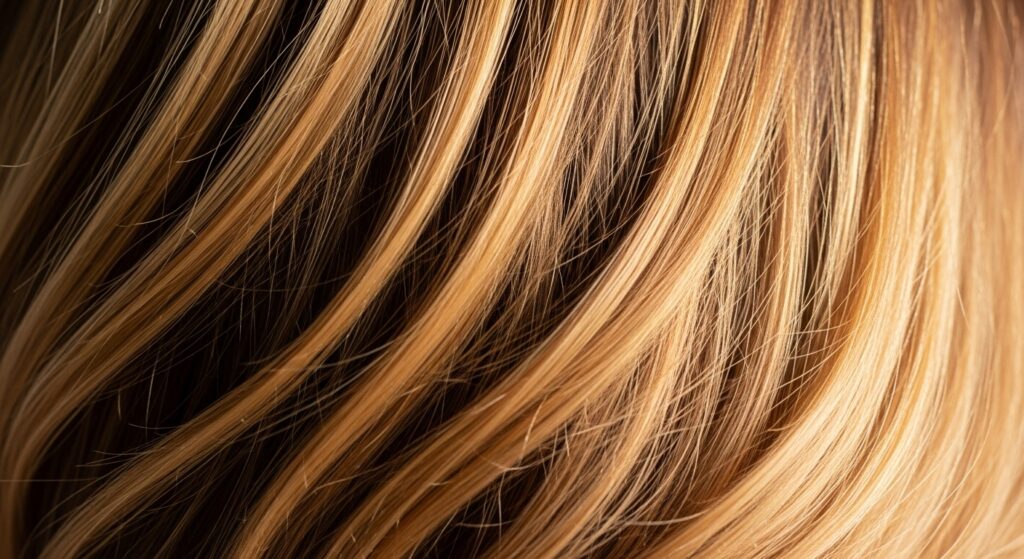
At its core, Ecaille is a freehand highlighting and lowlighting technique designed to replicate the organic, marbled effect found on a tortoiseshell or the shell of a turtle. The word itself is French for “shell.” Rather than focusing on uniform streaks or a solid overall color, a skilled colorist paints on multiple shades from the same warm, earthy family.
The magic lies in the blending and placement. Think of the colors not as separate stripes, but as interlocking pieces of a puzzle. Deep, rich browns (the lowlights) form the base, mimicking the darker parts of a shell. These are then interlaced with strands of medium caramel and chestnut, and finally, accented with the lightest, sunniest hues of honey and amber. The result is a fluid, non-linear pattern that avoids any harsh lines or obvious regrowth. The goal is a color that looks inherently natural, as if it were your own, just enhanced by years of perfect sunlight.

A Brief History: From Objets d’Art to Hair Art
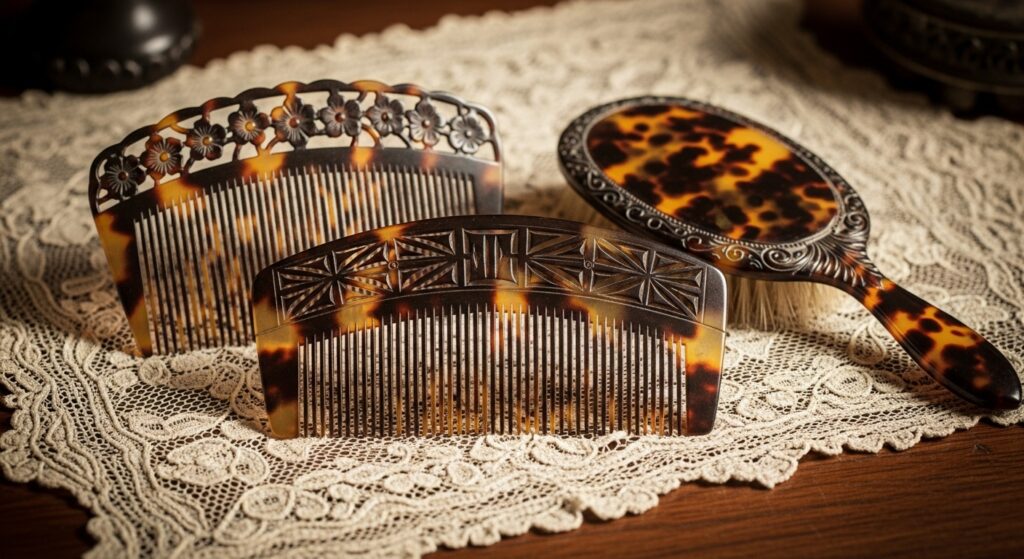
While the technique has surged in global popularity recently, its roots are deeply embedded in a classic approach to beauty. The inspiration, as the name suggests, comes from the prized material of tortoiseshell used in luxury items like vintage combs, eyewear frames, and jewelry, particularly during the 17th and 18th centuries in Europe. This material was celebrated for its unique, fiery marbling of amber, brown, and gold.
French colorists, renowned for their championing of “lived-in color” that grows out gracefully, adapted this visual concept to hair. They moved away from the strict, structured highlighting of the past and towards a more artistic, painterly method. Ecaille sits beautifully within the family of French techniques like balayage (sweeping) and sombre (soft ombre), but it is distinct in its specific commitment to a warm, shell-like palette and its masterful combination of both light and dark tones.
The Ecaille Process: How Colorists Create the Magic
Achieving an authentic Ecaille effect is an art form that relies heavily on the skill and eye of the colorist. It is typically a custom-blended, freehand service. Here’s a breakdown of what the process usually entails:
1. Consultation and Color Mapping: This is the most crucial step. A good colorist will assess your natural base color, skin tone, and eye color to select a bespoke palette of 3-5 shades that will complement you perfectly. They will “map” where the different tones should be placed to frame your face and enhance your haircut.
2. Freehand Application: Unlike using foils for precise, all-over lightening, Ecaille often utilizes a balayage-style painting technique. The colorist hand-paints the lighter hues onto selected sections, focusing on the mid-lengths and ends, and often leaving the roots darker for a soft grow-out. Crucially, they will also weave in slightly darker (lowlight) tones to create the necessary depth and contrast that defines the tortoiseshell look.
3. Processing and Toning: After the lightener is applied, it processes to lift the hair to the desired golden level. It is then rinsed. A toner is almost always applied afterward to neutralize any unwanted brassiness and to perfect the blend of warm shades, ensuring the honey, caramel, and amber tones are pure and vibrant.
4. The Cut and Style: Ecaille color comes to life with the right cut. Layers, shags, or textured ends help to showcase the multidimensional color, allowing the different tones to peek through from various angles. The final style is often loose, natural waves that maximize the play of light on the color.

Why Choose Ecaille? The Benefits of This Technique
So, what makes Ecaille stand out in a sea of highlighting options? The benefits are compelling, especially for the modern individual seeking both beauty and practicality.
Unmatched Natural Dimension: It creates the most believable, multi-faceted color possible. It doesn’t look “done,” it looks enhanced.
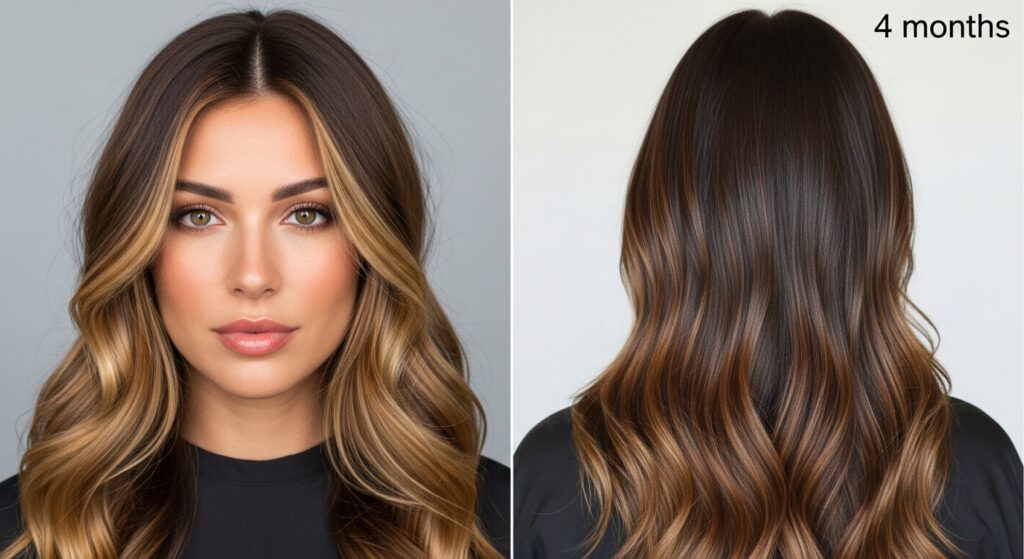
Exceptionally Low Maintenance: Because the technique avoids a stark root line and integrates darker tones at the roots, grow-out is soft and gradual. You can often go 4-6 months between salon visits without it looking unkempt.
Universally Flattering: The warm, golden palette is tailored to suit the individual. Whether you have a cool or warm skin tone, the shades can be adjusted (more honey vs. more chocolate) to make your complexion glow and your eyes sparkle.
Hair Health Friendly: Since the lightener is typically not applied heavily at the roots and is painted on selectively, it can be less damaging than a full head of traditional highlights. It also avoids the “banding” effect that can occur with frequent foil touch-ups.
Ecaille vs. Balayage: Understanding the Key Difference
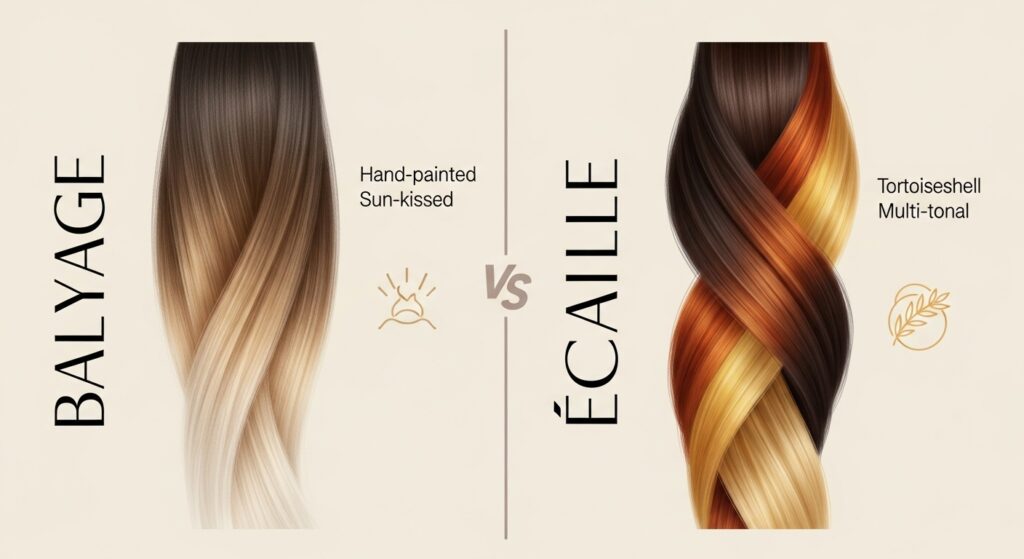
It’s easy to confuse Ecaille with its popular cousin, balayage. While they are related, there is a distinct difference. Balayage refers specifically to the application technique—the act of hand-painting color onto the hair’s surface. It can be used to create many looks, from beachy blonde to pastel fantasy colors.
Ecaille, however, refers to the specific color result and palette. It is the tortoiseshell effect. You can achieve an Ecaille look using a balayage application method, but not all balayage is Ecaille. Ecaille is always warm, always multidimensional with both highlights and lowlights, and always inspired by that organic, shell-like marbling.
Bringing Ecaille to the Salon: How to Talk to Your Colorist
To ensure you get the true Ecaille result, communication with your colorist is key. Don’t just ask for “tortoiseshell highlights.” Come prepared.
Use descriptive language: Say, “I’m interested in the Ecaille technique—a tortoiseshell effect with woven highlights and lowlights in warm tones like honey, caramel, and chestnut. I’d like it to be very natural and low-maintenance, with a softer root.”
Bring visual references: Collect 3-4 images that show the color from different angles and in different lights. Point out what you like in each one (e.g., “I love the depth of the lowlights in this picture,” or “I want my face-framing pieces to be this honey shade”).
Discuss your lifestyle: Be honest about how often you can commit to salon visits. This helps your colorist tailor the contrast level and root shade to your maintenance schedule.

Caring for Your Ecaille Color at Home
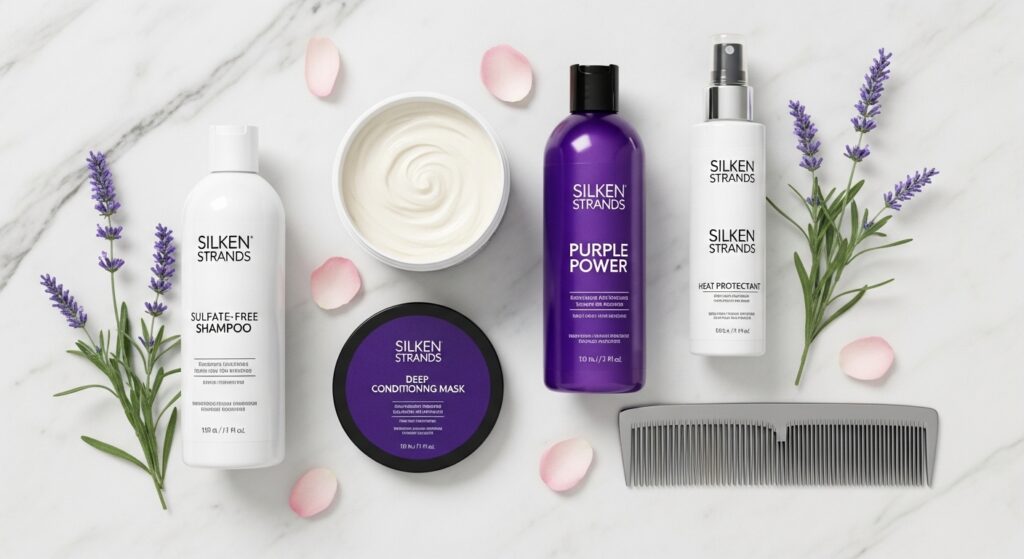
Preserving the beautiful warmth and dimension of your Ecaille color requires a dedicated at-home care routine. The right products will prevent fading and brassiness.
Invest in Color-Safe & Sulfate-Free Shampoo: This is non-negotiable. Sulfates strip color and natural oils. Look for formulas designed for color-treated or highlighted hair.
Use a Toning or Purple Shampoo Strategically: To combat brassiness and keep those golden tones clean, use a purple or blue shampoo once a week (or as needed). Purple neutralizes yellow, while blue neutralizes orange. Don’t overuse it, as it can dull the warmth.
Deep Condition Regularly: Hand-painted lightener can be drying. Use a deep conditioning mask or bond-building treatment weekly to maintain hair strength, shine, and suppleness.
Embrace Heat Protectant: Always apply a heat protectant spray before using hot tools. The shine from healthy, protected hair will make your Ecaille color look even more vibrant.
Conclusion: The Timeless Appeal of Lived-In Color
Ecaille is more than just a hair color trend; it is a testament to the beauty of subtlety and sophistication. It represents a shift towards personalized, artistic color that celebrates dimension and warmth over uniformity. By mimicking the masterful artistry of nature itself, this French tortoiseshell technique offers a wearable, flattering, and remarkably low-fuss path to stunning hair.
It’s the ideal choice for anyone who desires a change that feels like an evolution, not a revolution—a color that looks like the very best version of you, kissed by the sun and crafted with a Parisian eye for effortless elegance. So, if you’re seeking depth, warmth, and a break from the high-maintenance color cycle, ask your colorist about Ecaille. Your journey to truly multidimensional, shell-inspired hair begins now.