Eco Braiding Tools Guide for Sustainable Hair Care
Hey friend. Let’s be real. We all want those gorgeous, intricate braids that look straight off a Pinterest board. But have you ever stopped to think about what your styling tools are made of? I didn’t, for the longest time.
I was just grabbing whatever plastic clips and elastics were at the drugstore. Then I learned how much waste the beauty industry creates, and it hit me. My hair routine needed a green makeover, starting with the little things.
Switching to eco-friendly braiding tools isn’t about being perfect. It’s about making smarter, more conscious choices that are better for your hair and the planet. And guess what? The options out there are actually beautiful and work even better than the cheap stuff.
This guide is your no-stress starter kit. We’re breaking down the best sustainable swaps for every braid, from a simple three-strand to the most elaborate 2026 hairstyles. Let’s build a prettier, greener toolkit together.
Why Plastic Hair Ties Are a Problem
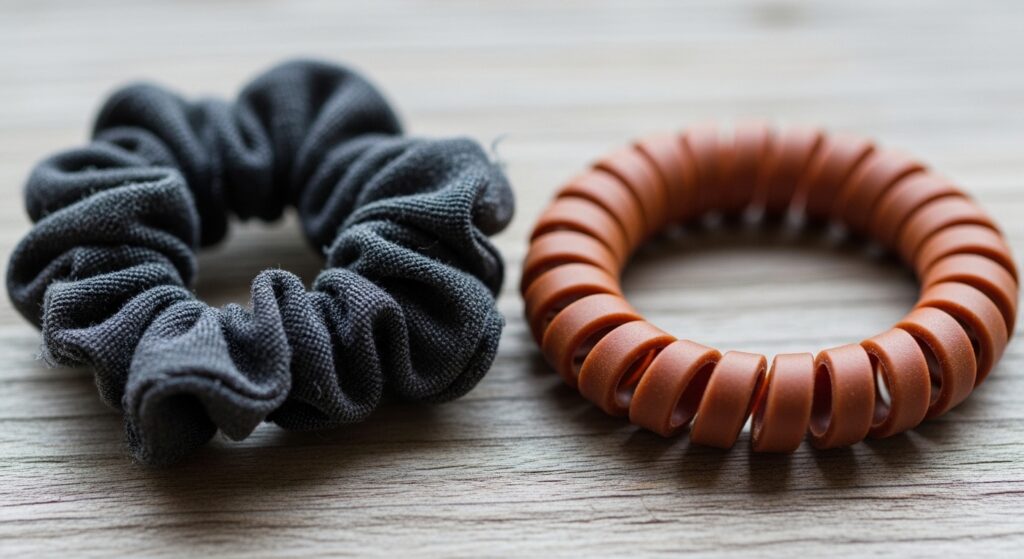
We’ve all been there. You snap a plastic hair tie, toss it, and grab another. It feels tiny and insignificant. But multiply that by millions of people, every single day. That’s a massive amount of waste that won’t break down for centuries.
Beyond the landfill issue, cheap plastic elastics are terrible for your hair. They snag, pull, and cause breakage. They lose their stretch quickly, creating more trash. It’s a lose-lose situation for your hairstyle and the environment.
Making the switch is one of the easiest wins in sustainable hair care. The alternatives are kinder to your strands and designed to last. Your future braids will thank you.
The Magic of Natural Rubber Elastics
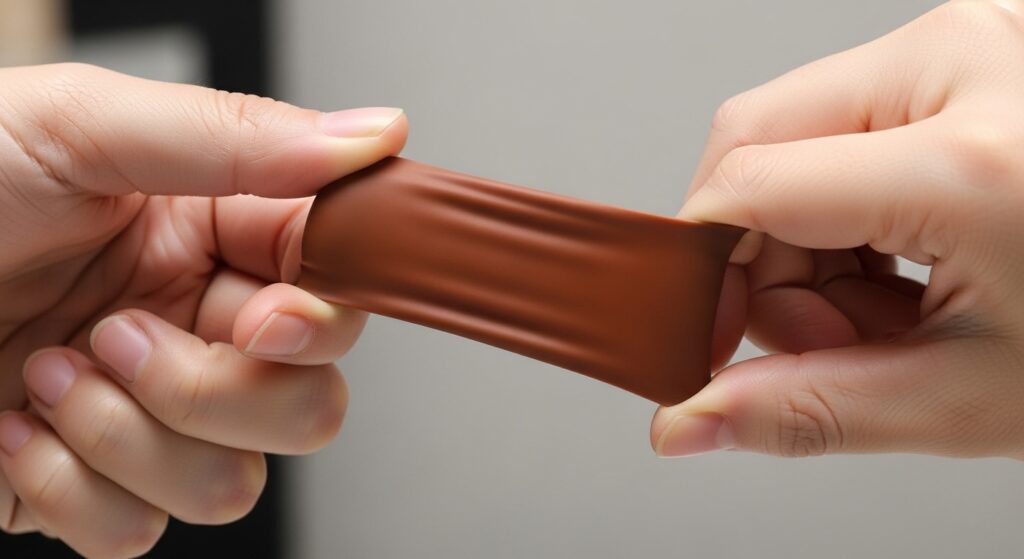
This is your new best friend. Natural rubber elastics, often coated in organic cotton, are a game-changer. They have a strong, smooth hold without biting into your hair. I find they cause way less creasing and damage.
Look for brands that use FSC-certified natural rubber and avoid synthetic blends. They are compostable at the end of their long life, breaking down much faster than plastic. Just snip them before composting.
They’re perfect for everything from a high ponytail to securing the end of a classic braid. I always have a few of these on my wrist. They’re the unsung heroes of sustainable styling.
Invest in Quality Seamless Bands
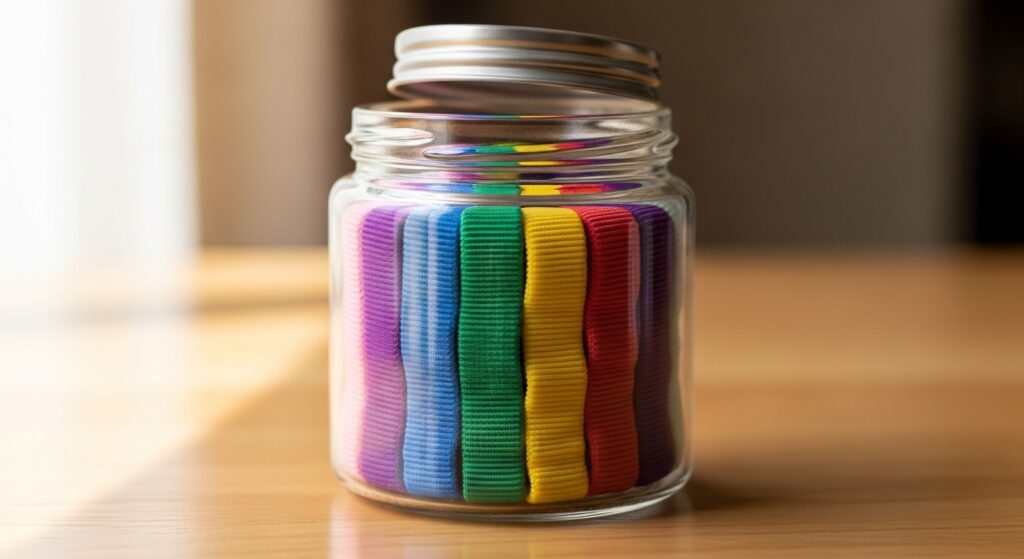
For those super delicate styles or fine hair, seamless fabric bands are a must. The best ones are made from recycled materials like plastic bottles or organic cotton. They have no metal clasp or sewn seam to catch and tear your hair.
Because they’re so gentle, they’re ideal for securing the ends of braids on wet hair or creating soft, romantic styles. They help maintain that “quiet luxury bob” vibe by avoiding dents when you take your hair down.
Yes, they cost a bit more than a pack of 100 for a dollar. But one of these can last for months with proper care, making them a worthwhile investment in your hair’s health.
Ditch Plastic for Wooden Hair Pins
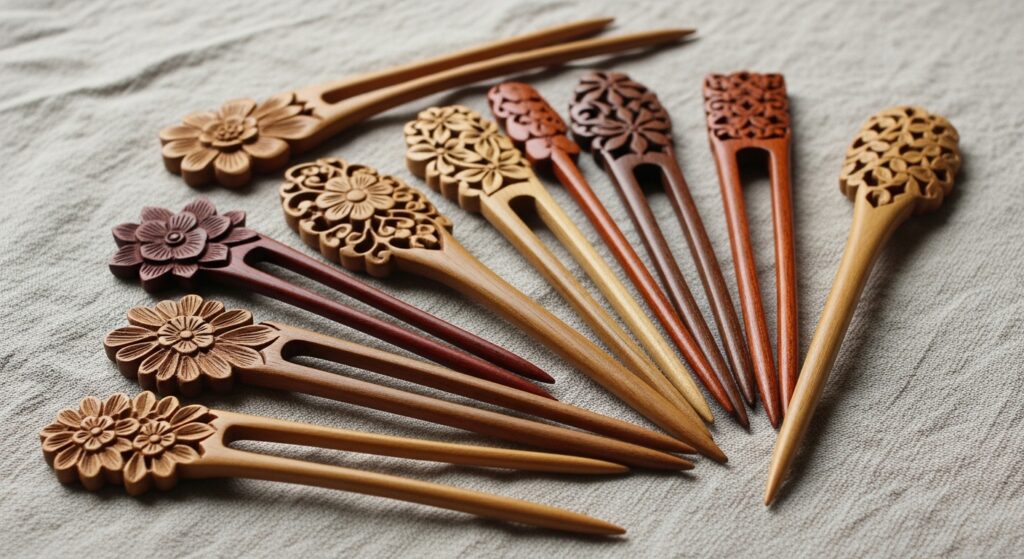
Bobby pins and snap clips are essential for intricate braiding, but their plastic versions are flimsy and wasteful. The sustainable upgrade? Pins made from bamboo or other fast-growing woods.
Bamboo is a fantastic renewable resource. Wooden hair pins and sticks are sturdy, have a beautiful natural finish, and provide a secure hold. They add an earthy, artistic touch to any hairstyle, from a messy bun to a detailed crown braid.
To care for them, just wipe them clean and keep them dry. They’ll last for years, becoming a cherished part of your styling toolkit. They make even a simple braid feel special.
Choose Bamboo Sectioning Clips
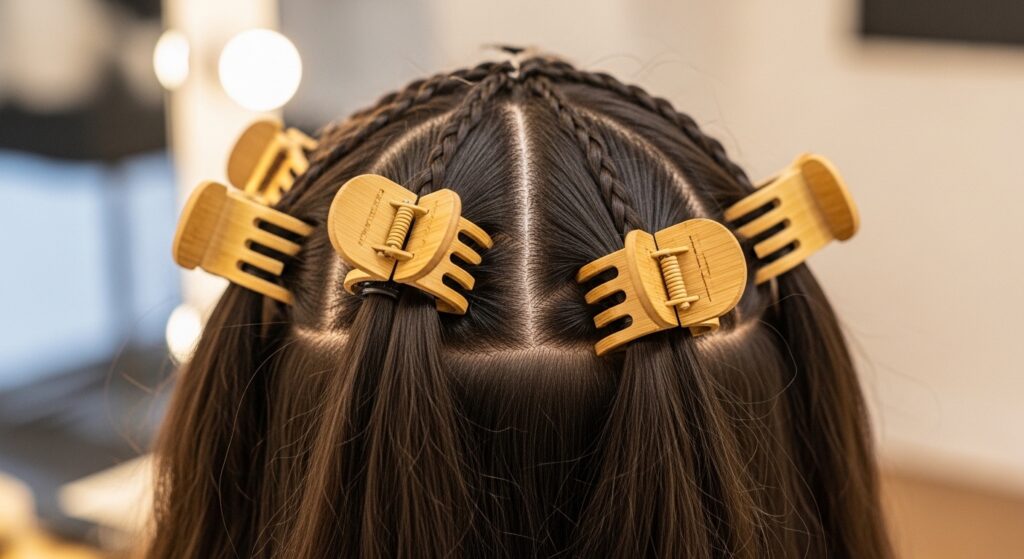
When you’re braiding, keeping sections separate is key. Those colorful plastic sectioning clips are convenient, but they crack and pile up in drawers. Bamboo sectioning clips are the sturdy, eco-friendly answer.
They have a strong grip that holds even thick hair securely without slipping. The bamboo is lightweight and feels good in your hand. Using them just makes the braiding process feel more intentional and calm.
Look for clips with a metal spring that’s easy to recycle. This small swap makes a big difference in reducing single-use plastic in your routine. They’re a braiding essential you’ll use every time.
Opt for a Boar Bristle Brush
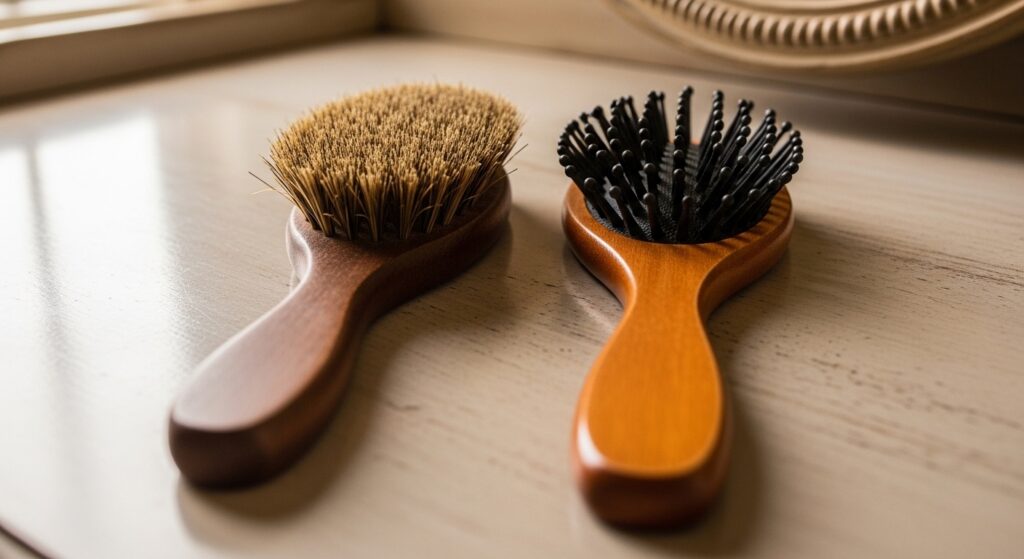
Before you even start braiding, you need to detangle. A brush with natural boar bristles is a superstar for sustainable hair care. It helps distribute your scalp’s natural oils down the hair shaft, adding shine and reducing the need for products.
Boar bristle brushes are often set in a wooden or bamboo handle, avoiding plastic entirely. They are excellent for smoothing hair before creating sleek styles, like an asymmetrical lob or an old money hair look that demands polish.
They do require a bit more cleaning than a plastic brush, but it’s worth it. Your hair will be softer, shinier, and perfectly prepped for any braid.
The Versatility of a Wide-Tooth Wooden Comb
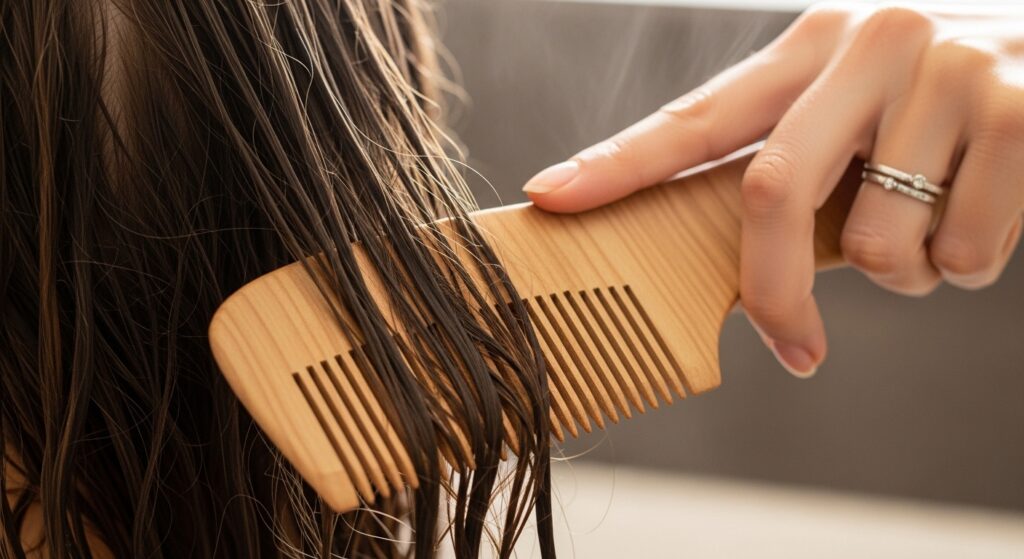
For wet hair or super curly textures, a wide-tooth comb is non-negotiable. A wooden or sandalwood comb is the ultimate eco-choice. It glides through hair with less static and breakage than plastic.
Wooden combs are also gentler on your scalp. They won’t cause micro-tears or irritation like cheap plastic seams can. This is your go-to tool for detangling before a braid or for encouraging beautiful, defined waves.
It’s a simple, beautiful object that elevates your daily ritual. I keep mine in the shower for applying conditioner and it’s lasted for years.
Styling with Linen or Silk Scrunchies
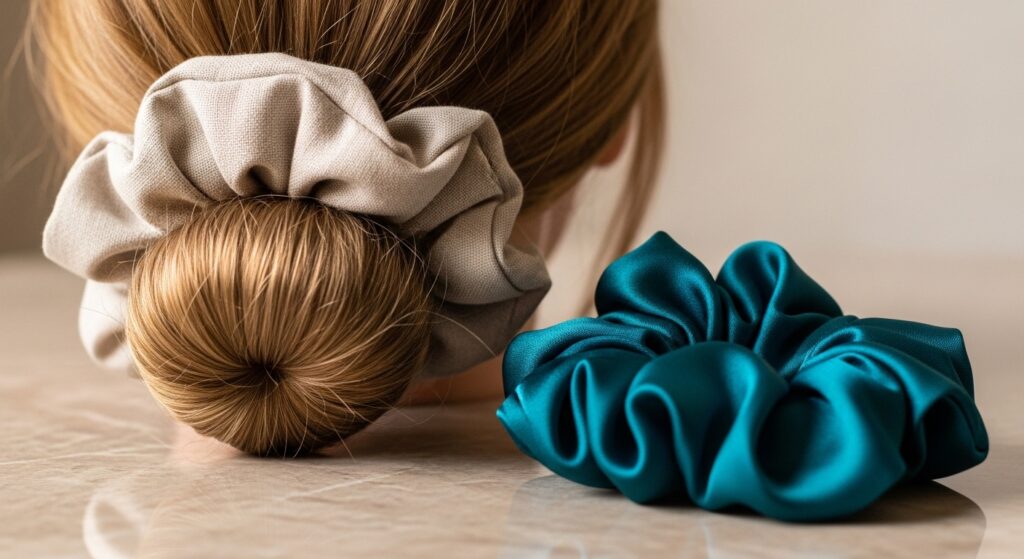
Scrunchies are back, and thank goodness! The sustainable versions made from linen, organic cotton, or deadstock silk are not only cute but functional. They provide a secure, gentle hold for thicker braids or buns.
Silk and satin scrunchies are especially great for protecting your hair while you sleep. They minimize friction, helping to prevent frizz and breakage. This is key for maintaining the health of any style, from glitchy glam hair textures to sleek bobs.
They add a pop of texture and color to your look. Tying off a braid with a beautiful linen scrunchie feels like the perfect finishing touch.
Secure Braids with Fabric Ribbons
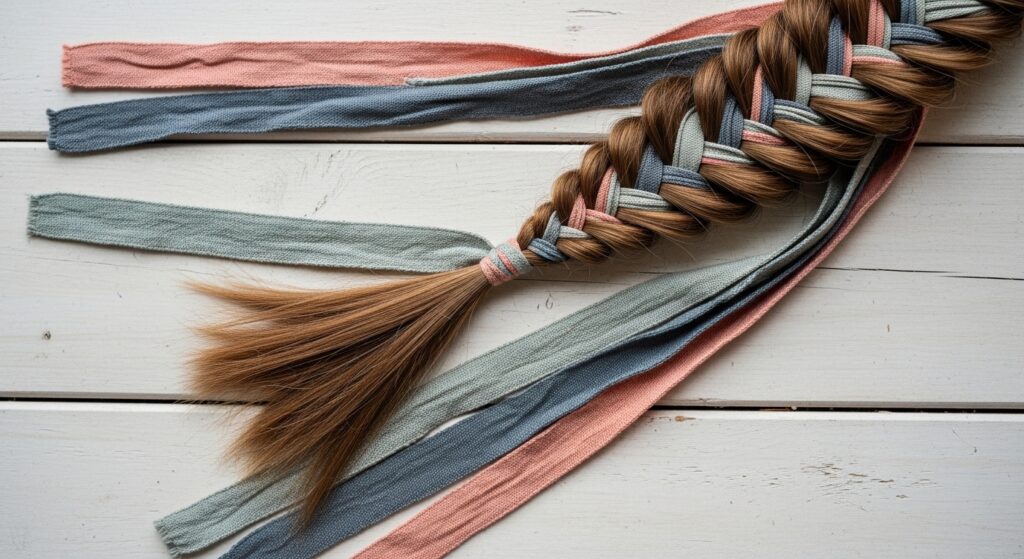
For a truly gorgeous, romantic finish, skip the elastic altogether. Use lengths of fabric ribbon made from natural fibers like cotton, linen, or silk. You can weave them into your braid or simply use them to tie off the end.
This technique is perfect for achieving romantic goth hairstyles or a soft, ethereal look. It adds color, movement, and a beautiful custom detail. It’s a zero-waste option if you use scraps from other sewing projects.
When you’re done, just untie the ribbon and roll it up for next time. It’s reusable, beautiful, and creates a totally unique hairstyle every time.
Try a Sustainable Edge Control & Brush Set
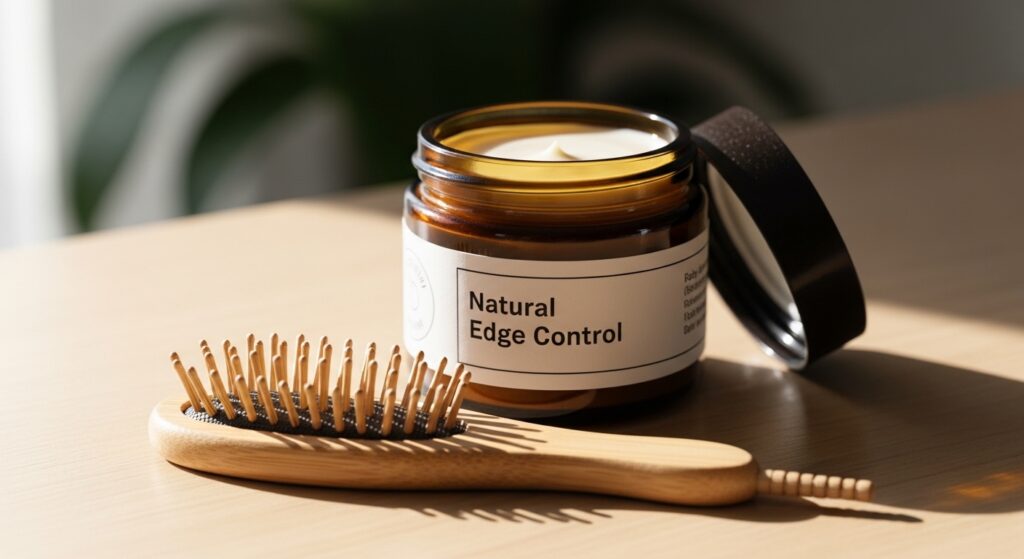
Those sleek, braided edges need the right tools, too. Many edge control gels come in plastic jars, but some indie brands now offer them in glass or aluminum with recyclable lids. Look for formulas with natural ingredients.
Pair it with a detailing brush made with a bamboo handle and natural bristles. This duo helps you create those sharp, polished lines without relying on a pile of disposable plastic products. It’s all about precision with a conscience.
This small step ensures every part of your braided style, from the big sections to the tiny baby hairs, aligns with your sustainable values.
Store Your Tools in a Natural Fiber Bag
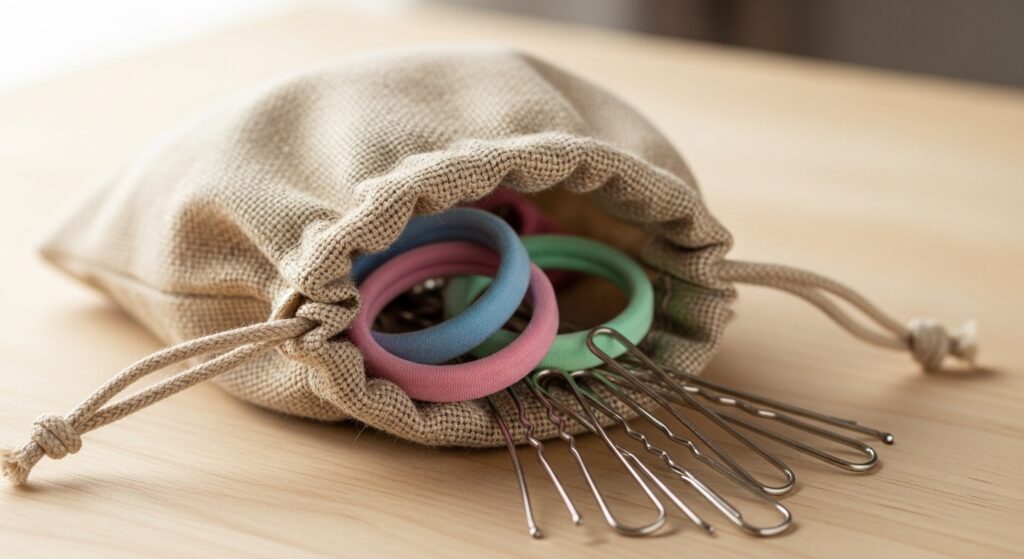
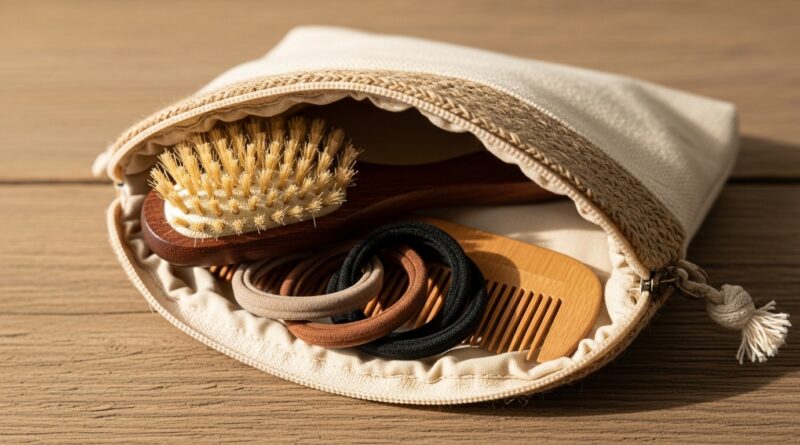
Organization is part of a sustainable practice. Instead of letting your tools scatter in a plastic drawer, corral them in a small bag made of hemp, linen, or organic cotton. This keeps everything together and protects your wooden tools from moisture.
It also makes it easy to take your kit on the go. Having a dedicated spot for your eco-tools means you’re less likely to lose them and need to replace them. It’s a simple habit that makes your routine feel more put-together.
You can even use a small pouch from something you already own. The goal is to care for your tools so they last for the long haul.
Cleaning Your Natural Tools Properly
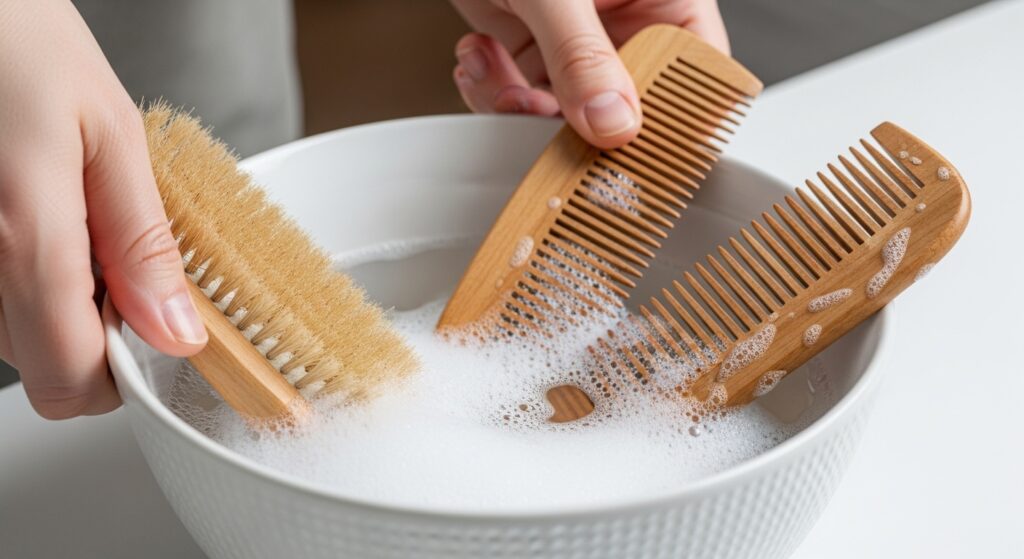
To make your tools last, clean them regularly. For wooden pins, combs, and brushes, use a gentle soap and warm water. Avoid soaking them for too long—just a quick wash and rinse.
Dry them immediately and thoroughly with a towel, then let them air dry completely before storing. This prevents the wood from warping or cracking. For fabric scrunchies and elastics, toss them in with your regular laundry in a mesh bag.
This little bit of maintenance extends the life of your products dramatically, which is the ultimate goal of a sustainable lifestyle. It takes just a few minutes but makes a huge difference.
Repair, Don’t Replace
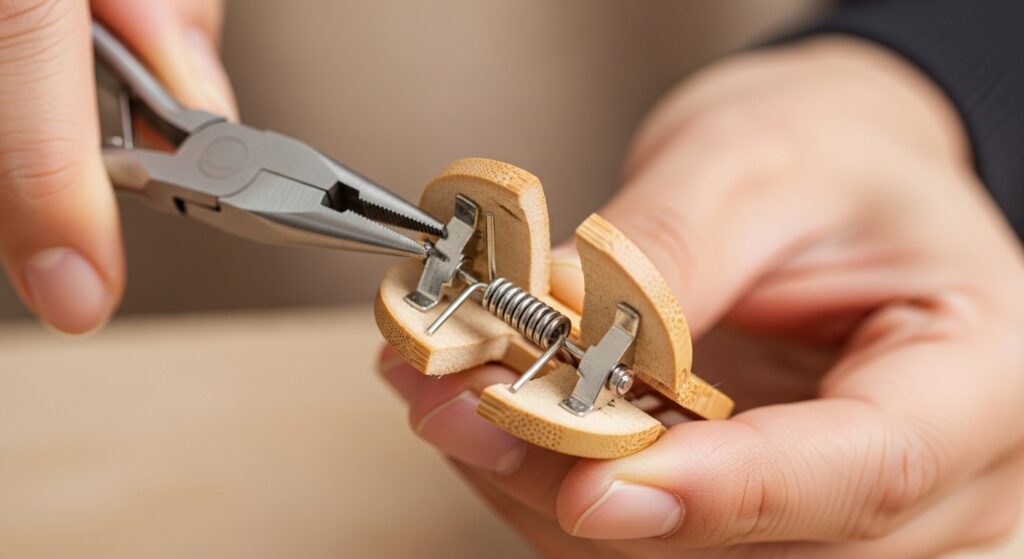
The most sustainable product is the one you already own. Before you toss a clip with a loose spring or a brush with a loose bristle section, see if you can fix it. Often, a pair of pliers can tighten a metal spring right back up.
If a wooden pin snaps, you can sometimes sand it smooth and use it as a shorter pin. Get creative! Adopting a “repair first” mindset saves money and keeps items out of the landfill for much longer.
It feels incredibly satisfying to fix something instead of adding to the cycle of buy-and-toss. Give your tools a second life.
Shop Secondhand for Vintage Tools
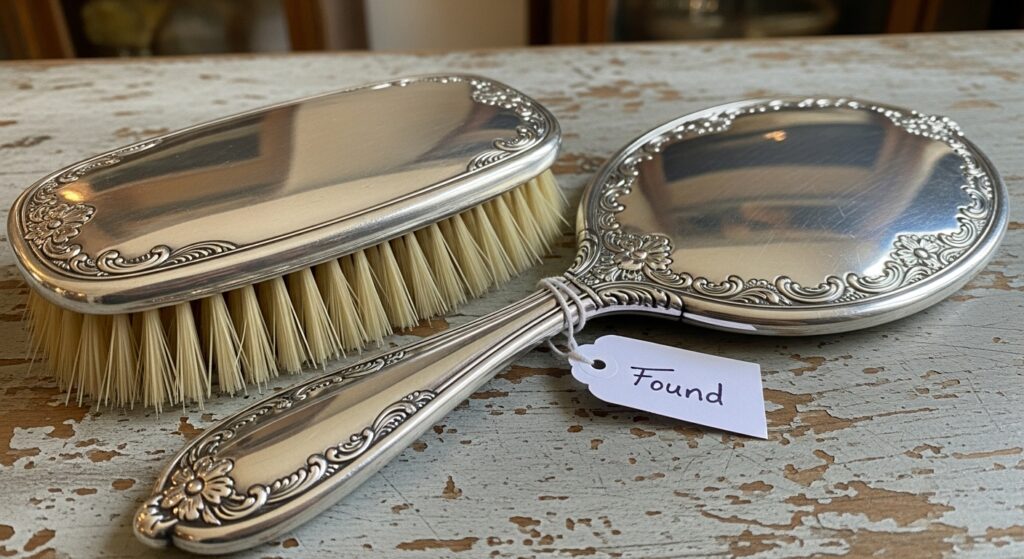
One of the most eco-friendly things you can do is buy existing items. Check thrift stores, antique shops, or online marketplaces for vintage hair tools. You can find stunning, durable brushes, combs, and pins made from real materials like silver, horn, or solid wood.
These pieces are often higher quality than what’s available today and come with a unique history. Giving a beautiful old tool a new home is the epitome of sustainable style. It adds a touch of timeless charm to your routine.
Just give them a good, deep clean before use. You might find your new favorite heirloom piece.
Support Small, Sustainable Brands
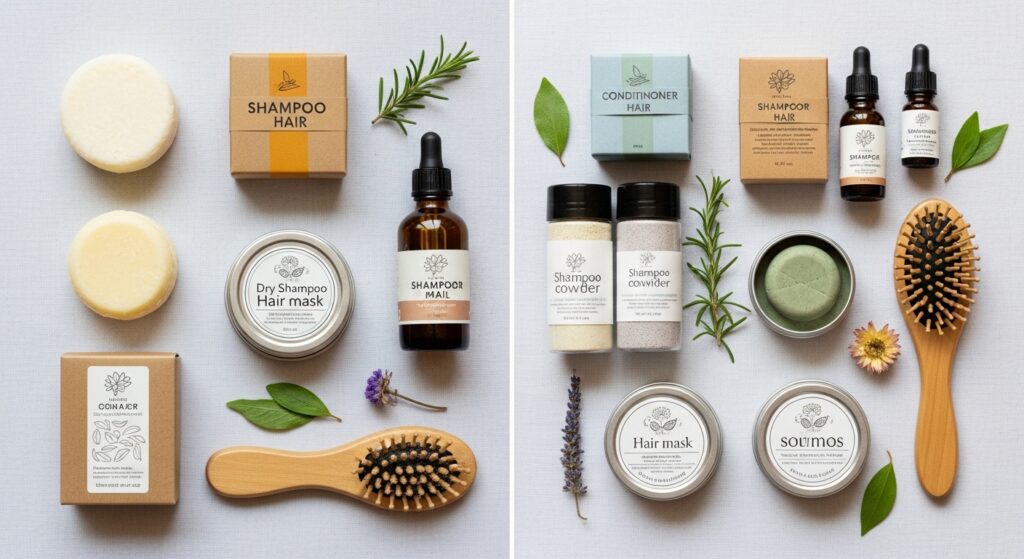
When you do need to buy new, seek out small businesses committed to sustainability. These brands often use recycled packaging, natural materials, and ethical production methods. Your money directly supports a values-driven company.
I’ve discovered some of my favorite tools this way. A quick search for “eco hair accessories” or “zero waste hair tools” will reveal a whole community of amazing creators. They often offer unique designs you won’t find anywhere else.
Building a sustainable toolkit is a journey, and supporting these brands helps the entire movement grow.
DIY Your Own Fabric Hair Ties
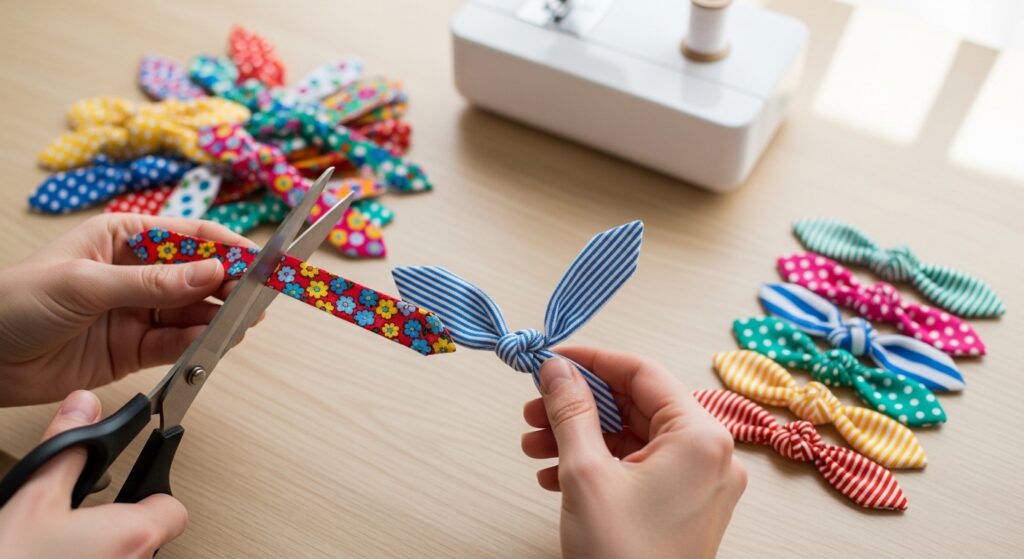
If you’re crafty, this is a fun weekend project. Use old t-shirts, fabric scraps, or leftover ribbon to make your own hair elastics. You can simply cut strips of t-shirt material and tie them, or sew simple fabric tubes.
It’s a fantastic way to upcycle material that would otherwise be thrown away. These ties are super gentle on your hair and completely customizable. Make them in colors that match your wardrobe or your favorite 2026 hairstyles mood board.
There are tons of easy tutorials online. It’s a rewarding way to create exactly what you need with what you have.
Eco-Tools for Protective Styling
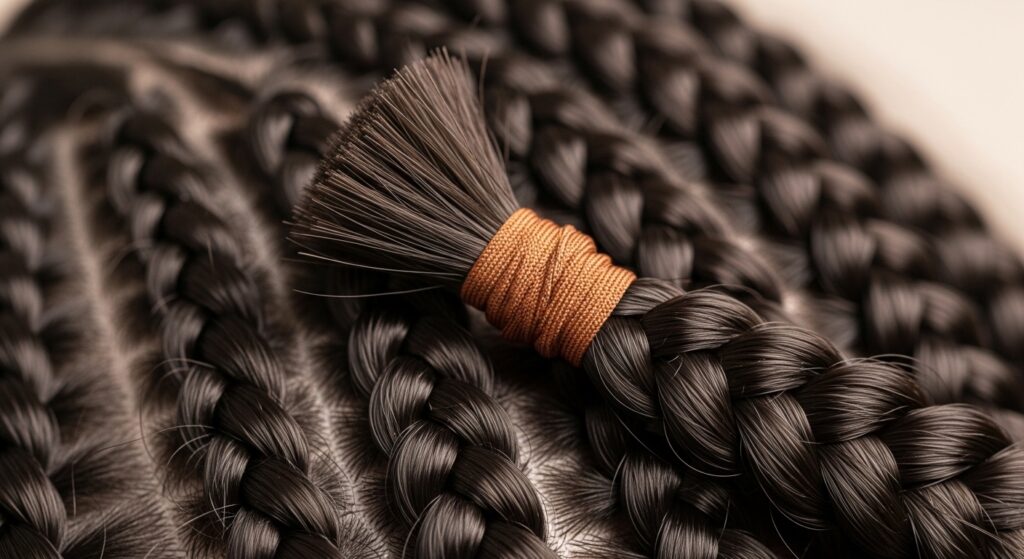
If you love protective styles like box braids or twists, your tool choices still matter. Opt for jumbo packs of natural rubber bands in colors that blend with your hair for a seamless look. Use a wooden rat-tail comb for clean, precise parts.
The right tools make the installation process smoother and are gentler on your scalp and hairline. It’s about protecting your natural hair with the same care you’re giving to the planet. Every step of the process can be mindful.
Your stylist might even appreciate you bringing your own sustainable options to your appointment.
Traveling with Your Green Toolkit
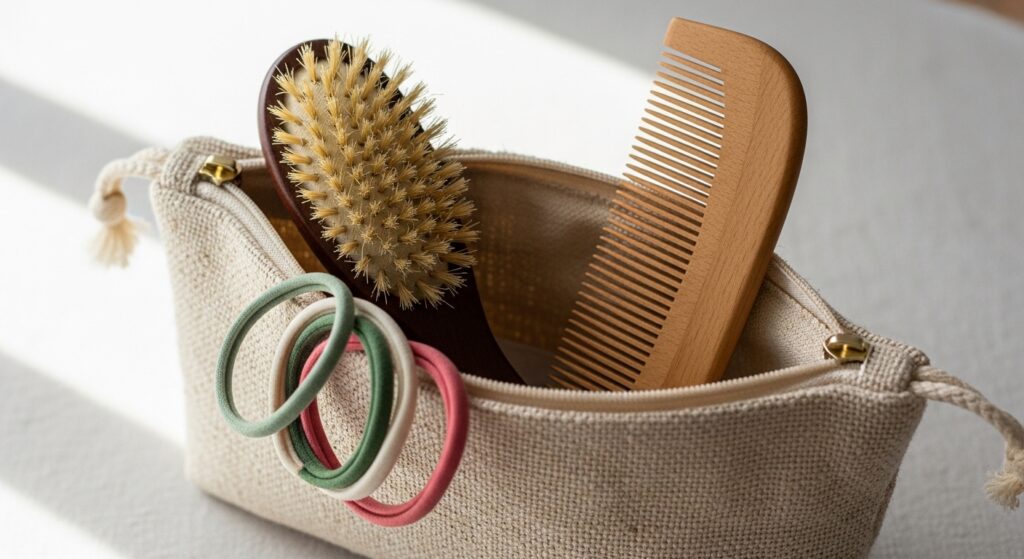
Don’t leave your sustainable habits at home! Pack a mini version of your toolkit. A foldable wooden comb, a couple of natural rubber elastics, and a few bamboo pins take up almost no space in your suitcase.
This ensures you can maintain your hair care routine and avoid buying a plastic travel brush or pack of elastics in a pinch. It keeps your hair looking great, whether you’re going for a vampire haircut vibe on vacation or just need a reliable braid for a flight.
Being prepared is the easiest way to stick to your values, no matter where you are.
How Tools Elevate Your Signature Style
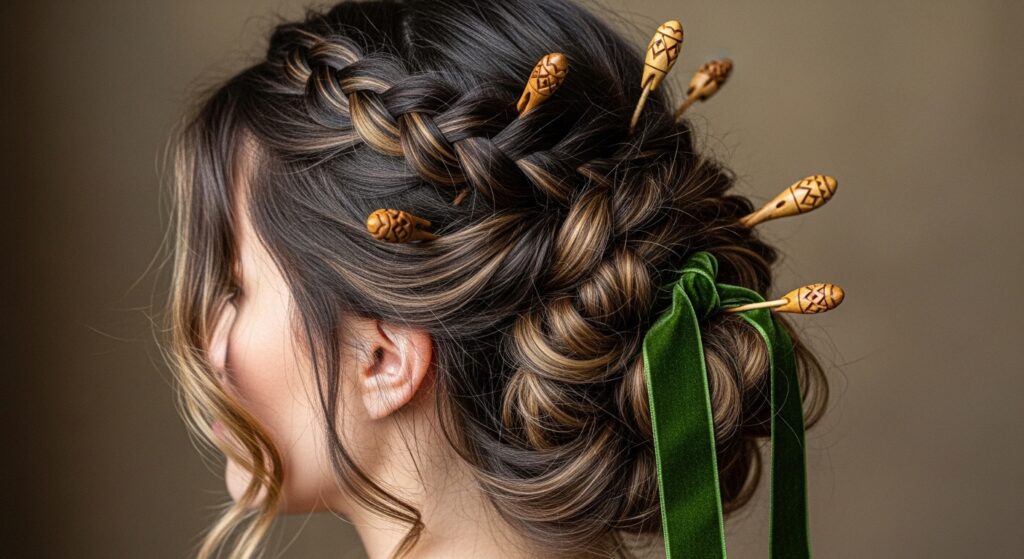
Your tools can become part of your look. A beautiful wooden stick holding a bun, a silk ribbon in a braid, or a statement bamboo clip all add a personal touch. They signal an intentional, crafted style, whether it’s a hime cut with face-framing braids or a glitchy glam hair masterpiece.
When you choose beautiful, natural materials, you don’t want to hide them. Let them shine as part of the hairstyle itself. It turns an everyday routine into a small act of creative expression.
Your style becomes a reflection of your values—thoughtful, unique, and connected to the natural world.
Your Next Steps to a Greener Routine
Feeling overwhelmed? Don’t be. You don’t need to replace everything at once. Start with one swap. Maybe this month, you buy a pack of natural rubber elastics. Next month, you invest in a wooden wide-tooth comb.
Every single change counts. The goal is progress, not perfection. Look at the tools you use most often—the hair tie that’s always on your wrist, the brush you use daily—and consider their sustainable alternative first.
Building a conscious collection is a journey. Celebrate each small step you take. You’re doing great.
And that’s it, friend. My full guide to building a braiding toolkit that looks good and does good. It all comes down to being a little more mindful about the small things we use every day.
Remember, sustainable hair care isn’t a restrictive set of rules. It’s a more thoughtful way of creating beauty. It’s about choosing quality over quantity, and choosing materials that come from the earth and can return to it kindly.
I’d love to hear from you! Which swap are you most excited to try first? Do you have a favorite eco-brand I should check out? Drop your thoughts in the comments below—let’s keep the conversation going.
Save this post to Pinterest to keep this guide handy and share it with a friend who loves braids as much as you do!