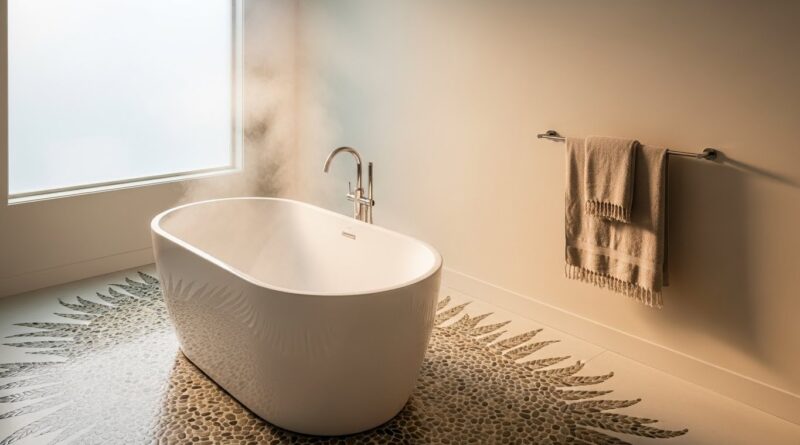
Feathered Edge: Soft Perimeter Texture
In the world of interior design, where stark minimalism and sharp lines have long held sway, a quiet revolution is taking place at the edges. It’s a movement towards softness, subtlety, and a profound sense of comfort. Welcome to the era of the Feathered Edge. This isn’t about a single material or color, but rather a design philosophy—a soft perimeter texture that gently blurs the boundaries of a space, an object, or a surface. Imagine the diffused glow of light behind a sheer curtain, the worn, softened corner of a plaster wall, or the gradient fade of a rug’s pile. This is the feathered edge: a tactile, visual, and emotional layer that invites touch, soothes the eye, and transforms rigid spaces into havens of warmth.
More than just a trend, the feathered edge represents a deeper cultural shift towards biophilic design and sensory comfort. In a digital age defined by hard screens and binary precision, we crave physical environments that feel organic, forgiving, and human. This textural approach to perimeters creates a sense of unfinished poetry, suggesting continuity and connection rather than separation. Let’s explore how this delicate principle is weaving its way into our homes and commercial spaces, creating interiors that don’t just look beautiful, but feel profoundly nurturing.
Beyond the Hard Line: Defining the Soft Perimeter
For decades, modern design has been synonymous with crisp lines and definitive boundaries. Think of the sharp edge of a marble countertop, the precise seam where wall meets ceiling, or the geometric border of a tile floor. These elements speak a language of order and control. The feathered edge introduces a new dialect—one of ambiguity and gentle transition. It is the visual and tactile equivalent of a whisper instead of a declaration.
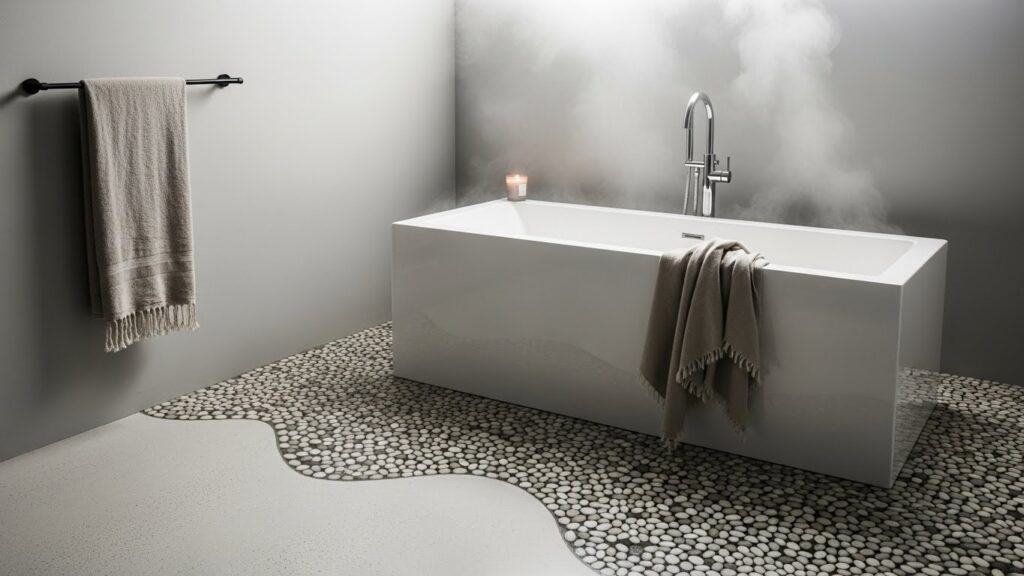
This soft perimeter texture can manifest in countless ways. It is found in material treatments like troweled plaster that curves into a wall, leaving a soft, irregular border. It appears in textiles with fringed, frayed, or gradient-dyed edges that seem to breathe and move. It is created with lighting, using concealed coves and indirect sources that wash a wall with a gentle glow that fades into darkness. The core principle is the erosion of the hard stop, replacing it with a zone of transition that engages our senses and curiosity.

The Psychology of Softness: Why Feathered Edges Feel Like Home
Why does this subtle design shift resonate so deeply? The answer lies in human psychology and neuroscience. Our brains are hardwired to perceive sharp, high-contrast edges as potential threats—think thorns, claws, or jagged rocks. In contrast, soft, blurred edges are associated with safety, comfort, and organic forms like clouds, petals, and human skin. By incorporating feathered edges, designers tap into this primal response, creating spaces that feel inherently protective and calming.
Furthermore, a soft perimeter encourages a different kind of visual engagement. A hard line commands the eye to stop. A feathered edge invites it to wander, explore, and linger in the in-between space. This creates a sense of depth and mystery, making a room feel larger and more dynamic. It also introduces a tactile invitation. A sharply cornered acrylic table doesn’t ask to be touched. A table with a softly rounded, felt-wrapped edge, or one with a live-edge wood slab, practically begs for a hand to trace its contour. This multi-sensory experience is key to building emotional connection with our surroundings.

Implementing the Feathered Edge: Practical Applications in Your Space
Integrating the soft perimeter texture into your interior doesn’t require a full renovation. It’s about strategic layering and mindful material choices. Start by examining the key boundaries in a room: floor-to-wall, wall-to-ceiling, and around key furniture pieces.
On the Walls and Ceilings: Replace stark crown moldings with a coved ceiling or a plaster “soft cap” where wall and ceiling curve seamlessly together. Use clay or lime-based plasters that have a natural, hand-applied irregularity at their borders. Apply paint techniques like color washing or ombré effects that create a soft, gradient fade at the top or bottom of a wall.
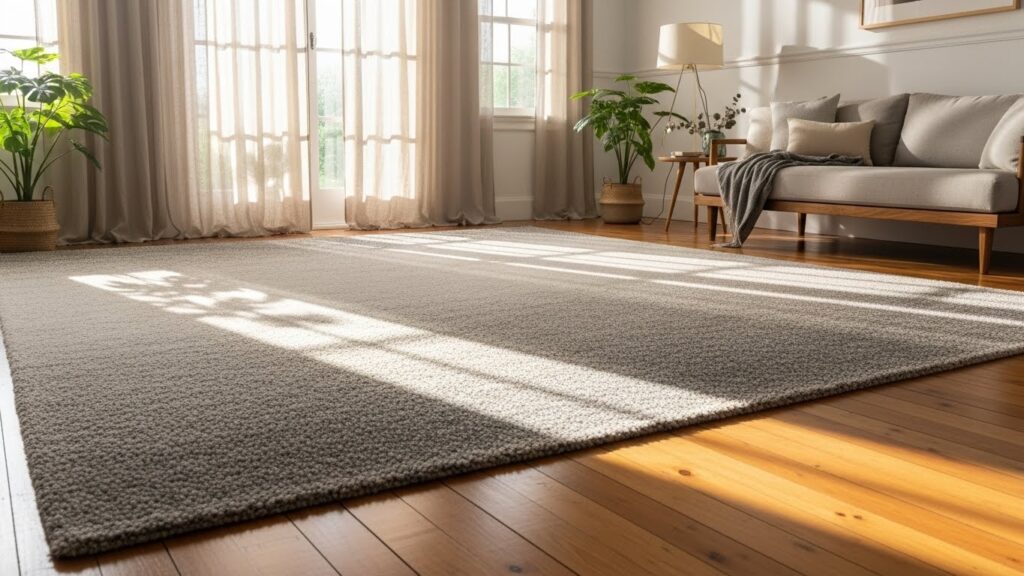
With Textiles and Flooring: Choose rugs with overlocked, fringed, or deliberately blurred edges instead of bound, geometric ones. Layer smaller rugs with differing textures and allow their edges to overlap casually. Opt for curtains in heavy linen or wool that pool slightly on the floor, breaking the hard line of the wall and window frame. Use throws and cushions with tassels, macramé details, or knitted borders.
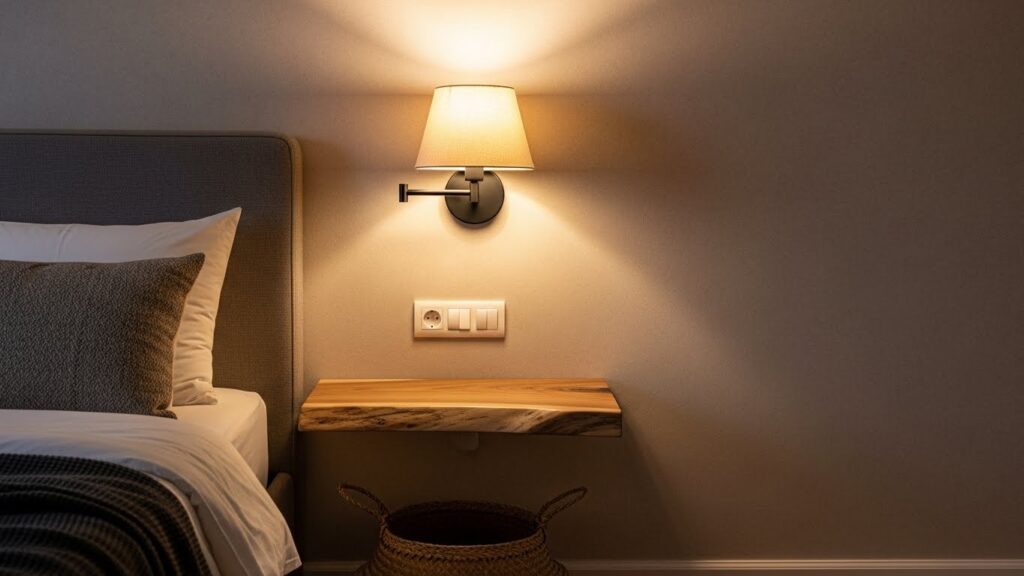
Through Furniture and Lighting: Select furniture with rounded, organic forms or upholstered pieces where the fabric wraps softly around edges. Incorporate live-edge wood slabs for tables or shelves, celebrating their natural, irregular contours. Employ indirect lighting—think LED strips in coves, behind headboards, or under shelves—to create pools of light that define space without hard edges.
The Feathered Edge in Harmony: Blending with Other Design Styles
A common misconception is that the feathered edge belongs solely to rustic or bohemian aesthetics. While it feels native to those styles, its true power lies in its versatility. It acts as a perfect softening counterpoint to more austere design languages.
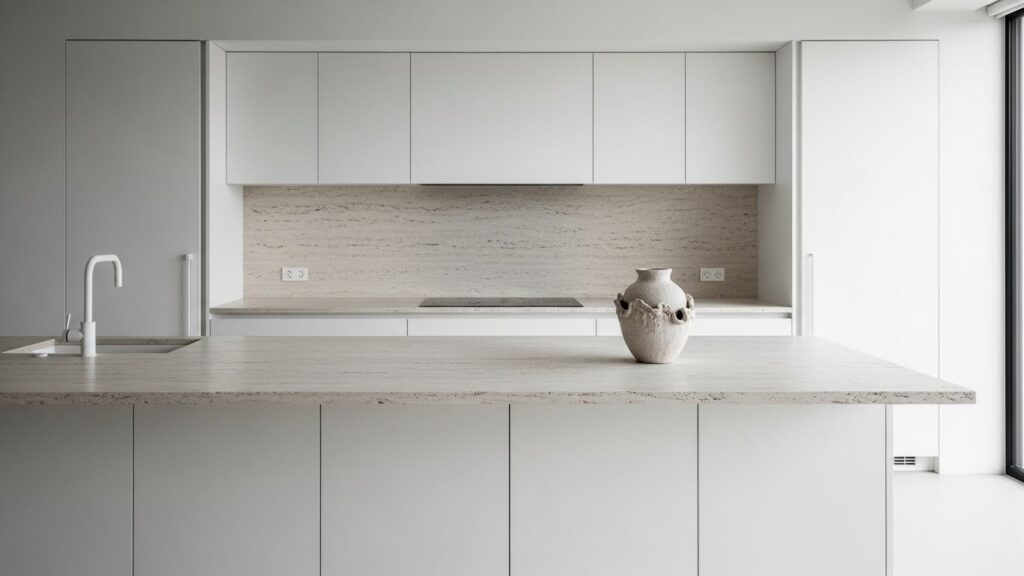
In a minimalist space, a single feathered-edge element—a nubby wool rug on polished concrete, or a curved plaster alcove in a white wall—adds crucial warmth and prevents the environment from feeling sterile. Within an industrial loft, soft perimeter textiles and rounded furniture balance the rawness of exposed brick and steel. For mid-century modern design, which already features organic shapes, introducing feathered edges through layered textiles and ambient lighting deepens the sense of comfort and livability. It is the design equivalent of yin and yang, creating balance and holistic appeal.
Crafting Atmosphere: The Emotional Impact of Soft Transitions
Ultimately, the pursuit of the feathered edge is about crafting atmosphere. It moves design beyond the purely visual into the realm of feeling. A room defined by soft perimeters feels more intimate, more relaxed, and more authentic. It tells a story of time, touch, and natural imperfection—a welcome narrative in our often synthetic world.
This texture encourages a slower, more mindful interaction with our spaces. It’s the difference between a hotel room (all hard edges and defined zones) and a cherished home (where layers blend and comforts overlap). It supports wellbeing by reducing visual noise and cognitive load, allowing the mind to rest. In commercial spaces like spas, boutique hotels, and wellness centers, this principle is already paramount for creating restorative experiences. Now, it’s migrating into our daily domestic lives.
Embracing the Imperfect: A Conclusion on Textural Boundaries
The rise of the feathered edge signals a broader design renaissance—one that values character over perfection, and sensation over starkness. It is a deliberate step away from the cold, often impersonal precision that has dominated and a step towards interiors that embrace the human hand, the organic form, and the gentle passage of time.
As you look around your own spaces, consider where you might soften a boundary. Could a harsh lighting fixture be replaced with a diffused, indirect source? Could a rug with a hard border be layered with a larger, textural one? Could a paint line be blended? By introducing even one element with a soft perimeter texture, you invite more calm, depth, and tactile pleasure into your environment. The feathered edge isn’t just a detail; it’s a design philosophy that reminds us that the most beautiful transitions are often the softest, and the most inviting spaces are those that welcome us in, without a sharp line in sight.