Feathered Layers: Soft, Blended Length Changes
In the ever-evolving world of hair, trends come and go with the seasons. But some techniques possess a timeless quality, offering not just a style, but a fundamentally flattering approach to cutting hair. Enter the feathered layer. This isn’t about harsh, geometric chops or dramatic, stair-step lengths. It’s a whisper, not a shout. Feathered layers are the art of creating soft, blended length changes that melt seamlessly into one another, producing hair that is full of life, movement, and an almost ethereal lightness.
What Exactly Are Feathered Layers?
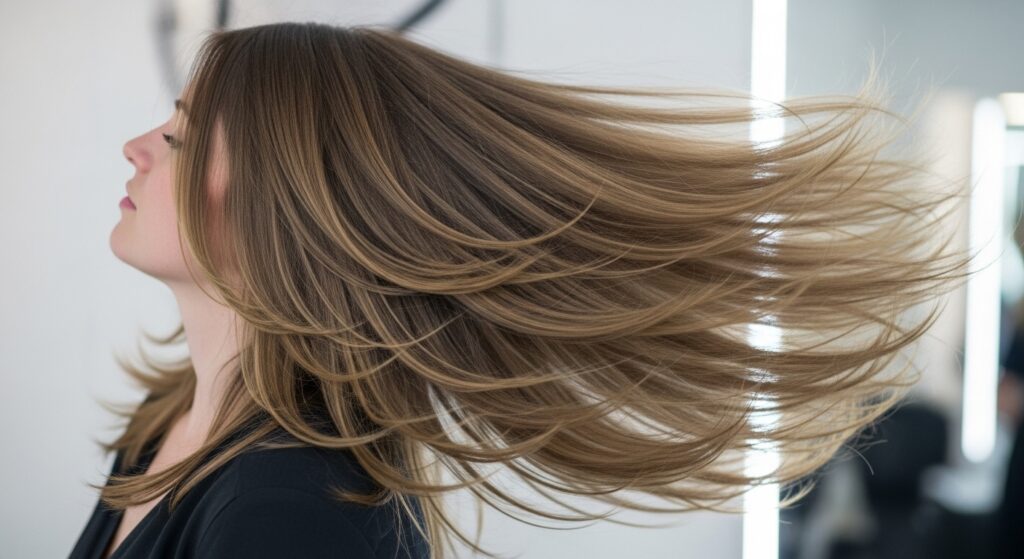
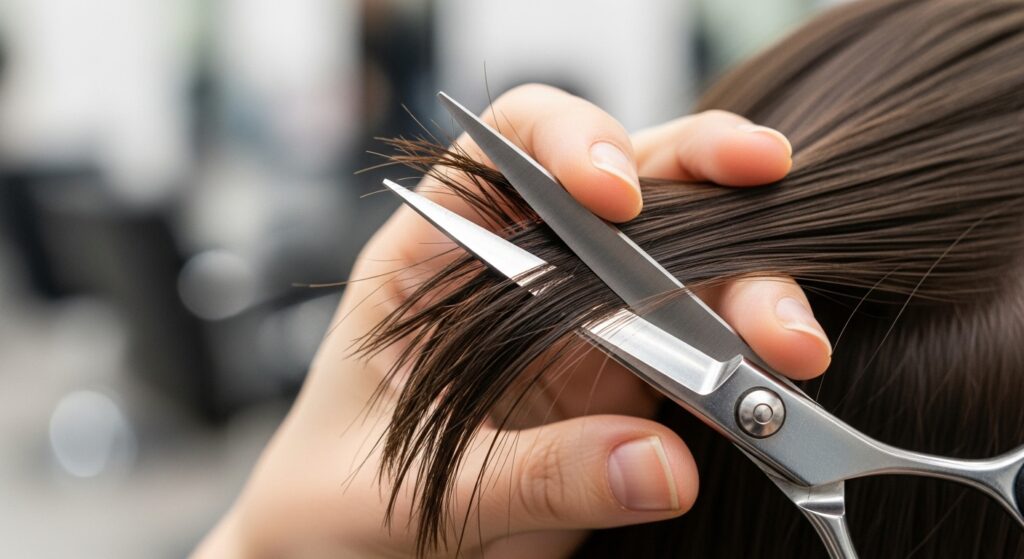
At its core, feathering is a texturizing technique. Instead of cutting a straight, solid line into a section of hair, a stylist uses specific scissor angles—often with a point-cutting or slide-cutting method—to create a diffused, tapered edge. Imagine the delicate, overlapping barbs of a bird’s feather: each one is distinct yet connects fluidly to the next, creating a unified, airy structure. That’s the visual goal for feathered hair.
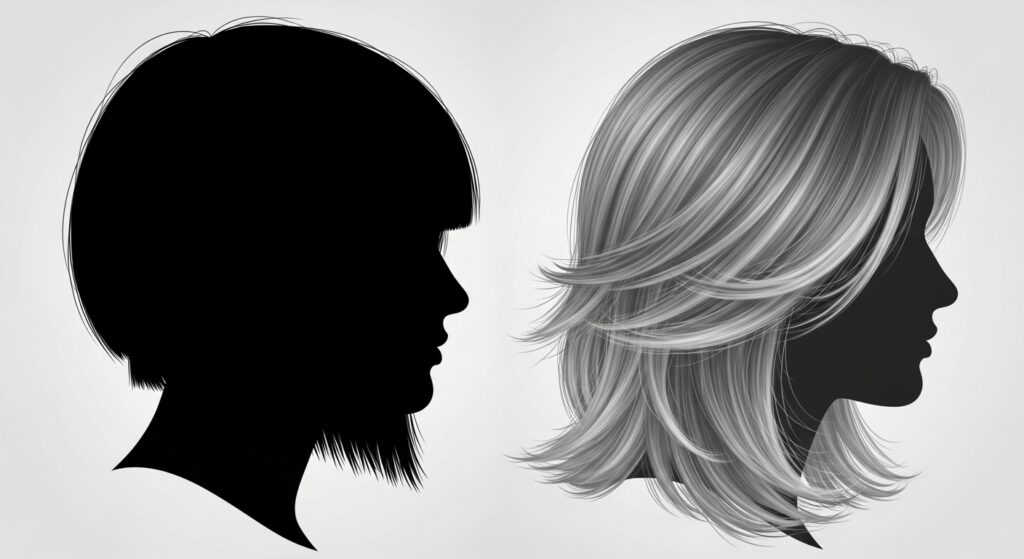
This method removes weight and bulk without sacrificing length integrity. The layers aren’t “placed” in obvious, horizontal bands. Instead, they are woven throughout the hair, with the shortest points typically framing the face (think curtain bangs or face-framing pieces) and gradually blending into longer lengths towards the back. The result is a haircut that has internal shape and support, yet feels incredibly soft and touchable at the perimeter.
The Magic Benefits: Why Go Feathered?
Why has this technique remained a stylist’s secret weapon for decades? The benefits are multifaceted and cater to a wide range of hair dilemmas.
Unmatched Movement and Flow: Hair that is all one length or has blunt-cut layers can often fall in a single, solid block. Feathering introduces breakpoints that allow hair to bend, swing, and cascade with natural grace. Every turn of the head creates a new, dynamic shape.
Volume and Lift from Within: For those with fine or flat hair, feathered layers are a revelation. By removing weight from strategic areas (like at the crown or ends), the hair gains internal lift and body. The layers create space between strands, allowing the hair to stand away from the scalp for a fuller, more voluminous appearance.
Effortless, “Lived-In” Style: The blended nature of feathered layers means they grow out beautifully. There are no harsh lines that become obvious as weeks pass. This haircut embraces a certain effortless elegance and is famously low-maintenance, often looking better a few weeks after the cut as it settles into its natural fall.
Versatility Across Hair Types: While famously associated with the shags of the 70s, modern feathering is adaptable. It can be applied subtly to straight hair for added texture, or used on curly hair to reduce bulk and enhance curl definition without creating a triangular shape. It’s a universal principle of good haircutting.
Face-Framing and Beyond: Placement is Key
Not all feathered layers are created equal. Their impact is dramatically influenced by where they are placed and how they are tailored to your unique bone structure.
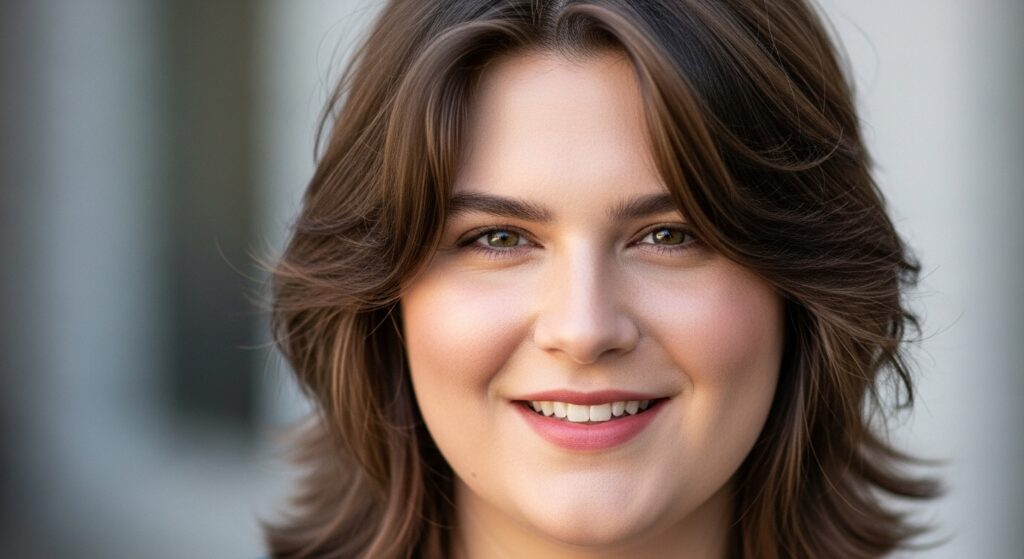
The Face-Frame Feather: This is the most common and impactful starting point. Soft, feathered layers that begin at the cheekbone or jawline gently contour the face, drawing light to the eyes and cheekbones. They can soften a strong jaw, elongate a round face, or highlight delicate features. These are the pieces that flutter in the breeze and create that romantic, soft-focus effect.
Interior and Crown Feathering: True magic happens when feathering is brought into the interior sections of the hair. Layers cut within the mid-lengths and around the crown create architectural support. This is what gives hair that “lift from within,” preventing the style from falling flat at the roots and ensuring volume isn’t just at the ends.
Perimeter Feathering: Even the very ends of the hair can benefit from this technique. A feathered perimeter, as opposed to a blunt, solid line, makes long hair look less heavy and more modern. It adds a touch of whimsy and prevents that “cut with a ruler” look, which can sometimes appear severe.
Communicating with Your Stylist: The Consultation
Walking into a salon and asking for “layers” can lead to a myriad of interpretations. To ensure you get the soft, blended look you desire, your consultation vocabulary is crucial.
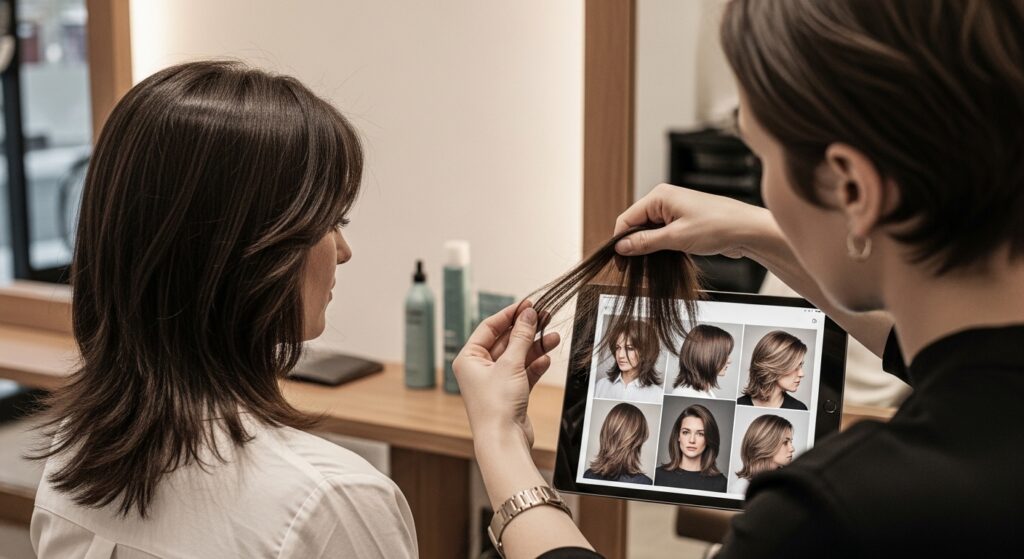
Instead of just saying “I want layers,” try these more precise phrases: “I’m interested in soft, feathered layers for movement.” or “I’d like blended layers that remove weight without looking choppy.” Emphasize words like “seamless,” “diffused,” “woven,” and “texturized.”
Bring visual references! A picture is worth a thousand words. Look for photos where the hair is in motion or caught in light, as this best reveals the feathered effect. Point out what you like: “I love how her ends look wispy and soft here,” or “See how the layers around her face blend into the longer length? That’s what I’m after.” Also, be honest about your styling habits. Feathered layers often look their best with a quick blow-dry for direction, but a good stylist can tailor the degree of texture to your daily routine.
Caring for Your Feathered Masterpiece
To maintain that airy, blended look, your styling approach may need a slight shift. The goal is to enhance the texture and separation that your stylist has expertly cut in.
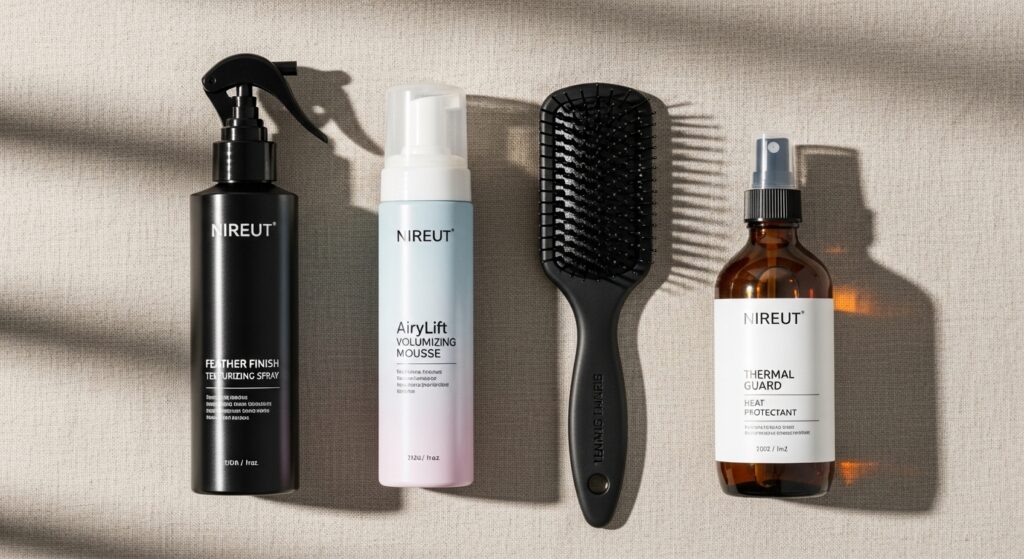
Embrace Texturizing Products: Lightweight sea salt sprays, texturizing mists, or dry shampoos are your best friends. They enhance the piecey, separated look of feathered ends. Apply sparingly to mid-lengths and ends, scrunching gently.
Drying for Dimension: When blow-drying, use a round brush to gently lift the roots of layered sections for volume. For a more effortless look, try “rough drying”—using your fingers to tousle hair while drying until it’s 90% dry, then finishing with a cool shot to set the shape.
Strategic Trims: To keep the feathering effect pristine, regular trims every 10-12 weeks are recommended. This prevents the feathered ends from becoming sparse or split, which can make the hair look frayed instead of intentionally textured.
Feathered Layers for Every Hair Length
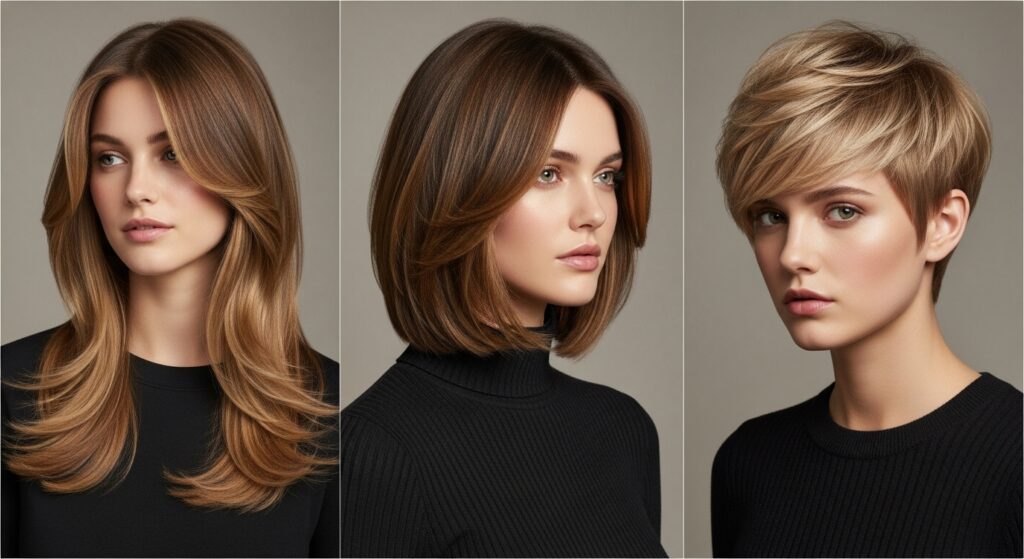
A common misconception is that feathered layers are only for long hair. In reality, the principle can be beautifully adapted.
Long Hair: Here, feathering prevents a “cascade” from looking like a solid curtain. It adds lightness, reduces drag, and creates a romantic, ethereal finish.
Medium-Length Hair (The Lob and Bob): This is perhaps the most popular canvas for modern feathering. A feathered lob (long bob) is the epitome of chic, easy style. Layers are blended around the face and through the ends to create a shape that is neither too round nor too angular—just perfectly soft.
Short Hair: Even pixie cuts and short bobs can be feathered! The technique is used around the hairline and at the perimeter to create a soft, pixilated edge that’s modern and playful, as opposed to a sharp, graphic line.
The Timeless Appeal of Softness
In a beauty landscape often dominated by bold statements and sharp lines, feathered layers offer a refreshing counterpoint: the power of softness. They represent a haircutting philosophy that works in harmony with the hair’s natural behavior, enhancing its inherent beauty rather than forcing it into a rigid shape.
Whether you’re ready for a major change or a subtle refresh, asking for soft, blended length changes is a request for a haircut that lives and moves with you. It’s a commitment to a style that feels as good as it looks—light, effortless, and beautifully undone. So, the next time you’re in the salon chair, consider the feather. It might just be the touch of softness your style has been waiting for.