Feathered Long Layers: Soft, Wispy Ends That Move
Imagine a haircut that catches the light with every turn of your head, where each strand seems to dance independently yet harmoniously. A style that feels both substantial and weightless, offering shape without structure, and movement without effort. This is the magic of feathered long layers. More than just a technique, it’s an art form that transforms long hair from a static blanket into a dynamic, living accessory. It’s the secret behind that “I just woke up like this” glamour seen on red carpets and city streets alike.
What Exactly Are Feathered Layers?
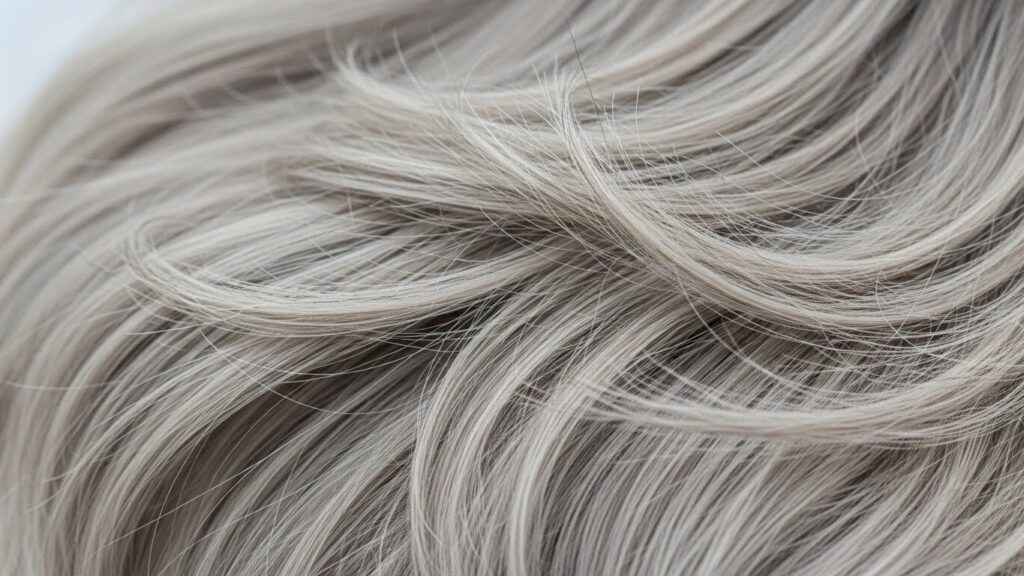
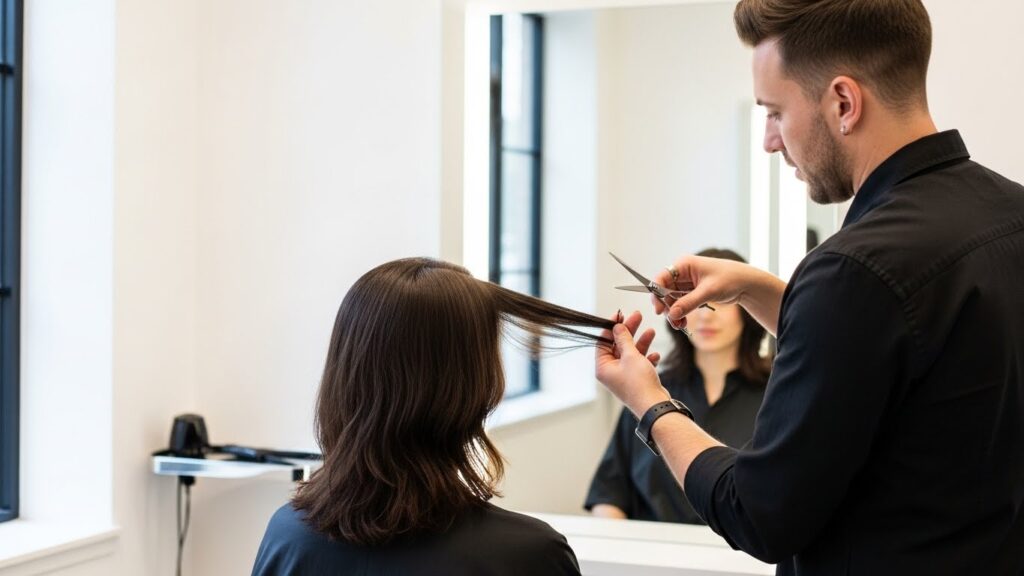
At its core, feathering is a cutting technique used to create seamless, graduated layers with tapered, feather-light ends. The stylist uses point-cutting or slide-cutting methods, often holding the scissors at an angle, to meticulously slice into the hair shaft rather than cutting straight across. This process removes weight and density from the interior and ends of the hair without sacrificing overall length.
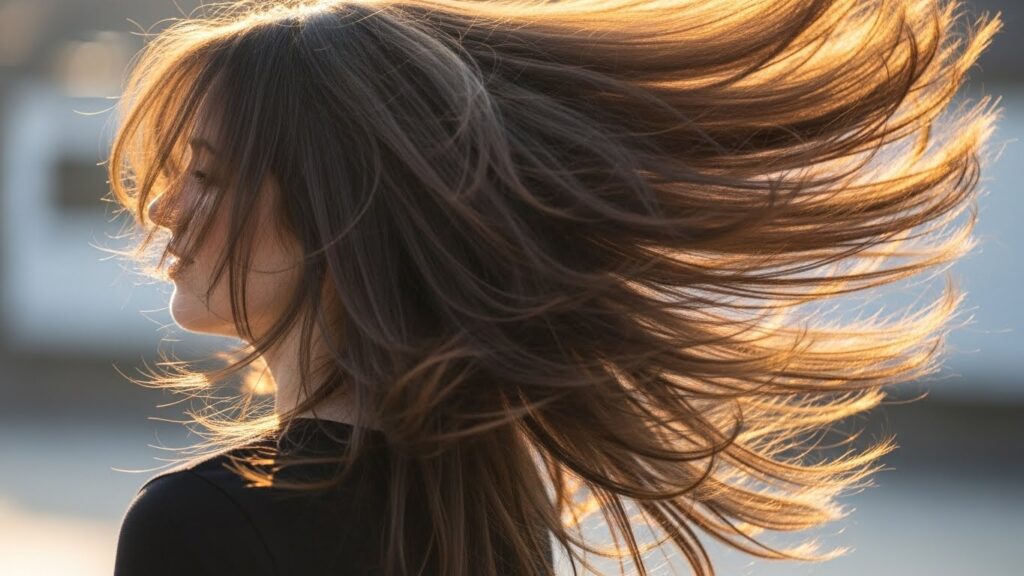
The result is a cascading effect where layers blend imperceptibly into one another, eliminating any harsh lines. The ends are not blunt or chunky; they are wispy, fragmented, and airy. This texturizing is what generates the signature movement—each wisp can catch air and shift independently, creating a sense of constant, fluid motion. It’s the difference between a solid curtain and a sheer, flowing one.
The Transformative Benefits: Why Choose This Cut?
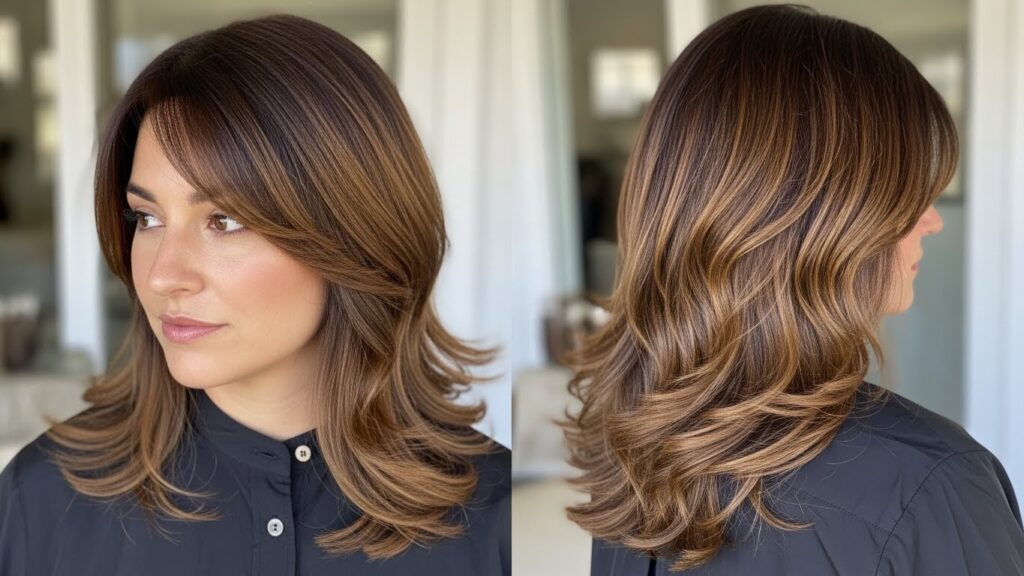
Why has this style remained a salon staple for decades? The benefits are as tangible as they are visual. First and foremost, feathered layers introduce incredible movement. Hair that once hung limply now swings and sways with even the slightest motion, adding a dynamic element to your look.
Secondly, this cut is a masterclass in adding volume without adding bulk. By strategically removing weight from the mid-lengths and crown, hair gains natural lift at the roots and body throughout. It’s a perfect solution for those with fine or flat hair who crave fullness, as well as for those with thick hair who need manageability and shape. Furthermore, the face-framing potential is unparalleled. Wisps and layers can be precisely placed to highlight cheekbones, soften jawlines, and accentuate eyes, offering a built-in, 24/7 contouring effect.
Face-Framing Magic: Tailoring Feathers to Your Features
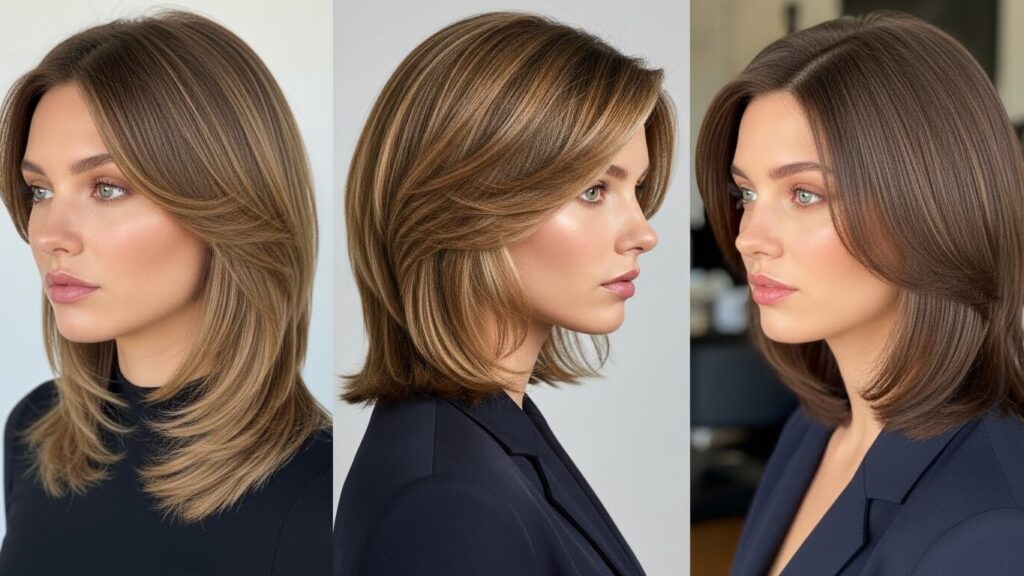
One of the greatest strengths of feathered layers is their adaptability. A skilled stylist doesn’t just apply a one-size-fits-all formula; they sculpt the layers to complement your unique bone structure. For round or square face shapes, longer, softer layers that begin at the jawline or below can help elongate the face. These wispy strands draw the eye vertically, creating a slimming effect.
For those with heart-shaped or oval faces, layers can start higher, around the cheekbones, to add width at the perfect point and balance a narrower chin. Even the direction of the feathering can be adjusted—forward-facing wisps create a soft, romantic frame, while layers brushed back emphasize openness and cheekbone structure. The consultation with your stylist is key here; bring inspiration photos and be clear about which features you love most.
Styling Your Feathered Layers: Effortless Looks for Every Day
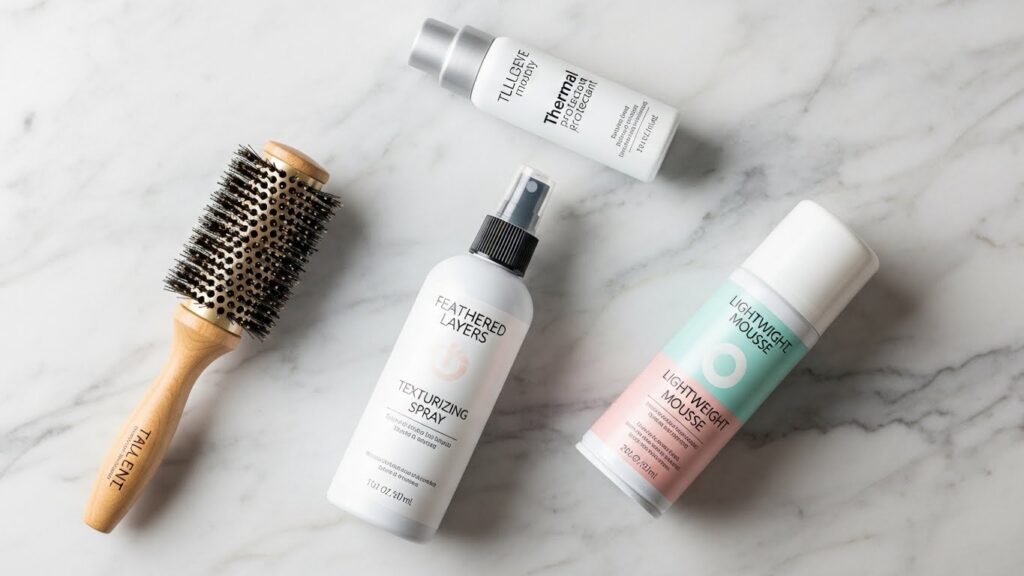
The beauty of this cut extends into its everyday wearability. Styling feathered layers is often simpler than styling unlayered hair because the shape is already built-in. For a quick, polished look, apply a light texturizing mousse or sea salt spray to damp hair. Blow-dry using a round brush, focusing on lifting the roots and directing the feathered ends outward or inward for a bouncy finish.
Embrace your natural texture! On wavy or curly hair, a curl-defining cream will enhance the separation and movement of each feathered layer, creating a gorgeous, cascading effect. For straight hair, a flat iron or curling wand can be used to add subtle, piecey bends to the ends, amplifying the wispy detail. The golden rule is to avoid heavy products like thick gels or pomades that can weigh down those delicate ends and clump the separation you worked so hard to achieve.
Maintenance and Salon Talk: How to Get What You Want
To keep your feathered layers looking their best, regular trims are non-negotiable. We recommend a visit every 10-12 weeks. This prevents the wispy ends from becoming split and frayed, which would rob the cut of its definition and movement. When you sit in the salon chair, communication is crucial. Don’t just ask for “long layers.” Use specific language like “soft, feathered ends,” “wispy, textured layers,” or “point-cut layers for movement.” Show pictures that highlight the delicate, airy finish you desire.
Discuss your lifestyle and styling habits with your stylist. If you air-dry 90% of the time, they can tailor the cut to look perfect with your natural texture. This collaborative approach ensures you walk out with a cut that not only looks stunning but also fits seamlessly into your daily routine.
A Timeless Cut for Modern Beauty
Feathered long layers are more than a passing trend; they are a cornerstone of hairdressing for a reason. They represent a perfect balance between effort and ease, structure and softness, length and lightness. This cut gives you the best of all worlds: the glamour of long hair with the practicality and playfulness of a textured style.
It’s a cut that celebrates movement and individuality, adapting to your hair’s unique personality and your face’s distinct contours. If you’re longing for a change that feels fresh yet timeless, that adds life without sacrificing length, then the soft, wispy, moving magic of feathered layers might just be your perfect match. Embrace the air, the swing, and the undeniable touch of romance that this iconic style brings to every step you take.