Feed-In Braids: Natural-Looking Cornrows That Last
In the ever-evolving world of protective styling, one technique consistently stands out for its seamless beauty and impressive durability: feed-in braids. If you’ve ever admired a set of cornrows that look like they grew effortlessly from the scalp, with no bulky beginnings in sight, you were likely looking at the magic of the feed-in method. This isn’t just another braiding trend; it’s a foundational technique that has revolutionized how we approach cornrows, offering a natural-looking, gentle, and long-lasting solution for anyone seeking a stunning protective style.

What Exactly Are Feed-In Braids?
At its core, the feed-in technique is a braiding method where small amounts of extension hair are gradually incorporated into your natural hair as the braid progresses. Instead of attaching a full, thick piece of braiding hair at the base, the stylist starts with a tiny section of your natural hair, adding tiny pieces of extension bit by bit. This process is repeated until the desired thickness is achieved, after which the braid continues normally.
The result? A braid that appears to emerge directly from your scalp with an undetectable start. This eliminates the bulky, sometimes heavy “knob” often seen at the root of traditional braids. The visual effect is cleaner, more elegant, and remarkably natural. While commonly used for cornrows, this technique is also the secret behind flawless box braids, faux locs, and even certain updo styles, providing a seamless foundation every time.

The Unbeatable Benefits: Why Choose Feed-In Braids?
Why has the feed-in method become the gold standard for braiding enthusiasts and stylists alike? The benefits extend far beyond mere aesthetics, touching on hair health, comfort, and practicality.
1. Natural and Flawless Appearance: This is the most celebrated advantage. The tapered start creates a scalp-hugging look that is incredibly realistic, making it perfect for those who want a sophisticated, understated, or simply natural-looking style.
2. Reduced Tension and Scalp Health: By distributing the weight of the added hair gradually, feed-in braids place significantly less stress on your hair follicles compared to traditional methods. This dramatically lowers the risk of traction alopecia, a condition caused by constant pulling on the roots, and makes the style more comfortable to wear, especially in the first few days.
3. Enhanced Durability and Longevity: Because the braid is anchored with a seamless, tension-free start, it is less likely to loosen or frizz at the roots. This foundational strength means your cornrows can maintain their neat, fresh look for four to six weeks or even longer with proper care, making it a highly time- and cost-effective style.
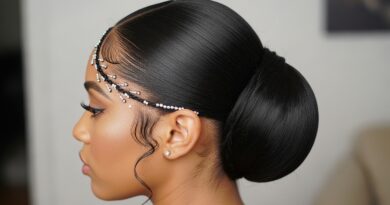
4. Versatility in Styling: The neat, flat base of feed-in cornrows serves as a perfect canvas. You can style them in countless ways—parted in creative designs, gathered into elegant updos, or accessorized with beads and cuffs—all while maintaining a polished look from every angle.

The Magic Behind the Technique: How It’s Done
While best performed by a skilled braider, understanding the process helps you appreciate the artistry and communicate better with your stylist. The technique requires patience and precision.
The process begins with clean, detangled, and moisturized hair. The stylist takes a very small section of your natural hair at the starting point (often the hairline). Instead of adding a full piece of extension, they take a thin strand of braiding hair and fold it in half. The natural hair is braided once or twice with this folded strand. Then, as the braid progresses, the stylist “feeds in” additional tiny strands of extension hair from the bundle, adding them to the natural hair already being braided.
This feeding continues until the braid reaches the desired thickness. The key is the continuous, incremental addition, which builds the braid’s volume smoothly. Once the full thickness is achieved, the remaining extension hair is braided down with the natural hair until the end. This meticulous process is repeated for each individual cornrow, resulting in a uniform, scalp-friendly masterpiece.

Making Your Feed-In Braids Last: Essential Maintenance Tips
To truly reap the benefits of this long-lasting style, proper at-home care is non-negotiable. Here’s how to keep your feed-in cornrows looking fresh and your scalp healthy for the duration.
Protect at Night: Always sleep with a satin or silk scarf or on a satin pillowcase. This is the number one rule for preventing frizz, preserving the neatness of the braids, and reducing friction that can cause breakage.
Cleanse Your Scalp: You can and should wash your braids! Every 1-2 weeks, dilute a clarifying shampoo with water in an applicator bottle and gently apply it to your scalp, massaging with your fingertips. Rinse thoroughly and ensure your scalp is completely dry to prevent mildew.
Moisturize Strategically: Use a lightweight, water-based leave-in conditioner or a braid spray on your natural hair along the parts and the length of the braid (if using human hair). Focus on your scalp with a light oil like jojoba or tea tree oil to combat dryness and itchiness without heavy buildup.
Minimize Manipulation: While styling is fun, constantly pulling your braids into tight ponytails or buns can stress the roots. Opt for loose styles and give your hair breaks. Also, avoid excessive heat on any synthetic hair used.

Inspiring Feed-In Braid Styles to Try
The beauty of feed-in cornrows lies in their adaptability. They are far from a one-style-fits-all look. Here are some popular and breathtaking ways to wear them:
Classic Straight-Back Cornrows: Timeless and elegant, rows going straight back from the hairline offer a clean, sporty look that’s perfect for an active lifestyle or showcasing beautiful earrings.
Intricate Part Designs: Elevate your style with curved, geometric, or zig-zag parts before the braiding begins. The feed-in technique makes these designs pop with clean, sharp lines.
Boho Goddess Braids: Create larger, chunkier feed-in cornrows—often just two or three—that sweep across the head. These make a bold, statement look that’s both protective and fashionable.
Half-Up, Half-Down Styles: Braid the front and top sections of your hair into feed-in cornrows, leaving the back hair out in a curly or straight afro. This is a fantastic way to blend braided and natural hair seamlessly.
Accessorized Looks: Weave in colorful threads, add gold or silver cuffs, or thread beads onto the ends of your braids for a personalized touch of glamour.

Finding the Right Stylist and Knowing When to Take Them Out
To ensure a positive experience, seek a stylist who specializes in protective styles and can show you a portfolio of their feed-in work. Look for braids that start thinly and lay flat without visible bumps. Communication is key—discuss your desired size, tension comfort, and any scalp sensitivities beforehand.
As durable as they are, feed-in braids are not meant to be permanent. It is crucial to remove them after 6-8 weeks. Leaving them in longer can lead to matting, excessive shedding, and tangling of your natural hair. When you take them down, be patient, use a good detangler, and follow up with a deep conditioning treatment to restore moisture and strength to your hair.
In conclusion, feed-in braids represent the perfect marriage of art and hair health. They offer a protective style that doesn’t compromise on a natural, elegant appearance, all while granting you weeks of low-maintenance beauty. By understanding the technique, committing to proper maintenance, and trusting a skilled stylist, you can enjoy the remarkable benefits of these natural-looking cornrows that truly last.