Graduated Tips Texture: Building End Movement
Imagine a haircut that seems to defy gravity, where each strand falls with purpose, creating a silhouette that’s both structured and soft, precise yet full of life. This isn’t just a style; it’s the result of a deliberate, artistic technique known as Graduated Tips Texture. In the world of advanced hairdressing, building end movement is the secret weapon for transforming flat, lifeless hair into a dynamic, voluminous masterpiece. It’s the difference between hair that simply ends and hair that moves.
What is Graduated Tips Texture?
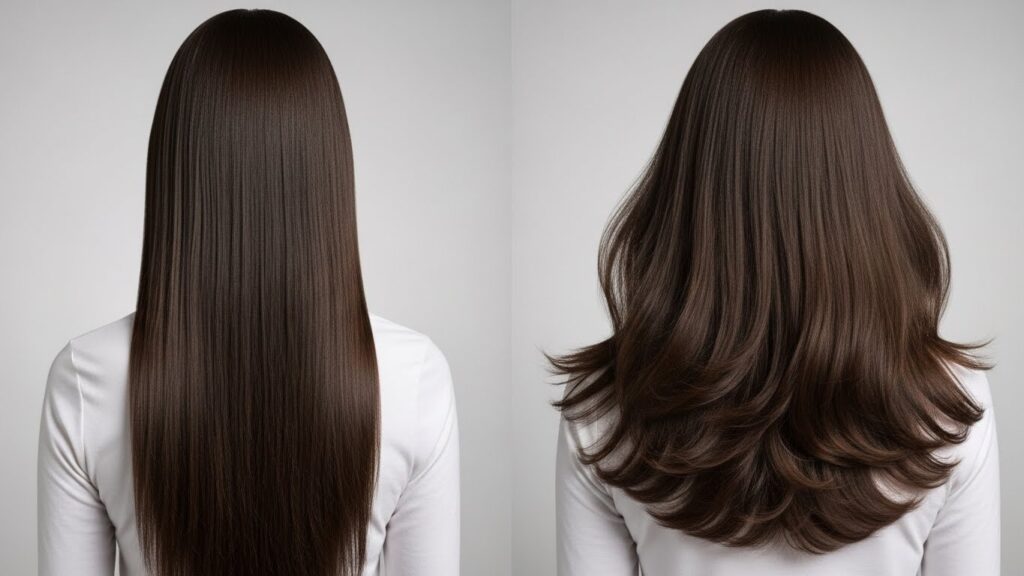
At its core, Graduated Tips Texture is a cutting method that involves creating a gradual increase in weight toward the ends of the hair, while simultaneously texturizing the very tips to remove bulk and encourage movement. Think of it as constructing a staircase for light and air to travel through. The “graduation” refers to the built-up internal weight, and the “textured tips” are the softened, irregular ends that prevent a harsh, solid line.
Unlike uniform layering which removes weight evenly, or blunt cutting which retains all weight at the perimeter, graduated texture is a hybrid. It strategically removes weight in specific zones—typically through point cutting, slicing, or notching—right at the ends and sometimes through the mid-lengths. This process leaves the hair with a supportive internal structure (the graduation) and feathery, mobile ends (the texture). The result is a shape that holds its form but feels incredibly light and responsive.
The Science of End Movement: Why It Works
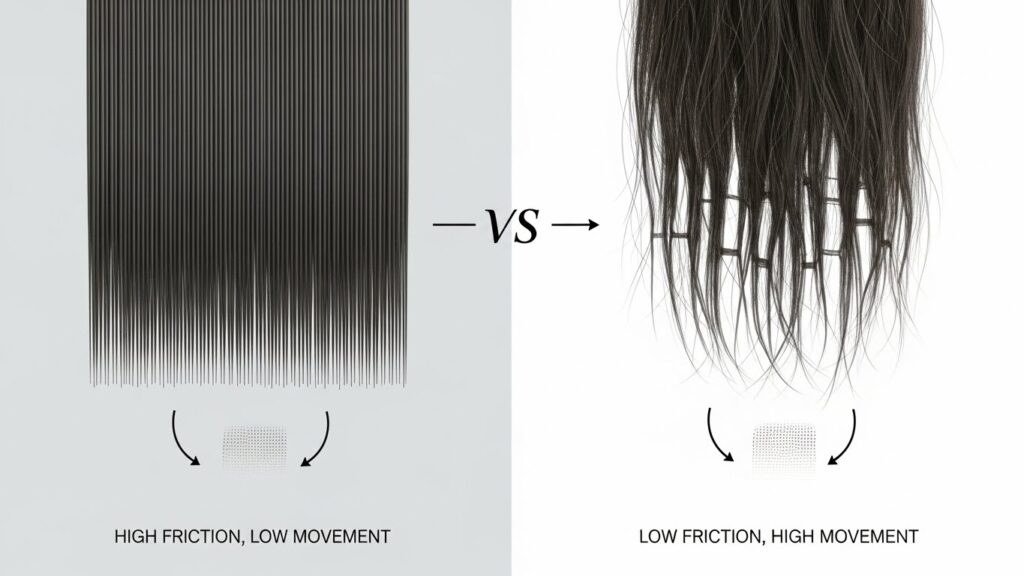
Hair movement is fundamentally a game of weight distribution and friction. When hair is cut with a solid, blunt perimeter, the ends align perfectly, creating maximum density and friction at the bottom. This can anchor the hair, limiting its swing and making it lie flat. Graduated tips texture disrupts this solid line.
By creating an irregular, fragmented hemline, you dramatically reduce end-to-end friction. Each textured tip has more space around it, allowing it to move independently. Furthermore, the graduated internal weight acts like a pendulum’s weight, giving the hair something to pivot from. The combination is powerful: the weight provides the momentum for movement, and the textured tips ensure nothing is holding that movement back. This is why a well-executed graduated texture cut seems to “float” and “swing” with even the slightest turn of the head.
Essential Tools and Techniques for Creating Texture
Executing perfect graduated tips requires the right tools and a mastery of specific techniques. It’s not a one-scissor-fits-all process.
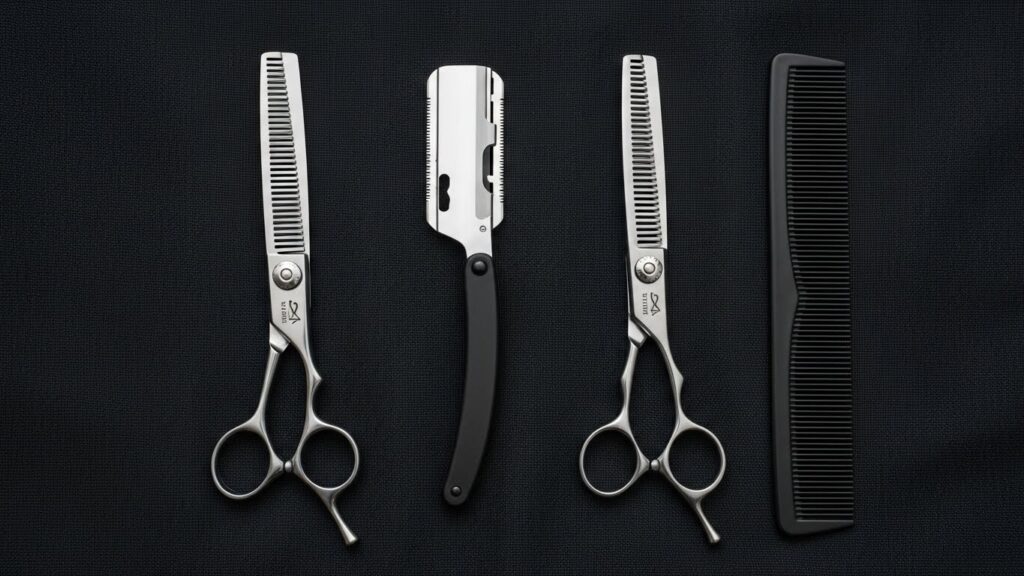
Tools of the Trade: A sharp pair of shears is non-negotiable for clean, precise texturizing. Thinning shears (or texturizing shears) are invaluable for removing bulk without altering the length drastically. A razor can be used to create incredibly soft, diffused ends, especially on straight or fine hair. Always start with perfectly dry or damp hair (depending on your technique) to see the true weight distribution.
Key Cutting Techniques:
Point Cutting: This is the cornerstone. Holding the shears vertically and cutting into the ends with the points creates softness and removes weight without leaving a hard line.
Slicing: Gliding the open shears down a section of hair removes interior weight and creates seamless layers that connect the graduation to the textured ends.
Notching: Taking small, deliberate “chips” out of the hair with the tips of the shears creates more dramatic texture and is excellent for removing stubborn bulk.
The artistry lies in knowing which technique to use, where in the section, and how much to remove to build the desired movement without over-thinning.
Tailoring Texture to Different Hair Types
The magic of graduated tips texture is its adaptability. However, the approach must be customized for each hair type to achieve optimal results.
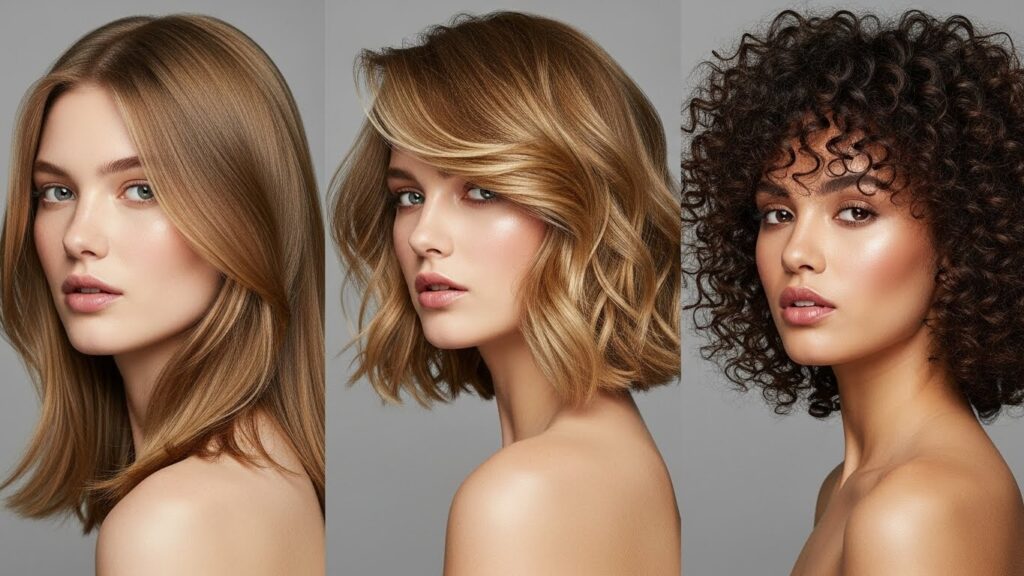
For Fine Hair: The goal is to create the illusion of density and body. Over-texturizing can make fine hair look wispy and thin. Focus on very subtle point cutting only at the very ends and consider using a razor for a softer blend. The graduation should be minimal, adding just enough weight to support the shape without dragging it down.
For Thick or Coarse Hair: Here, texture is your best friend for manageability. You can be more aggressive with notching and slicing to remove significant interior bulk. The graduated weight helps control the shape, while the heavily textured ends prevent a triangular, “helmety” look. This technique turns unmanageable bulk into defined, flowing movement.
For Curly and Wavy Hair: Caution is key. Texturizing curly hair is about enhancing the natural pattern, not fighting it. Use dry cutting techniques to see exactly how the curl moves. Light point cutting on the ends can help define curl clumps and reduce bulk, but deep notching can lead to frizz and uneven shrinkage. The graduation helps shape the curl pattern and provide support.
Styling to Enhance Your Textured Cut
A great cut makes styling effortless, but a few key products and techniques can elevate the graduated texture to its full potential.
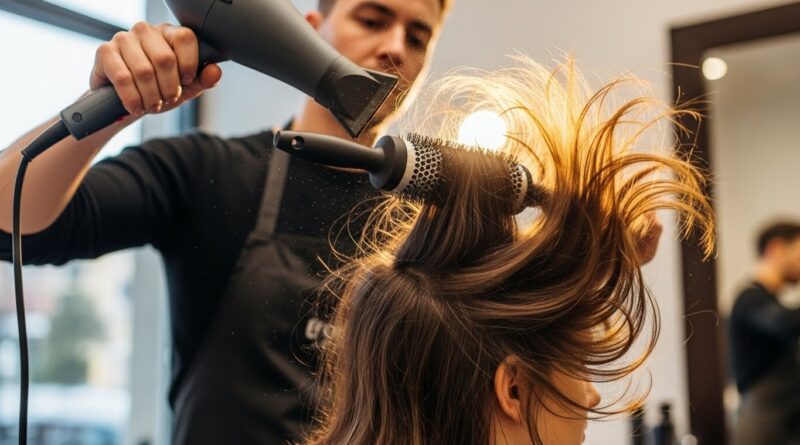
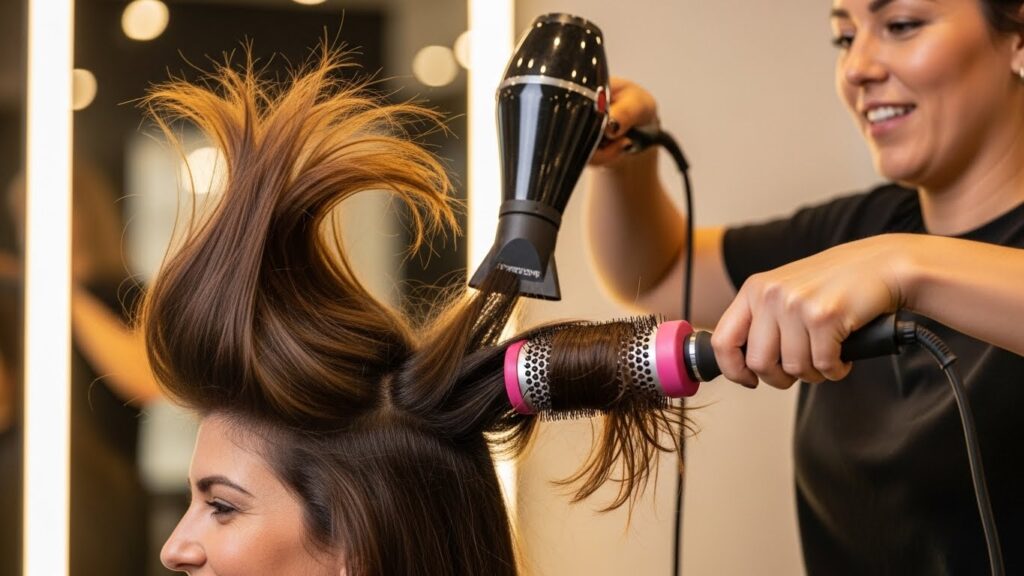
Start with a volumizing mousse or root lift spray at the base to reinforce the internal graduation. When blow-drying, use a round brush to encourage the hair to bend and curve toward the textured ends, further amplifying movement. For a more lived-in, modern look, work a texturizing spray or sea salt spray through the mid-lengths and ends, then scrunch gently. This product accentuates the separation and piecey-ness created by the cut.
Avoid heavy, oily products that can weigh down the textured ends and clump them together, undoing all the careful work of the cut. The goal is to maintain that low-friction, high-mobility environment you created with your shears.
Common Pitfalls and How to Avoid Them
Even seasoned stylists can encounter challenges when building end movement. Here are the top pitfalls:
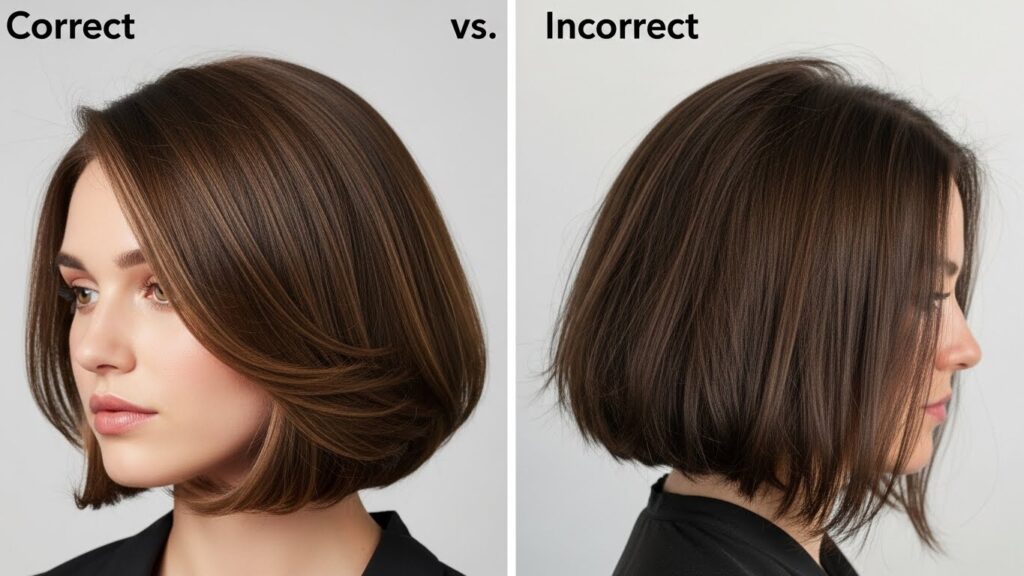
Over-Texturizing: This is the most common error. Removing too much hair, especially in the mid-lengths, can leave the hair looking sparse, frayed, and lacking cohesion. Solution: Texturize conservatively. You can always take more hair out, but you can’t put it back. Work in small sections and constantly assess the overall density.
Under-Graduating: Without sufficient internal weight build-up, the textured ends have nothing to pivot from, resulting in a shape that lacks shape and can flip out uncontrollably. Solution: Ensure you are building a clear, clean graduation or baseline before you begin detailed texturizing. The structure must come first.
Ignoring Hair Type: Applying the same texturizing intensity to fine hair as you would to thick hair is a recipe for disaster. Solution: Always let the hair’s density and texture dictate your tool choice and technique aggression.
Conclusion: The Movement Revolution
Mastering Graduated Tips Texture is more than learning a new cut; it’s about embracing a philosophy of hairdressing that prioritizes dynamism, wearability, and modern beauty. It bridges the gap between classic precision and contemporary edge, offering clients a style that looks fantastic both in the salon chair and in the real world, with minimal fuss.
By understanding the principles of weight distribution, friction, and tailored technique, you can consistently build breathtaking end movement that transforms any hair type. It’s a skill that elevates your artistry and delivers undeniable value, giving clients the lively, head-turning hair they’ve always wanted. So pick up your shears, focus on those ends, and start building movement from the bottom up.