
Greasy Hair: Extend Time Between Washes
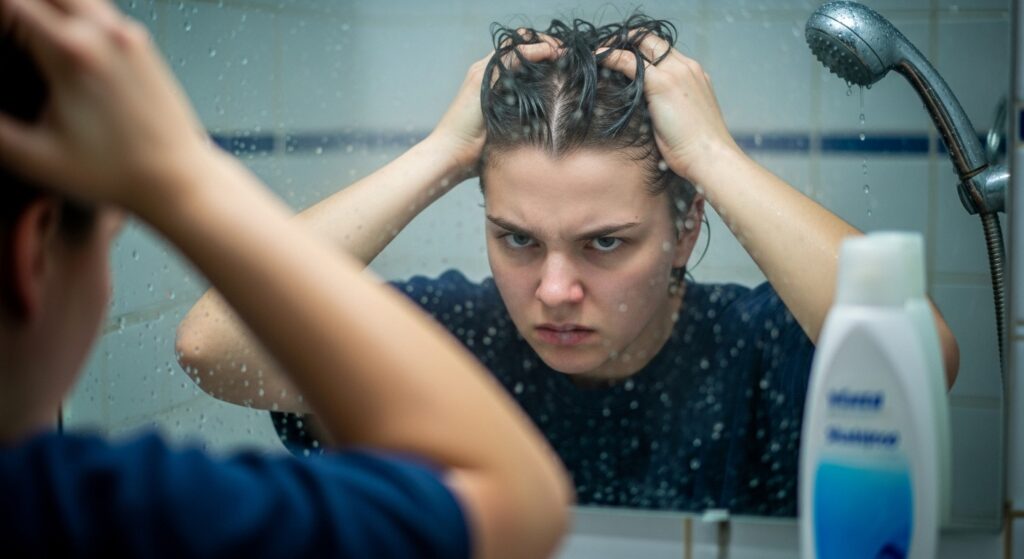
You wake up, ready to take on the day, only to be greeted by a reflection of limp, oily hair that desperately screams for a wash. Sound familiar? If you feel like you’re in a constant battle with your scalp’s oil production, trapped in a cycle of daily or every-other-day washing, you are not alone. Greasy hair is a common frustration, but what if the solution wasn’t washing more, but washing less?
Why Does My Hair Get Greasy So Fast? Understanding the Root Cause
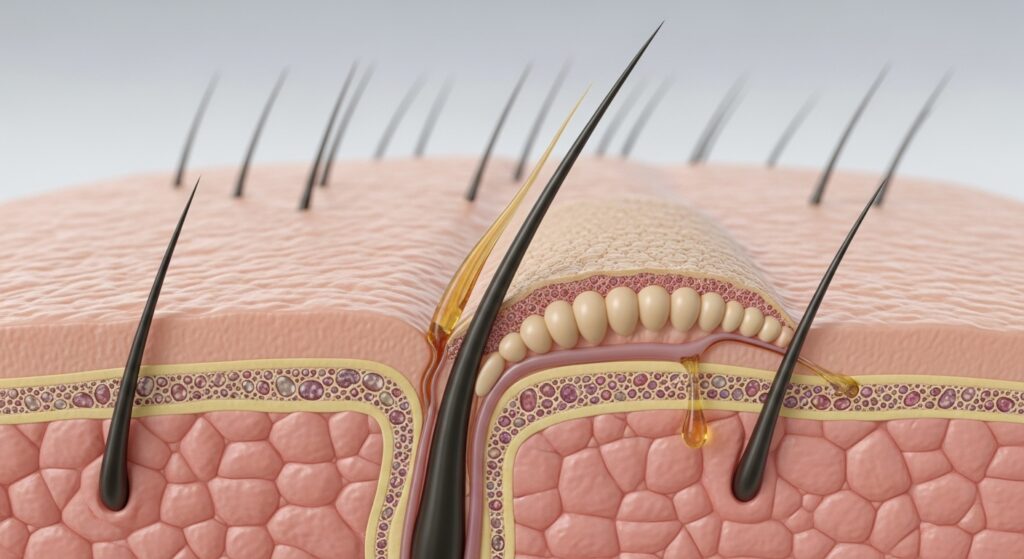
Before we can fix the problem, we need to understand what’s causing it. Sebum, the natural oil produced by sebaceous glands in your scalp, isn’t the enemy. In fact, it’s essential for keeping your hair moisturized, shiny, and protected. The issue arises when there’s an overproduction or uneven distribution of this oil.
Several key factors contribute to excessively greasy hair:
Over-washing and Harsh Shampoos: This is often the primary culprit. Sulfate-heavy shampoos are designed to deeply cleanse, but they can be too effective, stripping your scalp of all its natural oils. In response, your sebaceous glands panic and produce even more oil to rehydrate the scalp, leading to greasiness sooner than before.
Hormonal Fluctuations: Hormones play a massive role in oil production. Puberty, menstrual cycles, pregnancy, and menopause can all trigger changes that make your hair greasier. Androgens, in particular, are known to stimulate the sebaceous glands.
Product Buildup: Using heavy conditioners, styling creams, and serums can leave a residue on your scalp and hair. This buildup can mix with your natural sebum, weighing hair down and making it look oily faster.
Brushing Too Much or With the Wrong Brush: Every time you brush your hair, you’re essentially distributing the oils from your scalp down the hair shaft. While this can be beneficial for adding shine to dry ends, over-brushing, especially with a plastic brush, can spread oil too quickly and stimulate the scalp to produce more.
Diet and Lifestyle: A diet high in processed foods and sugars can influence oil production. Additionally, stress increases cortisol levels, which can also lead to an oilier scalp.
The “Transition Period”: Retraining Your Hair and Scalp
When you decide to extend the time between washes, you must be prepared for a transition period. Your scalp is accustomed to a certain routine, and it will take time for it to adjust to a new one. This period can last anywhere from two to six weeks.
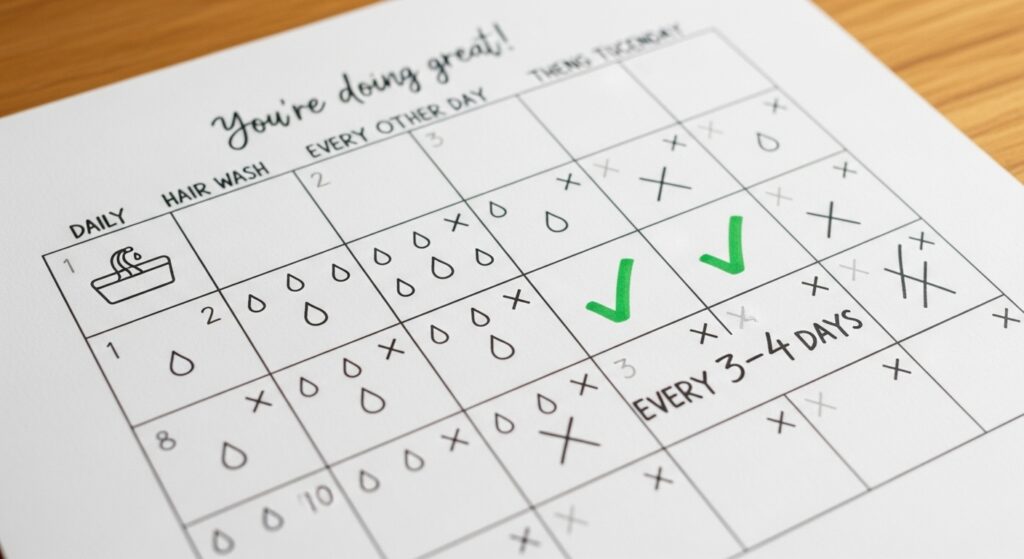
During this time, you might feel like your hair is greasier than ever. Do not be discouraged. This is a normal part of the process. You are essentially teaching your sebaceous glands that they don’t need to work overtime. Start by gradually adding an extra half-day or full day between your usual washes. If you typically wash daily, aim for every other day. After a couple of weeks, try stretching it to every two and a half days, and so on.
To manage the grease during this phase, you’ll need some tools in your arsenal, which brings us to our next section. The key is consistency and patience—your hair will thank you for it.
Your Game Plan: Actionable Steps to Beat the Grease
Extending your wash cycle isn’t just about suffering through oily hair. It’s about actively managing it with the right techniques and products. Here is your step-by-step game plan.
1. Rethink Your Washing Technique
How you wash your hair is just as important as how often. Always focus shampoo on your scalp only. The goal is to cleanse the area where oil is produced. Let the suds rinse through the lengths of your hair—this is enough to clean them. Conversely, focus conditioner on your mid-lengths and ends. Avoid applying conditioner directly to your roots, as it can contribute to buildup and weigh hair down.
2. Choose the Right Shampoo and Conditioner
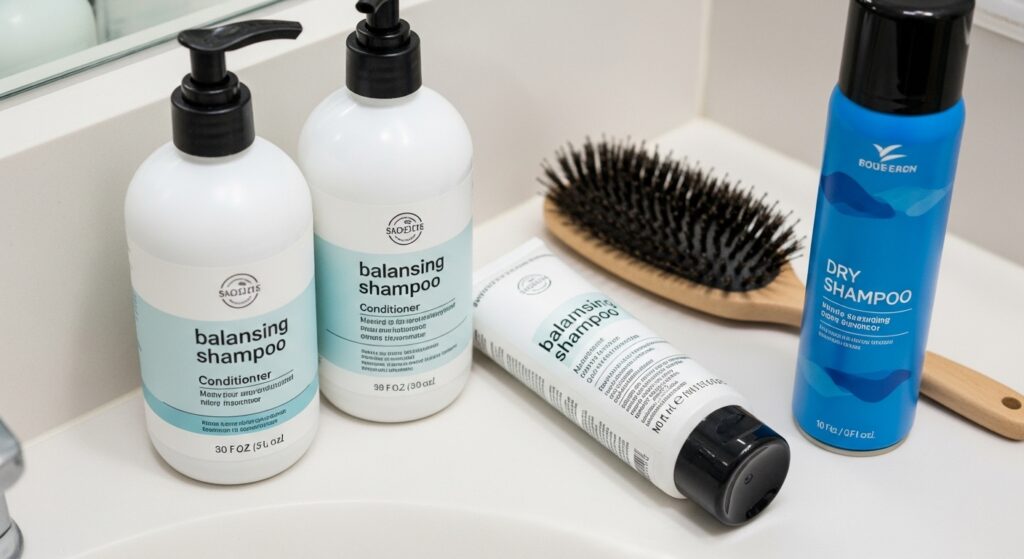
Ditch the heavy, moisturizing shampoos and look for clarifying or balancing formulas. Shampoos with sulfates can be too stripping, but switching to a gentle, sulfate-free formula is key. Look for labels like “volumizing,” “balancing,” or “clarifying.” Ingredients like tea tree oil, salicylic acid, or witch hazel can help regulate oil. Once a week, use a clarifying shampoo to remove any stubborn product buildup.
3. Embrace the Power of Dry Shampoo (The Right Way)
Dry shampoo is your best friend during this process, but technique matters. Apply it to your roots before your hair gets greasy, perhaps on the second day as a preventative measure. Don’t just spray and go. Section your hair, hold the can 6-8 inches away, and spray at the roots. Let it sit for a minute or two to absorb the oils, then massage it in with your fingertips and brush it out thoroughly.
4. Adjust Your Styling Habits
Heat styling can stimulate oil production. Try to air-dry your hair whenever possible and minimize the use of hot tools. When you do use heat, always apply a heat protectant. Avoid touching your hair throughout the day, as the oils from your fingers can transfer to your strands. Also, be mindful of how you use styling products—opt for lightweight, alcohol-free mousses or texturizing sprays instead of heavy oils and creams.
5. Switch Up Your Brushing Routine
Use a boar bristle brush instead of a plastic one. Natural boar bristles are excellent at distributing your scalp’s natural oils evenly from root to tip, which can prevent a greasy-looking root area while conditioning the drier ends. However, don’t overdo it. A few strokes in the morning and evening are sufficient.
Pro Tips and Life Hacks for Fresh-Looking Hair
Beyond the basics, a few clever tricks can make a world of difference in your quest for less greasy hair.
The Double Shampoo Method: On wash day, don’t just lather once. Do a first shampoo to break up oil and product buildup, rinse, and then do a second shampoo to deeply cleanse the scalp. You’ll be amazed at how much cleaner your hair feels.
Overnight Dry Shampoo: For a super-effective dry shampoo application, spray it onto your roots before you go to bed. This gives the formula hours to absorb oil, and you’ll wake up with effortlessly fresh, voluminous hair.
Experiment with Hairstyles: On days when your hair is feeling less than fresh, stylish updos are your savior. A sleek high ponytail, a messy bun, or a chic braid can conceal oily roots and look intentionally fashionable.
Rinse with Cool Water: When you do wash your hair, finish with a cool water rinse. This helps to close the hair cuticle, add shine, and can temporarily slow down oil production.
Keep Your Tools Clean: Regularly wash your hairbrhes, combs, and even your pillowcases. Oil and product residue accumulate on these items and can be transferred back to your clean hair.

What to Do in an Emergency: Quick Fixes for Super Greasy Hair
We’ve all been there—a busy week, a missed alarm, and suddenly you have a greasy hair emergency with no time to wash. Don’t panic. Here are some quick fixes:
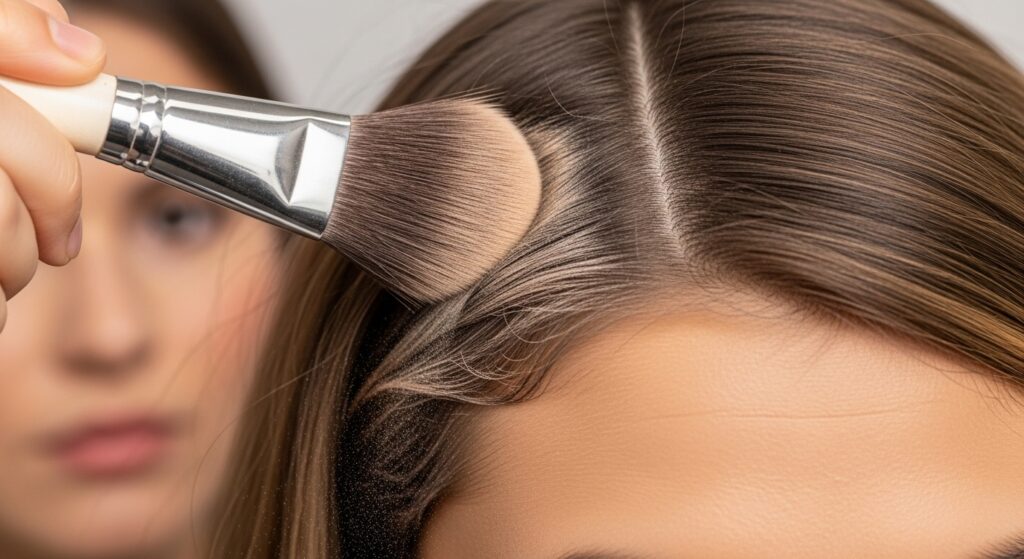
Baby Powder or Cornstarch: If you’re out of dry shampoo, a small amount of baby powder or cornstarch can work wonders. Make sure it matches your hair color (cocoa powder can work for dark hair). Dip a makeup brush into the powder and tap it lightly along your part and roots to absorb grease without leaving a white cast.
Blotting Papers: Yes, the ones you use for your face! Gently press a blotting paper along your part and hairline to soak up excess surface oil instantly.
The “Refresh” Rinse: If your hair is limp and oily but your scalp doesn’t feel dirty, hop in the shower and rinse your hair with water only. Massage your scalp as you rinse. Then, apply a very small amount of conditioner only to your ends. This can revive your style and add a bit of life back without a full wash.
Embracing a New Routine for Healthier Hair
Extending the time between hair washes is a journey, not a destination. It requires patience, a willingness to experiment, and a shift in perspective. By understanding your scalp’s biology, choosing the right products, and mastering techniques like strategic dry shampoo application, you can successfully break the cycle of over-washing.
The rewards are well worth the effort. You’ll not only save time and money on products, but you’ll also be rewarded with hair that is more balanced, has more natural volume, and is overall healthier. Your strands will be less prone to damage and your color will last longer. So, take a deep breath, be patient with the process, and get ready to say hello to your best, most resilient hair yet.