Hair Breakage: Identify and Stop the Damage
You run a brush through your hair and see more strands than usual in the bristles. You notice shorter, frizzy pieces that stick out awkwardly instead of blending with the rest of your length. You wonder why your hair just won’t grow past a certain point, no matter how long you wait. If this sounds familiar, you’re likely dealing with a common but frustrating issue: hair breakage.
Unlike hair shedding, which is a natural part of the hair growth cycle, breakage is a sign of damage. It’s your hair’s cry for help, indicating that the protective outer layer has been compromised, leaving the inner core weak and vulnerable to snapping. The good news? It’s often preventable. This guide will arm you with the knowledge to identify the culprits behind your hair breakage and provide a clear, actionable plan to stop the damage in its tracks and reclaim your healthy, strong hair.
Hair Breakage vs. Hair Shedding: Knowing the Difference
Before we dive into solutions, it’s crucial to understand what you’re dealing with. Many people confuse breakage with shedding, but they are fundamentally different processes.
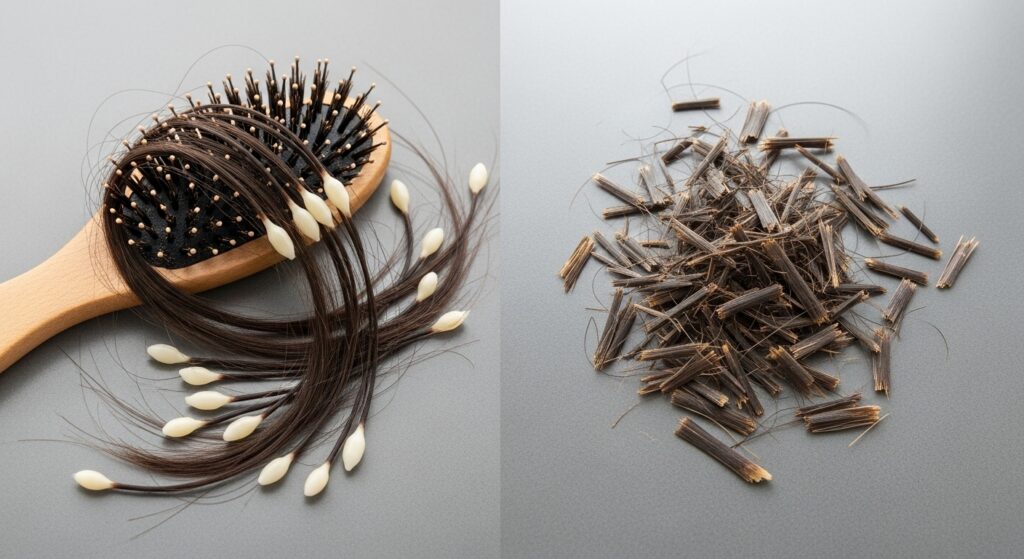
Hair Shedding is a normal, healthy function. Every day, you naturally shed between 50 to 100 hairs as part of the telogen, or resting, phase of the hair growth cycle. These hairs have a small, white bulb at the root, which is the sign of a complete hair that has reached the end of its life. Factors like stress, diet, or hormonal changes can temporarily increase shedding (a condition called telogen effluvium), but it typically resolves itself.
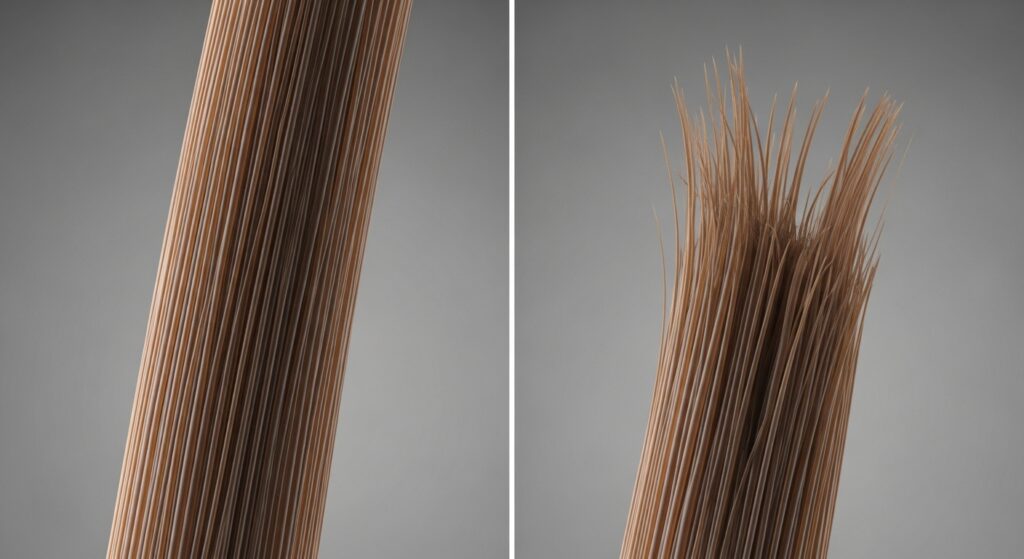
Hair Breakage, on the other hand, is a sign of damage. These strands break off somewhere along the shaft, not at the root. You’ll see shorter pieces of hair without a bulb, often creating a frizzy, uneven appearance and preventing you from achieving length. Breakage is not a natural process; it’s a direct result of external or internal stressors weakening the hair’s structure.
The Top Culprits: What’s Causing Your Hair to Break?
To effectively stop breakage, you must first play detective and identify the root cause. Hair breakage is rarely due to a single factor; it’s often a combination of several habits and conditions.
1. Over-Processing with Chemicals: This is one of the biggest offenders. Chemical treatments like bleaching, coloring, perming, and relaxing fundamentally alter your hair’s structure. They break down the disulfide bonds that give hair its strength and elasticity. Once these bonds are compromised, the hair becomes porous, weak, and highly prone to snapping.
2. Excessive Heat Styling: Flat irons, curling wands, and blow dryers are fantastic tools for creating beautiful styles, but frequent high-heat use is devastating for hair health. Intense heat boils the water inside the hair shaft, creating tiny steam bubbles that weaken the fiber from the inside out, leading to brittleness and breakage.
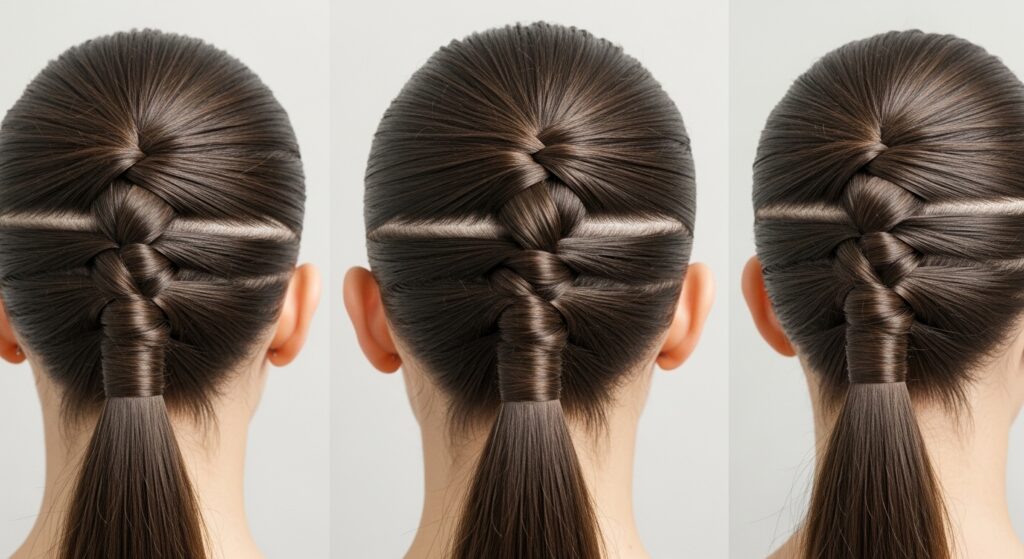
3. Mechanical Damage: This is the physical stress we put on our hair every day. Rough towel-drying creates immense friction that roughs up the cuticle. Brushing too aggressively, especially when hair is wet and at its most fragile, can stretch and snap strands. Even tight hairstyles like ponytails, braids, and buns can cause tension breakage along the hairline and at the points where hair ties grip the hair.
4. Lack of Moisture and Protein: Think of your hair as needing a careful balance. Moisture gives hair flexibility and prevents it from becoming dry and brittle. Protein provides the structural integrity and strength. An imbalance—either too much of one or not enough of the other—can lead to breakage. Hair that stretches and doesn’t return is often moisture-deficient, while hair that feels stiff and snaps easily may be protein-overloaded.
5. Environmental Aggressors: Don’t underestimate the power of your environment. Prolonged sun exposure can degrade the hair’s protein structure, much like it damages your skin. Wind can tangle and cause friction, while low humidity can zap moisture, and high humidity can cause frizz, leading to more brushing and breakage.
6. Nutritional Deficiencies: Your hair is a reflection of your internal health. A lack of essential nutrients like iron, biotin, zinc, and protein can result in weak, brittle hair that is more susceptible to breaking. Your body will prioritize vital organs over hair growth when nutrients are scarce.
How to Identify Hair Breakage: The Tell-Tale Signs
You don’t need a microscope to diagnose breakage. Your hair and your styling tools will give you clear signals if you know what to look for.
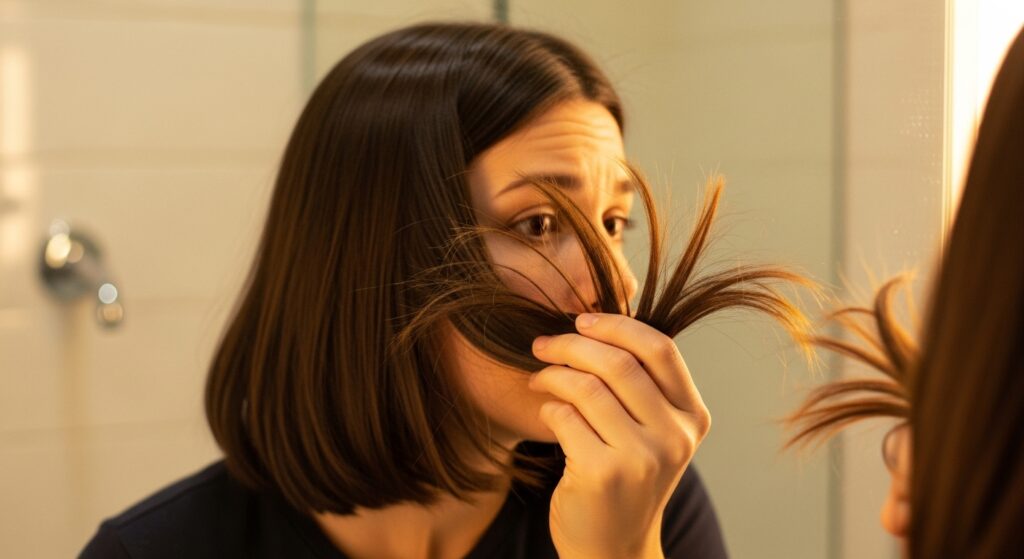
The Frizz That Won’t Settle: Are the ends of your hair or the crown area surrounded by a halo of shorter, frizzy hairs that won’t lay smooth? This is often broken hair, not new growth. New growth is typically soft and lies flat against the scalp, while breakage is erratic and frizzy.
Uneven Hair Length and Thinning Ends: Run your hands through your hair. Does it feel uneven? Do the ends look see-through and wispy instead of a thick, blunt line? This is a classic sign that hair is breaking off at different points, preventing a uniform length.
Your Hair Won’t Grow Past a Certain Length: This is the ultimate frustration for many. If your hair seems stuck at shoulder length or another milestone, it’s not that it’s stopped growing. It’s likely that the rate of breakage at the ends is equal to the rate of growth from the roots, creating a frustrating plateau.
Excessive Tangling and Shedding During Brushing: While some shedding is normal, if you notice an abundance of short, broken pieces mixed in with your shed hairs during brushing or washing, breakage is a significant issue.
Your Action Plan: How to Stop Hair Breakage and Repair the Damage
Now for the solution. Reversing breakage requires a consistent, multi-pronged approach focused on prevention and nurturing. You can’t glue broken hair back on, but you can ensure the new hair that grows is strong and protect the existing length from further harm.
1. Adopt a Gentler Hair Care Routine:
Wash with Care: Use a sulfate-free shampoo to avoid stripping natural oils. Concentrate shampoo on the scalp and let the suds run through the ends when you rinse.
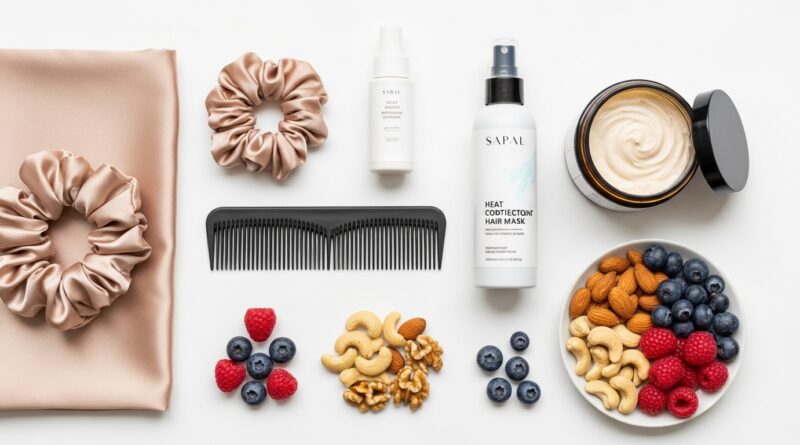
Condition Diligently: Always use a conditioner after every wash, focusing on the mid-lengths to ends. Once a week, treat your hair to a deep conditioning mask or a hot oil treatment to replenish moisture.
Pat, Don’t Rub: After washing, gently squeeze out excess water and pat your hair dry with a microfiber towel or an old cotton t-shirt. These materials create far less friction than a regular bath towel.
2. Master Heat Styling Safety:
Lower the Temperature: You do not need the highest setting on your tools. For fine hair, stay between 250-300°F. For normal to thick hair, 300-350°F is sufficient. For coarse, curly hair, you may need up to 400°F, but always start low.
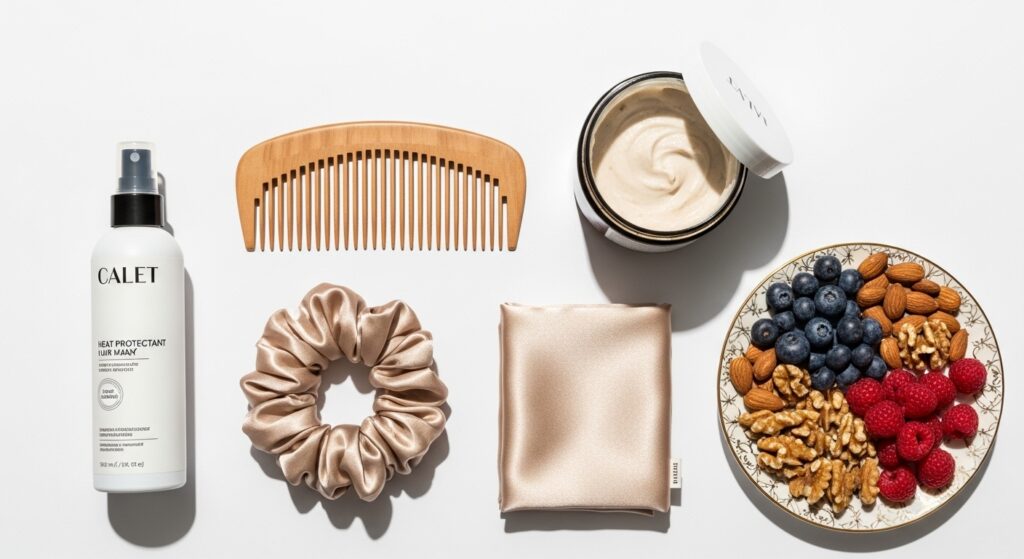
Always Use a Heat Protectant: This is non-negotiable. A good heat protectant spray creates a barrier between your hair and the heat, minimizing damage.
Embrace Heat-Free Styles: Give your hair a break! Try heatless curling methods, embrace your natural texture, or opt for chic braids and buns.
3. Be Mindful of Mechanical Stresses:
Detangle Properly: Always use a wide-tooth comb or a detangling brush, starting from the ends and working your way up to the roots gently. Never rip a brush through tangled hair.
Switch to Gentle Hair Ties: Ditch the standard elastic bands with metal parts. Use spiral hair ties, soft scrunchies, or silk-covered bands that grip without snagging.
Protect Your Hair at Night: Sleep on a silk or satin pillowcase. These materials create less friction than cotton, preventing tangles and breakage as you toss and turn. Alternatively, wrap your hair in a silk or satin scarf.
4. Balance Moisture and Protein:
Learn What Your Hair Needs: If your hair is gummy, stretches, and feels mushy when wet, it needs protein. Use a reconstructing treatment. If it’s dry, brittle, and rough, it needs moisture. Use a deep hydrating mask.
Trim Regularly: This is the single most effective way to get rid of existing split ends and prevent them from traveling up the hair shaft and causing more breakage. Aim for a trim every 8-12 weeks.
5. Support Your Hair from the Inside Out:
Eat a Balanced Diet: Ensure you’re getting enough protein, iron, omega-3 fatty acids, and vitamins. Good sources include eggs, fish, leafy greens, nuts, and seeds.
Stay Hydrated: Drinking enough water is crucial for overall health, including the health of your hair.
Consider Supplements: If you struggle to get nutrients from food, a biotin or collagen supplement may help, but always consult with a doctor first.
When to Seek Professional Help
While most breakage can be managed with at-home care, there are times when it’s best to consult a professional. If you’ve made significant changes to your routine but see no improvement, or if the breakage is severe and accompanied by scalp issues like itching, redness, or bald patches, it’s time to see a dermatologist or a trusted trichologist. They can rule out underlying medical conditions like thyroid disorders, hormonal imbalances, or autoimmune diseases that can affect hair health.
Remember, repairing hair breakage is a marathon, not a sprint. It requires patience, consistency, and a shift in how you treat your hair. By identifying the causes, implementing these protective strategies, and nurturing your hair from the inside out, you can stop the cycle of damage. You’ll be well on your way to stronger, longer, and healthier hair that doesn’t just look good—it feels resilient and full of life.