How to Make Thin Hair Look Thicker With Styling
If you have fine or thin hair, you know the daily struggle. You dream of volume, body, and that effortless, full-looking mane, but often feel like your hair falls flat the moment you step out the door. What if we told you that the secret to thicker-looking hair isn’t just in your genes or expensive treatments, but largely in your styling arsenal? The truth is, with the right techniques and a few pro secrets, you can create the illusion of dramatically thicker hair every single day.

The Foundation: Start with the Right Haircut
Styling thin hair for thickness begins long before you pick up a blow-dryer. It starts in the salon chair. The absolute most important factor for creating the appearance of thicker hair is a strategic haircut. The wrong cut can weigh hair down, making it look sparser, while the right one builds volume and movement into its very structure.
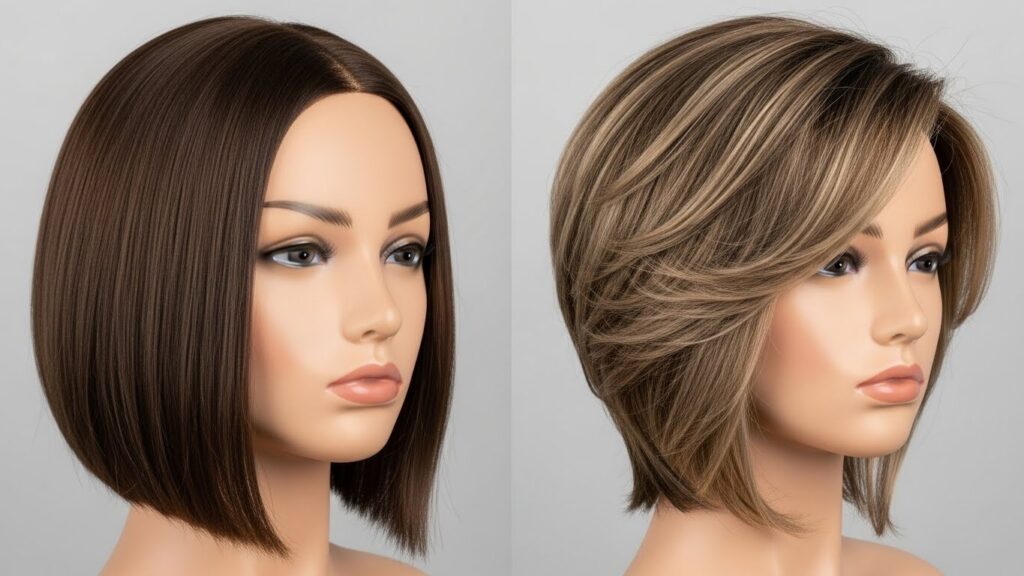
Ask your stylist for layers—but not the chunky, heavy layers of the past. Opt for long, subtle layers or feathered ends that remove weight from the bottom without sacrificing length. This allows the hair to lift at the roots and move freely. A blunt cut can also be a fantastic option for fine hair, as it creates a solid, uniform line that gives the appearance of density, especially when paired with textured ends. For shorter styles, consider a pixie with lots of texture or a bob with angled ends that frame the face. The key is to avoid one-length, heavy cuts that cling to the scalp.
Product Power: Your Volumizing Toolkit
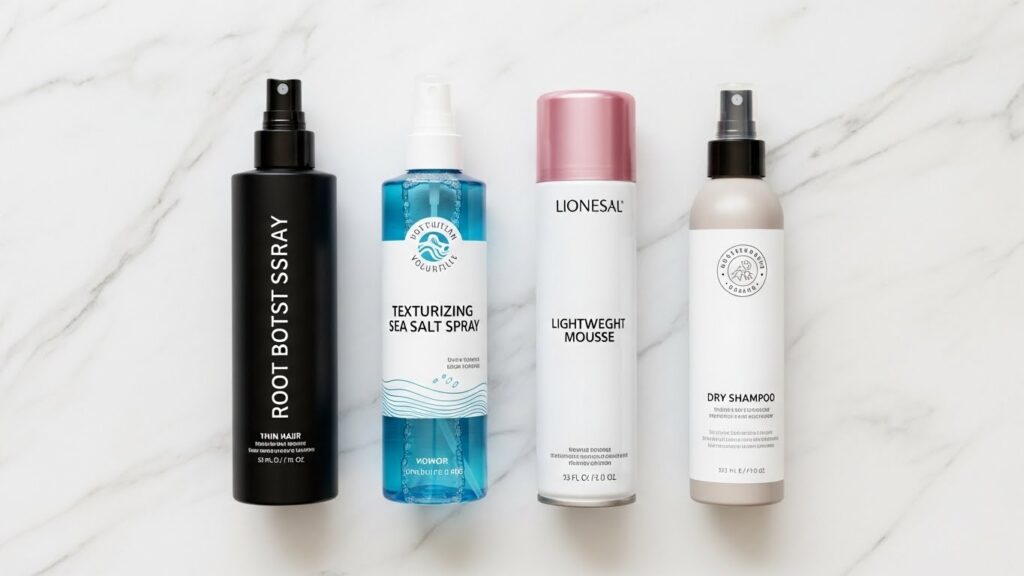
You wouldn’t build a house without the right tools, and you can’t build volume without the right products. The market is flooded with options, but for thin hair, you need targeted heroes. Your core toolkit should include a volumizing shampoo and conditioner that cleanse without heavy residues. Follow this with a root-lifting spray or mousse applied to damp roots—this is non-negotiable for lift. For added grit and hold, a texturizing spray or dry shampoo (even on clean hair) is a game-changer, creating friction and separation between strands to boost overall fullness.
When applying products, technique matters. For root boosters, lift sections of hair and spray directly at the roots. For mousses, distribute evenly from mid-lengths to ends before focusing on the roots. And remember: less is often more. Overloading fine hair with product can have the opposite effect, making it look greasy and limp. Start with a small amount and build up as needed.
The Art of the Blowout: Root Lift is Everything
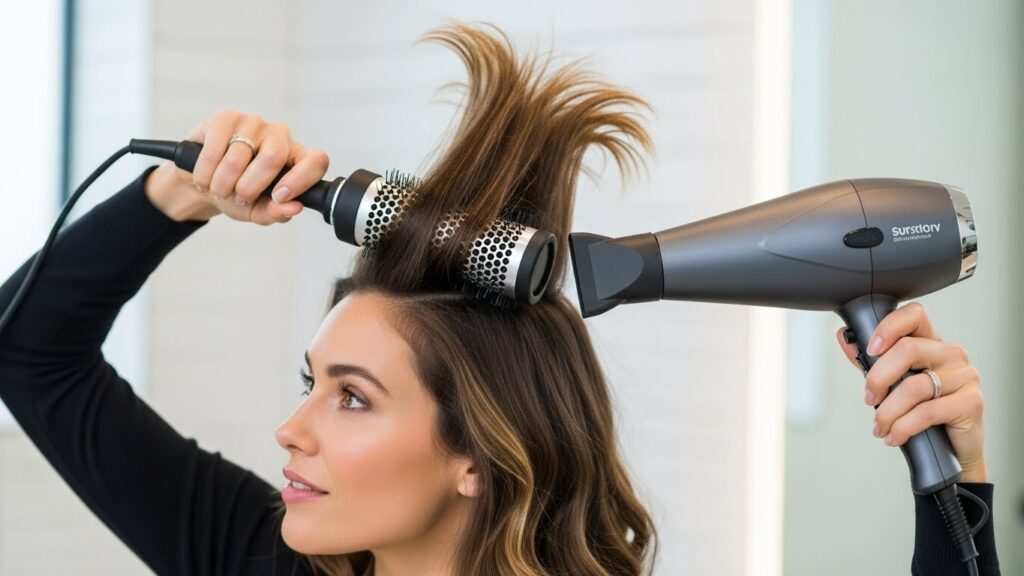
This is where the magic happens. Mastering the blow-dry is the single most effective way to add lasting volume. After applying your root booster to towel-dried hair, start by flipping your head upside down and blow-drying the roots until they are about 80% dry. This rough-dries the hair with maximum lift at the base.
Next, use a round brush to direct the hair away from the scalp. For crown volume, take a vertical section at the top of your head, lift it straight up, and dry the roots first before smoothing the length. Always direct the airflow from the roots to the ends, following with your brush, to seal the cuticle and create shine. For an extra boost, try the “cool shot” button at the end of styling each section. The blast of cool air sets the shape, locking in that lift.
Strategic Styling: Curls, Waves, and Texture
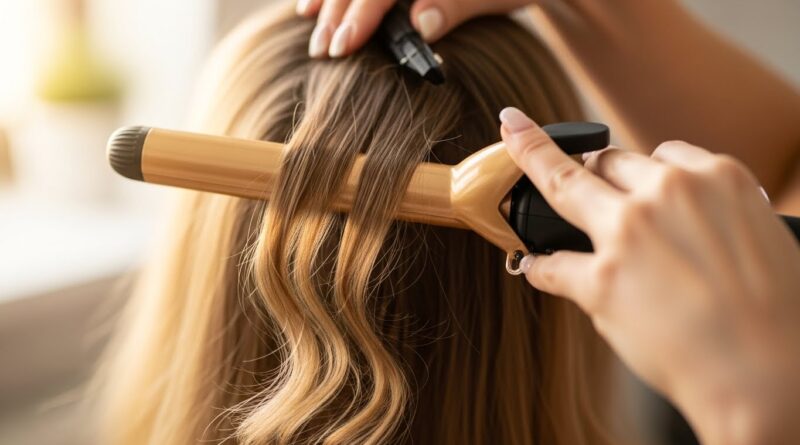
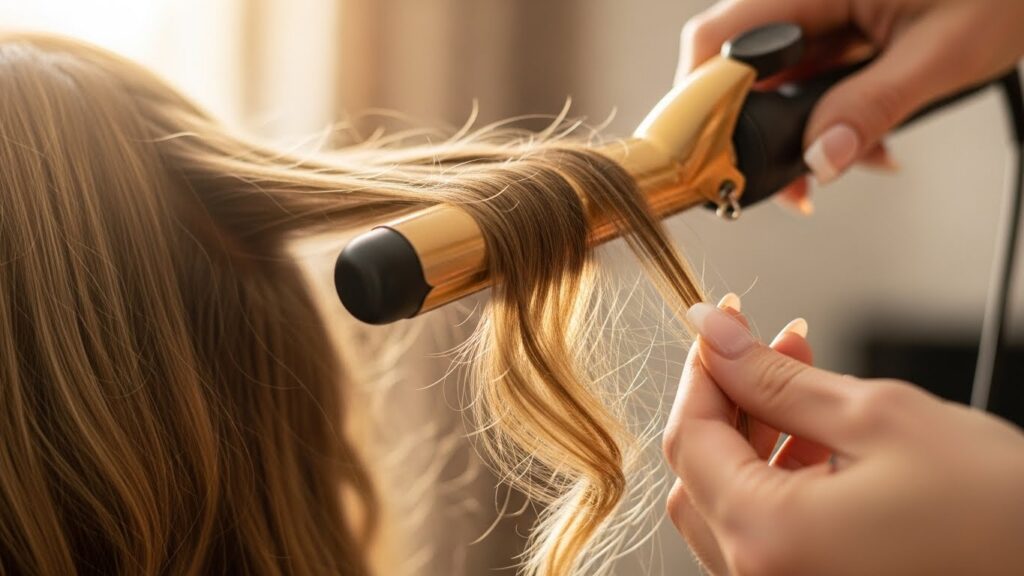
Straight, sleek styles can often emphasize the flatness of thin hair. Introducing wave, curl, or texture is your secret weapon. The goal isn’t perfect ringlets, but rather bend, movement, and separation. Use a curling wand or iron to create loose, alternating waves. Let them cool completely, then gently run your fingers through them to break up the pattern. This creates visual width and body.
No heat? No problem. Overnight braiding or using foam rollers can give you beautiful, lived-in texture. The principle is simple: straight lines make hair look flatter, while broken-up lines and curves create the illusion of depth and fullness. Even simply twisting small sections of dry hair and pinning them up for 10 minutes, then releasing, can add surprising volume.
Backcombing & Teasing: The Professional’s Secret
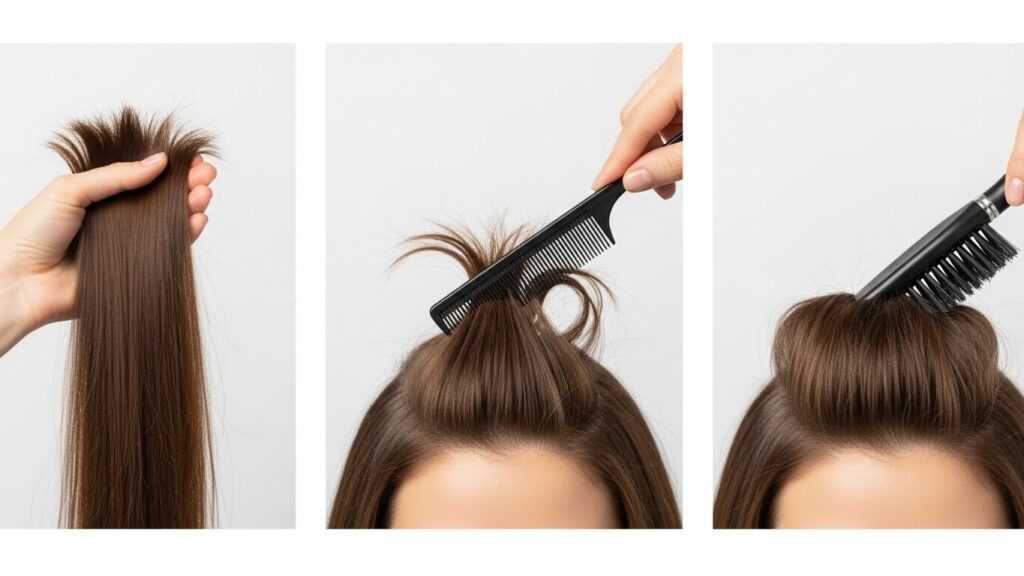
Often misunderstood, backcombing (or teasing) is a precise art that, when done correctly, is the ultimate instant volumizer. The key is to be gentle and strategic. Take a small section of hair where you need lift (usually at the crown). Hold it straight up, and using a fine-tooth comb, make short, gentle strokes downward toward the scalp, only on the underside of the section. Do this just 2-3 times.
Then, gently smooth the top layer over the teased base. This creates a cushion of air and hair at the roots that supports the top layer, giving you dramatic lift without damaging the hair’s surface. Always use a light-hold hairspray on the teased base before smoothing the top layer to lock it in place.
Color and Dimension: The Visual Illusion
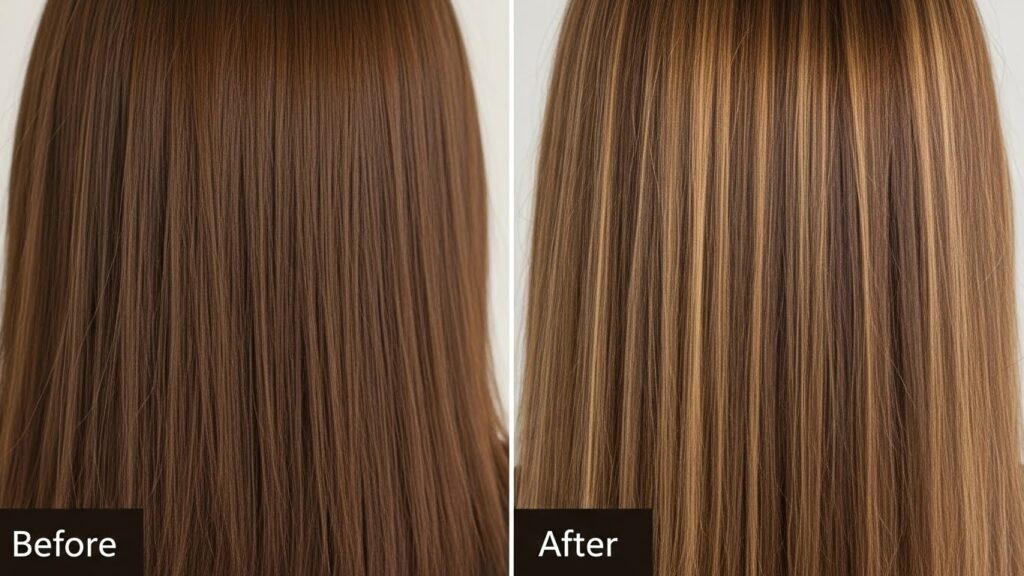
Styling isn’t just about tools and techniques; color can be a powerful styling tool in itself. Solid, flat color can make hair look like a single, thin sheet. Introducing subtle highlights, lowlights, or balayage creates contrast and depth. These lighter and darker strands catch the light differently, creating a multi-dimensional effect that makes hair appear to have more body and thickness.
Even if you don’t want to go lighter, a gloss or glaze in a shade similar to your natural color can add incredible shine and dimension. Shiny hair reflects light, which enhances the perception of health and volume. Talk to your colorist about adding “babylights” or fine highlights around the face and crown for a natural, brightening effect.
Daily Habits and Final Touches
Your styling success is also supported by daily habits. Sleep on a silk or satin pillowcase to reduce friction and prevent breakage and bedhead. When applying finishing products like hairspray, hold the can at least 10 inches away and spray in a sweeping motion to avoid wet, heavy spots. Dry shampoo is your best friend—not just for absorbing oil, but for adding texture and grip on day-two or even clean hair.
Finally, know when to stop. Over-styling can lead to damage, which in turn leads to breakage and thinner-looking hair. Embrace a little imperfection; sometimes, the most voluminous looks come from a slightly undone, textured style. You now have the knowledge and the techniques. With these styling strategies in your repertoire, thin hair is not a limitation—it’s a canvas for creating stunning, thick-looking volume every day.