How to Style Bangs Between Salon Visits
You left the salon feeling like a brand-new person, your fringe perfectly framing your face, light as air, and cutting just at the right spot. Fast forward three weeks, and the story has changed. Your once-chic bangs are now grazing your eyelashes, splitting in odd directions, or refusing to hold their shape. Sound familiar? Bangs are a fabulous style commitment, but they come with a notorious need for upkeep. The good news? You don’t have to live with awkward, in-between fringe or book weekly salon appointments.

The Golden Rules of At-Home Bang Trimming
Let’s address the elephant in the room: trimming. The thought can be terrifying, but with extreme caution and the right method, you can safely take matters into your own hands. The key is micro-trimming—taking off the tiniest amount possible—rather than attempting a major reshape.
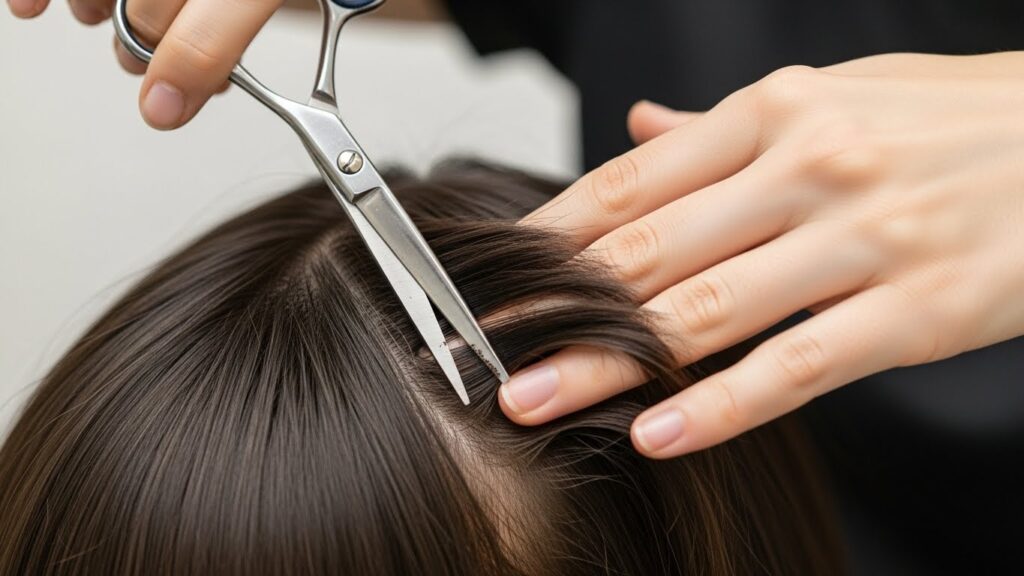
First, always start with dry, styled hair. Hair shrinks when it dries, so cutting wet bangs is a recipe for disaster. Use proper, sharp hair-cutting scissors (never kitchen or craft scissors!) as they create a clean cut without fraying the ends. Comb your bangs straight down and use your eyebrows or the bridge of your nose as a guide. Hold the scissors vertically and make small, snip-by-snip cuts into the ends of your hair. This “point cutting” technique creates a soft, blended line that’s far more forgiving than a blunt, straight-across chop.
Pro Tip: If you have curtain bangs, trim them at an angle, following their natural shape. For thicker, blunt bangs, you can carefully cut straight across, but pull the hair slightly away from your forehead to avoid cutting them too short. Remember, you can always take more off, but you can’t put it back!
Wash and Go: The Bang-Specific Hair Care Routine
Your overall hair wash routine might not serve your bangs well. Since bangs sit on your forehead, they collect more oil, sweat, and product residue than the rest of your hair. This often means they need to be washed more frequently. Instead of washing your entire head daily, which can dry out your lengths, focus on washing just your bangs.
Lean over the sink, wet your fringe, apply a small amount of shampoo, and gently massage. Rinse thoroughly and either blow-dry or let air dry. This spot-cleaning trick is a game-changer for maintaining volume and freshness. When you do a full wash, consider using a clarifying shampoo once a week on your bangs to remove stubborn product buildup that can weigh them down.
Conditioner application is also crucial. Avoid applying heavy conditioner directly to your bang roots. Focus conditioner on the mid-lengths and ends of your hair, letting only the residual suds run through your fringe as you rinse. This prevents your bangs from becoming greasy and flat by midday.

Mastering the Art of the Blow-Dry
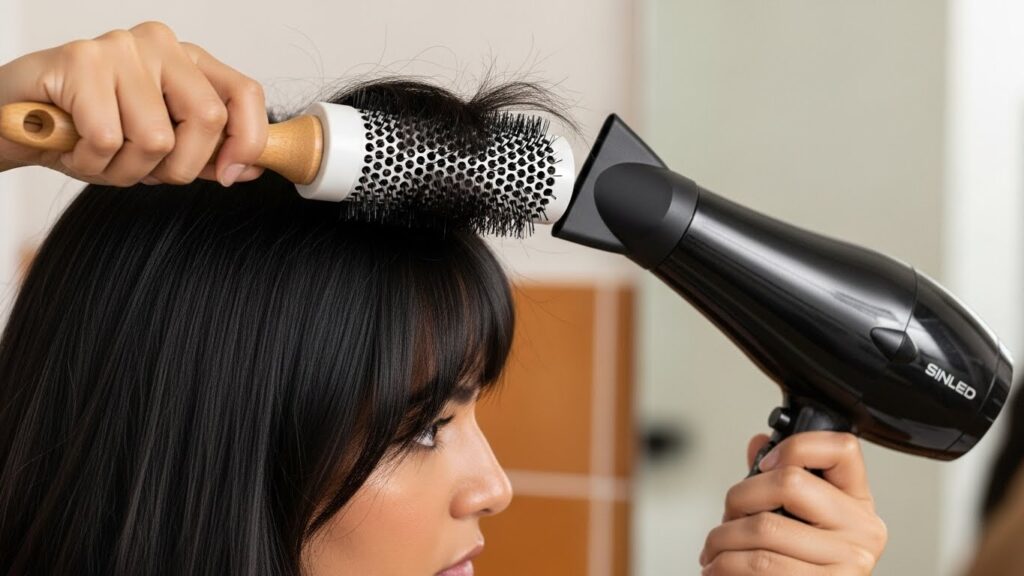
A proper blow-dry is the single most important skill for perfect bangs. It sets their shape, direction, and volume. Start by towel-drying your hair gently, then apply a heat protectant and a light volumizing mousse or spray to your bangs. Using a round brush (the diameter depends on your desired curl: smaller for more curl, larger for a gentle bend), section your bangs.
Lift the brush at the roots and direct your dryer nozzle downward, following the brush with the airflow. This smooths the cuticle for shine. For volume, roll the brush under and hold for a few seconds with heat, then let cool on the brush before releasing. If you have a side-swept bang, direct the airflow and brush in the direction of the sweep. The final step is always a blast of cool air to set the style.
Heat-Free Styling and Second-Day Revival
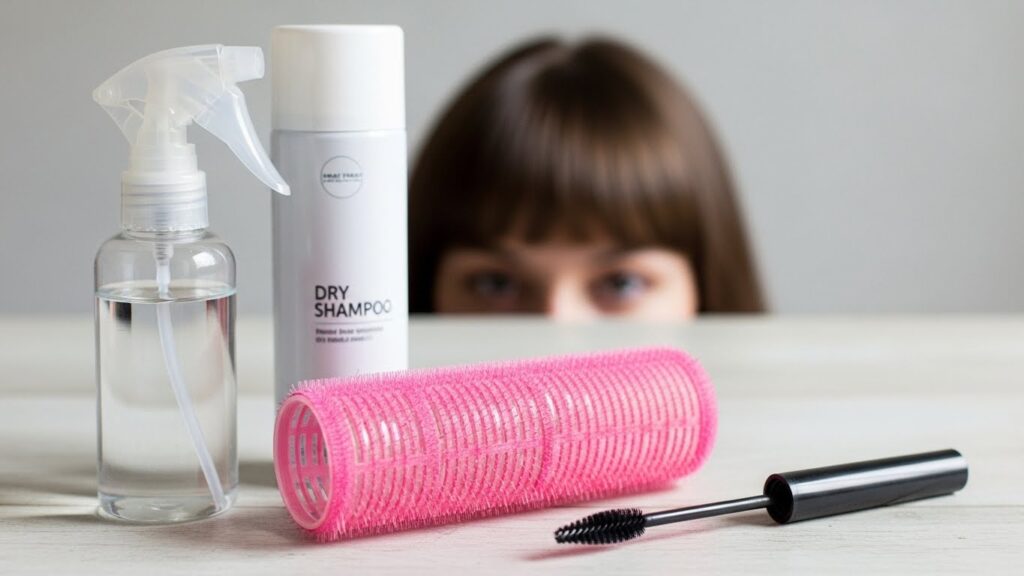
Not every day requires heat styling. For refreshing second or third-day bangs, a few clever tricks can work wonders. If they’ve lost their shape but aren’t oily, lightly mist them with water or a mix of water and conditioner in a spray bottle. Then, roll them around your fingers or a large-barrel curling brush and let them air dry or use a cool shot from your dryer.
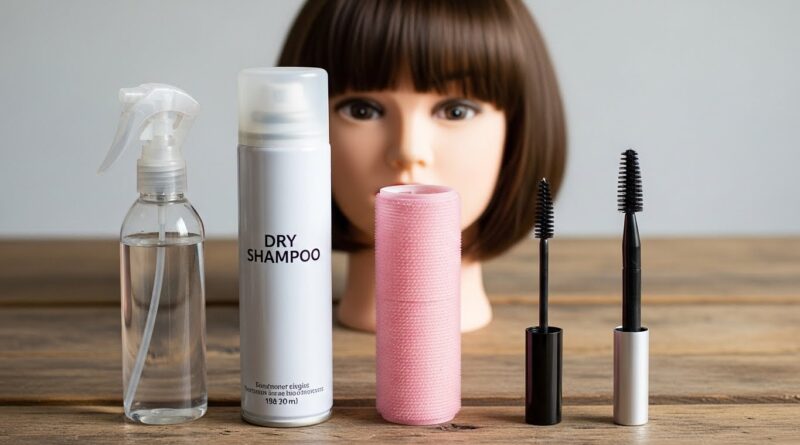
For greasy roots, dry shampoo is your best friend. Spray it at the roots of your bangs, wait a minute for it to absorb oils, then gently brush or fluff through. You can also use a clean mascara wand to distribute the product and separate hairs. Another brilliant tool is velcro or fabric hair rollers. Roll your dry, second-day bangs up and leave them in while you do your makeup. When you take them out, you’ll have instant volume and bounce without any heat.
Taming Common Bang Disasters
Every bang-wearer faces specific challenges. Here’s how to tackle them head-on:
The Cowlick: If you have a stubborn crown cowlick that parts your bangs, you need to train it while wet. Blow-dry the area in the opposite direction of the cowlick first, using tension with your brush. Once it’s 90% dry, then direct it into your desired style. A strong-hold hairspray at the roots can help keep it in place.
Frizz and Flyaways: A tiny drop of hair serum or a light-hold hair wax rubbed between your fingertips and smoothed over the surface of your bangs can instantly tame frizz. For flyaways, a toothbrush sprayed with a light-hold hairspray can gently coax them back into place.
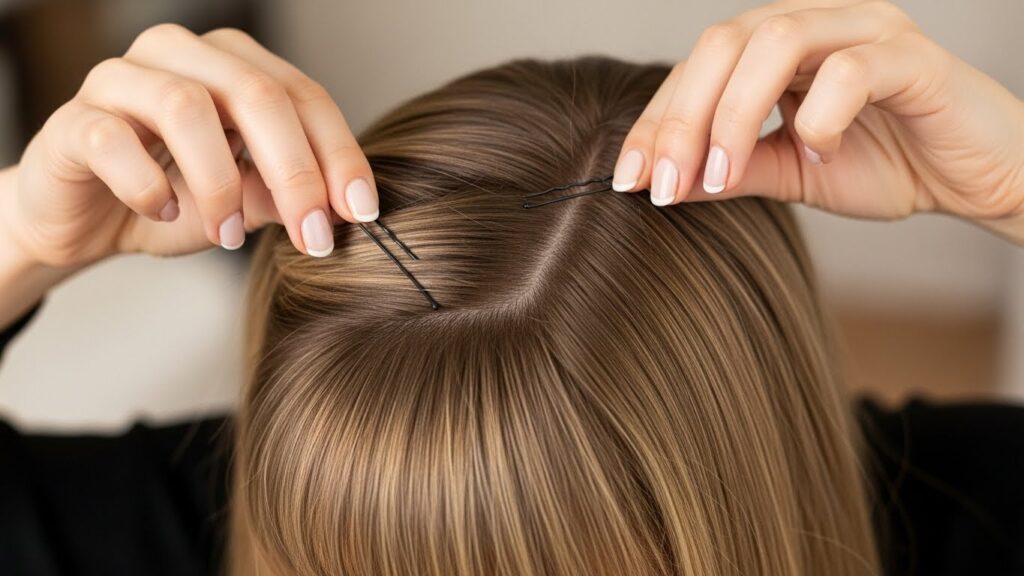
The Awkward Growth Phase: When bangs are too long to be bangs but too short to blend, accessories are your savior. Use cute bobby pins, mini-clips, or a stylish headband to sweep them to the side or pin them back. This creates a polished look while you grow them out or wait for your next trim.
Product Arsenal: What You Really Need
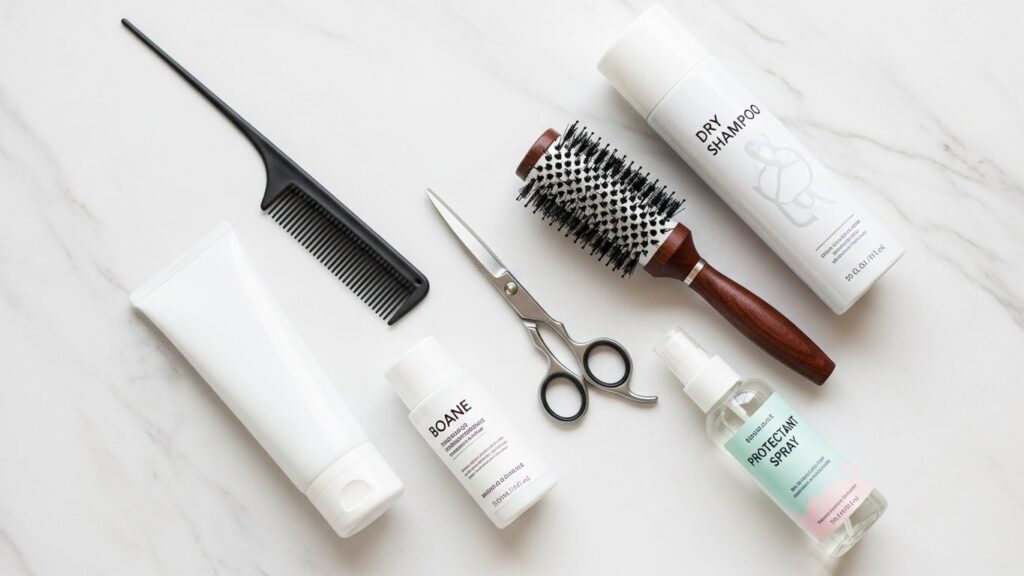
You don’t need a cabinet full of products, but a few strategic items make all the difference. Build your bang toolkit with: Sharp Hairdressing Scissors (for trims only), a Heat Protectant Spray, a Volumizing Mousse or Root Lift Spray, a Small Round Brush, a Fine-Tooth Comb for precise parting, a Dry Shampoo, and a Light-Hold Hairspray or texturizing spray for finishing.
Less is more. Applying too much product, especially heavy creams or oils, will flatten your fringe. Start with a small amount—you can always add more.
Knowing When to Surrender to the Pros
While this guide empowers you to handle maintenance, there are times to book the appointment. If you want to change the shape or style of your bangs (e.g., from blunt to curtain), let a professional do it. If you’ve had a trimming mishap, a stylist can often blend and fix it. And of course, for your regular haircuts, have your stylist reshape and re-establish the baseline for your bangs to make at-home upkeep easier.
Styling your bangs between salon visits isn’t about perfection; it’s about confidence and convenience. With these techniques in your back pocket, you can extend the life of your haircut, save time and money, and ensure your fringe looks intentional and stylish every day. Your bangs are a signature part of your look—now you have the power to keep them looking their absolute best.