How to Style Hair Without Overworking It
We’ve all been there: standing in front of the mirror, heat tool in hand, trying to achieve that perfect wave or sleek blowout. You curl, you brush, you spray, you repeat. An hour later, your hair might look styled, but it feels dry, brittle, and frankly, exhausted. This cycle of over-styling is a silent killer for hair health, leading to breakage, split ends, and a lack of vitality. But what if you could achieve stunning, salon-worthy looks without putting your strands through the wringer?
Understanding What “Overworking” Really Means
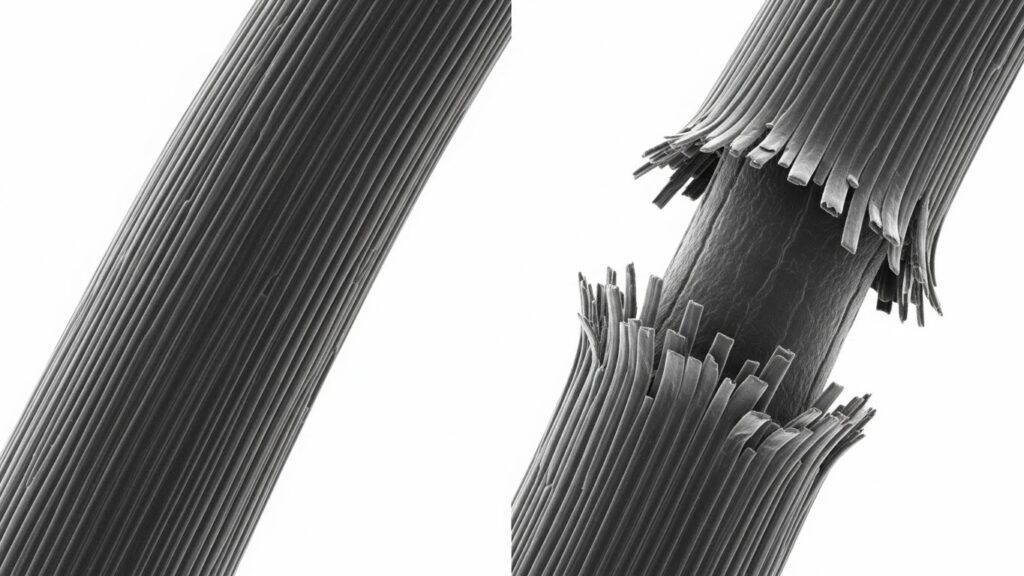
Before we can fix the problem, we need to define it. Overworking your hair isn’t just about using heat; it’s any form of excessive mechanical, thermal, or chemical manipulation that compromises the hair’s cuticle and inner structure. Think of each hair strand as a delicate rope. Constant friction, high heat, and harsh chemicals fray the outer layer, eventually weakening the core until it snaps.
Common signs of overworked hair include persistent dryness that conditioner can’t fix, a lack of elasticity (hair stretches and doesn’t bounce back), increased tangling and frizz, and breakage that seems to happen no matter how careful you are. If your hair feels like straw, looks dull under light, or refuses to hold a style, it’s likely crying out for a break from over-manipulation. Recognizing these signals is the first step toward a healthier styling routine.
The Foundation: Prep Your Hair to Minimize Styling Effort
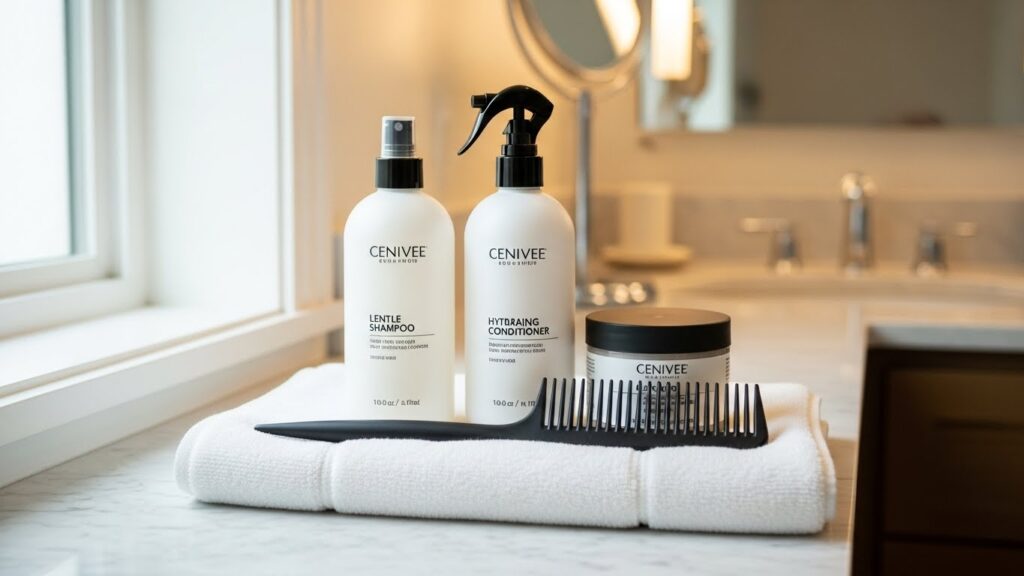
The battle for easy styling is won or lost in the preparation. Starting with well-cared-for hair drastically reduces the amount of work needed later. This begins in the shower with a shampoo and conditioner tailored to your hair type. For fine hair, look for lightweight, volumizing formulas. For thick or curly hair, richer, moisturizing creams are key. The goal is to cleanse without stripping and condition without weighing down.
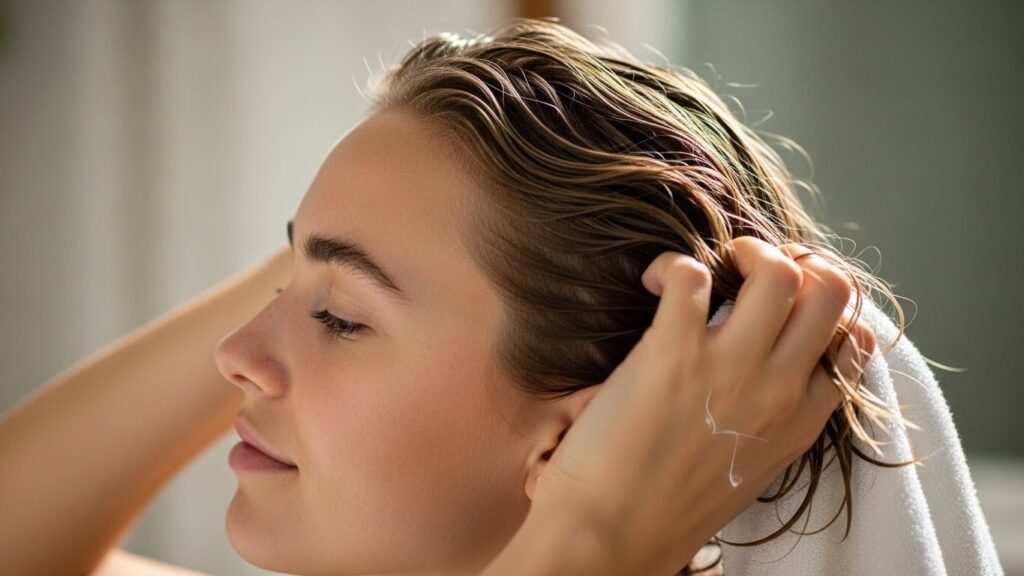
Post-shower, your treatment continues. Leave-in conditioners and detangling sprays are non-negotiable allies. Apply them to damp hair, focusing on mid-lengths to ends, to provide slip, moisture, and a protective barrier. Detangle gently with a wide-tooth comb or your fingers, starting from the ends and working upward. This single step prevents the need for aggressive brushing later, which can cause breakage and stimulate frizz. By investing time in prep, you set a smooth, manageable canvas that requires far less force to style.
Heat Styling: The Art of Strategic Application
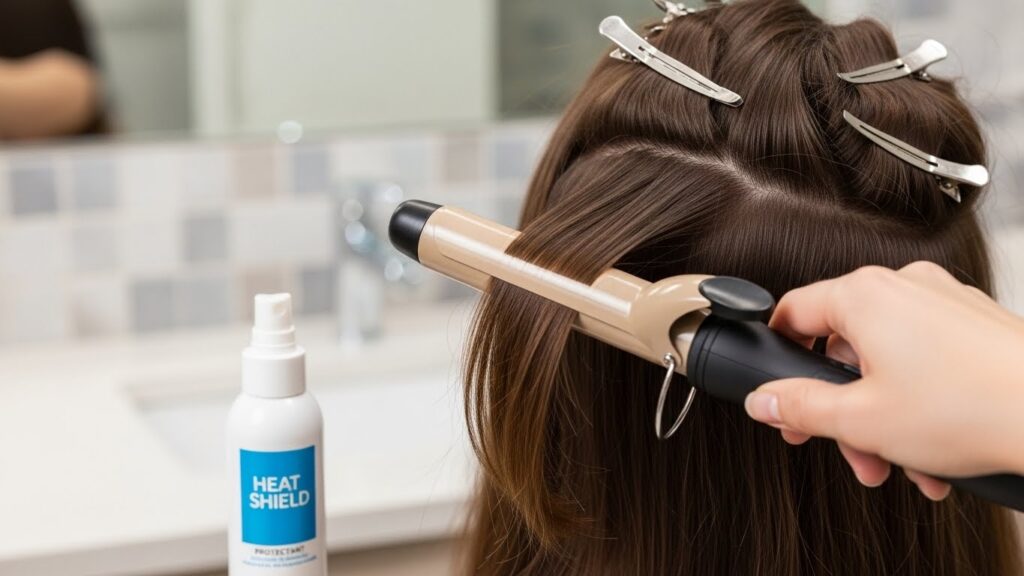
Heat tools are often the main culprits in overworking, but they don’t have to be. The key is strategic, intentional application. First, always use a professional-quality thermal protectant spray. This isn’t optional; it’s your hair’s suit of armor, creating a buffer between your strands and the heat.
Second, lower your temperature. Fine or chemically-treated hair rarely needs more than 300°F, while thick, coarse hair might require 350-380°F. Cranking the tool to its max “to get it done faster” is a recipe for damage. Work on completely dry hair, section neatly, and aim for one-pass styling. Repeatedly running a flat iron or curling wand over the same section is a surefire way to fry your hair. If a section isn’t perfect, let it cool completely before gently re-styling. Remember, the goal is to enhance your hair’s natural texture, not fight against it with brute force.
Embrace Air-Drying and Low-Manipulation Styles
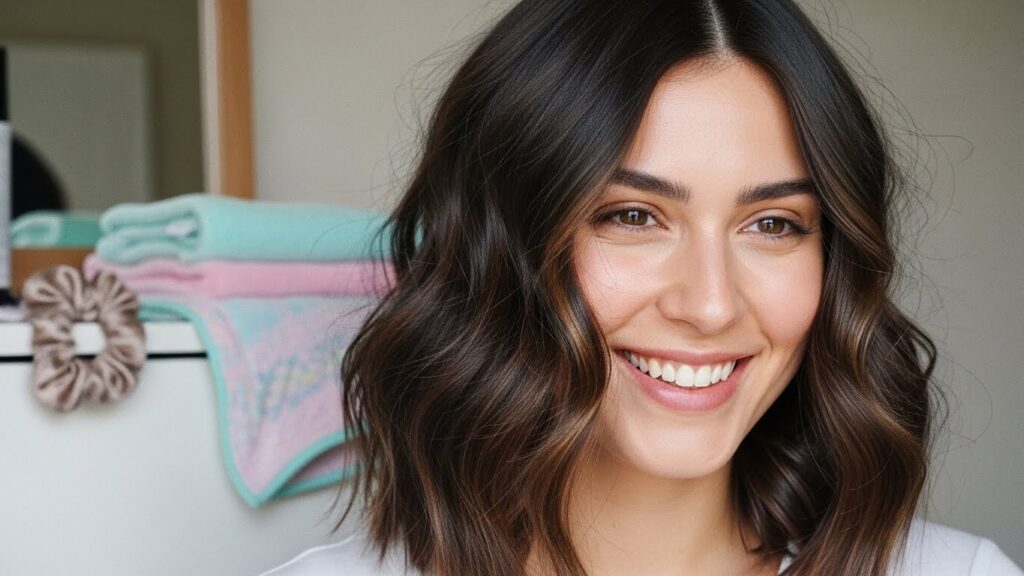
One of the most powerful ways to avoid overworking is to simply style without heat. Air-drying is not a compromise; it’s a technique. After prepping with leave-in products, try “plopping” curly hair in a microfiber towel or cotton t-shirt to absorb water and encourage curl formation without friction. For straighter hair, comb through a lightweight styling cream or mousse and let it dry undisturbed. You’ll be amazed at the soft, touchable texture you achieve.
Low-manipulation styles are your best friend on busy days or as a break between heat sessions. Think sleek low buns secured with a spiral hair tie, loose braids that create waves as they set, or simple half-up styles. These looks protect your ends, minimize daily handling, and often result in beautiful, effortless texture once you take them down. The less you touch and re-touch your hair throughout the day, the healthier it will remain.
Choosing the Right Tools: Your Allies in Gentle Styling
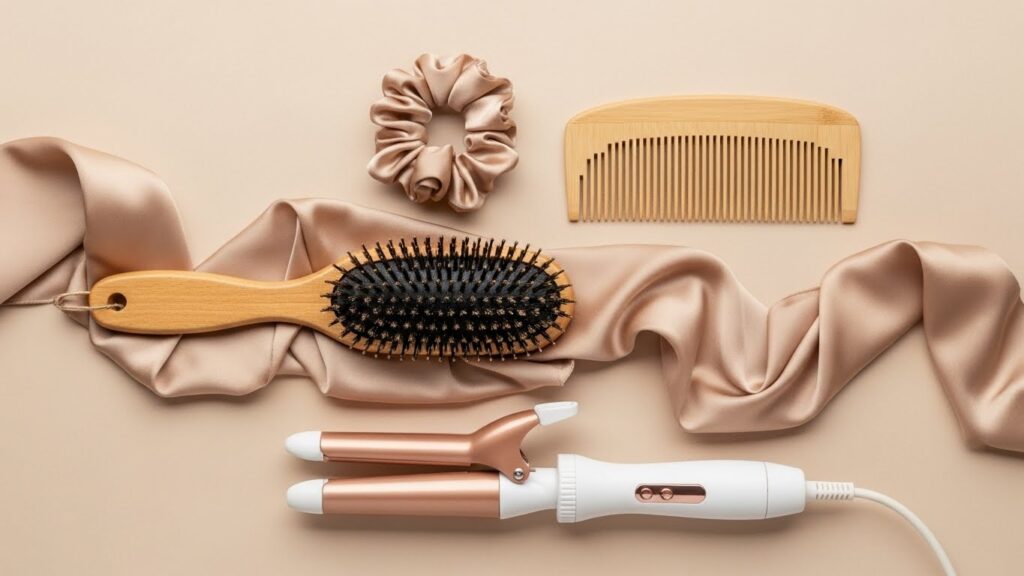
Your tools can either be weapons of mass destruction or instruments of gentle care. Ditch the cheap, stiff-bristled brushes and plastic combs. Invest in a boar bristle brush or a flexible vent brush for smoothing, which distributes natural oils and detangles without snagging. A wide-tooth comb is essential for wet hair. For heat tools, ceramic, tourmaline, or ionic options provide more even heat distribution, meaning you can use a lower temperature effectively.
Don’t underestimate the power of accessories. Silk or satin scrunchies eliminate breakage from elastic bands. Silk pillowcases reduce friction while you sleep, preserving your style and preventing tangles. Even the humble hair clip matters—use jaw clips without metal teeth or gentle butterfly clips to hold sections instead of tightly twisting and pinning with bobby pins. The right tools do half the work for you, requiring far less physical force to achieve your desired look.
The Product Principle: Quality Over Quantity
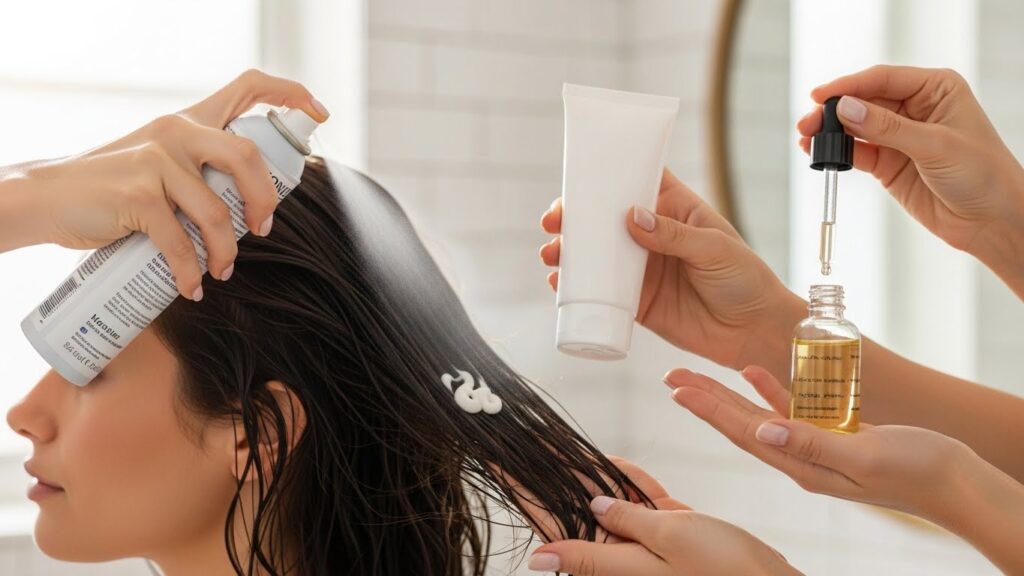
Product overload is a subtle form of overworking. Piling on multiple serums, sprays, and creams can weigh hair down, create buildup, and force you to wash and re-style more often. The mantra here is “less is more, and layer strategically.” Start with a small amount—you can always add more. For most styles, you only need two to three products: a prep/protect product (like a leave-in or heat shield), a styler (like a cream, mousse, or gel for hold), and a finisher (like a light oil or flexible-hold hairspray).
Apply products evenly. Rub emulsifying creams or oils between your palms before smoothing them over your hair to avoid concentrated globs in one spot. For sprays, hold the bottle at a distance and mist lightly. The goal is to coat each strand lightly and evenly, providing support without creating a stiff, product-heavy feel that requires aggressive brushing to break through.
Listen to Your Hair: The Ultimate Guide
The most important tool in your arsenal is attention. Your hair will tell you what it needs. On humid days, it might crave a stronger hold product to fight frizz, eliminating the need for constant touch-ups. After a swim, it might need a thorough cleanse and deep condition, not just more styling product to mask the dryness. If your hair feels particularly fragile, skip the brush altogether and use your fingers to style.
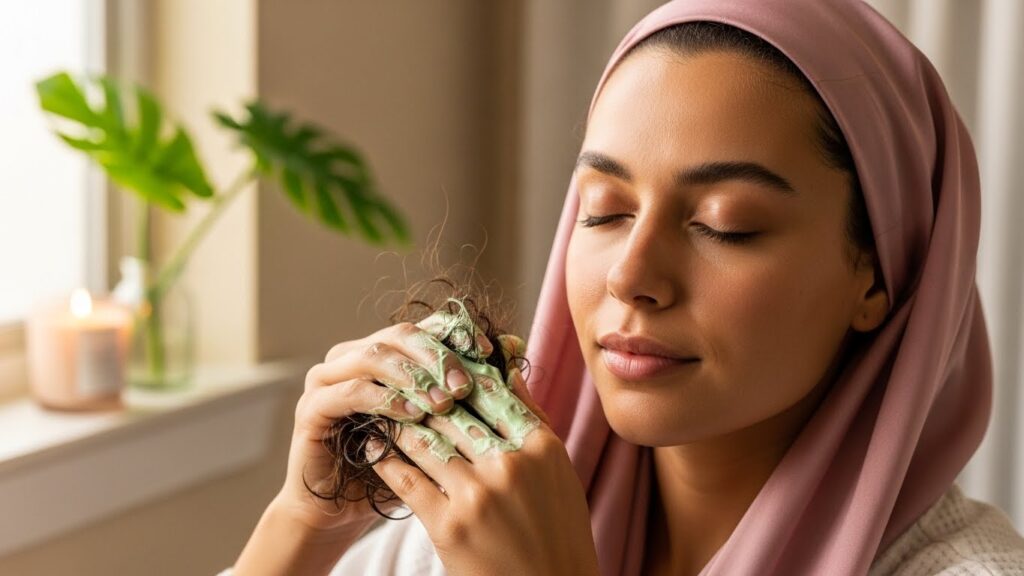
Incorporate regular “hair holidays” into your routine. Designate one or two days a week as no-heat, low-manipulation days. Use this time to apply a nourishing hair mask or oil treatment and let your hair simply be. This rest period allows the cuticle to recover, moisture to be restored, and breakage to be minimized. By developing a responsive relationship with your hair, rather than a dictatorial one, you learn to work with its natural tendencies, saving you time, effort, and damage in the long run.
Conclusion: Beauty in Balance
Styling your hair shouldn’t feel like a battle. By shifting your focus from forceful control to enhancing your hair’s natural state, you enter a new realm of haircare. The techniques outlined here—thoughtful preparation, strategic heat use, embracing air-drying, choosing gentle tools, applying products wisely, and listening to your hair’s cues—all work in harmony to create a sustainable routine.
True style comes from healthy hair, not the other way around. When you stop overworking your strands, you’ll discover a resilience, shine, and vitality that no amount of product or heat can artificially create. Start implementing one or two of these changes today. Your hair will thank you with every healthy, beautiful, and effortlessly styled day to come.