Internal Layers: Hidden Layers That Add Body
Have you ever wondered why a designer blazer holds its shape so impeccably, while a cheap knockoff collapses into a sad heap on the back of a chair? Or why a couture gown seems to float with a life of its own, while a simple dress clings and wrinkles? The secret, more often than not, lies not in the visible fabric, but in the hidden architecture within. Beyond the seams and the surface, a world of internal layers works tirelessly to add body, structure, and a touch of magic to our clothing. These unsung heroes—linings, interfacings, interlinings, and understructures—are the true difference between a piece of cloth and a piece of fashion.
More Than Just a Slippery Inside: The Diverse World of Linings
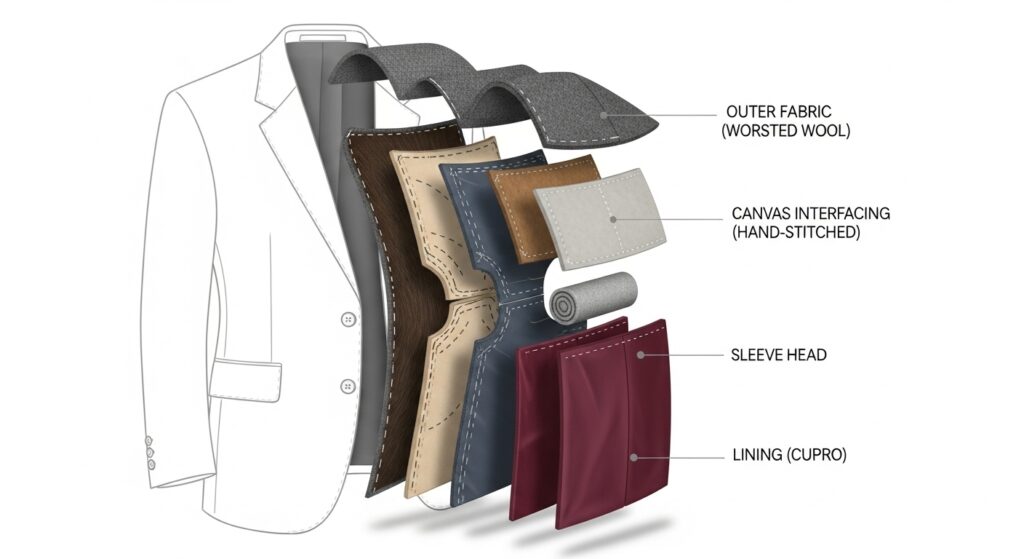
When most people think of internal layers, they picture a lining. And while a lining is a crucial internal layer, its role is often misunderstood. It’s not just for making a garment easier to slide on. A well-chosen lining adds body and opacity to lightweight or sheer fabrics, preventing them from being see-through and giving them a more substantial hand-feel. It also protects the main fabric from sweat and abrasion, significantly extending the life of the garment.
But linings come in many forms. A bemberg or cupro lining, made from cellulose, is breathable and has a luxurious, silky hand—ideal for wool suits and skirts. A crisp acetate lining adds a subtle structure to dresses. For evening wear, a silk charmeuse lining is the ultimate in luxury against the skin. In performance outerwear, a technical mesh lining wicks moisture. Each type contributes a different level of body, drape, and functionality, working in concert with the outer shell to create the intended silhouette and experience.
The Secret Sculptor: Interfacing and Interlining
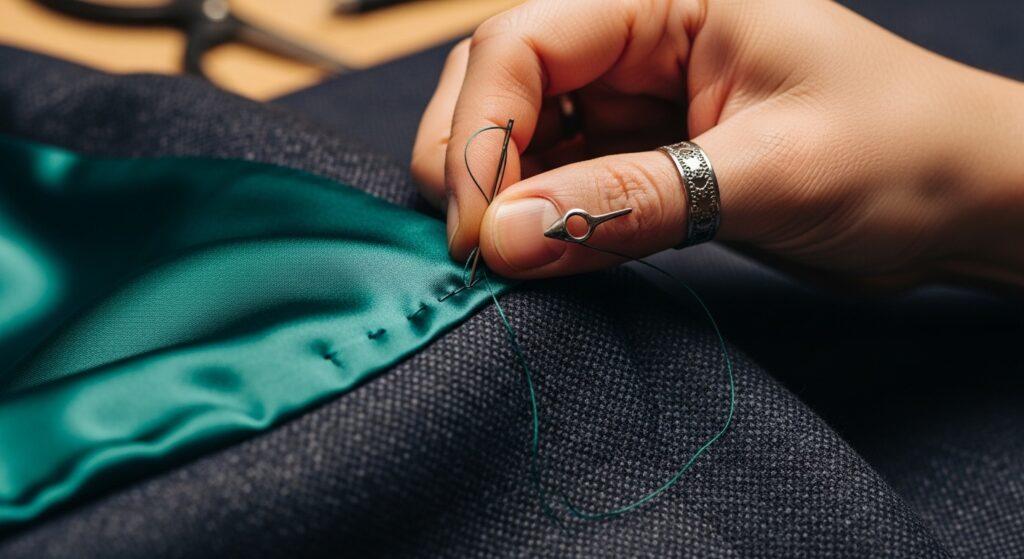
If linings are the inner skin, then interfacing is the cartilage and bone. This is the true secret to adding body. Interfacing is a supportive material, often fusible or sew-in, applied to specific areas like collars, cuffs, plackets, and waistbands. It provides localized structure and stability, preventing these high-stress areas from stretching out or losing shape. A shirt collar that stands proudly all day? Thank the interfacing.
Interlining takes this a step further. It’s a layer of fabric (like flannel, fleece, or wool) inserted between the outer fabric and the lining, primarily for warmth. However, a well-chosen interlining also adds significant body and loft. Think of a winter coat that feels plush and substantial, or a tailored jacket that has a gentle, rounded drape rather than a flat one—that’s the interlining adding both insulation and form. In historical costume, layers of interlining (sometimes called “cabbage”) were used to create the enormous, structured skirts of the Victorian era, proving this technique’s power to shape silhouette.

The Couture Touch: Understructures and Built-In Body
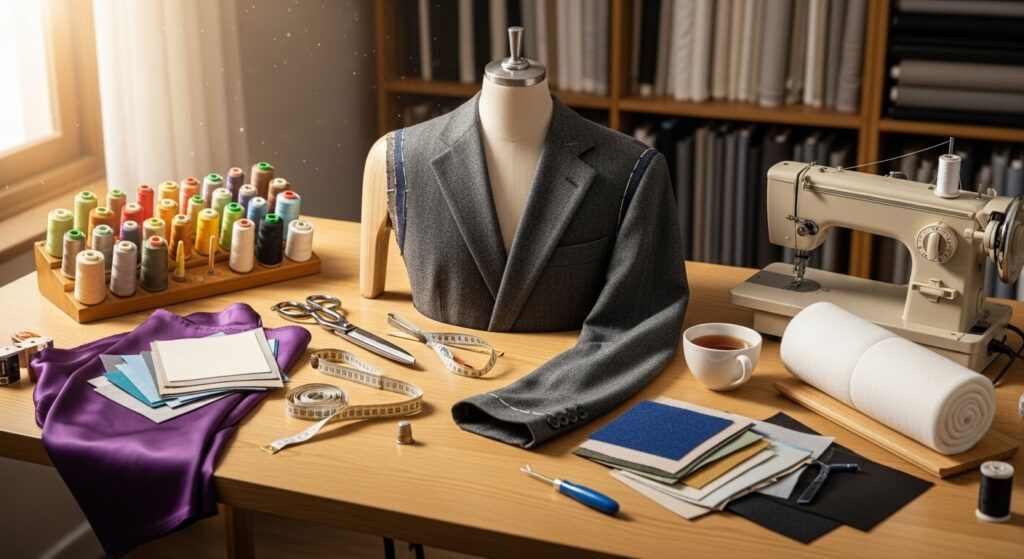
For the ultimate in added body, we enter the realm of couture and high-end tailoring. Here, internal layers become an art form. The most famous example is the hand-tailored canvas in a suit jacket or blazer. Unlike fusible interfacing, this is a layered composition of horsehair, wool, and cotton that is meticulously pad-stitched by hand to the chest piece. This canvas molds to the wearer’s body over time, creating a unique, breathable, and incredibly natural structure that cannot be replicated with glue.
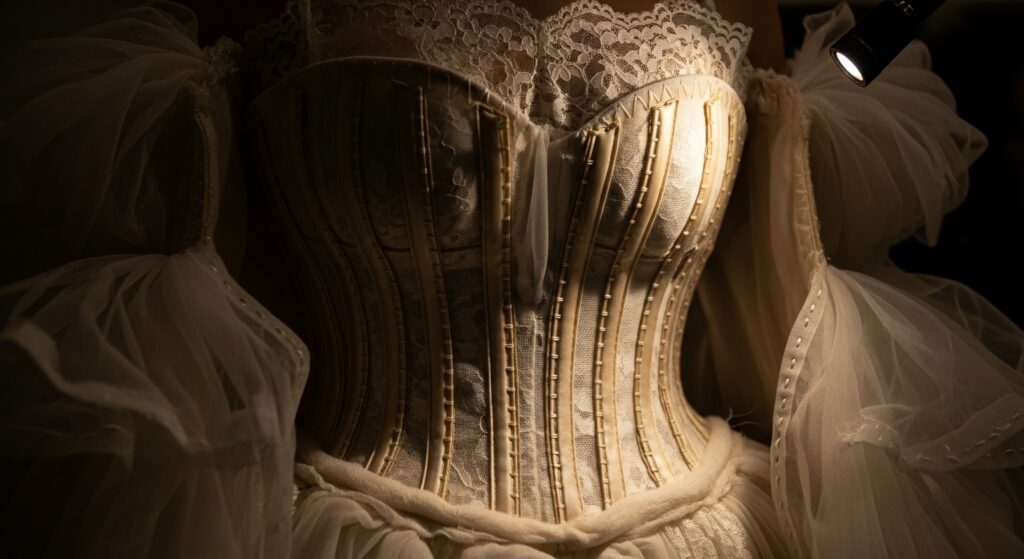
Other understructures include boning (now often plastic or rigilene, not whalebone) in corsets, bustiers, and strapless gowns to provide vertical support; crinoline or horsehair braid hems to add buoyancy to skirts; and sleeve heads, small rolls of wadding placed at the shoulder seam of a jacket to give a smooth, rounded cap. Each of these elements is invisible from the outside but is wholly responsible for the garment’s dramatic silhouette and effortless poise.
Why It Matters: The Impact of Internal Layers on Quality and Longevity
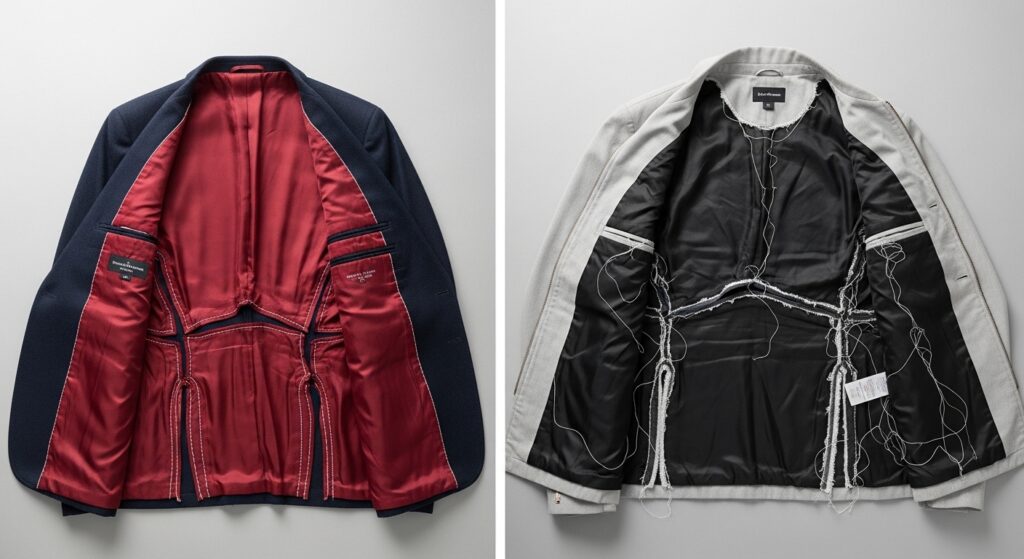
In an era of fast fashion, internal layers are often the first casualty of cost-cutting. A missing lining, a skimpy fusible interfacing that bubbles after one wash, or the complete absence of any understructure leads to garments that lose their shape, feel flimsy, and deteriorate quickly. When you invest in a piece with proper internal layers, you are investing in durability, shape retention, and comfort.
These hidden components allow the outer fabric to perform at its best. They absorb stress, reduce wrinkling, and maintain the designer’s intended silhouette through years of wear. Learning to identify these qualities—feeling the weight of a lined skirt, checking for a separate chest canvas in a jacket by pinching the fabric below a buttonhole, or noticing how a collar behaves—makes you a more discerning consumer. You begin to see and feel the substance behind the style.
Incorporating Internal Layers into Your Own Sewing and Wardrobe
For home sewists, embracing internal layers is the single biggest leap toward professional-looking results. Don’t skip the interfacing! Experiment with different weights for different projects. Consider adding a simple all-in-one lining to a skirt or dress pattern for a luxurious finish. Try using a soft flannel as an interlining in a winter skirt to add both warmth and beautiful body.
When shopping, become a detective. Turn garments inside-out (when possible). Feel the weight and opacity. Gently pull at the chest area of a blazer—if the outer fabric and inner layer separate slightly, it likely has a floating canvas. A lined garment will always feel more substantial and hang better than an unlined one. Ask questions about composition and construction. By valuing these hidden elements, you support brands that prioritize craftsmanship and you build a wardrobe of pieces that are truly built to last, with the body and presence to make you look and feel exceptional.
The Unseen Foundation of Great Style
The true beauty of internal layers is their discretion. They perform their alchemy unseen, allowing the outer fabric to shine while they provide the support, shape, and substance that define elevated apparel. They are the quiet assurance in a confident stride, the crisp line of a lapel, the effortless drape of a coat. From the simplest cotton lining to the most complex boned bodice, these hidden layers are the unsung architects of body and silhouette.
So, the next time you put on a garment that makes you feel powerful, elegant, or simply perfectly put-together, take a moment to appreciate the hidden world within. That feeling of quality, that impeccable shape, that luxurious substance—it’s all built from the inside out. By understanding and seeking out these internal layers, you move beyond buying clothes to investing in construction, ensuring your wardrobe is filled with pieces that have the inner strength to match your outer style.


