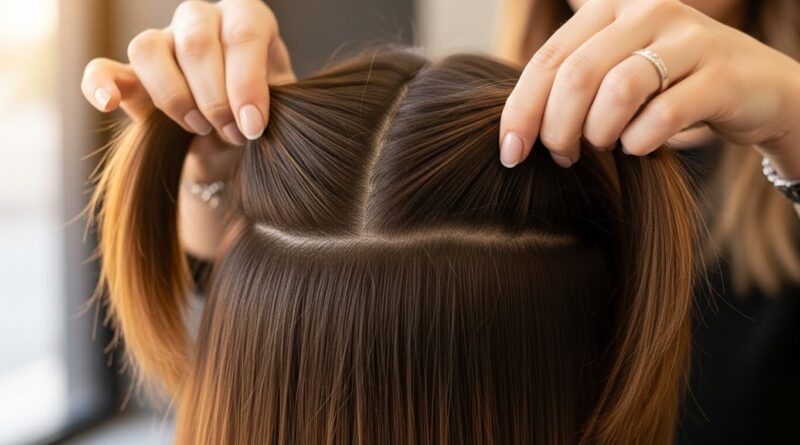
Layered Lob: How to Add Dimension Without Sacrificing Length
If you’ve been scrolling through hair inspiration boards lately, you’ve undoubtedly seen the layered lob reigning supreme. It’s the haircut that promises the best of all worlds: the chic, shoulder-skimming silhouette of a long bob, infused with the body, movement, and texture of strategic layering. Yet, a common fear holds many back—the dreaded idea that layers automatically mean losing precious length and volume. What if we told you that’s a myth? The modern layered lob is a masterclass in dimensional styling, designed to enhance what you have, not take it away.
What Exactly is a “Layered Lob”?
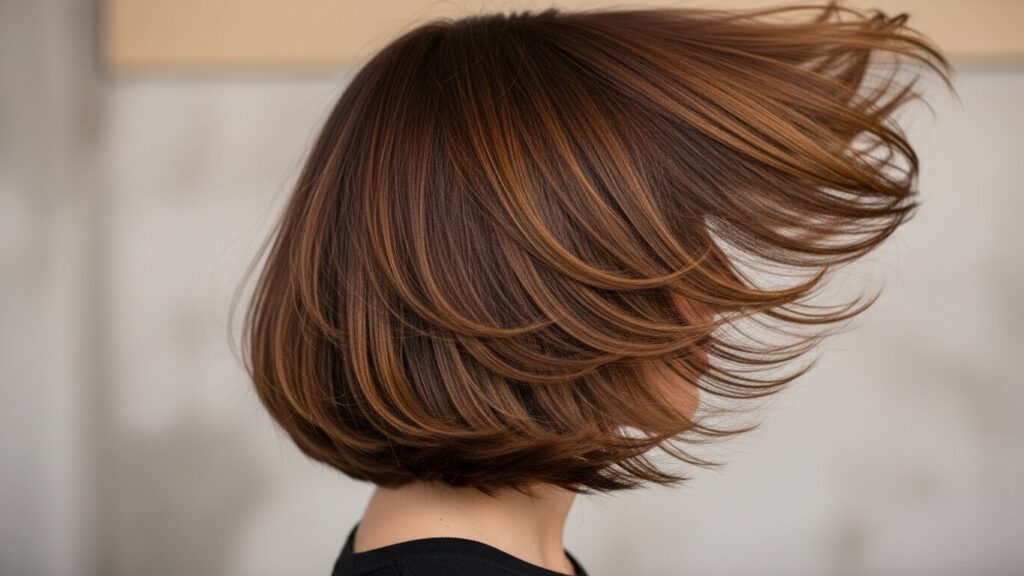
First, let’s define our terms. A lob, or long bob, typically falls anywhere between the chin and the collarbone. It’s a universally flattering length that frames the face and offers immense styling versatility. A layered lob introduces internal cutting techniques within that one-length or slightly graduated shape.
The key distinction lies in the purpose and placement of the layers. Instead of removing weight from the entire perimeter, a dimensional lob uses:
Face-Framing Layers: Shorter pieces cut around the face to highlight your features and soften the overall look.
Interior or Underlayers: Layers cut underneath the top sections, often shorter, to provide invisible lift and support at the roots.
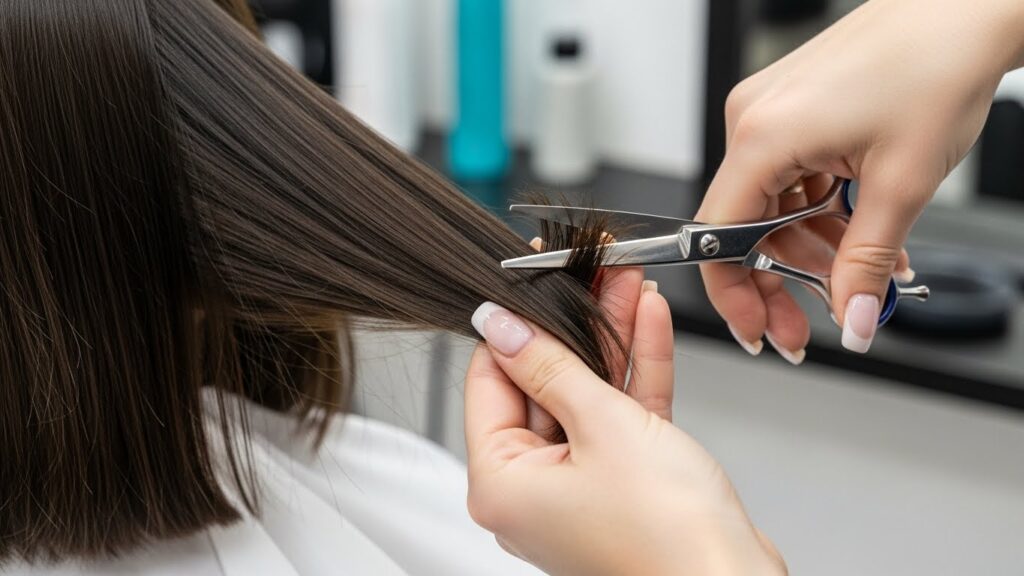
Texturizing or Point-Cutting: Techniques applied to the ends or mid-lengths to break up bulk, encourage movement, and create a seamless, blended finish without shortening the visible length.
The result is hair that looks thicker, moves freely, and has a natural, lived-in vibe, all while the outline retains a strong, length-defining shape.

The Magic of “Hidden” Layers for Volume and Lift
For those with fine or flat hair, the word “layers” might trigger anxiety about thin, wispy ends. The modern solution? Hidden layers. This technique is the secret weapon of the dimensional lob. Your stylist will focus layering on the interior or underside of your hair, particularly around the crown and nape.
These shorter layers are completely concealed when your hair falls naturally. However, when you move, style, or even just run your fingers through your hair, these layers push the overlying hair up, creating instant root lift and body. It’s like built-in volumizer. The top surface and perimeter remain largely intact, preserving the appearance of full, lengthy ends. This approach gives you the volume you crave without compromising the density at the ends, banishing the fear of a see-through, scraggly finish.
Face-Framing: The Dimension That Personalizes Your Cut
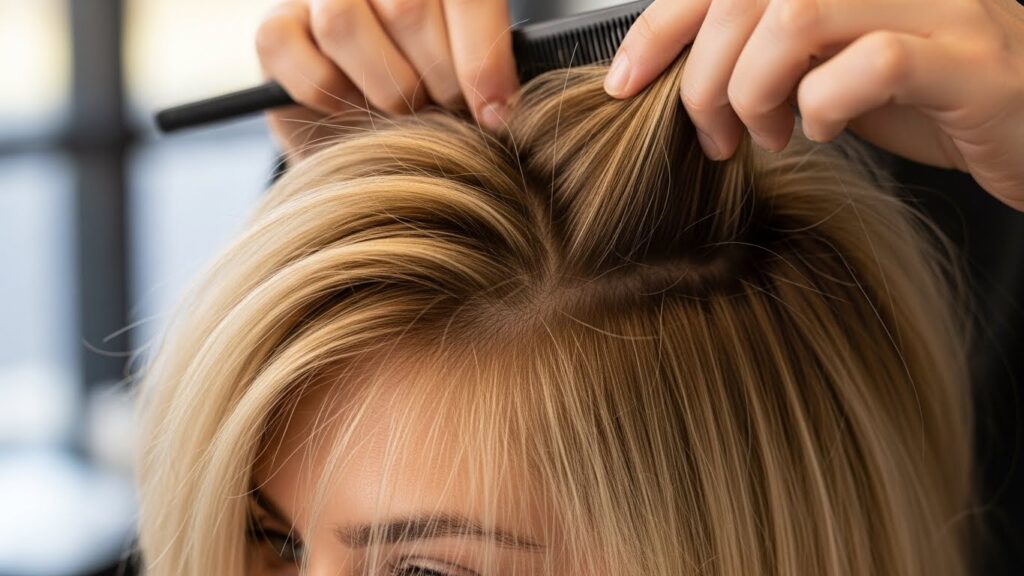
While hidden layers build the foundation, face-framing layers are the artistry that makes the cut uniquely yours. These are the pieces cut to graze your cheekbones, jawline, or lips. Their primary role isn’t to remove length overall, but to create a soft, graduated effect around the face that adds depth and draws attention to your eyes and smile.
For a round face, longer face-framing layers can create a slimming effect. For a square jaw, softer, wispier layers can add balance. The beauty is that these layers blend seamlessly into the longer length behind them, so you get a personalized, dimension-rich front view while the back maintains its solid, lob length. It’s a strategic placement of detail where it matters most.
Texturizing vs. Layering: The Fine Line for Thick Hair
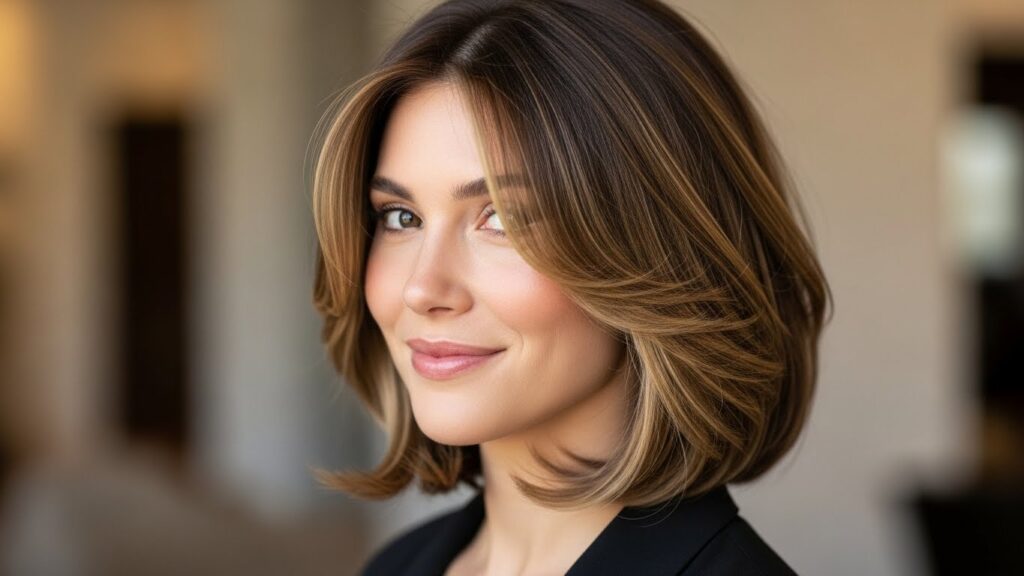
If you have thick, dense hair, your layered lob goal is different. It’s not about adding volume, but about managing bulk and inducing movement. Here, the distinction between texturizing and traditional layering is critical. Heavy, uniform layers can actually make thick hair look wider and more triangular.
The expert approach is to maintain the length and overall shape but use texturizing techniques like point-cutting, slide-cutting, or using a razor. These methods remove weight from within the hair shaft and from the interior, rather than creating distinct, stair-step layers. This releases the hair from its own weight, allowing it to swing, curve, and behave without losing the defining length or becoming a round, poufy shape. The result is a lob that feels lighter, moves easily, and lies perfectly without fighting its own volume.
Communicating Your Dimensional Lob Goals to Your Stylist
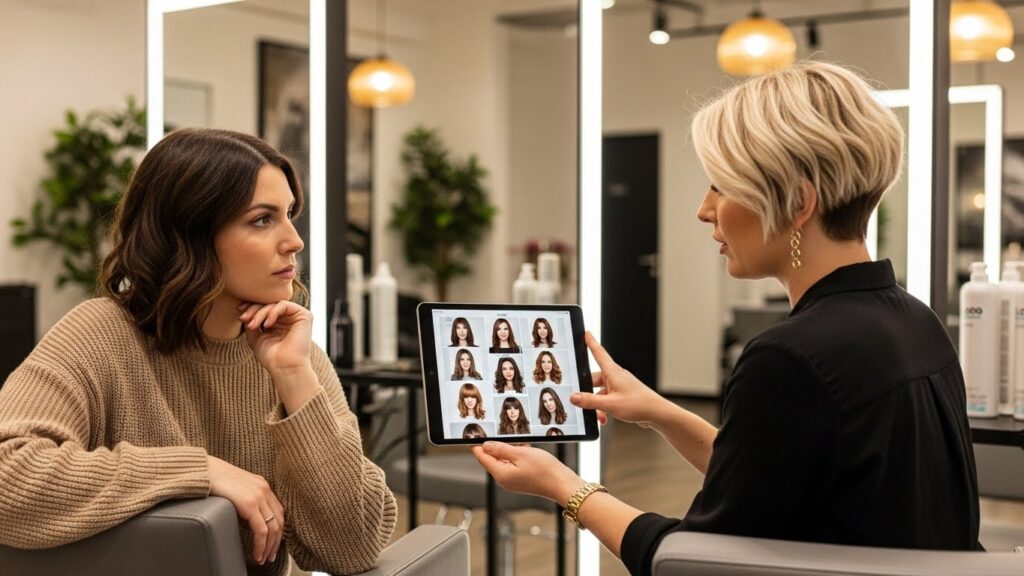
Walking into the salon and simply asking for “layers” is a gamble. Clear communication is your most important tool. Come prepared with photos, but also be ready to describe your desires and concerns using the right vocabulary.
Key phrases to use: “I want to keep the overall length, but add movement and volume from within.” “I’m interested in hidden layers for lift at the roots without thinning out my ends.” “Can we use face-framing layers to soften my features?” “My hair is thick; I need texturizing to remove bulk, not blunt layers.”
Discuss your styling habits too. Do you air-dry? Love big curls? Prefer a sleek blowout? A great stylist will tailor the layer placement and texturizing to work with your natural texture and daily routine, ensuring your lob is beautiful both in the salon chair and in your own bathroom.
Styling Your Layered Lob for Maximum Dimension
The beauty of a well-executed layered lob is its styling versatility. The cut does half the work; the right products and techniques do the rest.
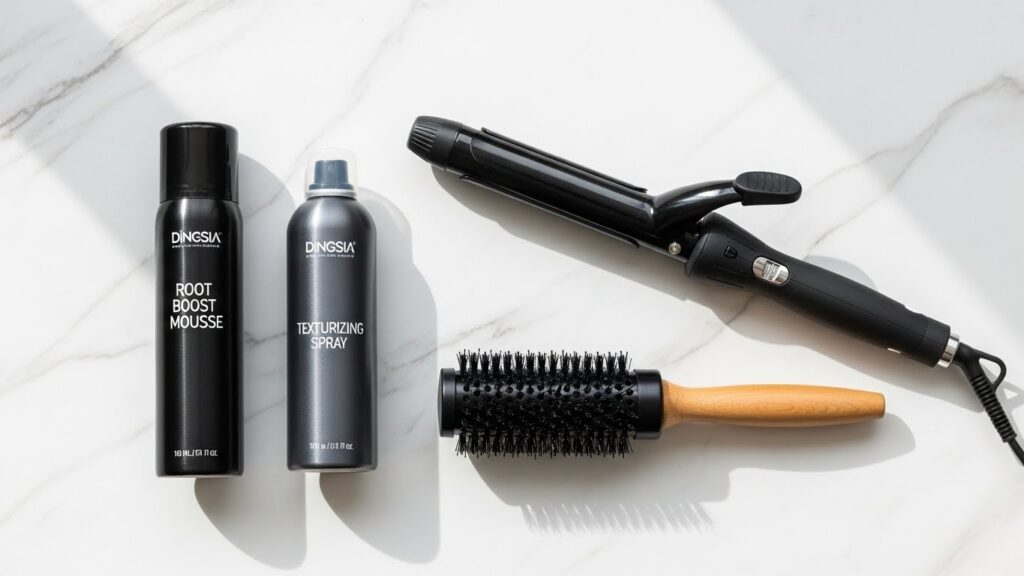
For Enhanced Volume: Apply a root-lift mousse or spray to damp hair. Blow-dry using a round brush, focusing on lifting the roots. Once dry, use a curling iron to add loose waves, curling sections in alternating directions. This prevents the “helmet head” effect and makes the layers pop.
For Defined Texture: On dry hair, work a texturizing spray or sea salt spray through the mid-lengths and ends. Scrunch your hair gently with your hands to encourage the layers to separate and create a piece-y, effortless look. The layers will naturally catch the product, enhancing the dimensional effect.
For a Sleek, Polished Look: Even when going sleek, layers add benefit. A flat iron can be used to create inward or outward flicks at the ends where the layers fall, adding a subtle, modern shape to a straight style. A shine serum will smooth the surface while letting the layered cut’s internal light reflection do its magic.
Embrace the Dimension
The layered lob is more than a haircut; it’s a strategic approach to beauty. It proves that you don’t have to choose between length and volume, between style and substance, or between a sleek look and one full of movement. By understanding the techniques of hidden support, personalized face-framing, and strategic texturizing, you can confidently ask for a long bob that brings your hair to life in a whole new dimension.
It’s time to let go of the outdated notion that layers are a compromise. Instead, see them as the secret ingredient that unlocks your hair’s fullest potential, all while keeping that chic, sophisticated length you adore. Book that salon appointment, arm yourself with the right words, and get ready to fall in love with your hair’s new depth, movement, and undeniable style.