Layered Texture: Multiple Lengths for Surface Interest
In the world of interior design, color often gets the headline, but texture is the silent storyteller. It’s the element you feel before you consciously see it—the nubby weave of a linen sofa, the cool smoothness of marble, the inviting pile of a wool rug. Yet, to create a space that truly captivates and feels deeply inviting, one texture is rarely enough. The real magic happens in the layering. And one of the most sophisticated, often overlooked strategies within this layering is the deliberate use of multiple lengths to build surface interest.
The Philosophy: Why Length and Layering Matter
At its core, designing with layered textures and varied lengths is about mimicking the beautiful, imperfect complexity of the natural world. Nature never operates in a single plane or one uniform texture; it combines the rough bark of a tree with the delicate veins of a leaf, the soft moss with the hard stone. Translating this principle into our homes adds authenticity and depth.
Using multiple lengths—whether in textiles, materials, or finishes—serves a crucial purpose: it creates visual weight and hierarchy. A long, shaggy rug grounds a seating area, while a shorter, nubby throw adds a mid-level detail. Silky, floor-length curtains provide a vertical, flowing length that contrasts with the horizontal, chunky knit of a blanket. This variation prevents monotony, adds movement, and allows each piece to contribute to a cohesive whole without competing. It’s a dialogue between elements, not a monologue.
Ground Layer: The Foundation of Length
Every great texture story begins from the ground up. Your floor coverings are the literal and figurative foundation for building layers of length. This is where you can make a bold statement with extreme textural length.
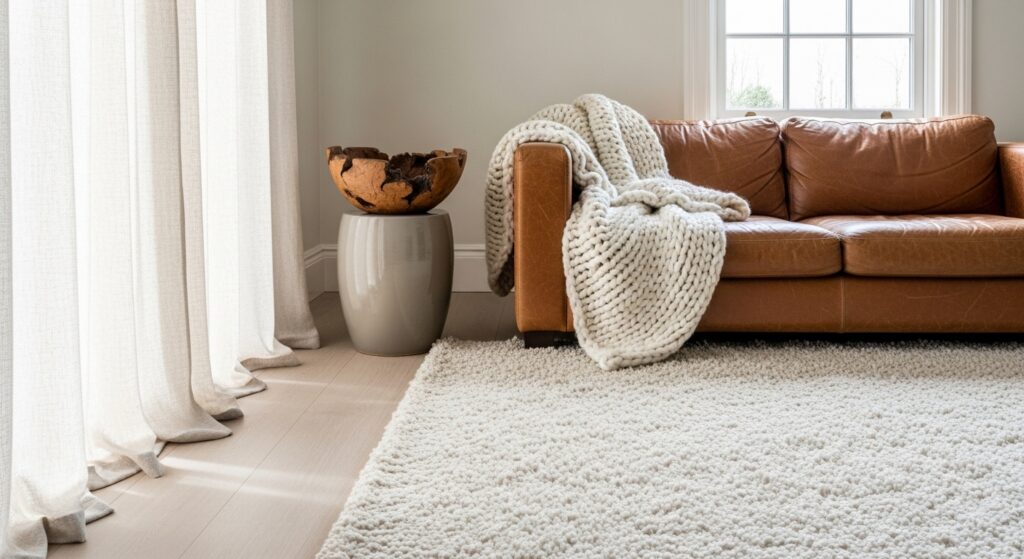
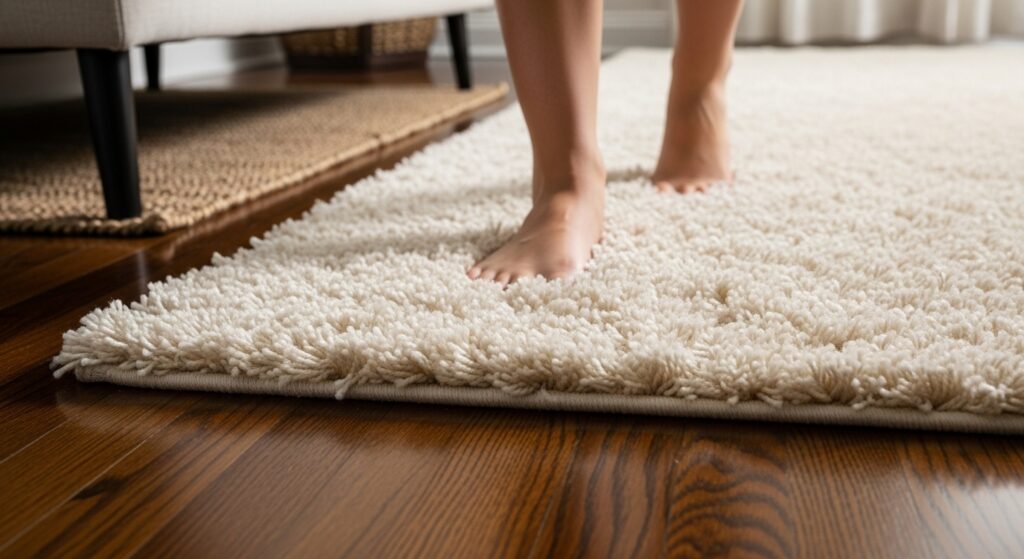
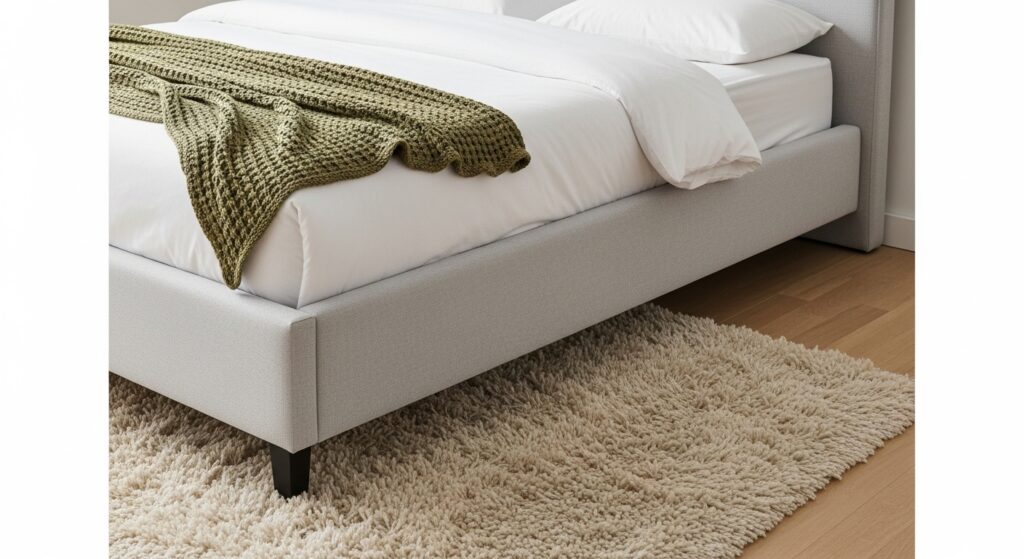
Consider a high-pile rug, such as a shag, sheepskin, or a chunky woven wool. This layer has the longest “nap” or length of fiber, creating immediate softness and a sense of luxury. It visually sinks into the floor, inviting you to kick off your shoes. The key to layering here is contrast. Place this long-textured foundation against a smooth, hard surface like polished concrete, hardwood, or tile. The juxtaposition highlights the rug’s plushness. For an added layer, you can even place a shorter, flat-weave rug (like a jute or sisal) partially under the furniture atop the plush rug, creating a nested look with distinct length differences.
Mid-Level Magic: Furniture and Draping
The furniture plane is your playground for mixing material lengths and textures. This is where the concept of draping and structured form comes into dynamic play.
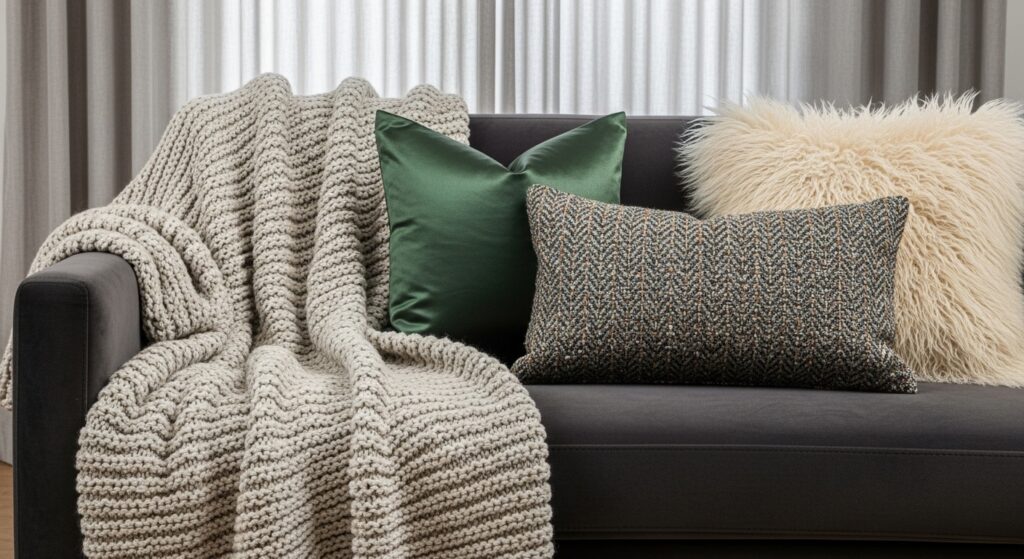
Start with your upholstery. A smooth velvet or leather sofa provides a relatively short, uniform surface. This is your canvas. Now, add length through textiles. Drape a cable-knit or faux fur throw over one arm, allowing it to cascade down to the seat or even onto the rug. The knit has a dimensional, lengthy texture compared to the flat velvet. Next, layer pillows with varying fabric lengths: a short-haired mohair pillow next to a long-tasseled silk pillow next to a nubby linen one. On dining chairs, consider skirts or sheepskin covers that alter the furniture’s silhouette with a new textural length.
Don’t forget window treatments. They are one of the most effective tools for introducing vertical length. Flowing, floor-to-ceiling curtains in linen or velvet add a soft, lengthy plane that contrasts beautifully with rigid walls and furniture. Let them “break” slightly on the floor for an added sense of luxe abundance.
Vertical and Accent Layers: Walls and Surfaces
Texture isn’t just for horizontal surfaces. Look up and look at your walls. Incorporating length here adds enveloping interest. Consider textured wall coverings like grasscloth, shiplap with visible grain, or 3D tile. These have a surface “length” or depth that catches light and shadow differently throughout the day.
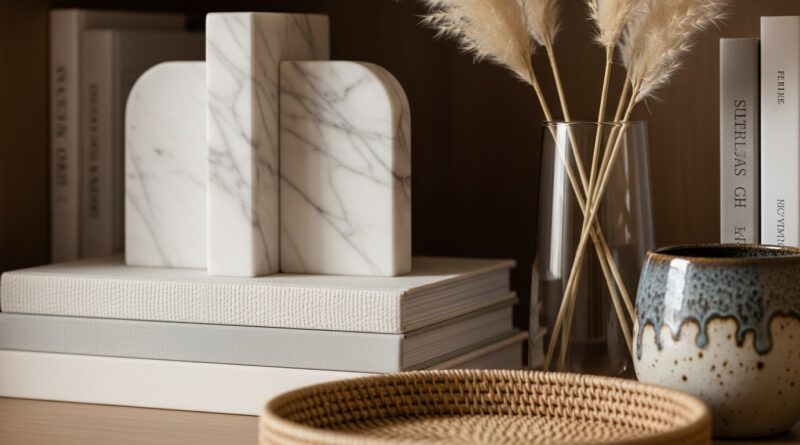
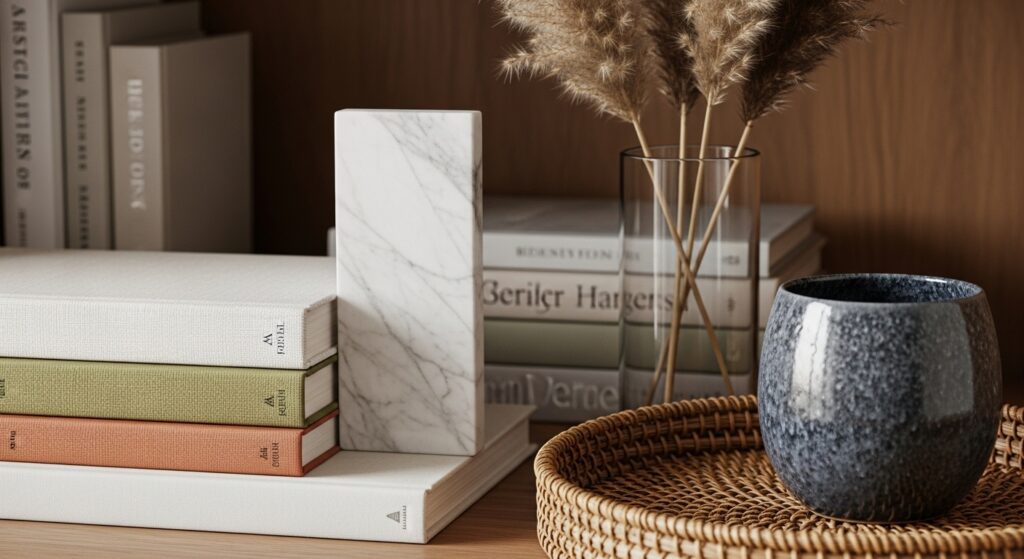
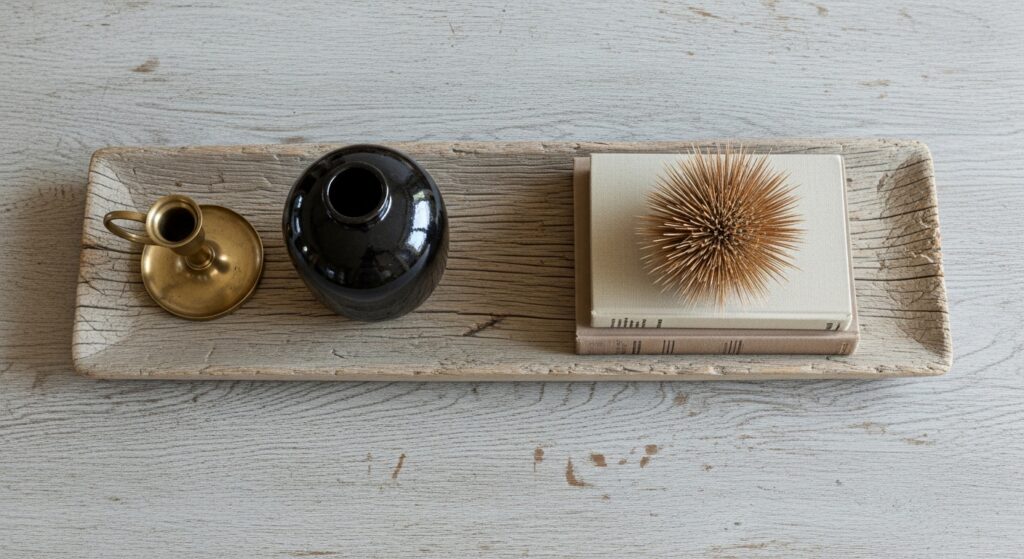
On your shelves and tables—the accent layers—continue the theme. Place a tall, rough-barked branch in a vase next to a smooth, short-globe candle. Stack books with linen covers beside a glossy, short-pile ceramic vase. A woven tray with long, radiating fibers can hold smooth stoneware. The goal is to group objects with contrasting tactile lengths, creating little vignettes of sensory appeal.
The Art of Contrast: Balancing Long and Short
Mastering this look is all about intentional contrast. If everything is long and shaggy, the room feels heavy and indistinct. If everything is short and smooth, it feels cold and sterile. The beauty is in the balance.
Follow the 70-20-10 rule as a guide: let one textural length (e.g., smooth/short) dominate about 70% of the space (walls, large furniture). Let a contrasting length (e.g., nubby/medium) comprise 20% (rugs, major throws). Use the most extreme length (e.g., shaggy/long or highly glossy) for the final 10% as striking accents. For example, a room of smooth leather and painted walls (70%), a large sisal rug and linen drapes (20%), and a faux fur ottoman and metallic glossy accessories (10%).
Always touch your materials as you select them. Run your hand over them. Do they feel wildly different? If yes, you’re on the right track. Visual contrast is confirmed by tactile contrast.
Bringing It Home: A Practical Layering Checklist
Ready to layer with intention? Start with these steps:
1. Identify Your Anchor: Choose one piece with a definitive texture and length—your plush rug, your leather sofa, your stone fireplace.
2. Build the Foundation: Add the second-largest textural element, ensuring it contrasts in length with your anchor. Smooth anchor? Add a nubby rug. Nubby anchor? Add a smooth, large furniture piece.
3. Drape and Accessorize: Introduce throws, pillows, and curtains that vary from your first two layers. Think chunky on smooth, silky on rough, woven on polished.
4. Elevate with Accents: Add objects in varying heights and surface lengths—wood, metal, glass, ceramic—to shelves and tables.
5. Step Back and Edit: Look at the room as a whole. Is there a pleasing rhythm? Does your eye travel around, finding points of interest? Remove one item if it feels cluttered.
Conclusion: Crafting a Sensory Experience
Layered texture, specifically through the mindful use of multiple lengths, is what transforms a house into a home. It’s the difference between a space that is merely looked at and one that is felt and experienced. This approach invites lingering, comfort, and curiosity.
Remember, the most compelling interiors are those that tell a story over time. They aren’t purchased in a single box from a single store. They are collected, layered, and lived in. So, start with what you love—that one textured piece—and begin the conversation around it. Mix the long with the short, the rough with the smooth, the nubby with the sleek. In doing so, you’ll create not just surface interest, but a deeply personal and resonant sanctuary that delights all the senses.