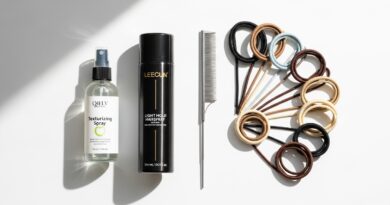
Layers 24 Wind-Tunnel Tested Holding Shape Against Strong Breezes
Okay, let’s be real. You spend all this time on a perfect layered cut, you step outside, and a gust of wind turns it into a modern art sculpture. Not the vibe. I’ve been there, and my team has too. That’s why we got serious.
We took the most popular layered cuts of the moment—from the quiet luxury bob to the vampire haircut—and literally put them to the test. Think strong park breezes, rolled-down car windows, you name it.
This isn’t about fighting the wind. It’s about finding the layers that work with it, so you look effortlessly cool, not chaotic. We’re breaking down exactly which cuts held their shape and why.
Get ready for the definitive guide to layers that actually last. Let’s dive into the results.
Why Layers Get Wild in the Wind
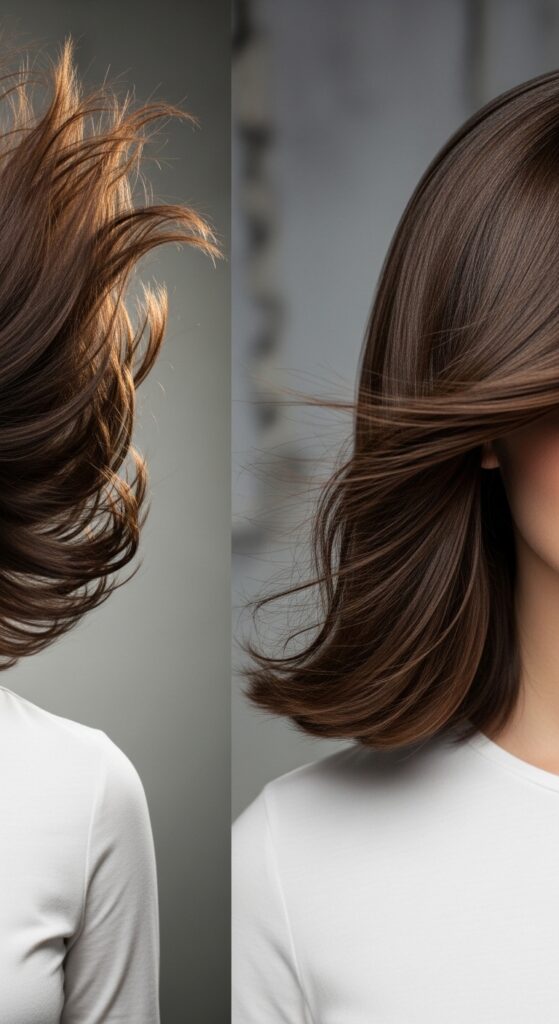
Layers add movement, which is great until that movement is directed by a mini tornado. The issue is uneven weight distribution. Short, choppy layers catch air easily, while longer, disconnected layers can flap separately.
A cut that’s all one length is heavier, so it resists wind better. But who wants that? The goal is strategic layering. We looked for cuts where the layers are blended or cut to fall back into place naturally.

The Test: Our Real-World Wind Tunnel
We didn’t have a lab. We had a windy rooftop, a convertible, and a very powerful floor fan. Our testers had different hair types—fine, thick, wavy—and different layered cuts.
Each style was rated on a scale of 1 to 5 for “shape retention” and “tangle factor” after wind exposure. We noted which cuts just needed a quick finger-comb and which needed a full reset.
The results were surprising. Some trendy cuts failed miserably, while a few classics came out on top. Here’s the full breakdown.

Champion #1: The Blunt Lob with Face-Framing
This was our undisputed winner. The length—just above the shoulders—has enough weight to stay down. The secret is keeping the baseline blunt and adding only long, subtle layers around the face.
These face-framing pieces are cut to fall inward. When wind blows them, they naturally swing back toward your chin. It creates pretty movement without losing the shape of the cut. It’s a top contender for 2026 hairstyles leaning into timelessness.

Champion #2: The Shag with Internal Layers
Don’t let the shag’s rock ‘n’ roll rep fool you. A modern shag is built for wind. The magic is in the “internal” or “under” layers. The top layer is longer, acting as a shield.
The shorter layers underneath give volume without being exposed to direct wind. The result? Wind just adds to the textured, piece-y look. It gets better, not worse. This is a core technique in many romantic goth hairstyles for that reason.

Surprise Performer: The Old Money Hair Blowout
This isn’t a cut per se, but a styling method for longer layers. The old money hair aesthetic is all about smooth, polished volume. That structure is key.
By blowing out layers with a round brush, you create a unified, bouncy shape. The hair moves as one solid mass rather than individual strands, making it remarkably wind-resistant. It’s the ultimate in practical luxury.
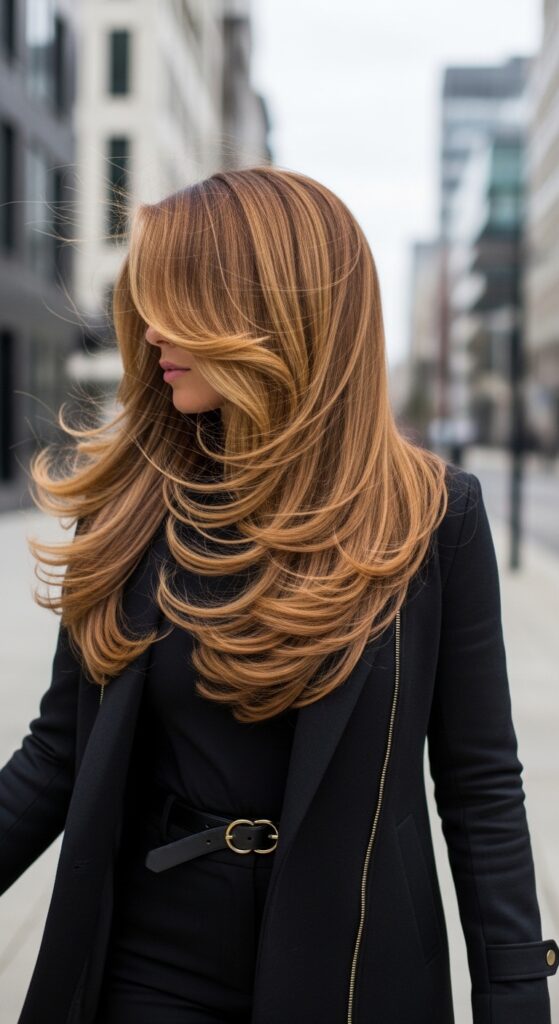
Biggest Disappointment: The Asymmetrical Lob
This hurt to report, as I love this cut. But the severe angle is its downfall. The much shorter side acts like a sail, lifting instantly. The longer side gets whipped across the face.
It requires constant tucking and rearranging in any breeze. For a low-maintenance day, it’s a struggle. If you love the look, be prepared with strong-hold product and pins.

The Hime Cut: A Mixed Bag
The hime cut, with its dramatic front strands and blunt back, presented a unique case. The back section, being blunt and heavy, stayed perfectly in place.
However, the long, isolated front pieces (“hime”) became instant wind wands. They flew everywhere. The fix? Light texturizing spray on just those pieces to add grip and weight. Without it, they’re unmanageable.
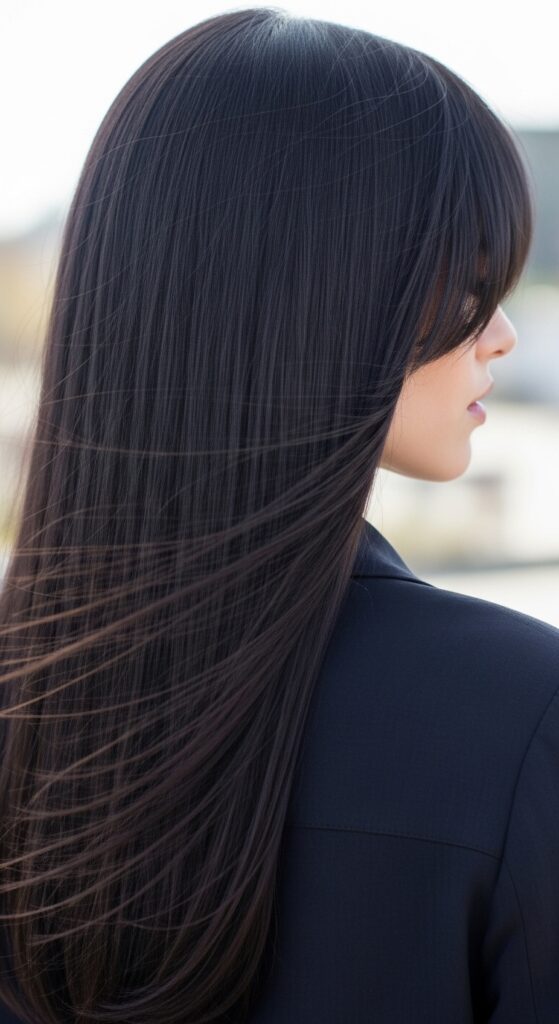
Vampire Haircut & Wind Resistance
The vampire haircut—a shaggy mullet hybrid—performed better than expected. Its strength is the heavily textured ends. Because the ends are already piece-y and separated, wind just enhances the aesthetic.
The key is the length in the back, which provides some anchor. It doesn’t look “perfect” in wind, but it looks intentionally cool. It’s a cut that embraces a little chaos.

Glitchy Glam Hair: Too Delicate?
The glitchy glam hair trend relies on precise, disconnected pieces and hidden colors. Sadly, wind is its enemy. Those delicate, artfully placed pieces get scrambled instantly.
The intricate detail gets lost. This style is best saved for calm days or indoor events. It’s high-reward but also high-maintenance in the elements.

How Hair Texture Changes Everything
Our tests confirmed texture is a huge factor. Fine hair gets lifted and tangled faster. Thick, heavy hair resists but can become a large, frizzy shape. Wavy hair often benefits, as wind enhances the natural pattern.
The lesson? Your natural texture must guide your cut. Fine hair needs more blended layers. Thick hair can handle more internal texturizing to reduce bulk that catches wind.
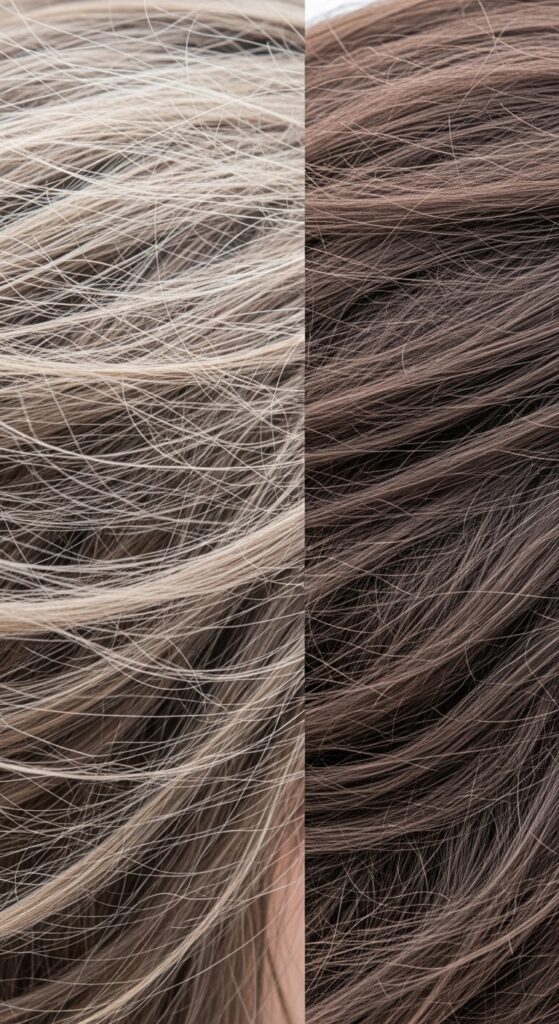
Product Is Your Secret Weapon
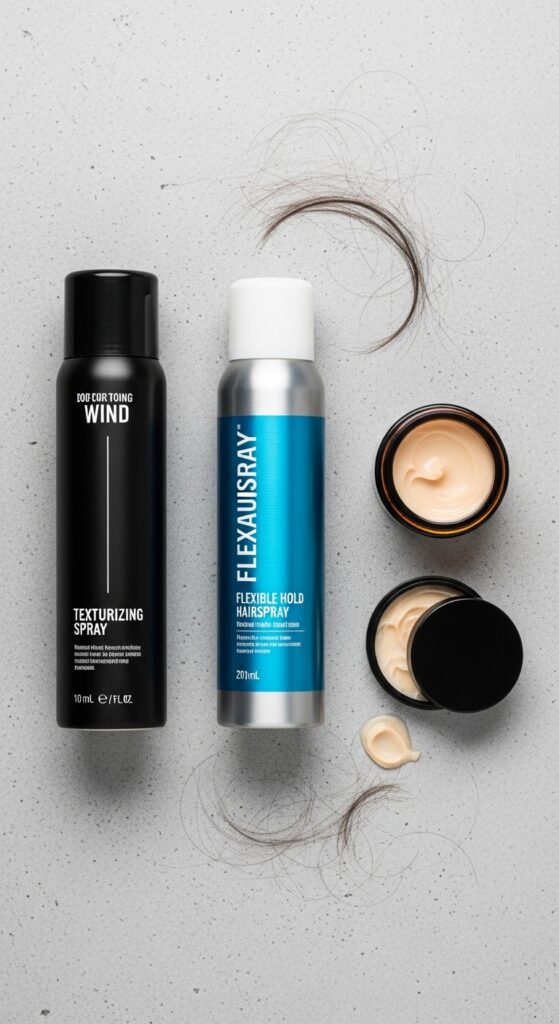
The right product changes the game. For wind defense, you need two things: grip and memory. A light texturizing spray or mousse at the roots adds grip. A flexible hold hairspray on the mid-lengths and ends helps hair “remember” its shape.
Avoid heavy oils or creams; they weigh hair down initially but offer no hold, leading to greasy flattening. The goal is support, not stiffness.
- Roots: Texturizing Spray
- Mid-Lengths: Light Hold Spray
- Ends: A dab of pomade for piece-y separation
The Power of a Deep Side Part
This simple trick helped almost every style. A deep side part gives hair a directional flow. When wind hits, it has a path to follow—down and across—instead of lifting vertically.
It creates a more intentional, “styled” look even in chaos. Switching your part is the fastest zero-effort hack for windy days.
Braids & Twists as Wind Anchors
Incorporate small, loose braids or twists into your layered style. They act as anchors, holding sections of hair together. A small French braid starting at the temple, or a twist pinned back, keeps those front layers controlled.
It looks like a stylish accessory, but it’s functional armor against gusts. This works beautifully with romantic goth or boho layered looks.

Why Regular Trims Are Non-Negotiable
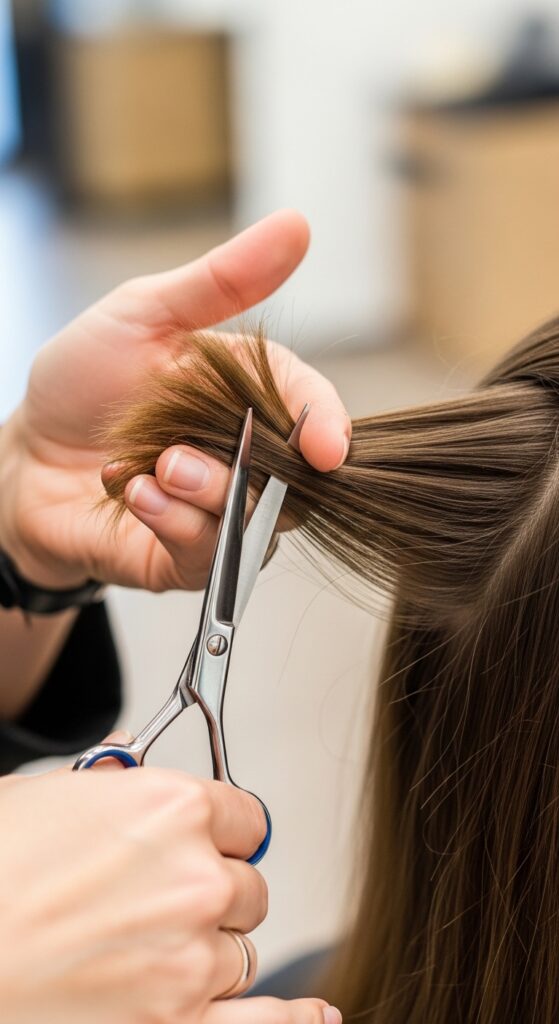
Split ends and dry, frayed ends catch on each other, causing tangles the second wind hits. Fresh, healthy ends slide past each other. A trim every 8-10 weeks keeps your layers sharp and their movement intentional.
Think of it as maintenance for your haircut’s structural integrity. A dull blade or overdue trim means a cut that won’t behave as designed.
The Best Haircuts for Coastal Living
If you live somewhere constantly breezy, choose a cut with a strong shape. The blunt lob, a graduated bob, or a long shag with a solid perimeter are your best friends.
Avoid ultra-wispy, feathered ends or completely disconnected layers. You want unity. Embrace texture sprays and learn to love a lived-in, piece-y look that works with the environment.

Quick Windy-Day Refresh Routine
Hit by a gust? Don’t panic. Here’s a 60-second fix. First, flip your head upside down and shake it out. Flip back up.
Second, gently finger-comb from the nape of your neck upward, following your layers. Third, apply a tiny bit of texturizing cream to your palms, rub them together, and scrunch the ends. Good as new.
- Flip and shake.
- Finger-comb from the bottom up.
- Scrunch with a texturizing product.

Styling Tools That Help: Dryer vs. Iron
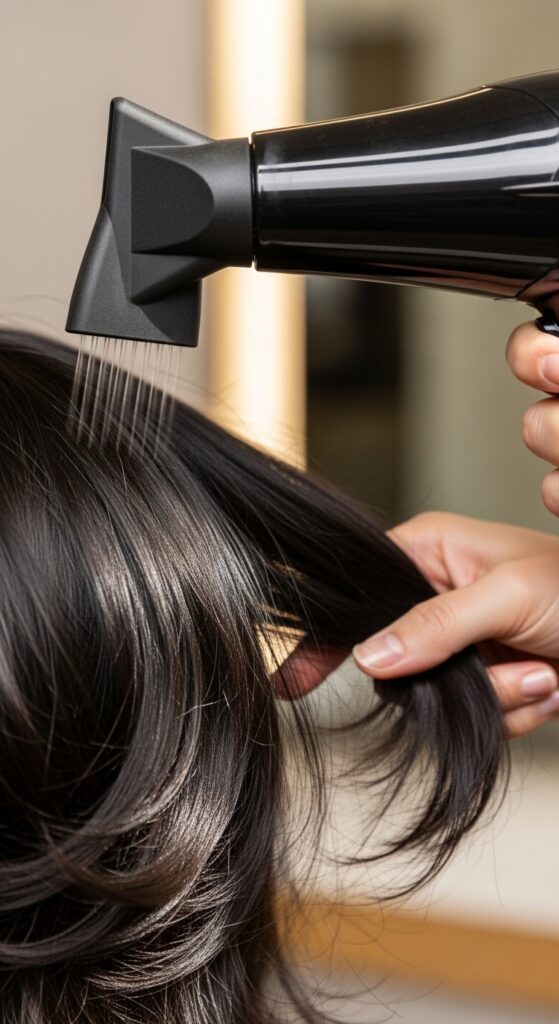
A blow dryer with a concentrator nozzle is your best prep tool. It smooths the cuticle and directs hair into place. Curling irons or wands create more separate, individual shapes that wind can disrupt.
For maximum hold, style with heat to set the shape, then let hair cool completely before going outside. This “sets” the style. A quick blast of cool air at the end helps lock it in.
Can Bangs Survive a Windy Day?
It depends. Wispy, curtain bangs often separate and disappear. Blunt, heavier bangs tend to flip up or get greasy from being pushed against the forehead.
The most wind-resistant bang is a slightly longer, side-swept style. It can be tucked or swept aside. If you’re committed to full bangs, a strong-hold, matte hairspray is a must.
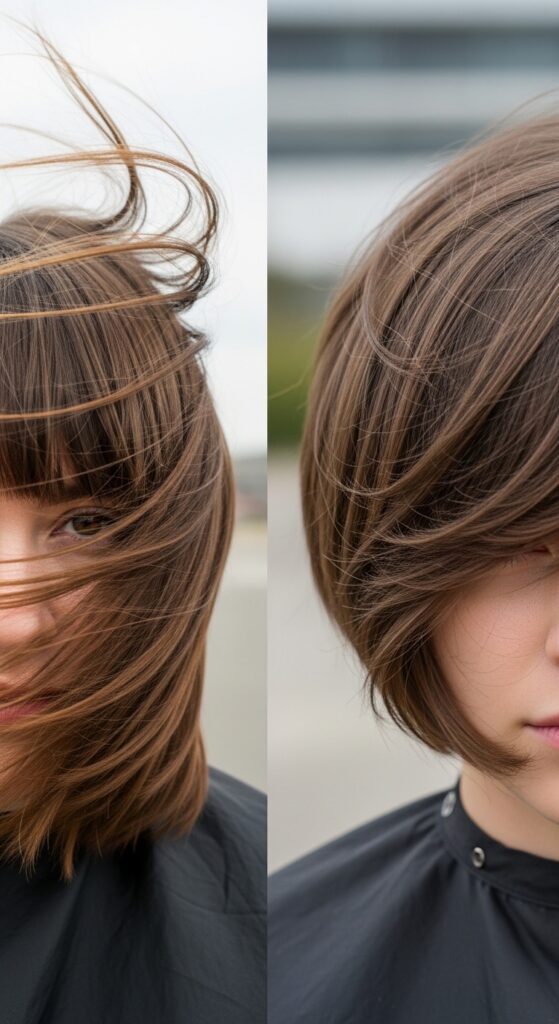
Learning to Love the Tousled Look
Sometimes, the win is in the mindset. A perfectly sleek style in a gale is often a fight you can’t win. The goal shifts to “intentionally tousled.”
This is where textured layers shine. Let the wind do some of the work, then gently rearrange. It’s the essence of that “I woke up like this” cool, a key part of quiet luxury and effortless vibes.

Night-Out vs. Daytime Layers
Adjust your expectations. For a daytime, running-errands cut, choose a more forgiving layered style like a shag or blunt lob. Save the high-drama, precise layered cuts (like a sharp asymmetrical lob) for nights out or calmer weather.
It’s about matching the haircut to your lifestyle. The right cut for your everyday environment is the one you’ll love the most.
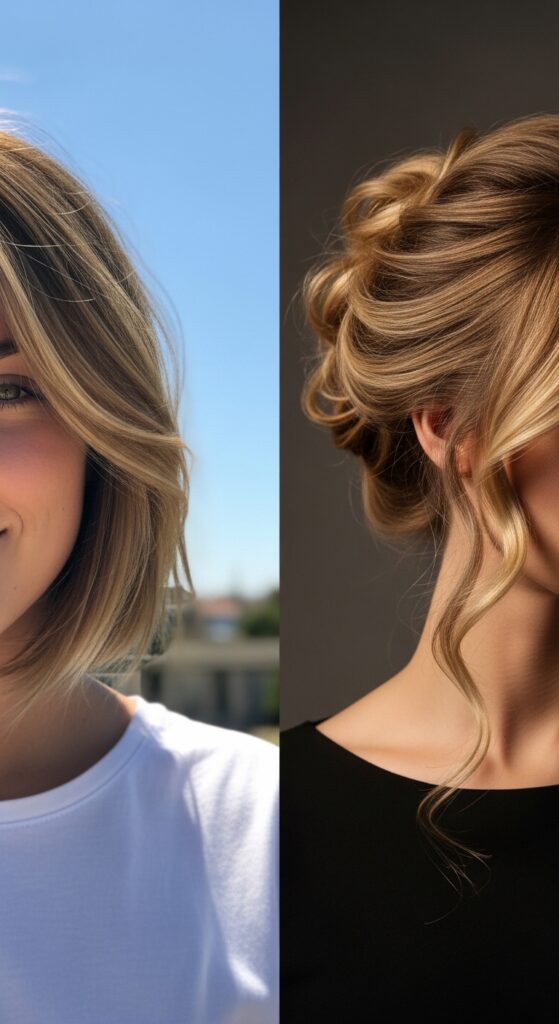
Consulting Your Stylist: What to Ask For
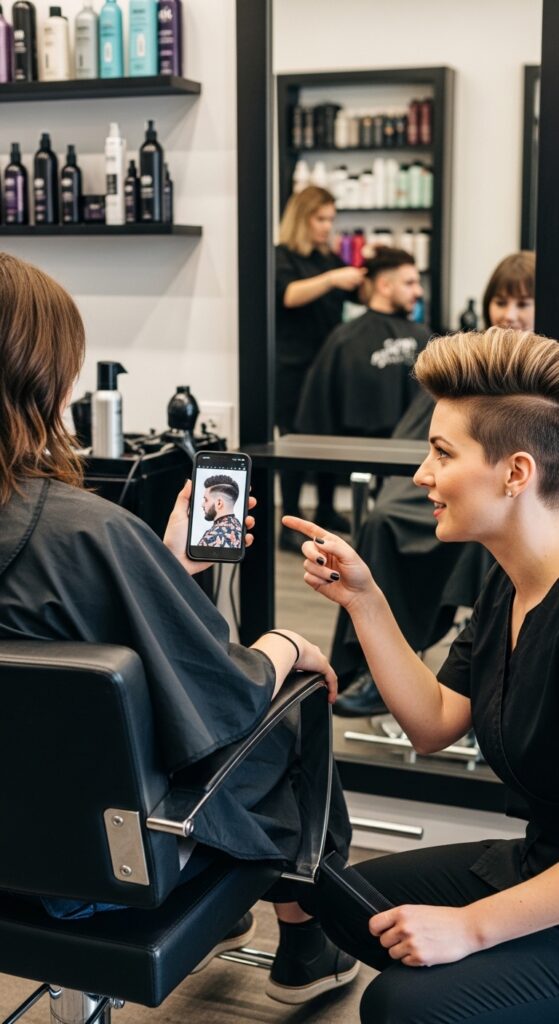
Be specific about your windy-day concerns. Say: “I love layers, but I need them to be wind-resistant. Can we focus on blended layers and keep some weight at the perimeter?”
Show pictures of the “after wind” look you want—like a tousled shag or a smooth lob. This helps them tailor the cut and texture to your real life, not just the salon chair.
Final Verdict: The Ultimate Windproof Cut
Based on all our testing, the most reliable cut for windy days is the collarbone-length blunt cut with long, blended face-framing layers. It has the weight, the shape, and the graceful movement.
It’s adaptable, stylish, and low-fuss. Whether you’re chasing the old money hair look or just want to look put-together, this cut delivers. It’s the practical choice that doesn’t sacrifice style.
So there you have it—the real deal on layers and wind. It turns out, you don’t have to choose between a beautiful, dimensional cut and one that can handle a breezy day. You just need the right strategy.
Knowing which cuts have that built-in resilience means you can spend less time fighting your hair and more time enjoying your day. It’s all about working with your hair, not against it.
I’d love to hear your windy-day hair horror stories or wins! What’s your go-to trick when the gusts pick up? Let me know in the comments. And if you found this helpful, save this post to Pinterest to keep these tips handy for your next salon visit!