Long Hair After 40: How to Keep It Looking Fresh and Modern
For decades, an unspoken rule suggested that a certain birthday necessitated a major haircut. Long, flowing locks were seemingly reserved for youth, while shorter styles were deemed more “age-appropriate.” We’re here to declare that rule officially obsolete. Long hair after 40 isn’t just possible; it can be stunning, sophisticated, and a powerful expression of personal style. The key isn’t in the length itself, but in how you wear and care for it. Modern long hair is less about clinging to the past and more about embracing a current, intentional, and healthy look that complements your life and features.

Rethinking the Cut: Shape Over Length
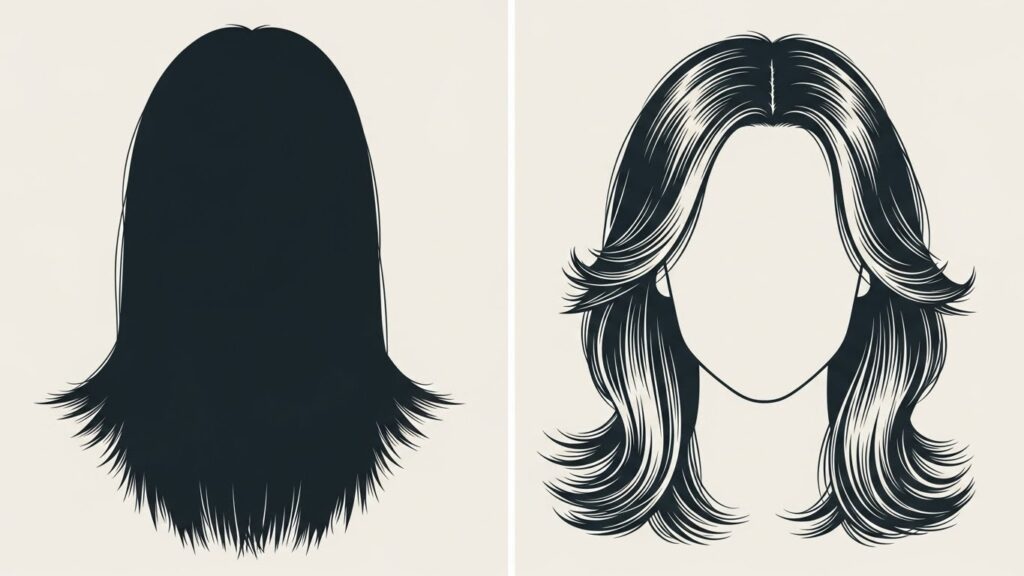
The most common mistake with long hair after 40 is maintaining the same blunt, one-length cut from your twenties. Hair texture and density can change over time, and a cut that adds movement and shape is essential for a modern look.
Strategic layering is your best friend. Long layers, starting from the cheekbone or jawline, remove weight, add bounce, and create frame-around-the-face movement. They prevent hair from looking heavy or dragging down your features. For finer hair, consider internal or hidden layers to build volume without sacrificing the appearance of length. A light face-framing technique—where just a few pieces around the front are cut shorter—can brighten your complexion and draw attention to your eyes.
Consider the power of a “long shag” or “modern mullet” reinterpretation. These aren’t the drastic cuts of the 80s, but softer, textured versions with disconnected layers that add incredible volume and a fashion-forward edge to long hair. The goal is a cut that looks effortlessly cool and lived-in, not perfectly symmetrical.
The Color Revolution: Dimension is Everything
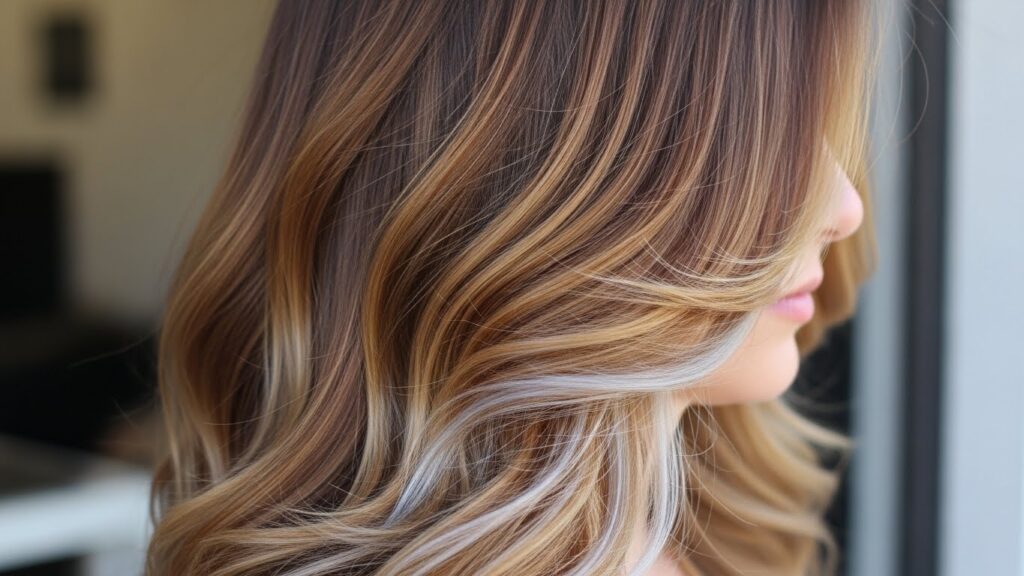
Solid, all-over color on long hair can often look flat and harsh against more mature skin tones. The modern approach is all about dimension and softness.
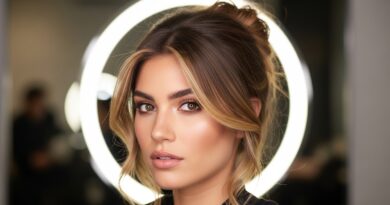
Balayage and babylights are exceptional techniques for long hair. By hand-painting highlights, your colorist can create a sun-kissed, natural-looking effect that grows out gracefully, minimizing obvious roots. This adds movement and depth, making each strand catch the light differently. Lowlights are equally important; weaving in slightly darker tones adds richness and prevents color from looking too streaky or artificial.
Embrace your natural color with enhancement. If you’re going gray, consider blending them with highlights or a gloss that harmonizes the silver with your base color, turning grays into a beautiful, intentional highlight. The shift is from “covering up” to “stylizing.” A gloss or glaze treatment every few weeks can also add incredible shine and tone, combating the dullness that long hair can sometimes develop.
The Non-Negotiable: Health and Care Regimen
Long hair is a commitment, and its beauty is directly tied to its health. Dryness, breakage, and thinning are more common concerns as we age, making a smart care routine non-negotiable.
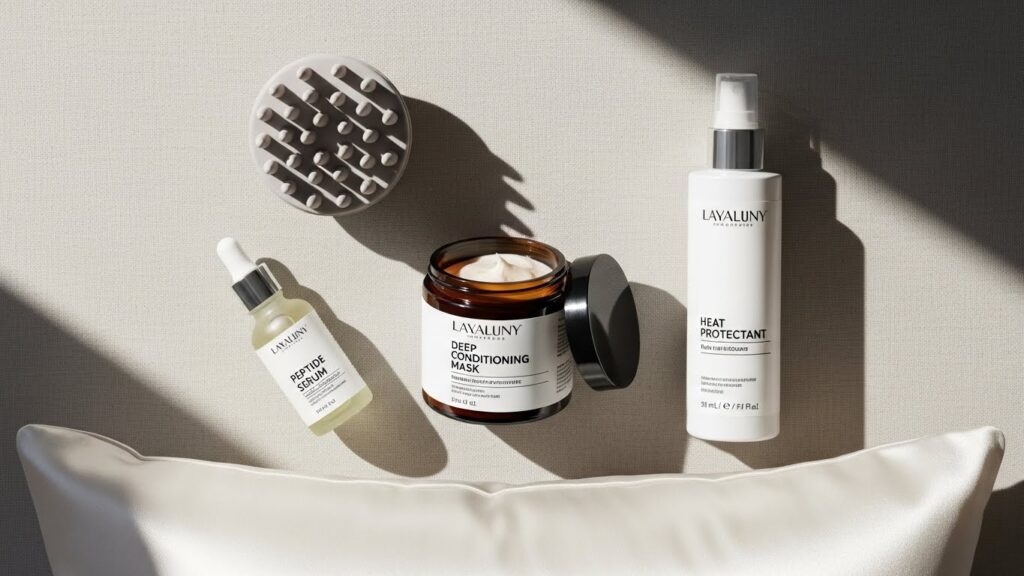
Scalp health is the foundation. Treat your scalp like the skin on your face. Incorporate a gentle, clarifying shampoo to remove buildup, and consider a scalp serum with peptides or caffeine to encourage circulation and support follicle health. Hydration is paramount. Weekly deep conditioning masks or hair oils (applied to mid-lengths and ends) are essential. Look for ingredients like keratin, argan oil, and hyaluronic acid.
Protect your hair from heat and mechanical damage. Always use a heat protectant before styling. Swap out old cotton pillowcases for silk or satin to reduce friction and breakage overnight. Be gentle when brushing—start from the ends and work your way up. And perhaps most importantly, regular trims every 10-12 weeks are not for cutting length, but for eliminating split ends before they travel up the hair shaft, keeping your ends looking full and fresh.
Modern Styling: Effortless and Intentional
The goal of modern styling is to look polished but not overdone. Say goodbye to overly teased volume and helmet-like hairspray. Today’s long hair is about texture, softness, and ease.
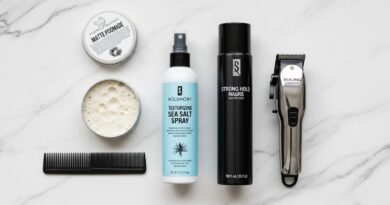
Master the art of texturizing products. A sea salt spray on damp hair can enhance natural wave. A light-hold texturizing cream on dry hair can separate strands and create a “lived-in” feel. For volume, focus on the roots with a lightweight mousse or dry shampoo. Embrace your natural texture—whether it’s wavy, curly, or straight—and work with it, not against it.
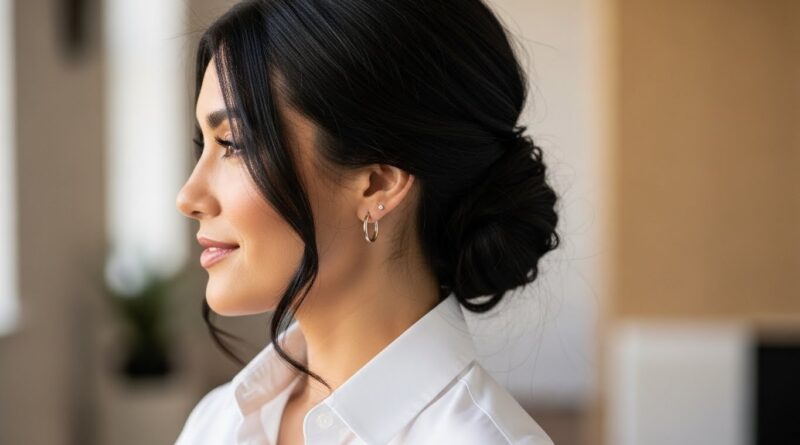
Styling should also be versatile. A low, loose bun with face-framing pieces is eternally chic. A half-up, half-down style with a small claw clip feels current and practical. When you do wear it down, try a deep side part or adding soft waves with a large-barrel curling iron, then brushing them out for a seamless, soft wave. The mantra is effortless, not messy.

Mindset and Confidence: The Ultimate Accessory
Finally, the most important element of rocking long hair after 40 is your attitude. Wear your hair with confidence and intention. Your hair should reflect who you are now—your experience, your energy, your personal style.
Don’t be afraid to break “the rules.” If long hair makes you feel powerful, beautiful, and like yourself, that is the only validation you need. Pair it with modern clothing, good posture, and a smile. Remember, style icons like Jane Fonda, Salma Hayek, and Andie MacDowell have famously defied convention with their gorgeous long hair, proving that it’s all about how you carry it.
Long hair after 40 is a statement. It says you’re vibrant, you care about your style, and you’re not defined by a number. By focusing on a great cut, dimensional color, impeccable health, and modern styling, you can ensure that statement is always fresh, modern, and unequivocally you.